피르바움 최고의 워킹 & 하이킹 경로
4.6
(427)
1,987
등산객
279
하이킹
정확한 경로를 찾는 것이 때로는 어렵지만 피르바움에서 하이킹을 하면 다양한 경치를 마음껏 감상할 수 있답니다. 피르바움에서 가장 멋진 하이킹과 워킹 중에서 마음에 드는 활동을 시작해보세요.
마지막 업데이트: 10월 14, 2026
4.5
(26)
90
등산객
7.87km
02:02
40m
40m
보통 하이킹. 좋은 체력 필요. 실력과 관계없이 누구나 쉽게 갈 수 있는 길.
4.5
(11)
34
등산객
10.8km
02:50
90m
90m
보통 하이킹. 좋은 체력 필요. 실력과 관계없이 누구나 쉽게 갈 수 있는 길.

4.7
(18)
33
등산객
6.83km
01:45
30m
30m
초급용 하이킹. 모든 체력 수준에 적합. 실력과 관계없이 누구나 쉽게 갈 수 있는 길.
4.7
(7)
27
등산객
5.61km
01:28
40m
40m
초급용 하이킹. 모든 체력 수준에 적합. 실력과 관계없이 누구나 쉽게 갈 수 있는 길.
5.0
(3)
26
등산객
9.11km
02:23
70m
70m
보통 하이킹. 좋은 체력 필요. 실력과 관계없이 누구나 쉽게 갈 수 있는 길.
더 다양한 경로와 다른 탐험가들의 추천을 살펴보세요.
이미 komoot 계정이 있나요?
투어 추천은 다른 사람들이 komoot에서 완료한 수천 개의 활동을 바탕으로 구성되어 있습니다.
오늘 무료 계정으로 시작하세요
다음 모험이 기다리고 있어요.

커뮤니티 팁


Church of the Assumption of Mary The church was originally dedicated to the Visitation of Mary and is now dedicated to the Assumption of Mary. The nave is stylistically dated to the late 13th century. The chancel likely dates from the first half of the 14th century. The elongated, plastered hall church, with a slightly recessed chancel, measures 54 meters in length and features stepped buttresses at the chancel. A gabled tower with a pointed spire on the west side is open at the bottom. The church is a single-nave structure with a large nuns' gallery and, below it, the burial vault (known as a crypt) for the founding families of Sulzbürg and Wolfstein. The design is simple, with high, bare walls and no paintings or sculptures to minimize distractions from prayer. By the mid-14th century, the church's clear tripartite division was complete: the nuns' church in the west, the lay church in the center, and the priests' church in the east. The nuns' primary duties consisted of choral prayer and work. It can therefore be assumed that the church and the monastic living quarters were the first buildings completed. Until the Reformation, almost all deceased members of the founding family were buried here, and the nuns prayed daily for their souls. Several gravestones from this period still exist. The nuns' choir stalls on the gallery have been preserved and are therefore unique in all of Europe. The Baroque altars that adorn the church were acquired around 1720 after all the paintings and altars were burned during the Reformation. The high altar was crafted by a carpenter named Ulrich Schäfer from Neumarkt; the sculptor of the figures is unknown. The altarpiece, "The Visitation of Mary," is by the Landshut painter Wolf Simon Groß. In the right side altarpiece, dating from the late 17th century, the Three Wise Men pay homage to the Christ Child, above which is a statue of the Archangel Michael with a flaming sword and scales. In the left side altar stands a statue of the Virgin Mary with the Christ Child at the center, flanked by the apostles Peter and Paul. Above, a guardian angel holds his hand over a child. On the north wall of the nave is a dynamic, life-size group of figures dating from 1762, depicting the crucifix with John Nepomuk, accompanied by a putto and an angel. Source: Excerpts from www.wikipedia.de / https://www.pfarrei-seligenporten.de
4
0
Seligenporten Monastery The monastery, dedicated to the Blessed Virgin Mary, was founded in 1242 by Gottfried the Elder of Sulzbürg and his wife Adelheid of Hohenfels as a nunnery. In 1247, the monastery, then called "Felix Porta" ("fortunate/blessed gate"), was incorporated into the Cistercian Order through the mediation of the Archbishop of Mainz, and this was confirmed in 1249 by Bishop Heinrich of Eichstätt. In 1299, King Albrecht granted the monastery lower jurisdiction. The monastery was endowed by donations from the citizens of Sulzbürg and later from Wolfstein, as well as from the local nobility, and also served as the burial place for the Wolfstein family. Over the course of its more than 300 years, the Cistercian nunnery had further founders and patrons. Around 1500, the monastery's holdings comprised 350 properties with 650 subjects in over 20 villages, who were liable for taxes. It held the patronage rights for seven parishes and two chaplaincies. In the second half of the 15th century, the Electors of the Palatinate began to bring the Upper Palatinate monasteries under their rule. These monasteries, all heavily indebted and in dire financial straits, were powerless to resist. In 1550, Anna von Kuedorf, the last abbess of the Cistercian convent of Seligenporten, was forced to accept the Protestant church order of the Palatine Elector Ottheinrich. With her death in 1576, Seligenporten, the last abbey in the Palatinate, finally passed into the possession of the sovereign. After the annexation of the Upper Palatinate by Elector Maximilian of Bavaria, it was recatholicized, and the monastery was re-established in 1625. In 1671, the monastery was transferred to the Salesian convent in Amberg. In the course of secularization in 1803, the buildings and properties passed into private hands. Today, the former monastery church is the parish church of Seligenporten. Most of the buildings were demolished. The remaining monastery buildings were taken over in 1930/31 by the expelled Cistercians of Sittich Abbey, belonging to the Mehrerau Congregation. The community of monks, now established in Seligenporten, numbered 16 members in 1963, but was dissolved again in 1967. The former abbey church was restored between 1976 and 1979. In 2003, the former brewhouse of the old monastery brewery was renovated, and a new microbrewery was established. Source: Excerpts from www.wikipedia.de
4
0

The hall church, originally built in 1519 under the Wolfstein family and destroyed by fire in 1926 down to its outer walls, was rebuilt in 1927. It consists of a nave supported by buttresses and a three-sided chancel, also supported by buttresses, to the east. The chancel is recessed only on the south side. Both are constructed of ashlar masonry. A flanking tower is attached to the chancel. The lower stories of this tower, dating from the 14th century, are supported by a buttress, while the upper stories are plastered and feature cornerstones. The uppermost, recessed story, above a viewing platform, houses the clock. An onion dome sits atop the tower. The portal is located in a projecting bay on the north side of the nave. The church furnishings include a high altar, built around 1700, flanked by two columns on each side. The organ was built by Deininger & Renner in 1999.
0
0
The parish of Mater Dolorosa currently has 1,330 Catholic members. In addition to the main town of Pyrbaum, it includes the districts of Oberhembach, Pruppach, Neuhof, Asbach, Straßmühle, and Birkenlach. The district of Unterferrieden, part of the municipality of Burgthann, also belongs to the Pyrbaum parish. The market town of Pyrbaum is the westernmost municipality in the Upper Palatinate and lies on the edge of the Nuremberg metropolitan area. Due to historical reasons—the former rulers of the region were Protestant—and the influx of people from the metropolitan area, Protestant Christians are numerically predominant in Pyrbaum. Therefore, ecumenism plays a significant role alongside Catholic parish life.
0
0
A St. Hubertus wayside shrine is a wayside shrine, often erected in the woods or along roadsides, dedicated to St. Hubert of Liège, the patron saint of hunters, dogs, and nature. It commemorates the legend of St. Hubert, who saw a crucifix in the antlers of a stag. These shrines serve as places of remembrance, gratitude for accident-free hunts, and reflection. They are also very suitable for resting and enjoying a snack.
0
0
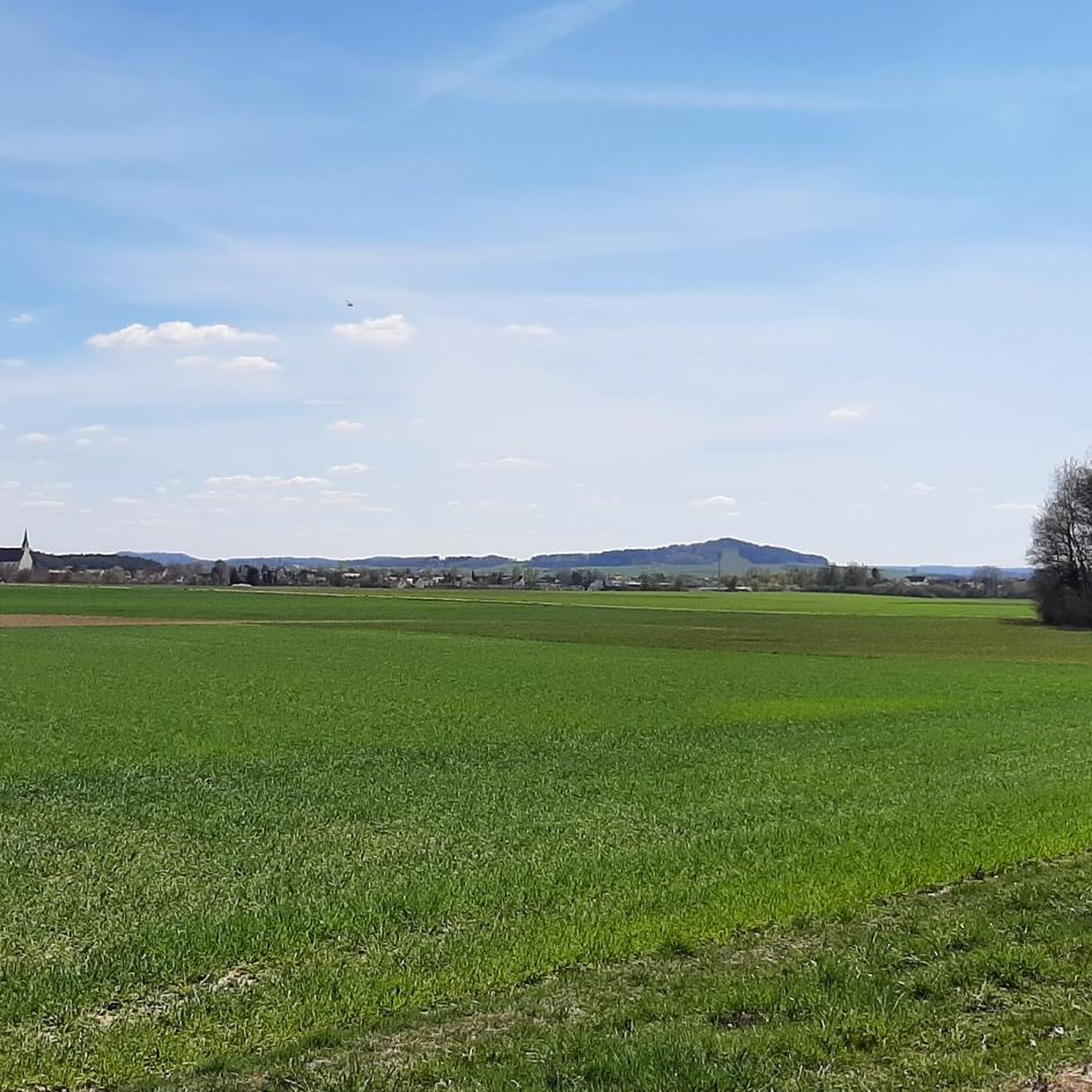
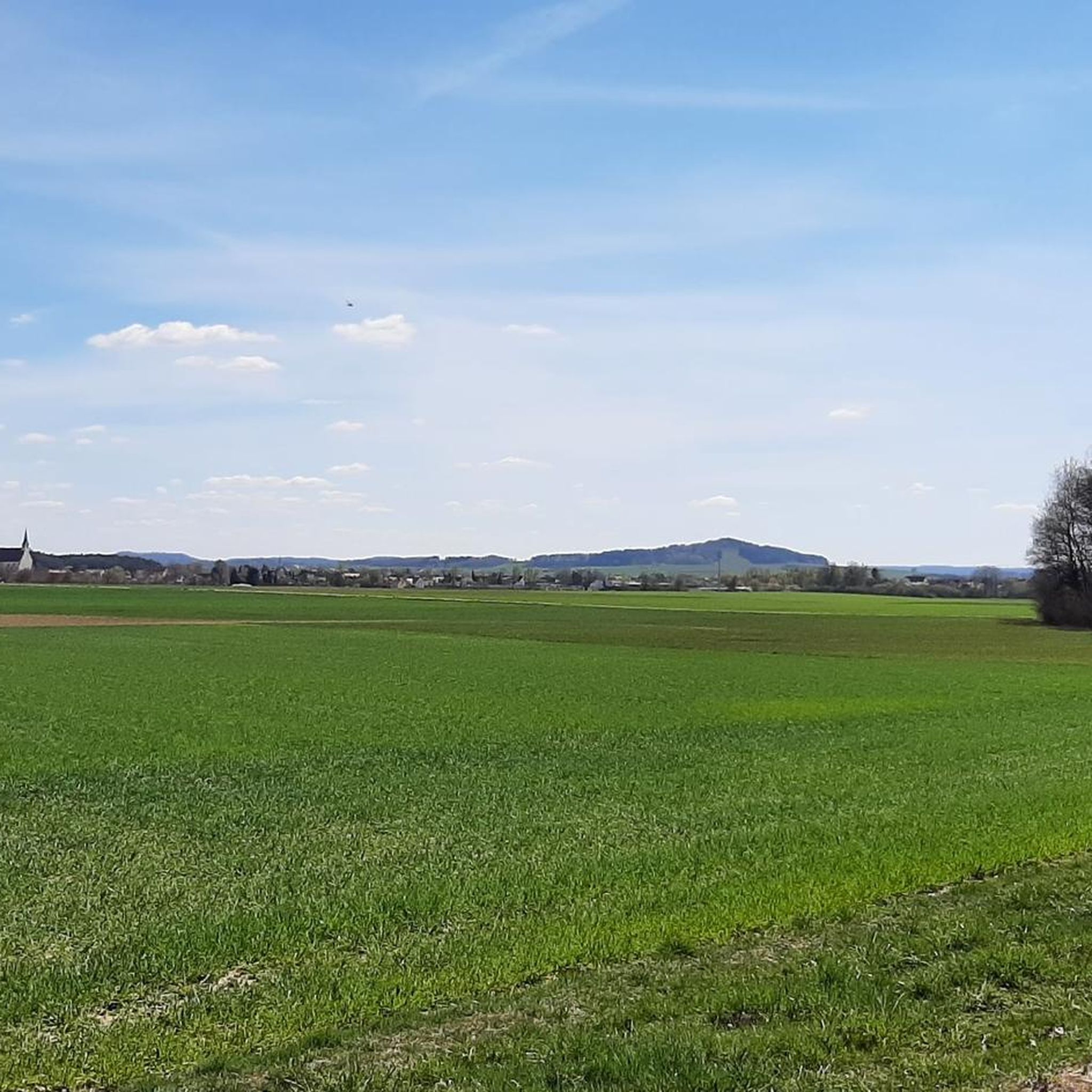
Pyrbaum is located in the district of Neumarkt in the Upper Palatinate region of Bavaria. Around 6,000 inhabitants live in the town, which covers an area of approximately 51 km². Pyrbaum was first documented in 1130. Emperor Charles V granted the town a coat of arms in 1527, and in 1540 it received market rights at the Diet of Speyer. It boasts a beautiful, modernized market square with several small shops.
0
0

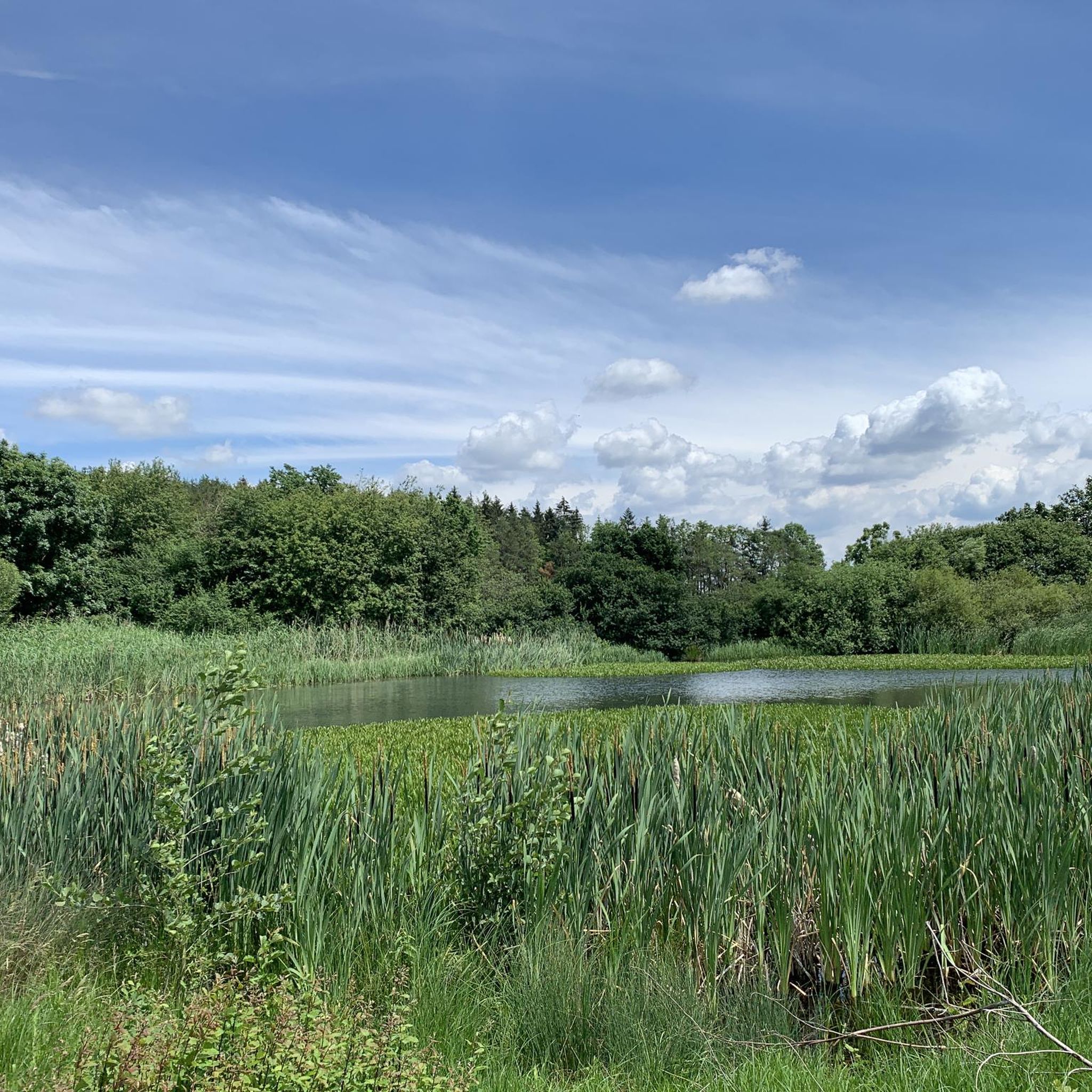
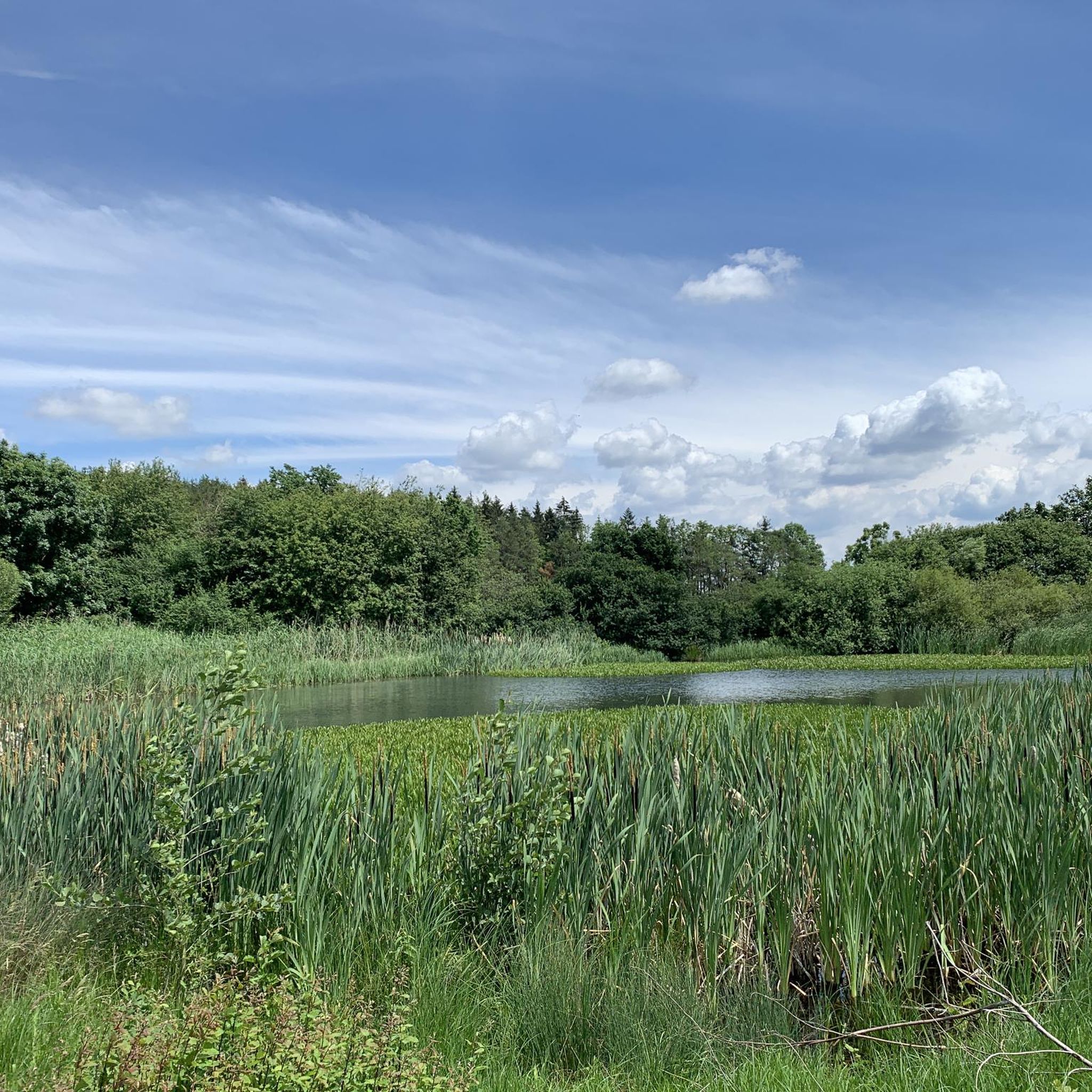
Incredible flora and fauna in this fantastic biotope! 🦎🐛🌿🌲🦗🦫
0
0


더 살펴보기
다른 지역의 최고의 하이킹를 살펴보세요.
