20의 밀레바슈 앙 리무쟁가지 명소 & 주요 장소
밀레바슈 앙 리무쟁에는 둘러볼 만한 장소가 많답니다. 하이킹 또는 사이클링을 좋아한다면 밀레바슈 앙 리무쟁에 숨겨진 20
가지 보석을 만날 수 있을 거예요. 이 지역의 주요 명소를 살펴보면서 다음 모험을 계획해보세요.
마지막 업데이트: 8월 31, 2026
몽 가르갱의 샤펠 노트르담 뒤 봉 스쿠르 폐허
하이라이트 • 역사적 장소
번역자 Google •
팁에 의해


이런 장소를 발견하려면 지금 가입하세요
최고의 싱글 트랙, 봉우리 및 다양한 흥미로운 야외 장소에 대한 추천을 받아보세요.
무료 회원 가입

Bonnefond 마을
하이라이트 • 정착지
번역자 Google •
팁에 의해

무료로 가입하여 밀레바슈 앙 리무쟁의 더 많은 명소를 발견하세요.
무료 회원 가입
이미 komoot 계정이 있나요?
오늘 무료 계정으로 시작하세요
다음 모험이 기다리고 있어요.
로그인 또는 가입하기
밀레바슈 앙 리무쟁의 다른 모험


커뮤니티 팁

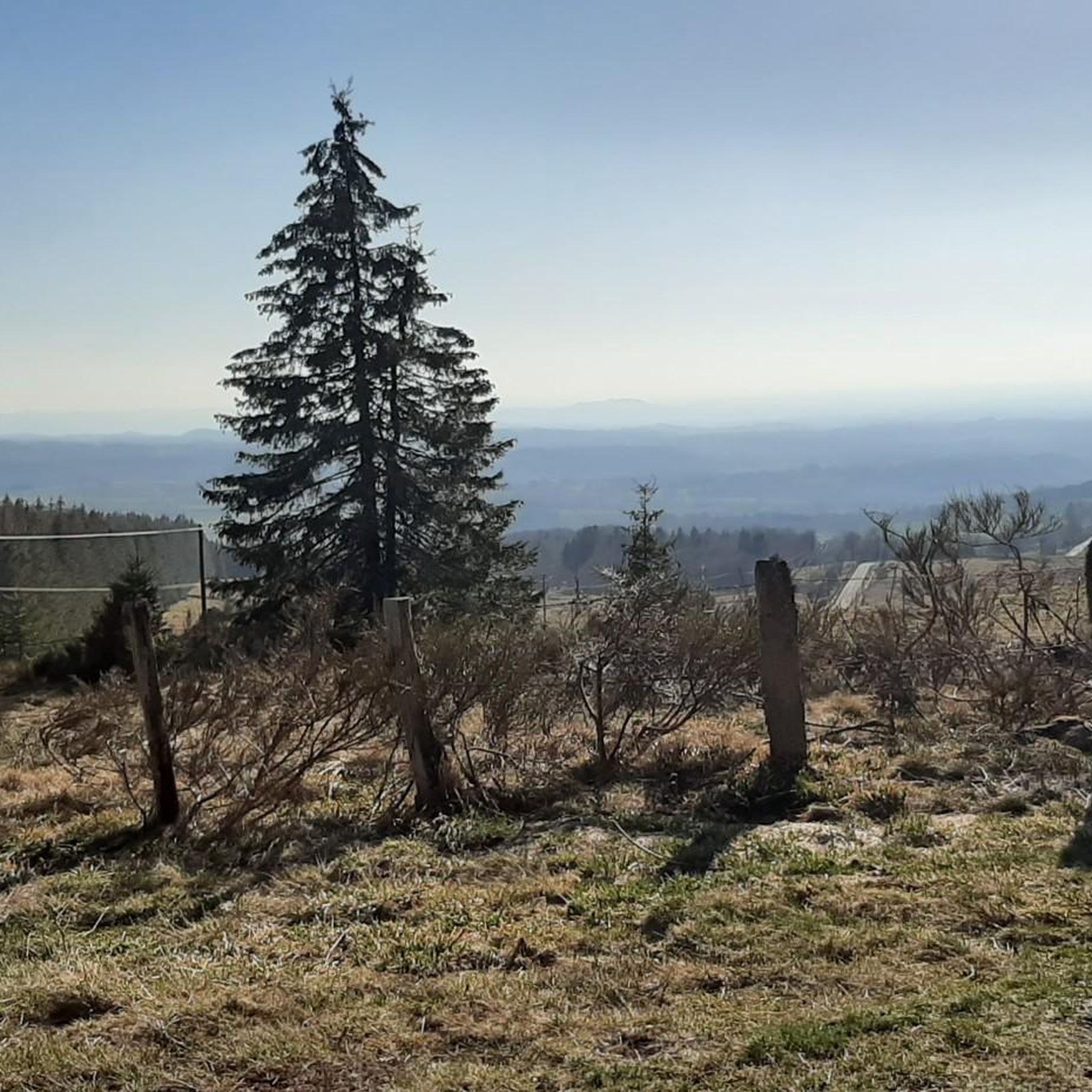
This tour is only possible when the weather is clear, as you will then have a breathtaking view.
0
0

after 90km on the Tour de la Creuse a swim in the lake in the evening at the campsite is a plus
0
0

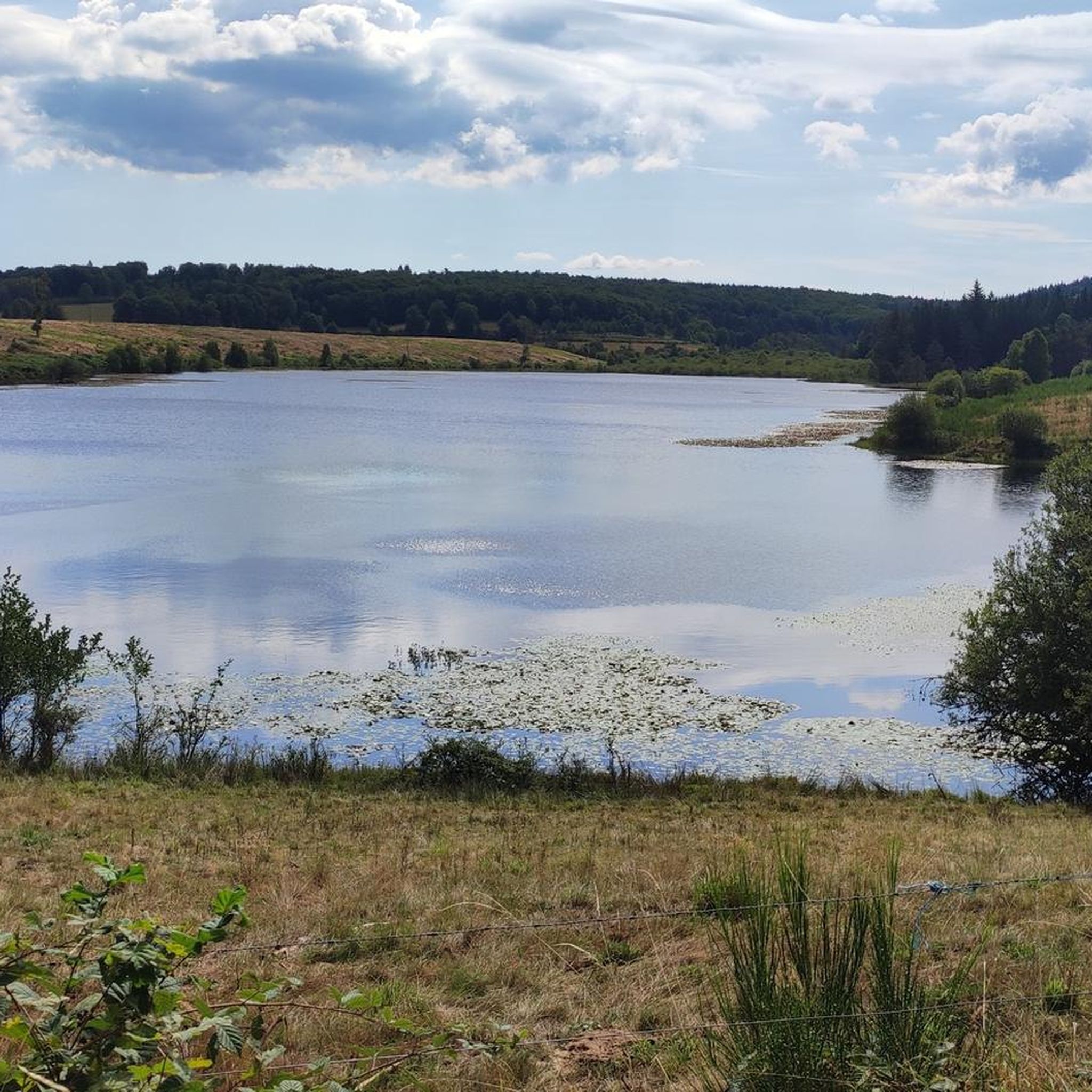
Superb site, one of the largest artificial lakes in France
0
0

Magnificent Sully lime tree. Departure of the hike to Clédat.
0
0

The village of Bonnefond has this particularity, like others including Tarnac, of having a four-hundred-year-old tree, here in this case a so-called Sully lime tree. This imposing lime tree has withstood the ravages of time and weather, even if it has been "pampered" in recent years. Adjoining this venerable lime tree, discover the 15th century granite church, of modest construction, and yet whose interior does not leave you indifferent with its floor paved with thick stones, and its oculus on the north wall. Finally, we will be truly impressed, as we can be in every village, by the terrible tribute paid here by the locals during the First World War: 55 lost their lives there, devastating families, ruining the rural fabric, its agriculture and economy. Let's not forget them.
0
0

This medieval bridge, known as the 'Soubre Bridge' and made up of four arches, those at the ends in a semi-circular arch, the other two in a pointed arch, bears the name of a tapestry manufacturer whose workshops were located nearby. In the 16th century, Felletin was a prosperous town which saw the development of a significant number of industries: flour milling, tanning, paper milling, dyeing, etc. The river provided the energy necessary for the operation of the numerous mills. Next to the bridge, we notice the toll terminal symbolizing the duty that had to be paid to bring certain goods and foodstuffs into the city. Listed as a Historic Monument in 1926. Source: https://www.tourisme-creuse.com/
0
0
The building from the end of the 12th century is composed of a nave with three bays, a transept and a choir with a flat apse. In the nave, the barrel vault with beams rests on broken arch arcades supported by capitals with crossettes and fluted bases. Four half-columns with capitals with foliage and heads decorate the transept and receive the arches of the pointed vault as well as that of the choir. The molding dates from the 14th century. The bedside window is decorated with a trefoil tracery. The chapel created between two buttresses to the north, vaulted in broken cradle, dates from the 14th century. 14th century door with tympanum carved with oak leaves. The door on the east facade dates from the 18th century. The isolated bell tower dates from the end of the 12th century. The four buttresses placed in the middle of the faces do not appear to have been added afterwards. The old arrow presents a regional type. Source: https://www.tourisme-creuse.com
0
0

A 730m summit which offers you magnificent views all around on the other summits of Limousin. Perched at the top, you will also find the charming remains of the Mont Gargan chapel built in the 1860s.
2
0


