라구나 데 푸엔테 데 피에드라 최고의 사이클링 경로
4.3
(39)
334
자전거 타는 사람
98
라이딩
라구나 데 푸엔테 데 피에드라 최고의 사이클링 경로를 지나며 멋진 자연공원을 만나보세요. 지금부터 가장 멋진 경로를 소개해드릴게요. 망설이지 말고, 라구나 데 푸엔테 데 피에드라에서 즐기고 싶은 자전거 라이딩을 아래에서 찾아보세요.
마지막 업데이트: 9월 17, 2026
4.5
(2)
7
자전거 타는 사람
39.4km
02:51
270m
270m
보통 자전거 타기. 좋은 체력 필요. 대부분 포장된 지면. 실력과 관계없이 누구나 갈 수 있음.
5.0
(1)
9
자전거 타는 사람
35.9km
02:15
200m
200m
보통 자전거 타기. 좋은 체력 필요. 대부분 포장된 지면. 실력과 관계없이 누구나 갈 수 있음.

5
자전거 타는 사람
98.2km
06:16
1,070m
1,070m
어려운 자전거 타기. 우수한 체력 필요. 대부분 포장된 지면. 실력과 관계없이 누구나 갈 수 있음.
1
자전거 타는 사람
58.5km
03:42
340m
340m
보통 자전거 타기. 좋은 체력 필요. 대부분 포장된 지면. 실력과 관계없이 누구나 갈 수 있음.
2
자전거 타는 사람
27.9km
02:28
250m
250m
보통 자전거 타기. 좋은 체력 필요. 대부분 포장된 지면. 실력과 관계없이 누구나 갈 수 있음.
더 다양한 경로와 다른 탐험가들의 추천을 살펴보세요.
이미 komoot 계정이 있나요?
투어 추천은 다른 사람들이 komoot에서 완료한 수천 개의 활동을 바탕으로 구성되어 있습니다.
오늘 무료 계정으로 시작하세요
다음 모험이 기다리고 있어요.

커뮤니티 팁

A beautiful town square featuring a unique mosaic pathway and charming fountains.
0
0

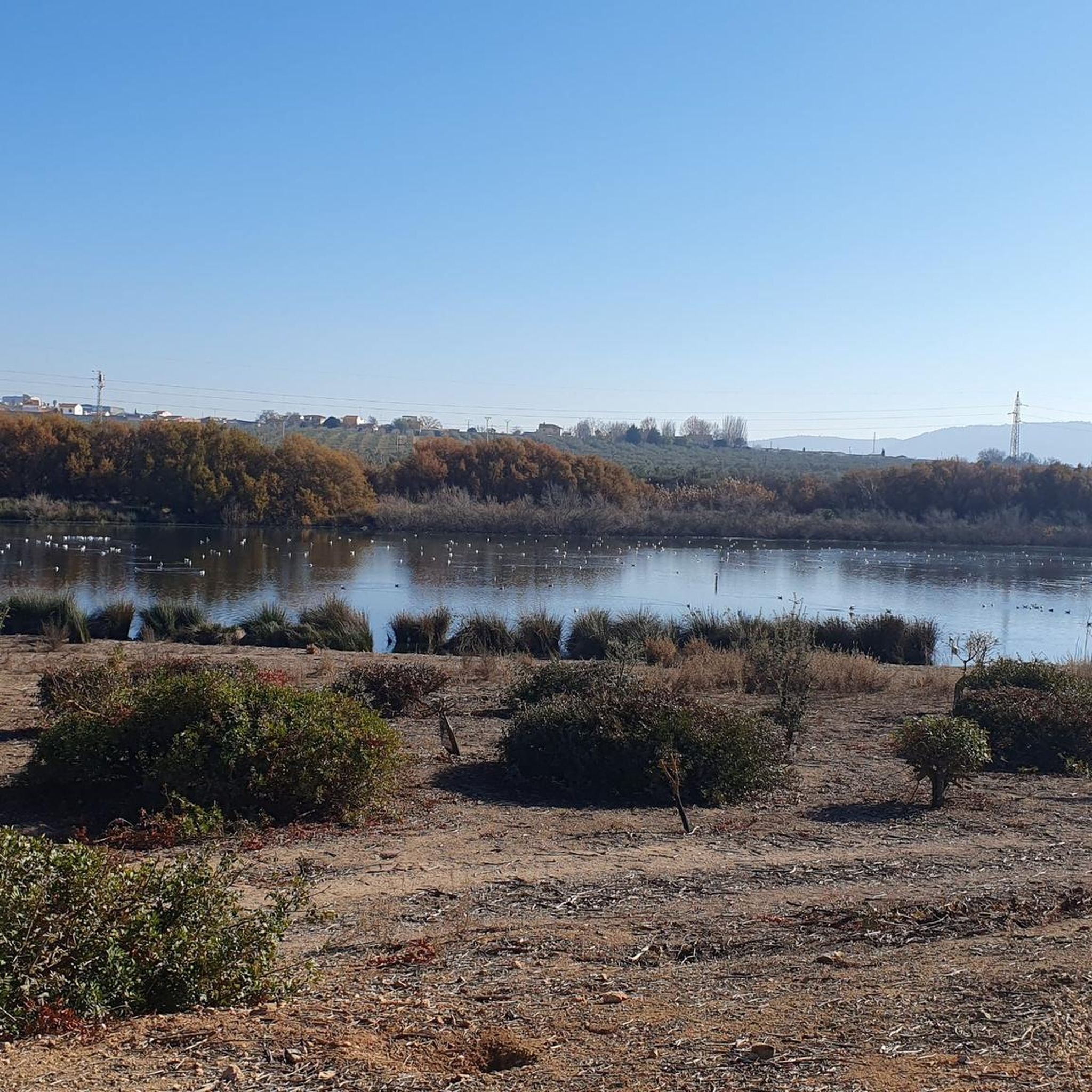
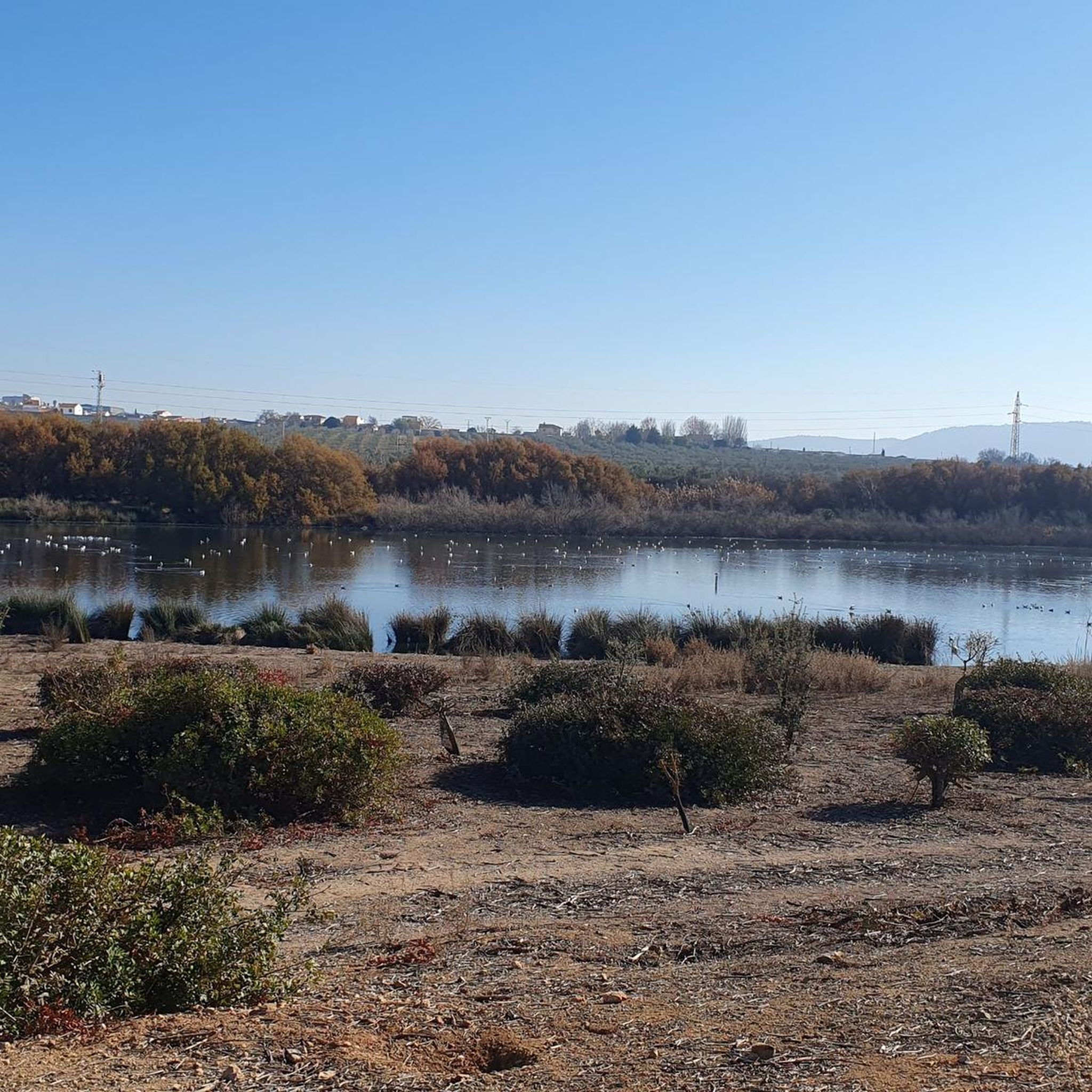
Laguna de Fuente de Piedra is home to large flamingo colonies and is considered one of the most important breeding grounds for this bird species in Europe, where they can be observed particularly well in the warmer months.
3
0
An impressive Moorish fortress, perched high above Antequera. Built by the Moors between the 11th and 14th centuries, it was further expanded after the Christian reconquest in the 15th century. It served both as a defensive structure and as a symbol of power over the valley.
1
0
Especially in the evening hours, when the setting sun bathes the walls of the Alcazaba in a golden light, one of the most beautiful perspectives of Antequera is offered, reflecting both the history and the scenic location of the city.
1
0
The city gate of Antequera was built in 1749 in the Baroque style, demolished in the 19th century, and faithfully reconstructed in the 1990s. Today, the Puerta de Estepa is a symbolic gateway to the city.
3
0
Fuente de Piedra is a charming village whose name derives from an ancient spring believed to possess healing powers. The area was already settled in Roman times, and the spring was then referred to as "Fons Divinus." In the Middle Ages, a small settlement grew up around the spring, which later acquired its present name. During the 18th and 19th centuries, Fuente de Piedra was a renowned spa town thanks to its mineral waters, until the spring dried up. Today, the village's name evokes this past, while its history remains closely intertwined with the use and veneration of the water.
1
0
Designated trails run around the lagoon, leading directly to observation points and birdwatching towers. From there, flamingos and numerous other bird species can be observed undisturbed.
1
0
The historic fountain is located in the center of Fuente de Piedra. Its origins date back to a natural spring known since ancient times. This spring was venerated by the Romans as Fons Divinus – "Divine Spring" – because its water was believed to have healing powers, particularly against gallstones. The name of the place, "Fuente de Piedra" ("Stone Spring"), derives directly from this spring. Over the centuries, it has remained a central landmark in the community. In the 1990s, the spring was uncovered and restored in the area of today's Plaza de la Constitución, so that today it serves as a historic landmark commemorating the town's Roman origins and long tradition.
0
0
라구나 데 푸엔테 데 피에드라에서 가장 인기 있는 명소


더 살펴보기
다른 지역의 최고의 자전거 경로를 살펴보세요.
