4.4
(111)
1,597
자전거 타는 사람
84
라이딩
Ottobeuren 주변의 로드 사이클링 코스는 완만하게 구불거리는 지형이 특징인 그림 같은 알가우(Allgäu) 지역을 가로지릅니다. 이 지역의 풍경은 넓은 초원, 숲, 작은 개울로 이루어져 있어 사이클리스트에게 다양한 지형을 제공합니다. 코스는 종종 귄츠탈(Günztal)을 따라 이어지며, 알가우 알프스 산기슭과 멀리 보이는 알프스 산맥의 전망을 선사합니다. 이 지역은 로드 사이클링에 적합한 대부분 포장된 표면으로 이루어진 네트워크를 제공합니다.
마지막 업데이트: 5월 6, 2026
5.0
(1)
58
자전거 타는 사람
107km
05:02
980m
980m
어려운 도로 자전거 타기. 우수한 체력 필요. 지면 대부분이 잘 포장되어 있고 라이딩하기 쉬움.
5.0
(4)
91
자전거 타는 사람
52.2km
02:18
490m
500m
보통 도로 자전거 타기. 좋은 체력 필요. 지면 대부분이 잘 포장되어 있고 라이딩하기 쉬움.

무료 회원 가입
3.8
(5)
67
자전거 타는 사람
57.1km
02:38
570m
570m
보통 도로 자전거 타기. 좋은 체력 필요. 지면 대부분이 잘 포장되어 있고 라이딩하기 쉬움.
5.0
(1)
248
자전거 타는 사람
33.6km
01:38
270m
270m
초급용 로드 라이딩. 모든 체력 수준에 적합. 지면 대부분이 잘 포장되어 있고 라이딩하기 쉬움.
5.0
(6)
62
자전거 타는 사람
34.1km
01:34
340m
340m
보통 도로 자전거 타기. 좋은 체력 필요. 지면 대부분이 잘 포장되어 있고 라이딩하기 쉬움.
더 다양한 경로와 다른 탐험가들의 추천을 살펴보세요.
무료 회원 가입
이미 komoot 계정이 있나요?
투어 추천은 다른 사람들이 komoot에서 완료한 수천 개의 활동을 바탕으로 구성되어 있습니다.
오늘 무료 계정으로 시작하세요
다음 모험이 기다리고 있어요.
로그인 또는 가입하기
오토브렌 주변 인기 장소
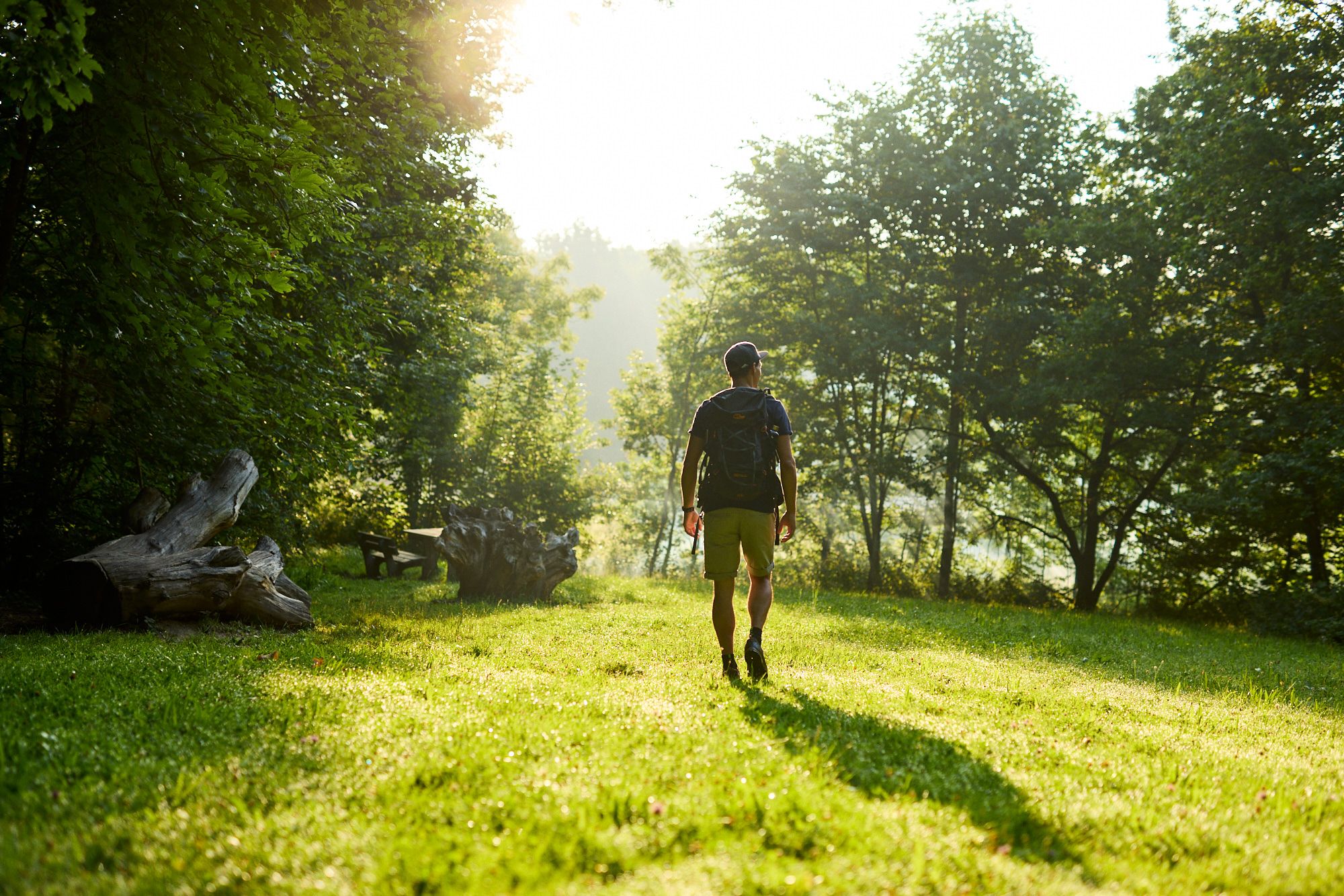
With Kneipp through nature – Happiness Trails (Glücksweg) in Allgäu
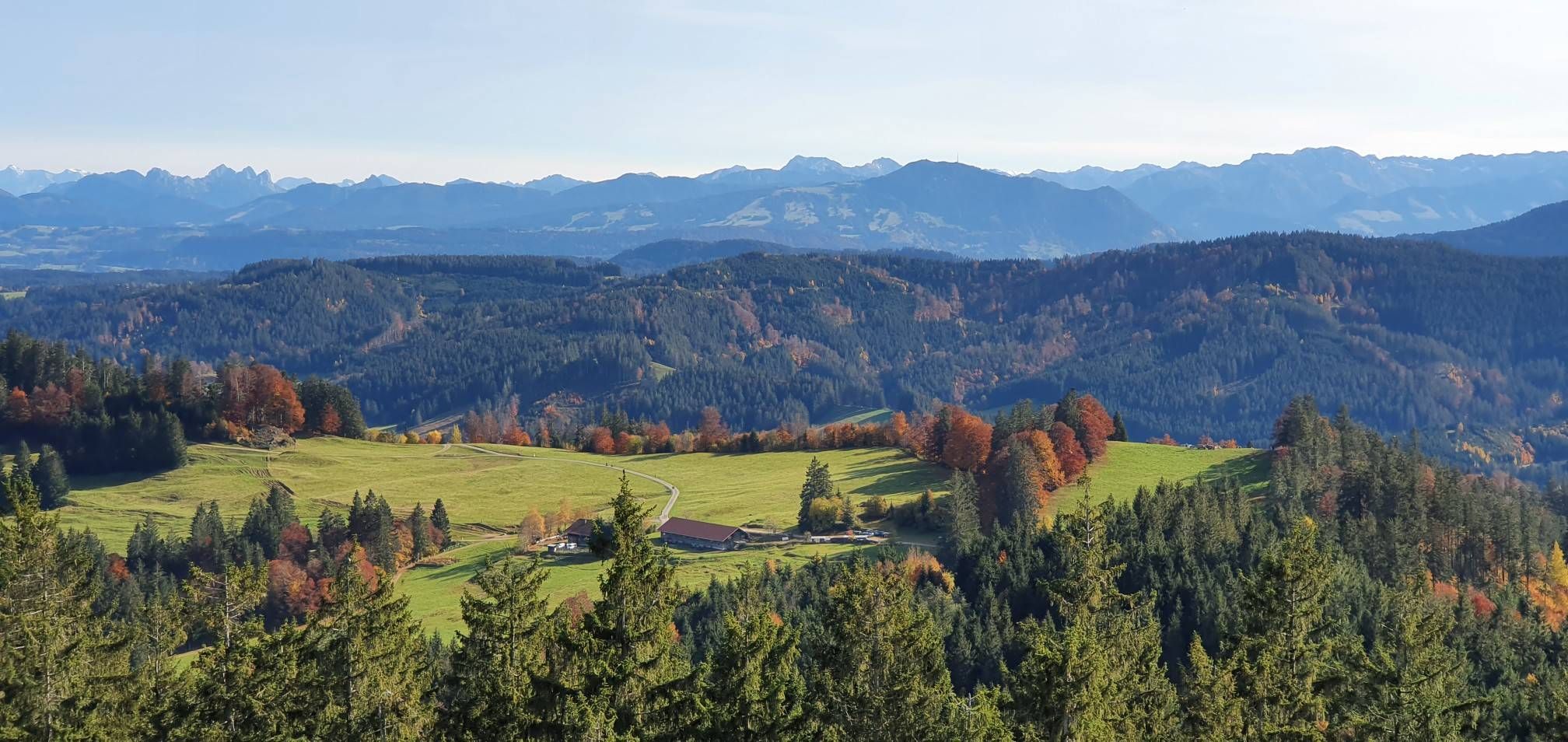
알프스 기슭의 메도우 워커스 루트 - 알고이 하이킹 트릴로지
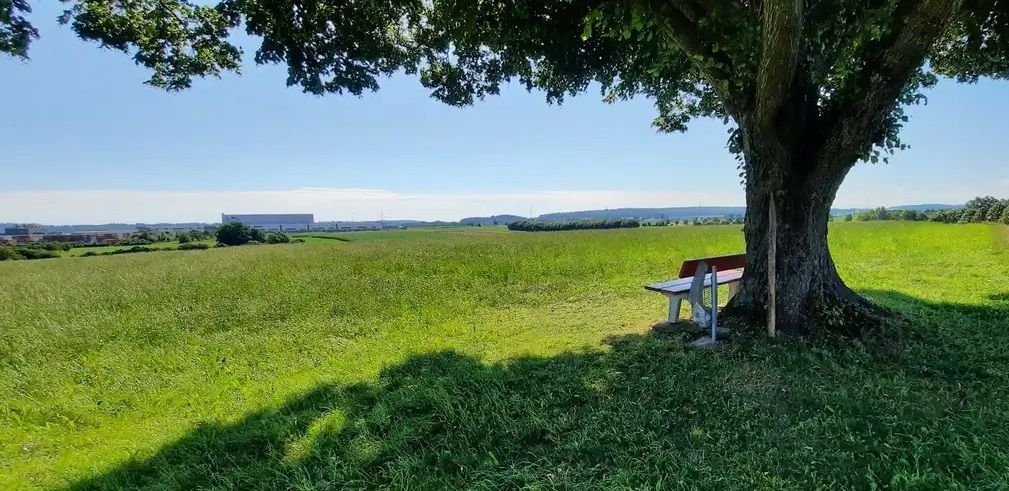
알게아우의 성스러운 하이킹 - 크레센치아 순례로
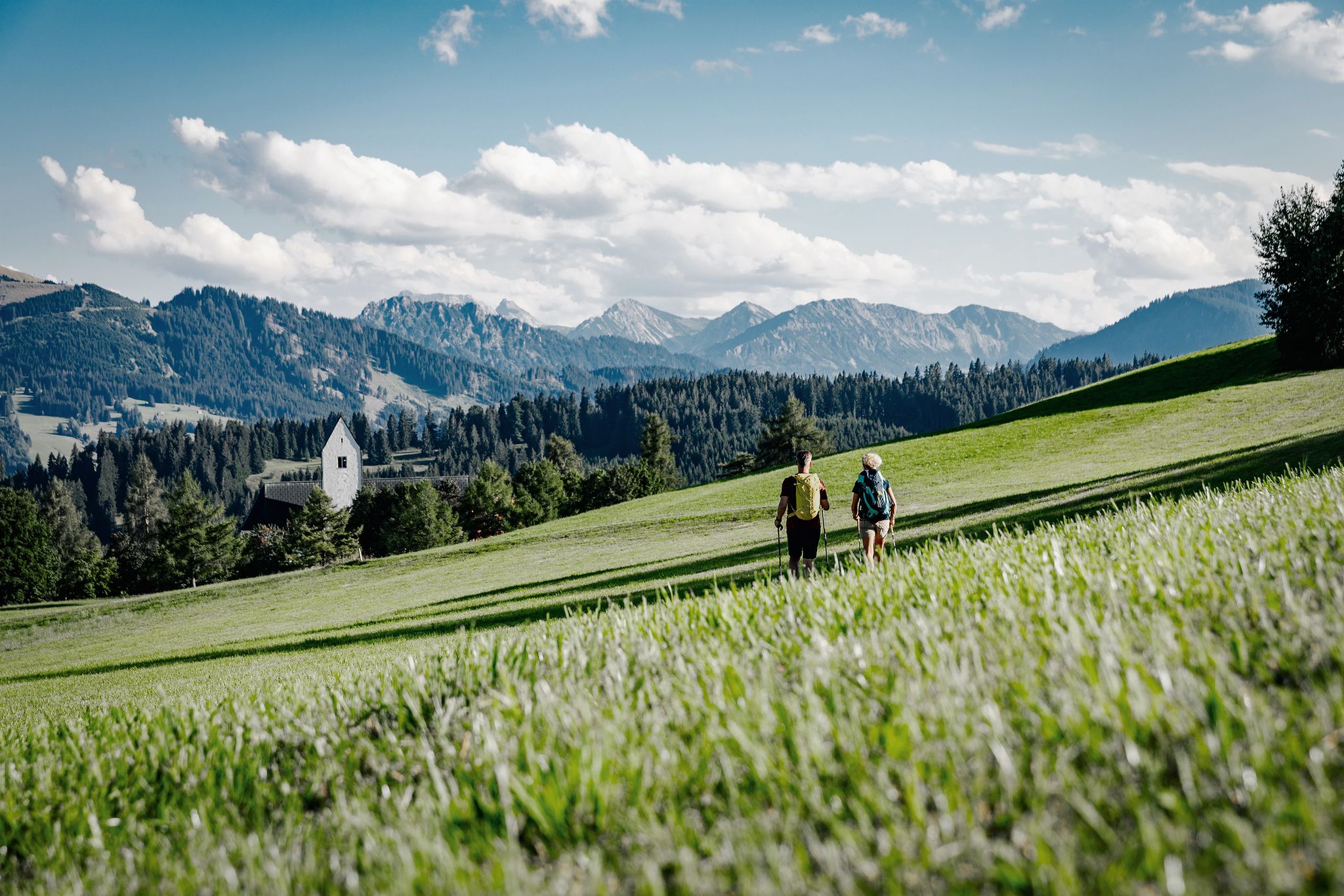
Frühlingsgefühle „loading“ – Halb- & Tagestouren im Allgäu
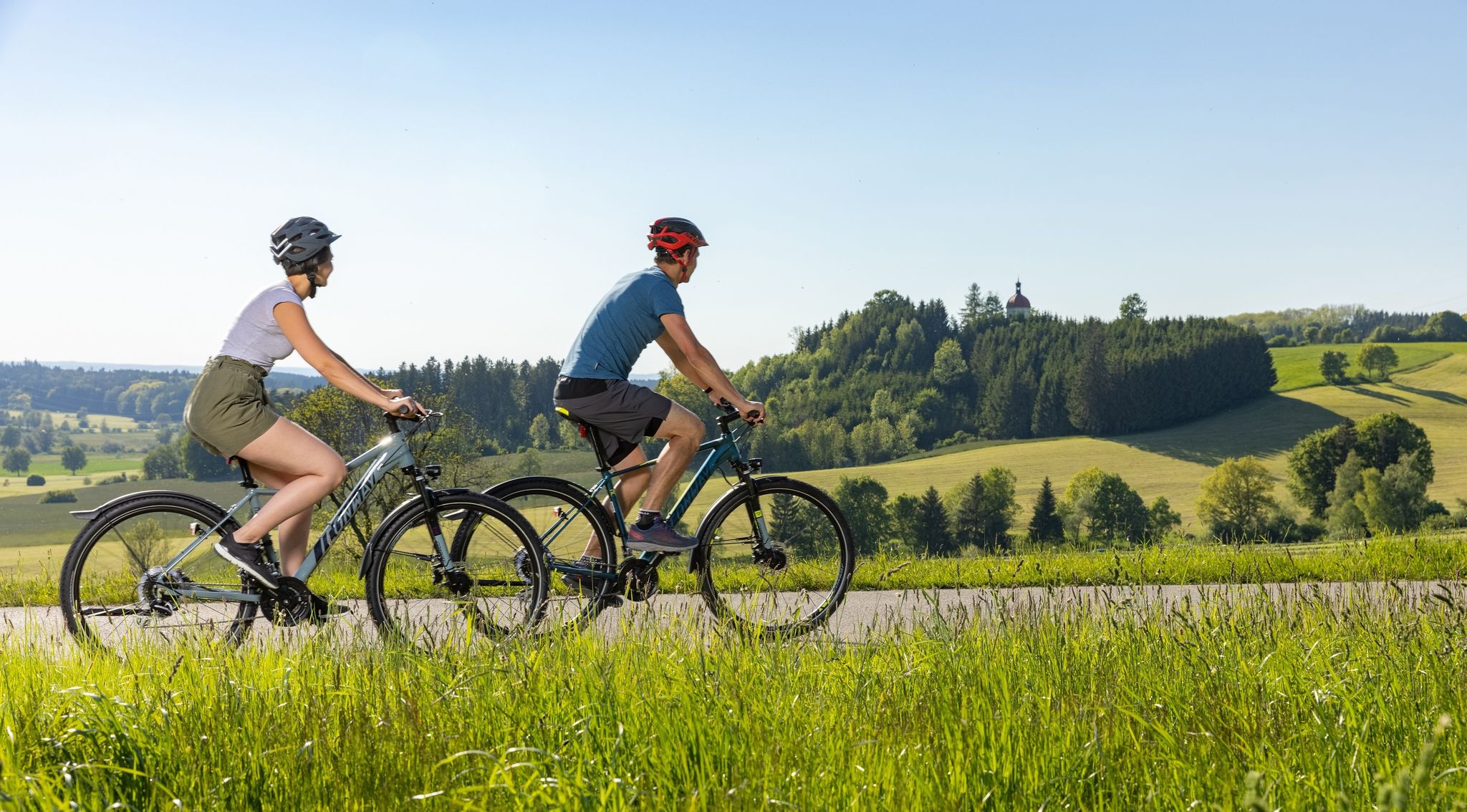
Radfahren in Ottobeuren - Bayerisches Alpenvorland
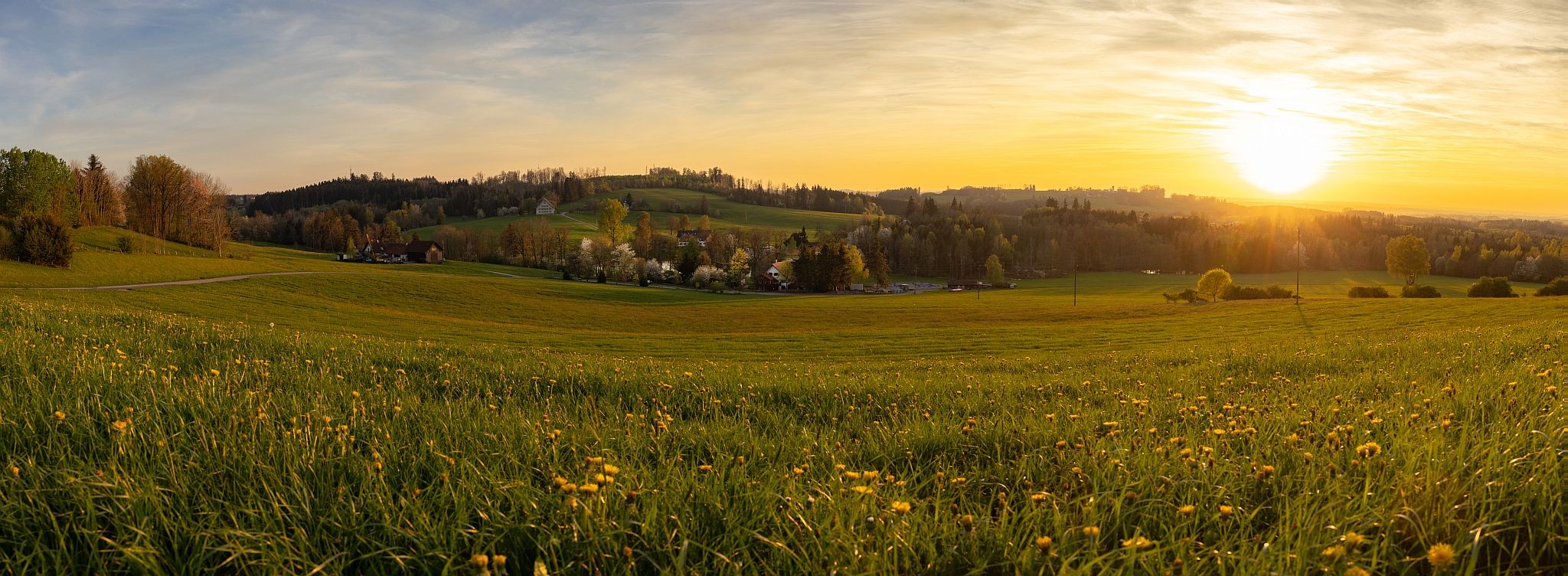
Wandern in Ottobeuren - Bayerisches Alpenvorland
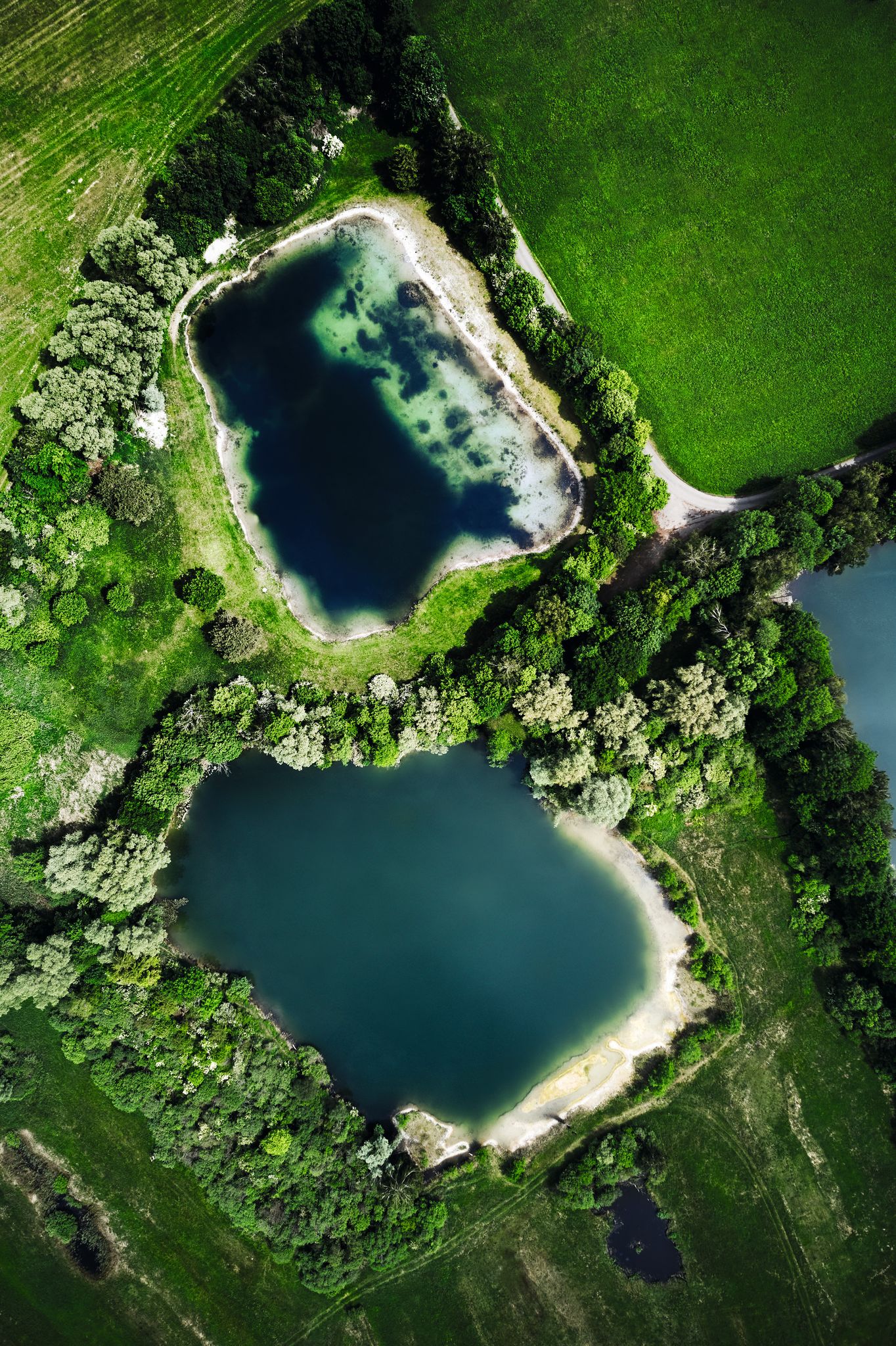
Glückswege Allgäu im Unterallgäu
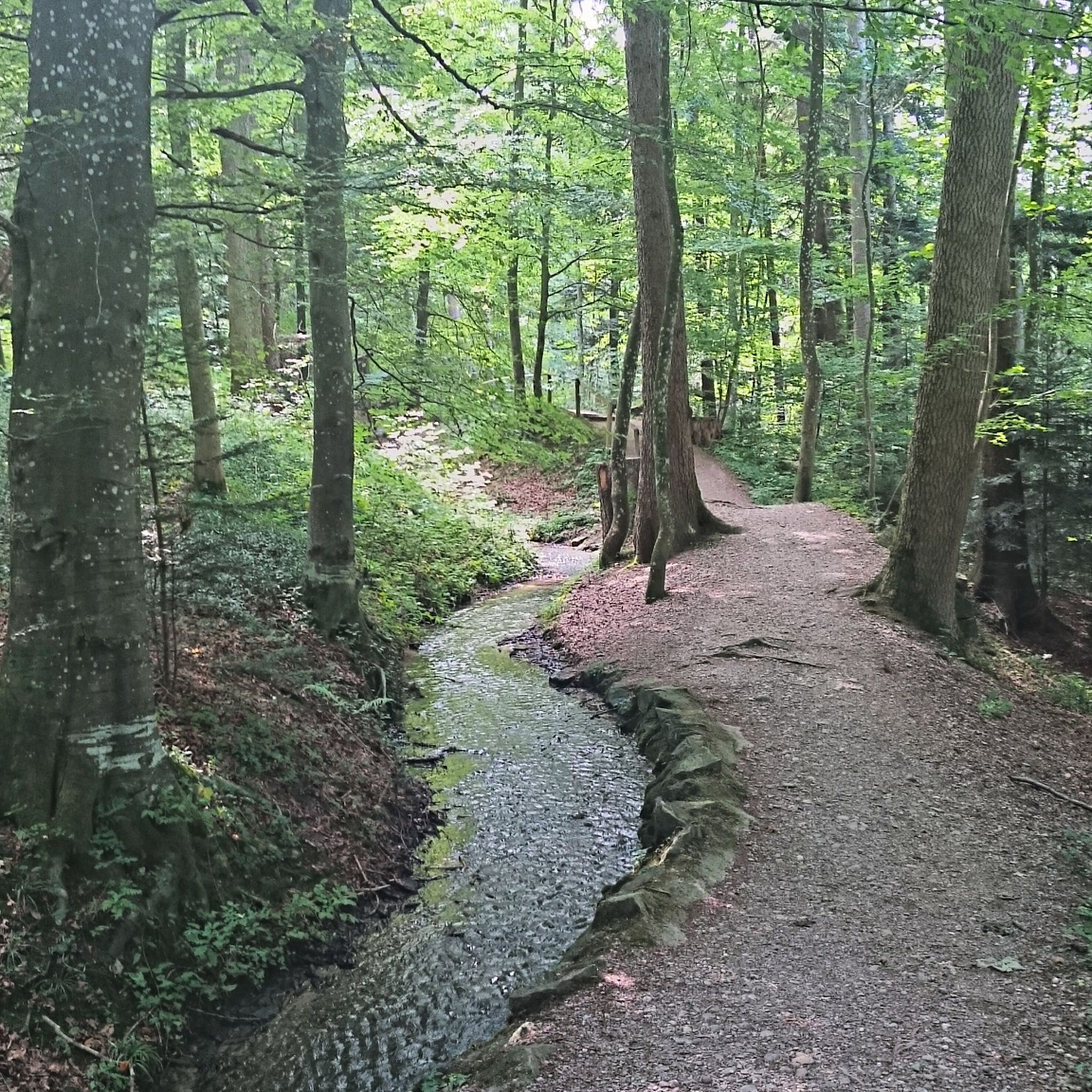
오토브렌 하이킹
오토브렌 사이클링
오토브렌 러닝 트레일
인기 있는 자전거 도로. 교통량이 적음. 아름다운 풍경.
1
0
Mindelheim's old town takes you on a journey through time through centuries-old alleys and magnificent town houses. A living history book in the open air.
1
1
Well-paved cycle path along the road between Günzach and Rohr
0
0
A quiet, undulating county road between Binnings and Günzach. Good asphalt. The source of the eastern Günz River is well signposted along the roadside.
1
0
Ottobeuren Market Square / Market Chronicle Probably none of the visitors who stay in Ottobeuren today, for a shorter or longer period of time, can imagine how this approximately 1,500-year-old, historic town was founded. When visitors arrive in Ottobeuren from all directions by private car, taxi, or bus, their first gaze is usually drawn to the mighty basilica with its monastery buildings. No one considers that the very ground they have just set foot on was once impassable terrain, moorland, swamp, and densely wooded area. Nevertheless, a man had dared to gain a foothold here, clear the forest, and establish a human settlement. What Stone Age hunters and fishers had failed to achieve much earlier—namely, to settle here—had become the life's work of a man named Uot. At the site where the market square stands today, the first giant trees soon collapsed under the axe blows of the Uot farmers. Huts were built from rough beams, livestock was raised, and fields were cultivated. Only a few huts in the middle of the forest housed the Uot clan. Uot, the Swabian, founded Ottobeuren in the 5th century. Text / Source: Ottobeuren Tourist Office, Marktplatz 14, Ottobeuren https://www.ottobeuren.de/de/marktgemeinde/rathaus/markt-chronik.php
14
0
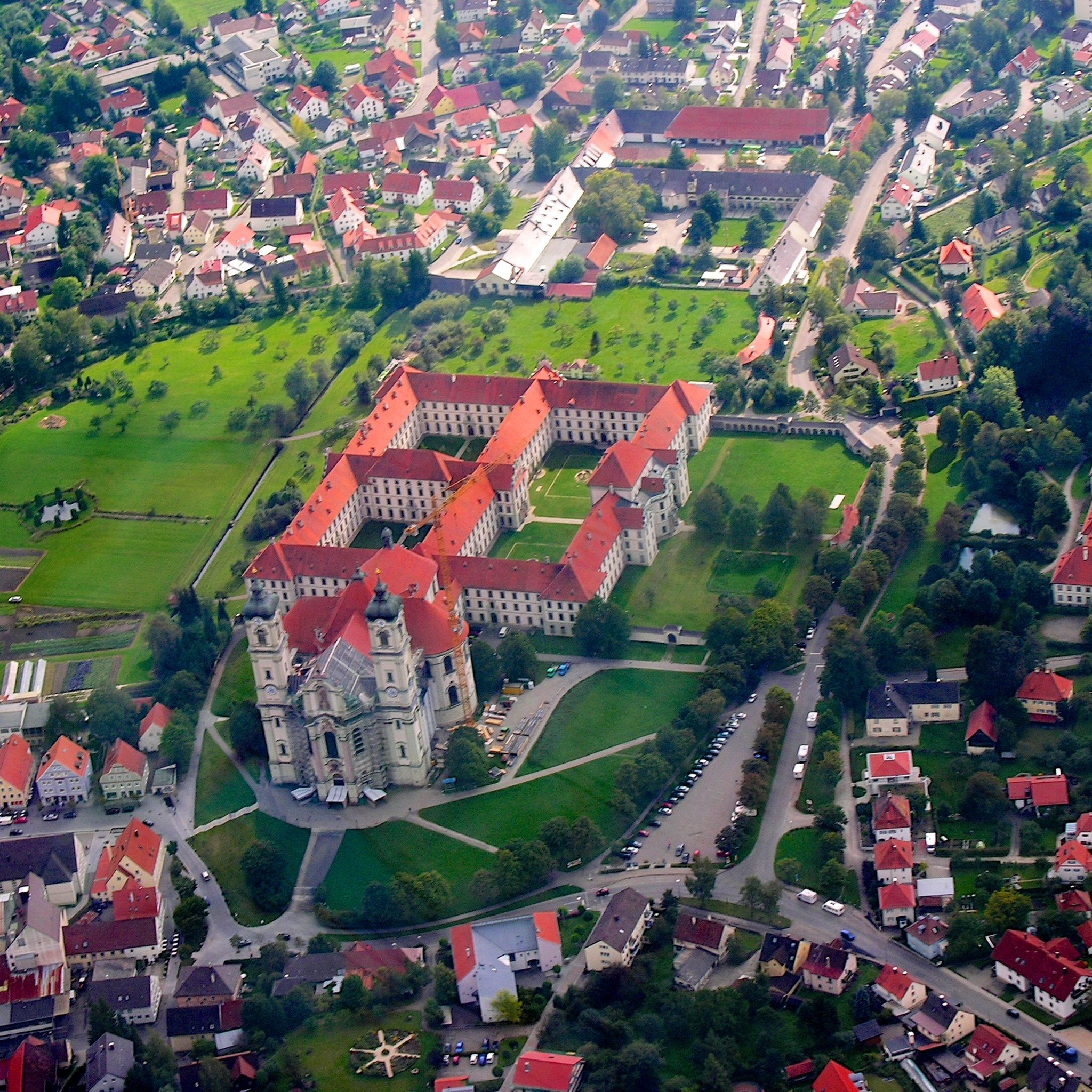
Basilica of St. Alexander and St. Theodore, Ottobeuren The magnificent basilica, dedicated to the two Roman martyrs Alexander (162) and Theodore (306), is certainly one of the most beautiful Baroque churches in southern Germany. With its two 82-meter-high onion domes, it stands on a gently rising ridge west of the market square, visible from afar above the valley of the western Günz River. Due to its dominant, free position within the entire building complex, the basilica plays an undeniable presiding role. This concept of placing the church in front of the monastery was not, however, an Ottobeuren invention. Rather, it can be traced back to the famous Swabian architectural theorist Joseph Furtenbach, who published it in 1628 in his work "Architectura Civilis" as the ideal form for a women's monastery. Other monasteries were also built according to this pattern: Kempten in 1651, Seedorf/CH in 1682, Obermarchtal in 1686, Holzen in 1696, Klosterwald in 1714, Sießen in 1716, and Fiecht/Tyrol in 1707. The foundation stone was laid on September 27, 1737, at the present main portal. During the reigns of Abbots Rupert Neß and Anselm Erb, it was built as a monastery church from 1737 to 1766 by Simpert Kraemer (until 1748) and Johann Michael Fischer. The very rich late-Bavarian furnishings include dome and ceiling frescoes and altarpieces by Johann Jakob and Franz Anton Zeiller from Tyrol, stucco figures by Johann Joseph Christian, and stucco work by Johann Michael Feuchtmayer the Younger. It boasts two widely renowned Baroque choir organs by Karl Joseph Riepp: the four-manual Trinity Organ with 47 stops and the two-manual Holy Spirit Organ with 27 stops, both with a French sound. The choir stalls are by Martin Hermann (carpentry) and Johann Joseph Christian (reliefs). The focal point of the church is the Romanesque crucifix (ca. 1220). The church's unusual north-south orientation is due to its location within the overall complex, whose floor plan is in the shape of a cross. In 1926, the monastery church was elevated to a Papal Basilica/Basilica Minor by Pope Pius XI. Text / Source: Benedictine Abbey of Ottobeuren, Sebastian-Kneipp-Str. 1, Ottobeuren https://www.abtei-ottobeuren.de/content/klosteranlage/die-basilika/
14
0
Beautiful, late baroque basilica. Take your time. There are thousands of pictures and figures to discover. 😍🥰👍
8
0
다른 지역의 최고의 로드 사이클링 경로를 살펴보세요.