20의 바머 발트가지 명소 & 주요 장소
바머 발트에는 둘러볼 만한 장소가 많답니다. 하이킹 또는 사이클링을 좋아한다면 바머 발트에 숨겨진 20
가지 보석을 만날 수 있을 거예요. 이 지역의 주요 명소를 살펴보면서 다음 모험을 계획해보세요.
마지막 업데이트: 8월 30, 2026

포어베르크파크 진달래 정원
하이라이트 • 자연 기념물
번역자 Google •
팁에 의해

이런 장소를 발견하려면 지금 가입하세요
최고의 싱글 트랙, 봉우리 및 다양한 흥미로운 야외 장소에 대한 추천을 받아보세요.

무르멜바흐테이히 헤킹하우젠
하이라이트 • 호수
번역자 Google •
팁에 의해

야훈더트플라츠(센테너리 스퀘어) 바르멘
하이라이트 • 기념물
A nice place to stay.
번역자 Google •
팁에 의해

무료로 가입하여 바머 발트 주변의 더 많은 명소를 발견하세요.
이미 komoot 계정이 있나요?
오늘 무료 계정으로 시작하세요
다음 모험이 기다리고 있어요.

커뮤니티 팁


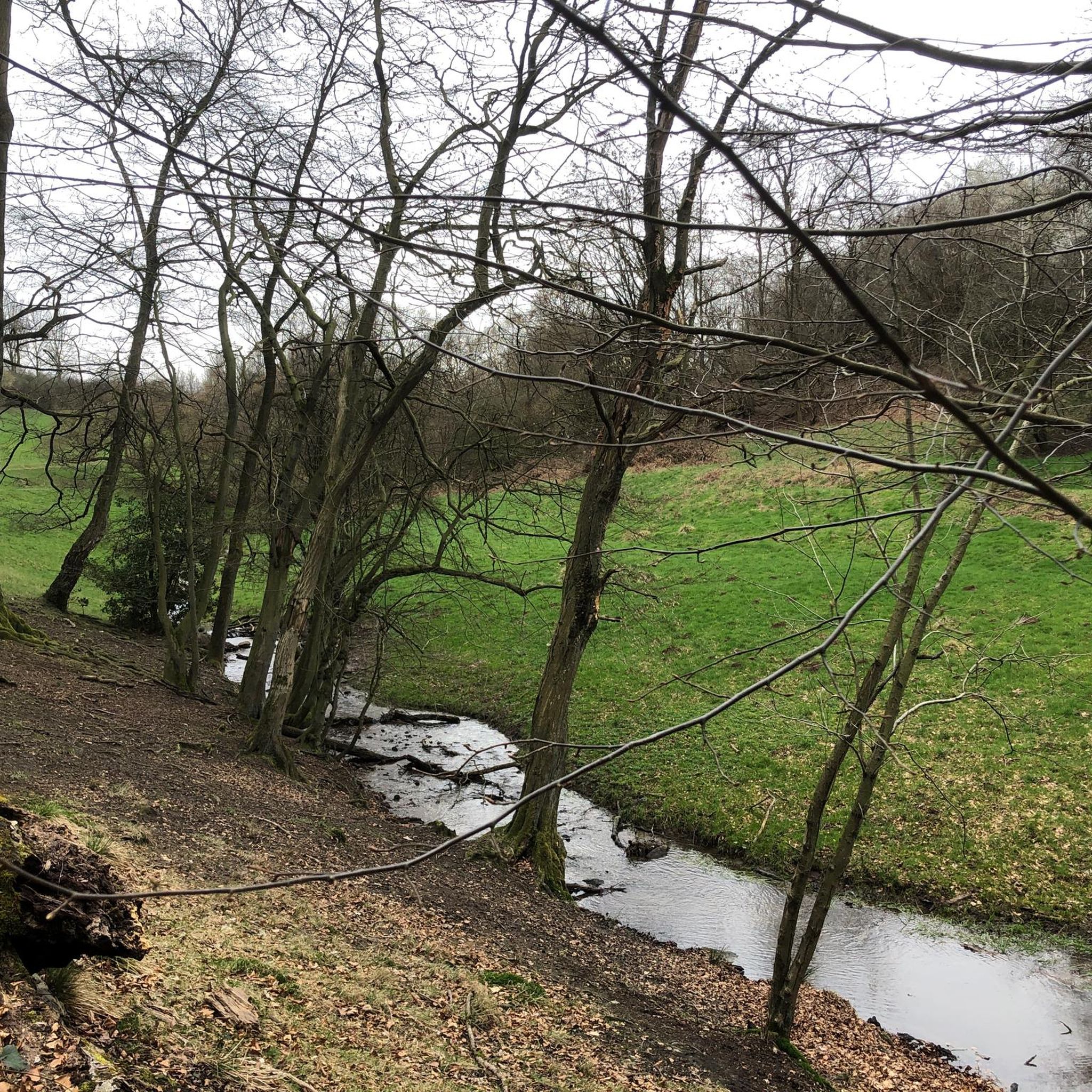
"The Murmelbach, also Marper Bach, is a stream in the Wuppertal district of Barmen. After 3.6 kilometers it flows into the Wupper at the Heckinghauser toll bridge. In the Middle Ages, the stream was the boundary between the parishes of Schwelm and Lüttringhausen. Politically, he separated the Bornefeld office from the Electorate of Cologne and, from 1324, the March judicial district of Schwelm. After the annexation of all of Barmen by the Bergisch counts as a result of the Bergisch-Märkisch conflict (1397 to after 1400), the stream lost its long-standing border function, since the areas on both sides were combined in the Bergisch Amt of Beyenburg from 1407. The Barmen line of the Bergische Landwehr crossed the Murmelbach west of the pilgrim home." FURTHER INFORMATION: https://de.wikipedia.org/wiki/Murmelbach_(Wupper)
3
1

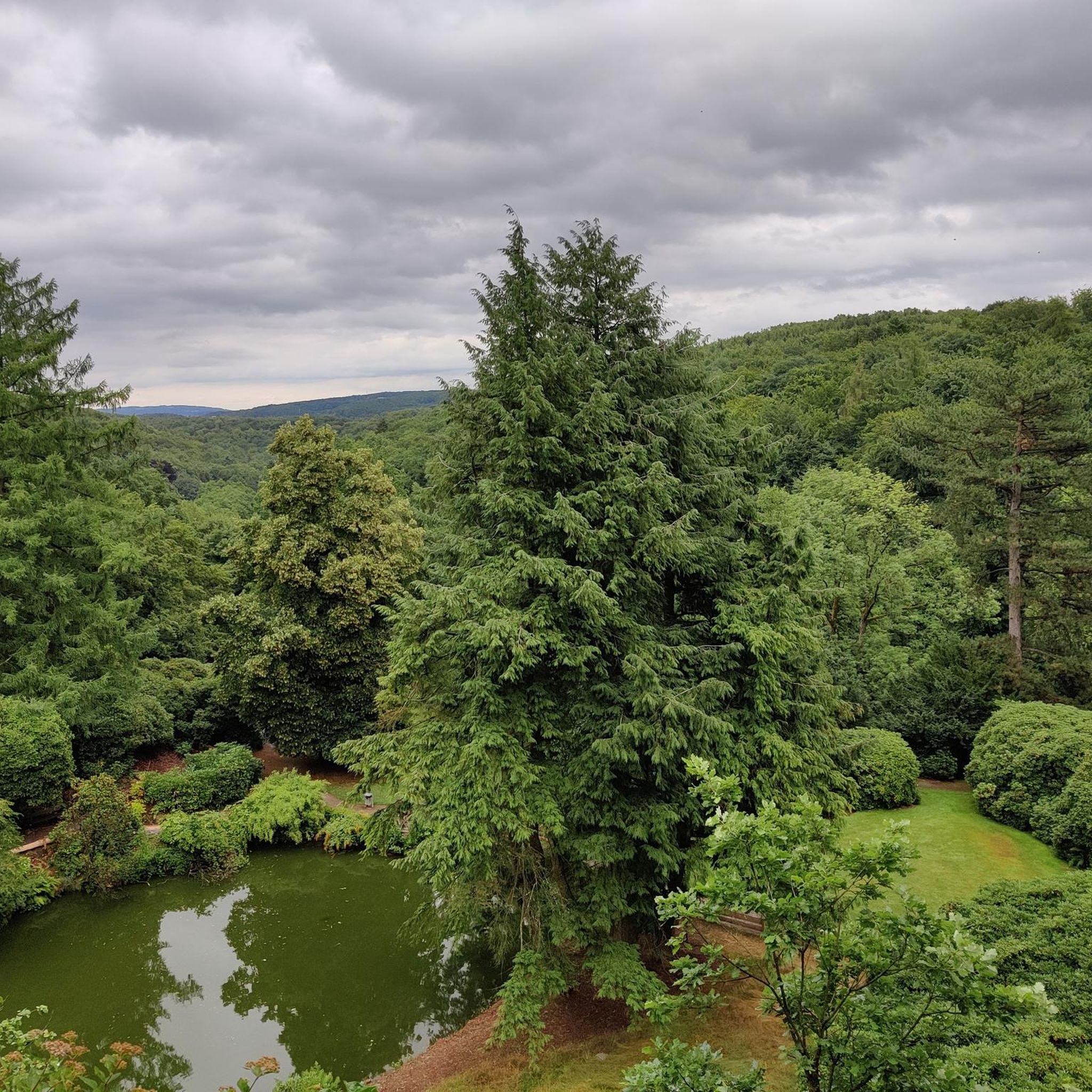
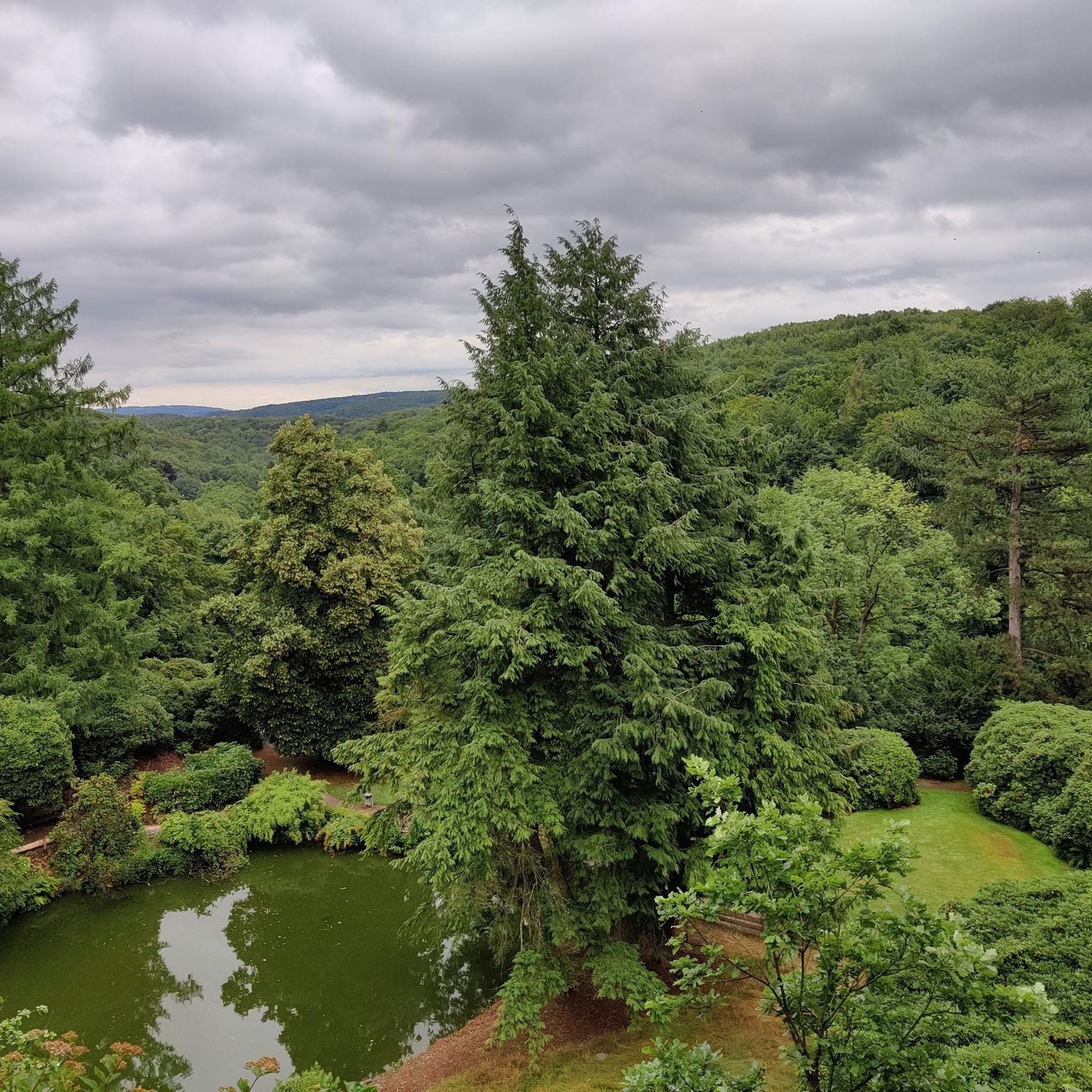
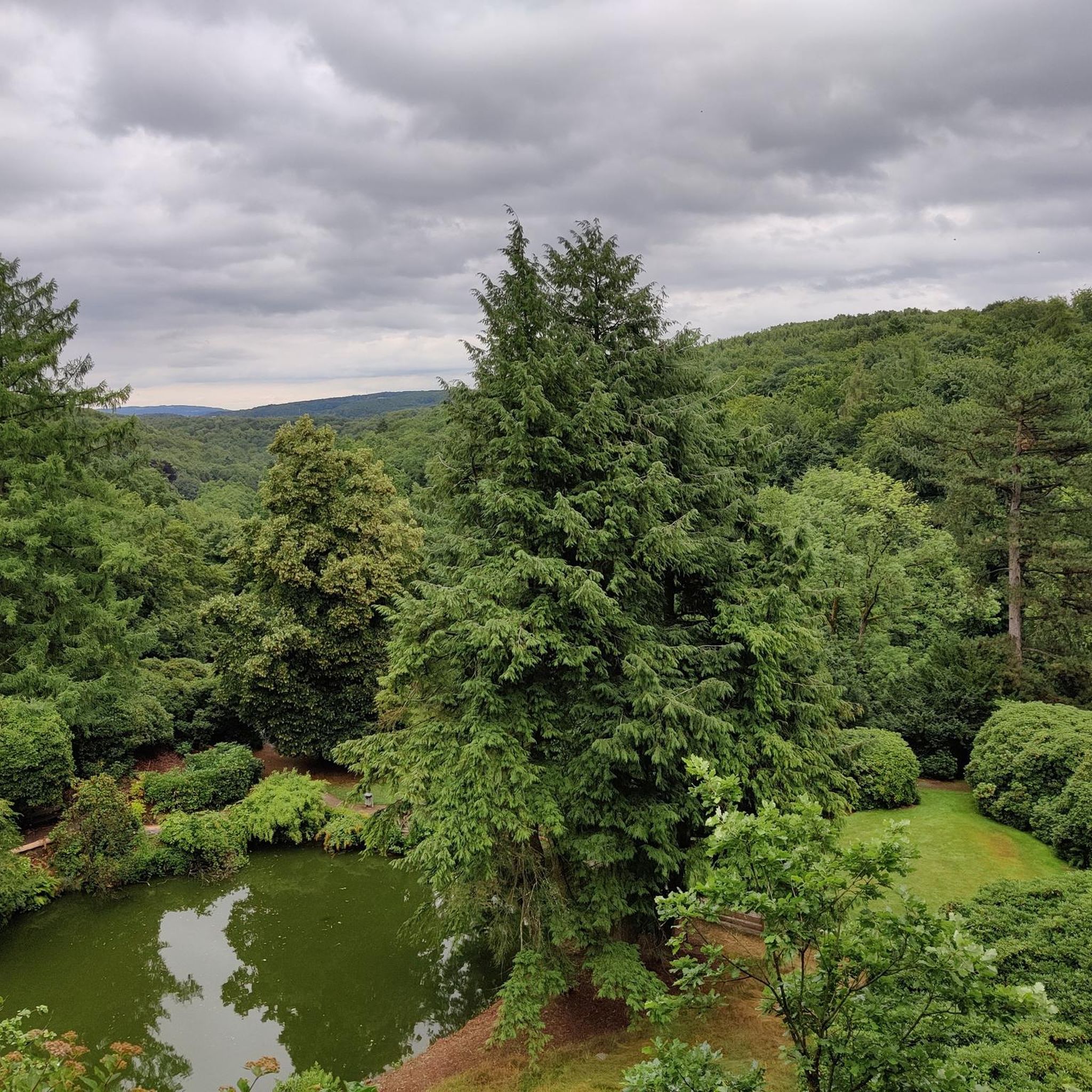
The Vorwerkpark was founded in 1907 by the Adolf Vorwerk family and has been open to the public since 2001. A 5.8 hectare area with a pond and large meadows with flowers and trees on steep slopes.
6
0

Das ca. 16 ha große NSG Murmelbachtal ist ein durch einen etwa 2 km langen Abschnitt des Murmelbachtales geprägtes Kerbtal, das vergleichsweise stark vom Menschen überprägt ist. Zu den in vergleichbaren Mittelgebirgsbachtälern üblichen Nutzungen des Fließgewässers mit Aufstau zu Hammer- und Fischteichen, die alle im Hauptschluss des Murmelbaches liegen, und Grünlandnutzung von Talhängen und Bachauen kommen im Gebiet großflächige park- und gartenartige Prägung von Gehölzflächen, verbunden z. T. mit Ziergehölz-Pflanzungen (u.a. Rhododendron), jedoch auch wertvollen, markanten Einzelbäumen, u. a. Flatterulme und Esche. Die Hainbuche ist im Gebiet überdurchschnittlich häufig. Wertvolle standorttypische Waldgesellschaften wie naturnaher Buchenwald und Eichen-Birkenwald sind in kleineren Flächenanteilen vorhanden. In der Krautschicht sind Brombeeren häufig vertreten. Hervorzuhebende Biotope von besonderem Wert sind vor allem das über weite Strecken naturnahe Fließgewässer mit besonders im Unterlauf teilweise ausgeprägter Bachaue mit krautreichem Auwald und älteren bachbegleitenden Fahlweiden am Bachoberlauf. Ferner größere Magerweidenbereiche, die teilweise quellig durchsickert sind und wertvolle Pflanzenbestände aufweisen sowie vielerorts von naturnahen Weißdornhecken und -einzelgebüschen gesäumt sind. Weiterhin kleinflächige Röhricht- und Hochstaudenvegetation auf ehemaligen Teichflächen mit Arten wie Schlank-Segge und Mädesüß. Stellenweise treten im Gebiet Neophyten wie u.a. Japan-Staudenknöterich stärker in Erscheinung. Die Teiche sind als wertvolle Laichplätze des Grasfrosches hervorzuheben. Ein Vorkommen der Geburtshelferkröte ist wahrscheinlich erloschen. Als Entwicklungsziele für das Gebiet sind vor allem der Erhalt und die Wiederherstellung der Mager- und Feuchtgrünlandflächen durch geeignete Nutzung und Pflege einschließlich der naturnahen Hecken, die turnusmäßig zu pflegen sind, die Entwicklung standortgerechter Waldbestände durch Entnahme standortfremder Gehölze sowie auch die Rückdrängung flächiger Neophytenbestände zu nennen. Besonders erhaltenswert sind auch die stehenden Gewässer des Gebietes. Quelle: http://nsg.naturschutzinformationen.nrw.de/nsg/de/fachinfo/gebiete/gesamt/W-004
6
0

The tower offers a remarkable view in the distance when the weather is suitable. Between Nützenberg (Weyerbuschturm) and Königshöhe (Von-der-Heydt-Turm) you can look west to the Rhine. In the north, the viewer is the valley with the Wupper and the suspension railway at your feet, in addition, the northern elevations, in the east Langerfeld and parts of Westphalia and in the south Remscheid and Radevormwald. The Toelleturm is owned by the Barmer Beautification Association and is open on Sundays and public holidays when the weather is nice (source Wikipedia).
4
0
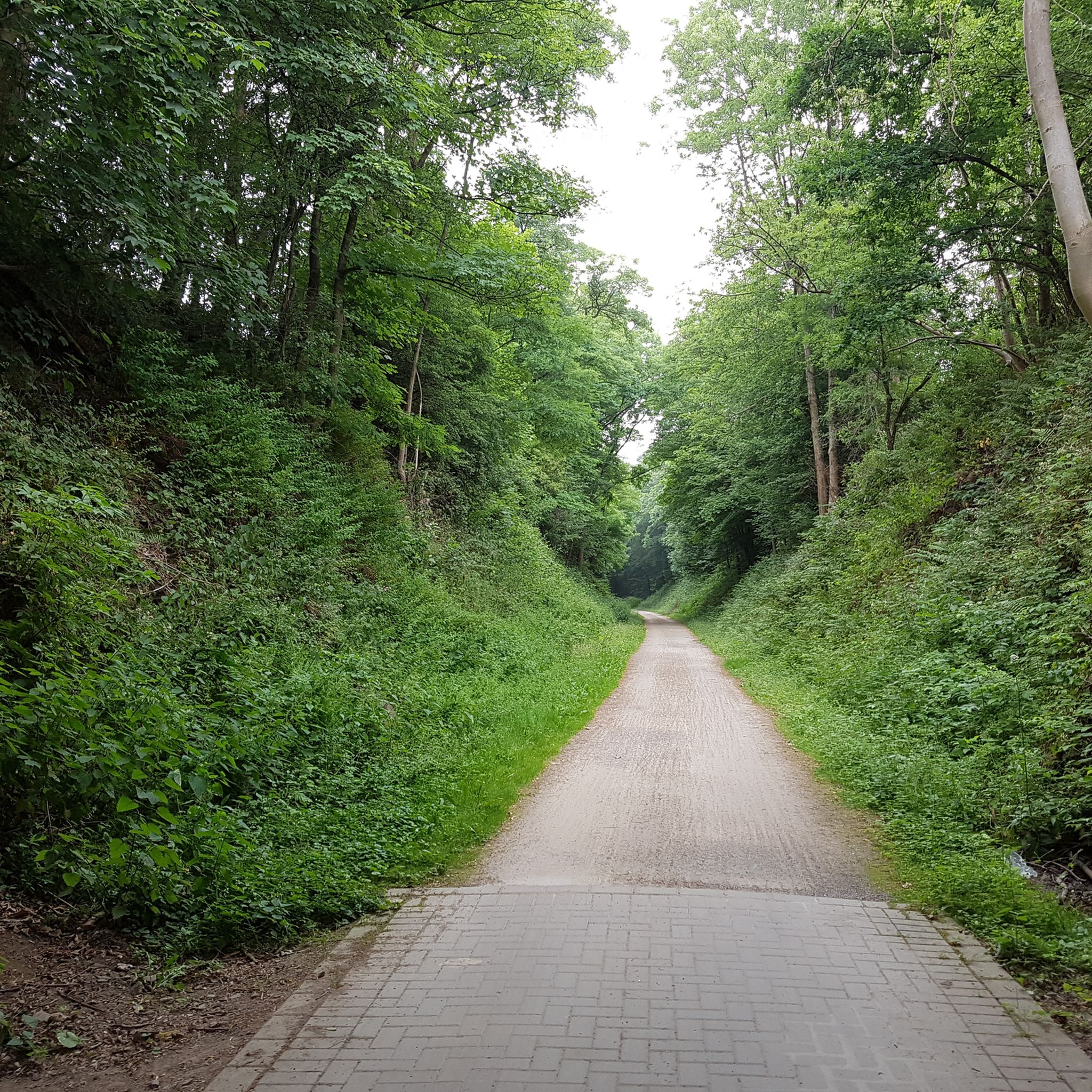
The approximately 3.6 km long Murmelbach, also called Marper Bach, rises at 287 altitude in the old Marpe farm near Lichtscheid on the edge of the former training area Scharpenacken. Shortly after its source, it is dammed in a chain of ponds, some of which are part of the Vorwerk Park. It flows on the edge of the Barmer plants through the Murmelbachtal, gives the old pilgrim's home Murmelbachtal its name at the foot of the Scharpenacker mountain and disappears shortly afterwards in an approx. 800 m long doldrums in which it crosses the Wuppertal district of Heckinghausen. At the Heckinghauser Zollbrücke it flows into the Wupper, only stepping once more to the surface. From its source to the last reservoir, the stream is designated as a nature reserve with an area of 16 hectares. Protection took place for the preservation and development of communities and habitats of wild plants and wild animal species to maintain the ponds and the natural stream because of its importance for amphibians, water birds, butterflies and reptiles, because of its well-developed plant communities because of the well-developed biotope complex because of the valuable alluvial forest and the valuable Bachaue In the long term, it is planned to redesign the entire Murmelbach in a natural way, to dismantle the pipework and to drain the artificially created ponds. Because the continuity of the Murmelbach is of great importance for the structure of the water and the flora and fauna. Source: http://www.wuppertals-gruene-anlagen.de/naturerlebnisse/murmelbachtal/
5
0
The tower offers a remarkable view in the distance when the weather is suitable. Between Nützenberg (Weyerbuschturm) and Königshöhe (Von-der-Heydt-Turm) you can look west to the Rhine. In the north, the viewer is the valley with the Wupper and the suspension railway at your feet, in addition, the northern elevations, in the east Langerfeld and parts of Westphalia and in the south Remscheid and Radevormwald can be seen. The Toelleturm is owned by the Barmer Beautification Association and is open on Sundays and public holidays when the weather is nice. Source: https://de.wikipedia.org/wiki/Toelleturm
4
0
바머 발트 주변에서 가장 인기 있는 명소


더 살펴보기
찾고 있는 하이라이트를 아직 못 찾으셨나요? 다른 지역의 주요 명소 가이드를 확인해보세요:
