뉘벨 최고의 라이딩 경로
4.6
(246)
3,463
자전거 타는 사람
366
라이딩
로드 사이클링은 독일 슐레스비히-홀슈타인주 앙겔른 지역에 위치한 뉠벨(Nübel) 주변에서 다양한 풍경을 제공합니다. 이 지역은 완만하게 구불구불한 언덕, 슐라이 피오르드를 따라 펼쳐진 해안 구간, 내륙의 모레인 지형이 특징입니다. 사이클리스트들은 평지 구간과 완만한 경사를 포함한 다양한 지형을 예상할 수 있으며, 종종 황무지, 히스, 초원을 가로지르는 조용한 포장 도로를 달리게 됩니다. 이 지역에는 숲과 습지도 포함되어 있어 로드 사이클리스트들에게 다채로운 경관을 선사합니다.
뉠벨 주변 최고의 로드 사이클링 코스
- 가장 인기 있는 로드 사이클링 코스는 슐라이 강 전망 – 슐레스비히 출발 슐라이 강 전망…
마지막 업데이트: 10월 9, 2026
38
자전거 타는 사람
66.1km
02:41
290m
290m
보통 도로 자전거 타기. 좋은 체력 필요. 투어 중 라이딩하기 어려운 비포장 구간이 있을 수 있음.
14
자전거 타는 사람
25.4km
01:07
80m
80m
초급용 로드 라이딩. 모든 체력 수준에 적합. 지면 대부분이 잘 포장되어 있고 라이딩하기 쉬움.

4.5
(2)
10
자전거 타는 사람
49.6km
02:09
230m
230m
보통 도로 자전거 타기. 좋은 체력 필요. 지면 대부분이 잘 포장되어 있고 라이딩하기 쉬움.
13
자전거 타는 사람
26.3km
01:07
120m
120m
초급용 로드 라이딩. 모든 체력 수준에 적합. 지면 대부분이 잘 포장되어 있고 라이딩하기 쉬움.
6
자전거 타는 사람
38.2km
01:38
170m
170m
초급용 로드 라이딩. 모든 체력 수준에 적합. 지면 대부분이 잘 포장되어 있고 라이딩하기 쉬움.
더 다양한 경로와 다른 탐험가들의 추천을 살펴보세요.
이미 komoot 계정이 있나요?
투어 추천은 다른 사람들이 komoot에서 완료한 수천 개의 활동을 바탕으로 구성되어 있습니다.
오늘 무료 계정으로 시작하세요
다음 모험이 기다리고 있어요.
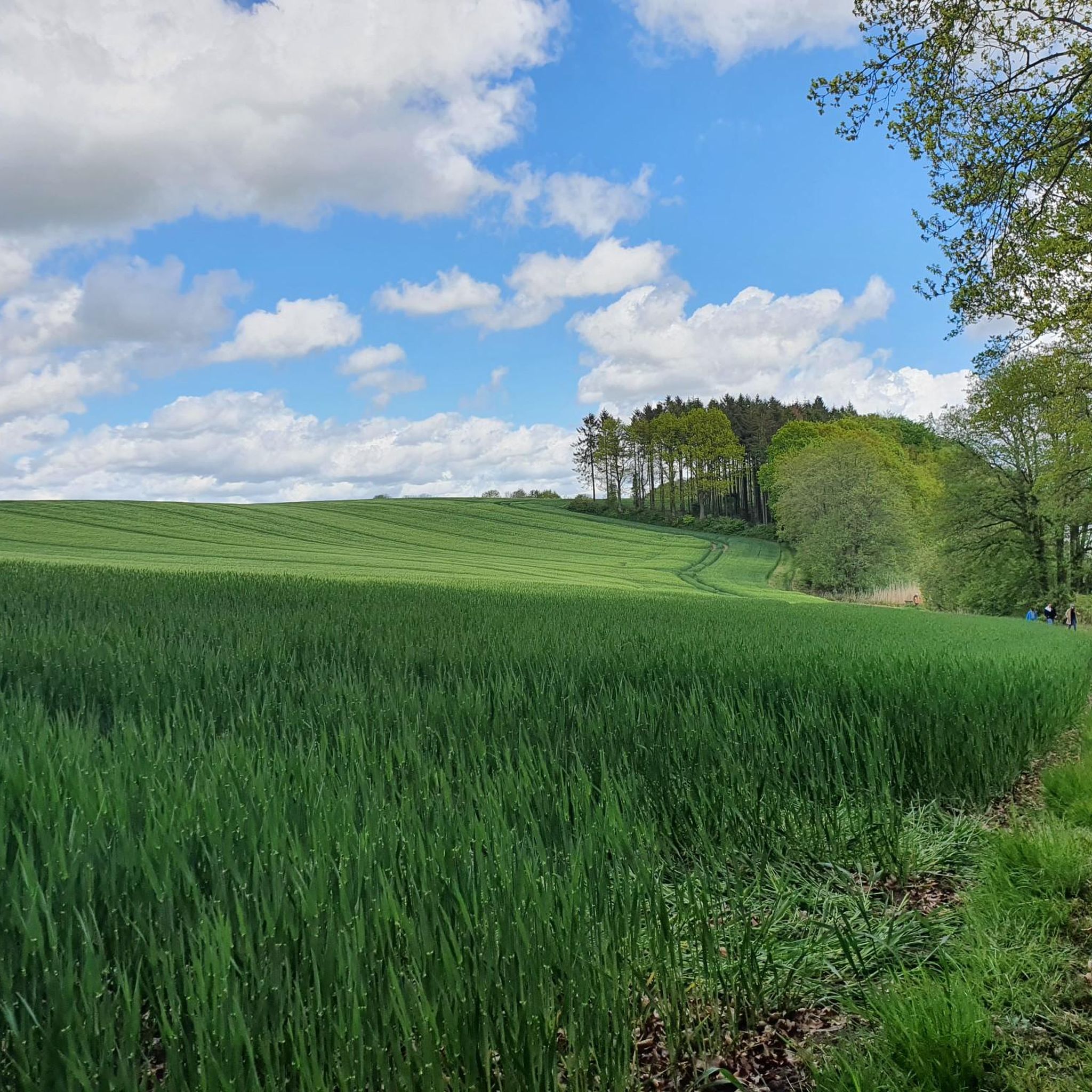
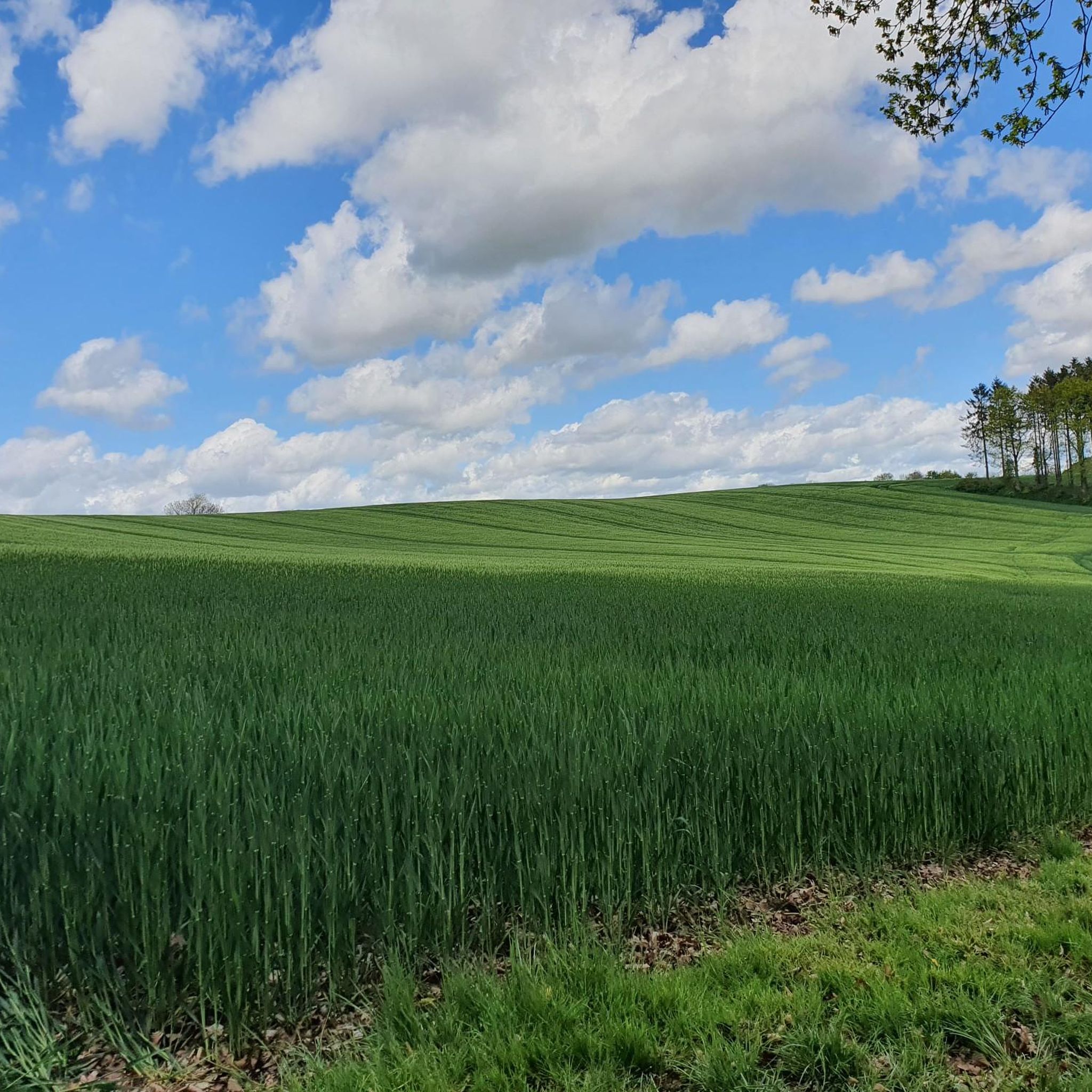
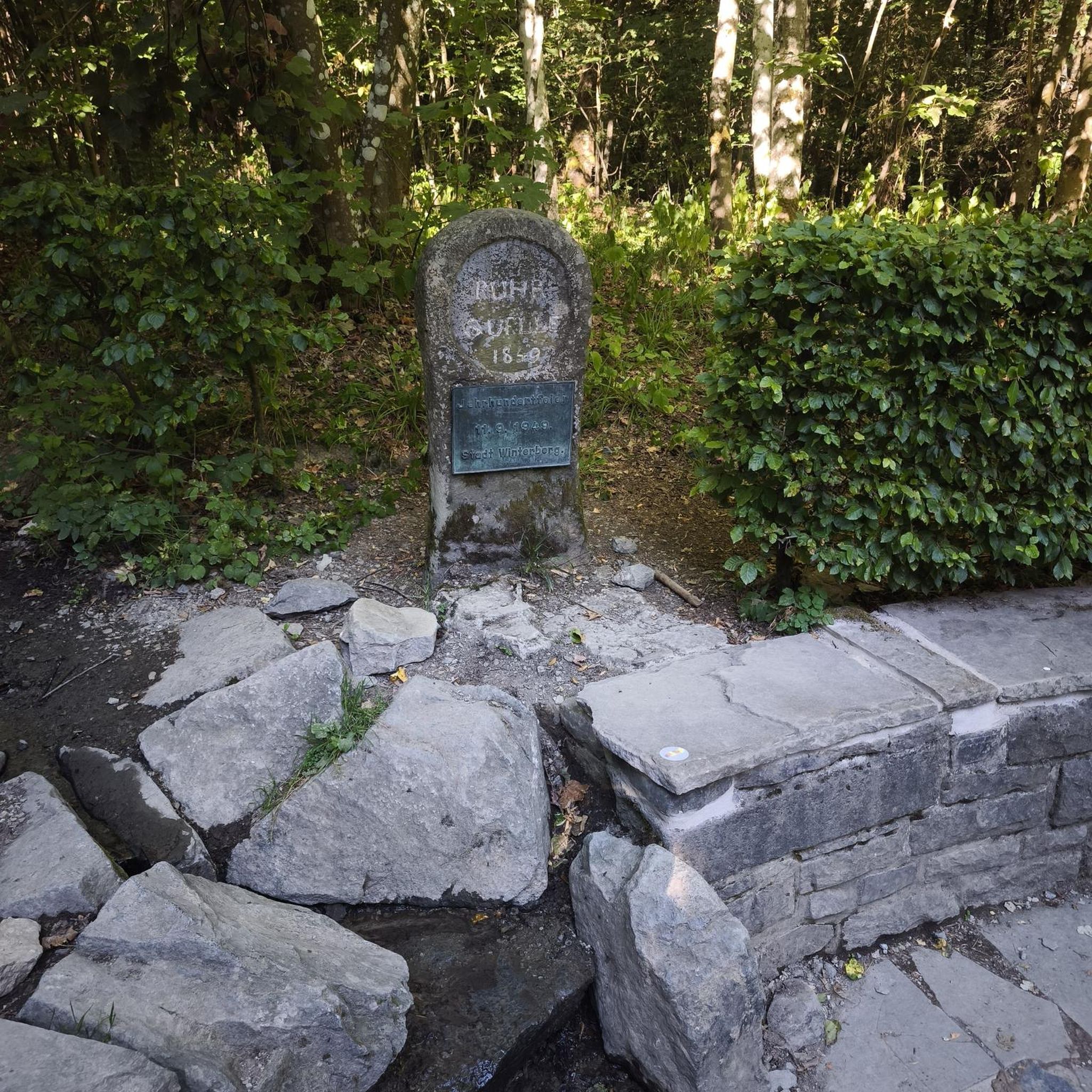
커뮤니티 팁


This incline and the one curve that could be interpreted as a serpentine immediately give you that Alpine feeling 😄
0
0

The giant in Ulsnis is a landmark that is in very good condition, and there is also a bench here for a break 👍
3
0

이 성에는 슐레스비히-홀슈타인에서 가장 중요한 박물관들이 있으며 다양한 문화 행사가 열립니다. (현대 예술가들의 작품 포함) 정기적으로 바뀌는 전시회 외에도, 마당에서 불규칙적으로 연극 공연과 콘서트가 열립니다. 방문객들은 전체 지역과 많은 내부 공간을 이용할 수 있습니다. 성의 원래 가구 중 일부는 보존되어 있으며 박물관 투어의 일부로 볼 수 있습니다. 특히 1591년에 지어진 축제의 사슴 홀과 2층짜리 르네상스 예배당은 주목할 만합니다. 이 성은 슐레스비히-홀슈타인에서 가장 중요한 세속 건물로 간주됩니다.
15
2
At the beginning of 1945, more and more refugees from the eastern territories of the German Reich arrived in Schleswig, their number rising to almost 18,000 by the summer. Gottorf, like many of the country's residences, was used as a temporary reception camp, and several hundred refugees were housed in the castle.[31] In the post-war period, the entire complex was made available to the Schleswig-Holstein State Museums from 1948 onwards.
15
2
After the war of 1848, the Danes first set up a hospital and then a barracks in the castle,[22] in order to be able to operate more effectively against the insurgents in Schleswig-Holstein. The building was adapted to the new needs, and the interior lost much of its once significant furnishings. The former state rooms and ducal apartments were converted into dormitories and dining rooms. The outbuildings were demolished and replaced by extensive stables, and the defensive structures were demolished. Gottorf remained a barracks[22] when it fell to Prussia in 1867 as a result of the Second Schleswig War, and it retained this function until 1945.
15
2
Subsequently, Gottorf became the center of power of the Dukes of Schleswig and was repeatedly at the center of political conflicts. In 1283, the young Duke Waldemar IV of Schleswig was imprisoned in the castle for a time by the Danish King Eric V. In 1329, Gottorf was besieged for the first time (unsuccessfully) by a coalition of Jutland nobles in their fight against Count Gerhard III of Holstein, who had served as Duke for several years.[6] In June 1340, the castle was transferred as a pledge into the permanent possession of the Counts of Holstein from the House of Schauenburg,[7] who resided in Gottorf until their extinction in 1459. Initially as counts, after Count Gerhard VI was invested with the duchy by the Danish regent Margaret I in 1386[8], then formally again as dukes.[9]
15
2
After the Schleswig bishop Niels II was captured during the Battle of Lohheide in 1261, Gottorf became the property of Duke Eric I of Schleswig. In return, the bishops received lands on the lower reaches of the Treene, where the episcopal castle of Schwabstedt was built a short time later.[4] It was only the duke, as the contemporary annals of the Rude monastery report, who had a new castle built "at great expense", which replaced the older ducal castle on the Möweninsel in the Schlei.
16
2
뉘벨 주변에서 가장 인기 있는 명소


더 살펴보기
다른 지역의 최고의 로드 사이클링 경로를 살펴보세요.
