11의 동크미어가지 명소 & 주요 장소
동크미어에는 둘러볼 만한 장소가 많답니다. 하이킹 또는 사이클링을 좋아한다면 동크미어에 숨겨진 11
가지 보석을 만날 수 있을 거예요. 이 지역의 주요 명소를 살펴보면서 다음 모험을 계획해보세요.
마지막 업데이트: 10월 23, 2026

돈크메르의 오리덫과 관리인 집
하이라이트 • 역사적 장소
번역자 Google •
팁에 의해

이런 장소를 발견하려면 지금 가입하세요
최고의 싱글 트랙, 봉우리 및 다양한 흥미로운 야외 장소에 대한 추천을 받아보세요.
돈크메어의 토탄 채취자 동상
하이라이트 • 기념물
번역자 Google •
팁에 의해

돈크메어 자연보호구역의 왜가리 번식지
하이라이트 • 자연
번역자 Google •
팁에 의해
무료로 가입하여 동크미어 주변의 더 많은 명소를 발견하세요.
이미 komoot 계정이 있나요?
오늘 무료 계정으로 시작하세요
다음 모험이 기다리고 있어요.


커뮤니티 팁

Besides herons, you can spot many other (water) birds there. We saw herons, ducks, moorhens, storks, pheasants, and many more.
0
0

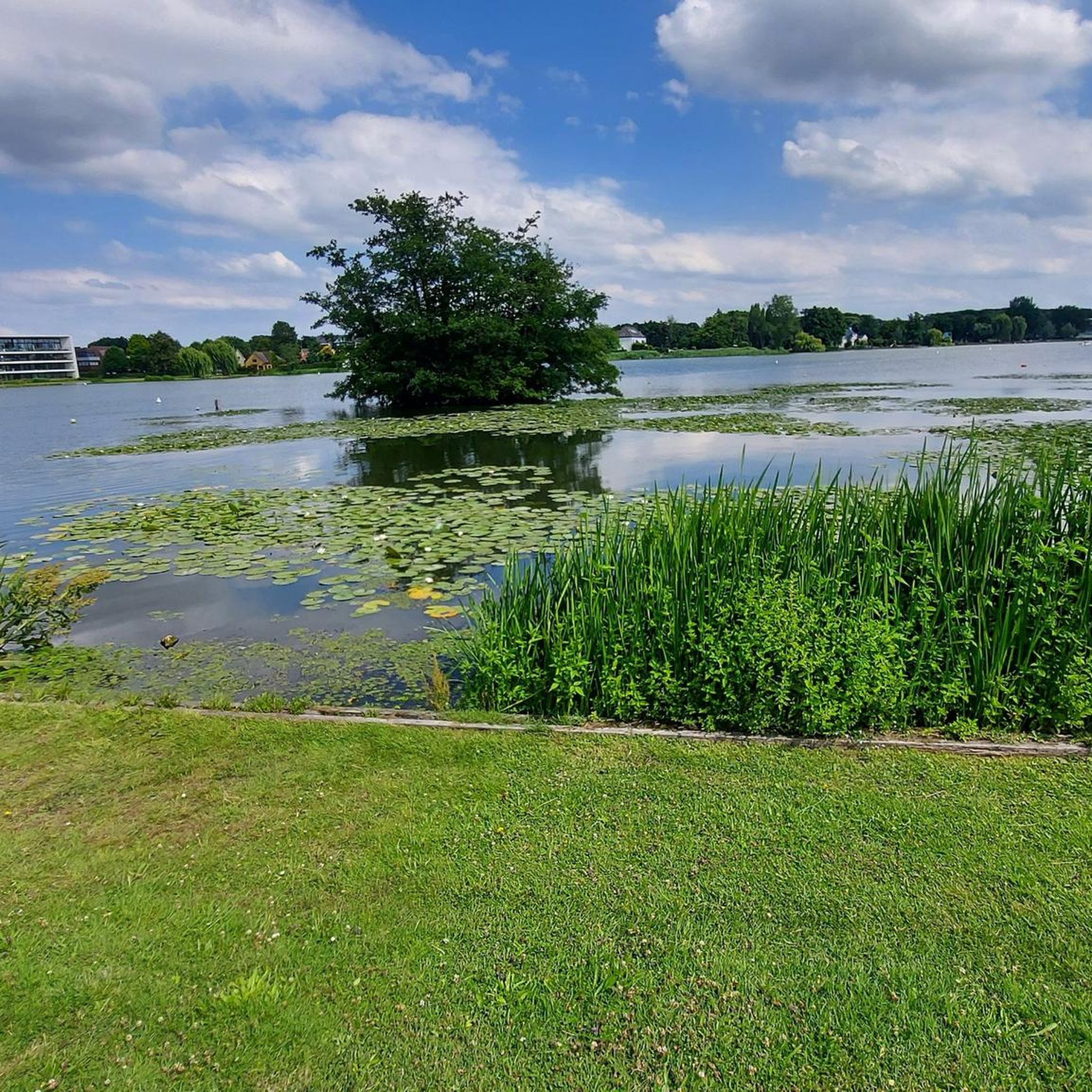
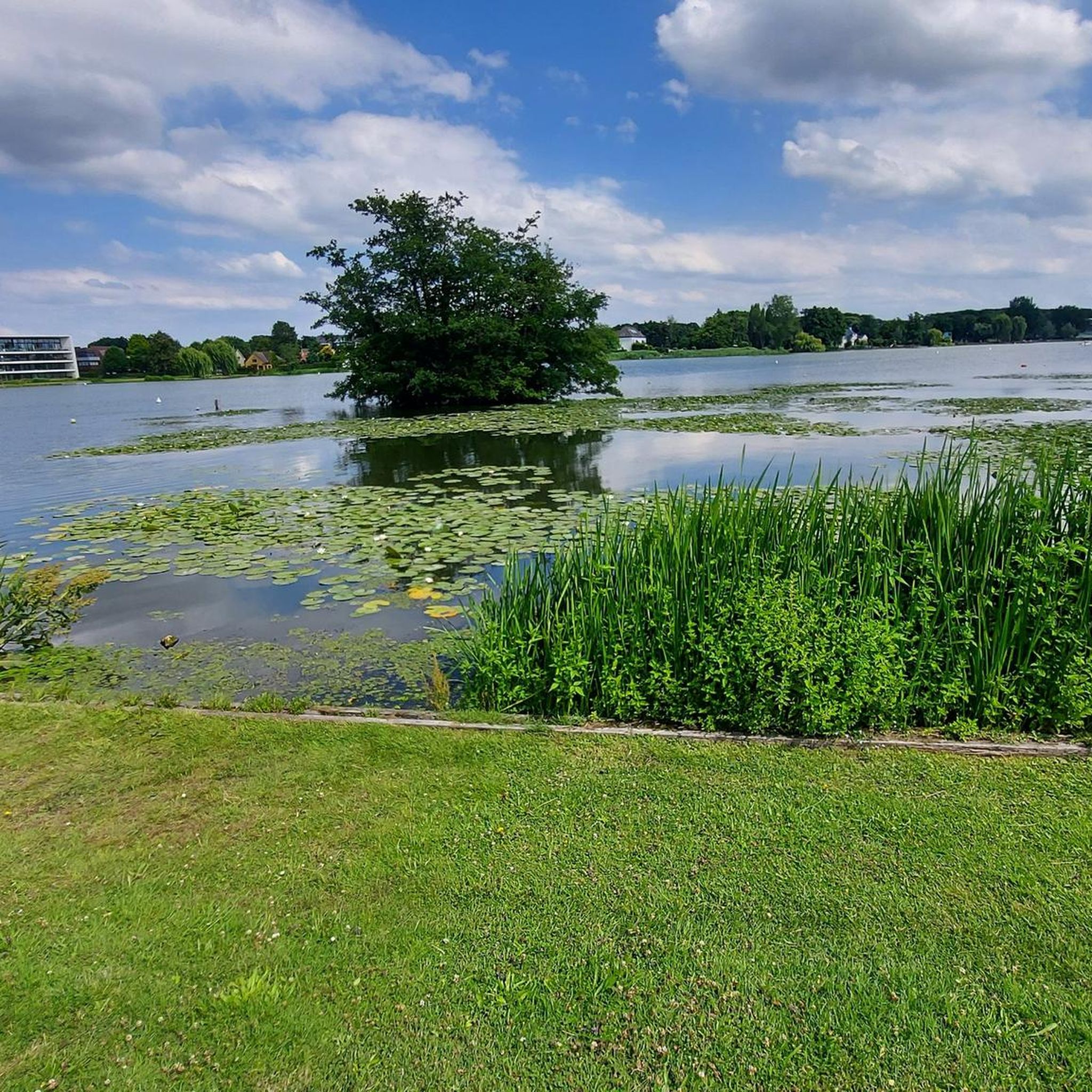
Overmere에 있는 돈크미어 호수는 단순한 그림 같은 수면이 아닙니다. 그것은 수 세기에 걸친 노동과 인간의 끈기를 말없이 증언하는 곳입니다. 한때 이곳은 광대한 이탄 지대였으며, 연료로 사용되는 건조 이탄인 토탄을 손으로 잘라냈습니다. 토탄 채취는 풍경을 형성했습니다. 토탄이 제거된 곳에 깊은 구덩이가 생겨났고, 이 구덩이는 나중에 물로 채워져 돈크미어 호수가 형성되었습니다. 호숫가에는 이 일을 한 사람들에게 바치는 강력한 헌사인 청동 토탄 채취상 조각상이 서 있습니다. 미셸 펠레만이 만든 이 조각상은 토탄 채취상이 일하는 모습, 즉 단순한 옷차림과 도구를 갖추고 작업에 몰두하는 모습을 묘사합니다. 그것은 토탄이 가장 중요한 난방 수단이었고, 노동자들이 빈약한 임금을 받기 위해 매일 힘든 노동을 했던 시대를 상기시켜 줍니다. 그들이 호수 주변의 단순한 오두막에서 사는 동안, 그들의 상사들은 토탄 무역으로 큰 돈을 벌었습니다.
6
0
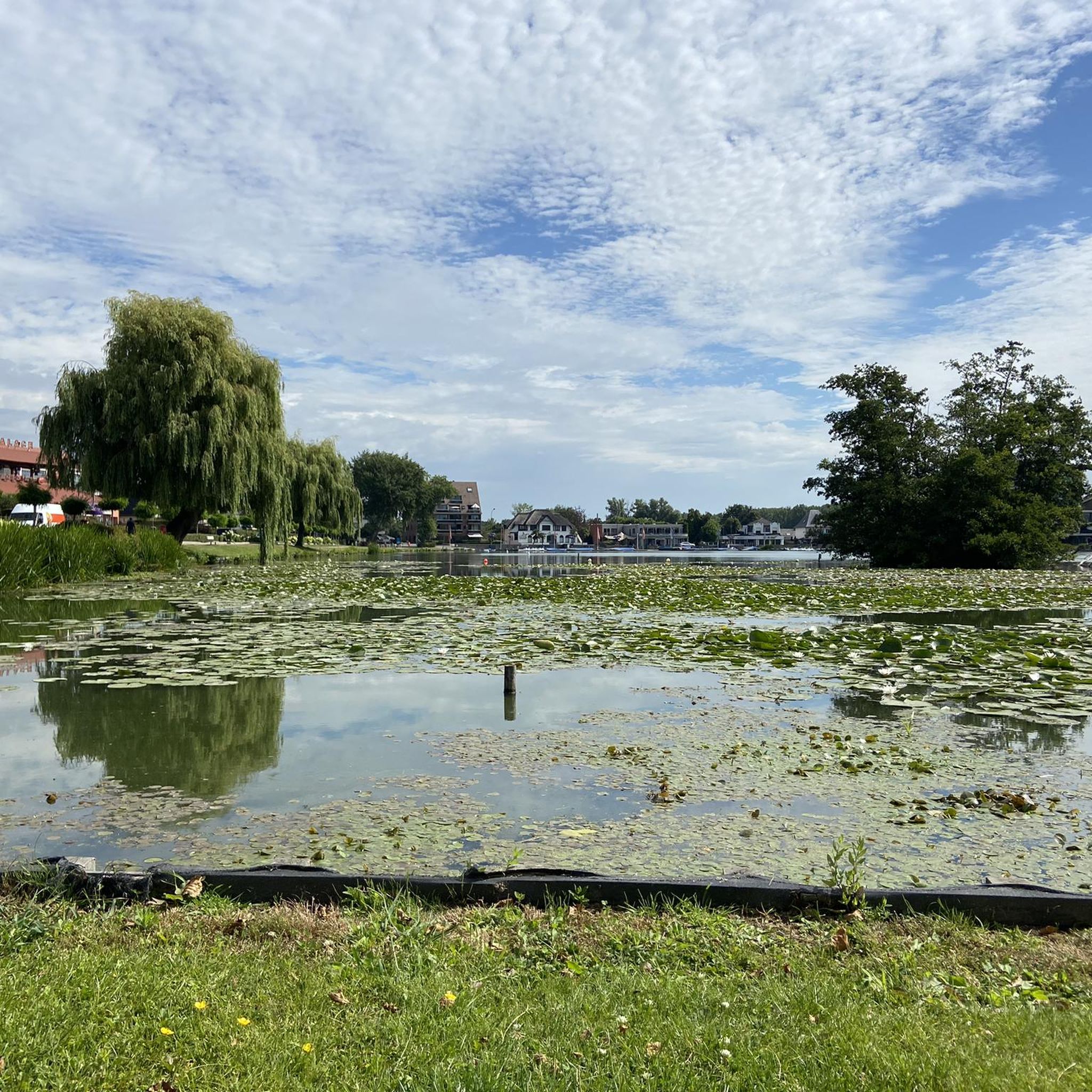
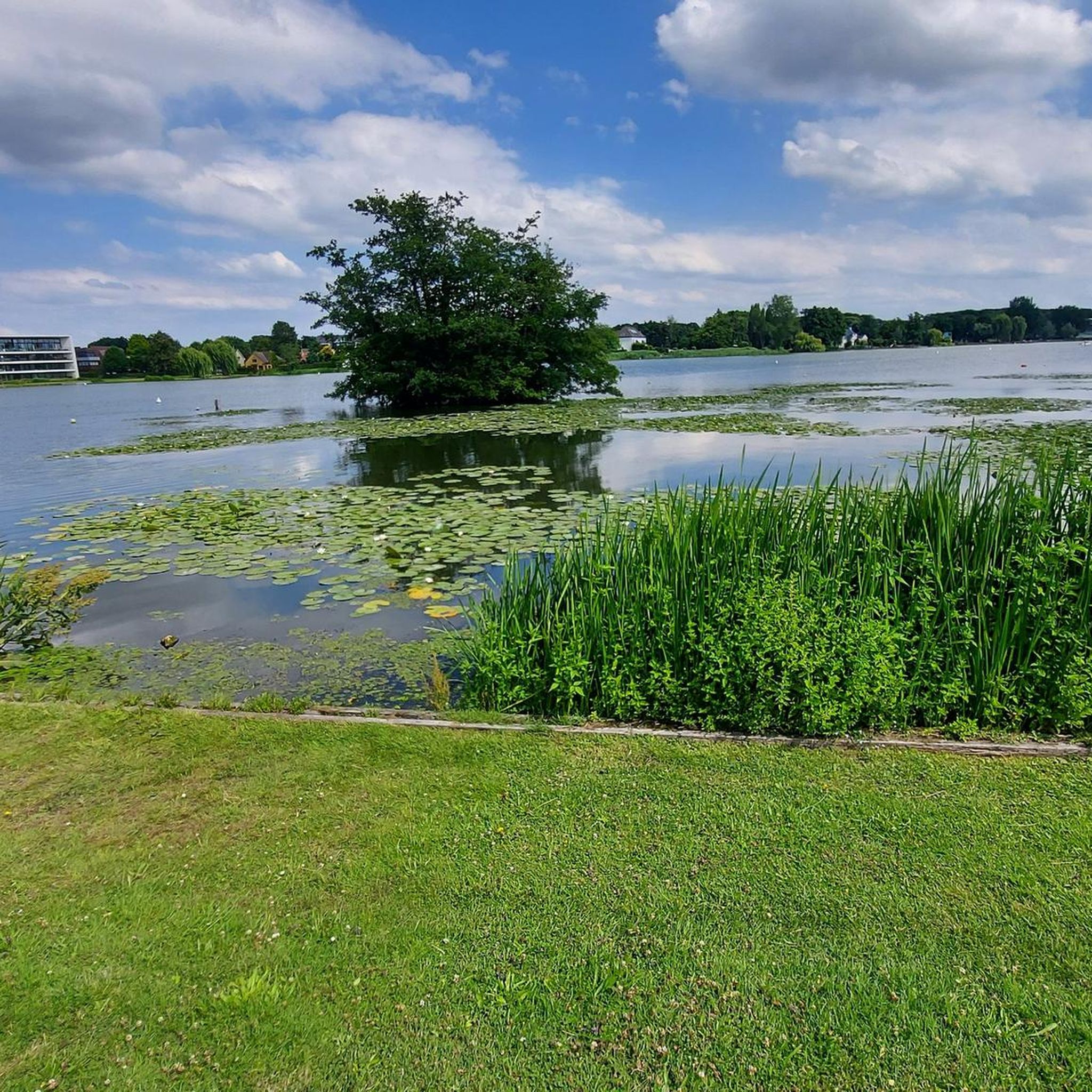
Berlare에 있는 Donkmeer는 플란데런에서 가장 큰 호수 중 하나이며 다재다능한 자연 및 레크리에이션 지역의 핵심을 형성합니다. 오래된 토탄 채취 구덩이에서 시작된 이 호수는 86헥타르에 걸쳐 뻗어 있으며 그중 약 30%가 보호 구역입니다. 이 지역은 들판, 숲, 늪지대, 풍부한 생물 다양성을 갖춘 스헬데 자연의 아름다운 배경을 제공합니다. Donkmeer는 또한 수중과 주변에 서식하는 수많은 희귀 조류 종으로 인해 조류 관찰자들에게 인기 있는 장소입니다. 해안가에는 장어 요리로 유명한 레스토랑을 포함하여 아늑한 요식업체가 있습니다.
6
0

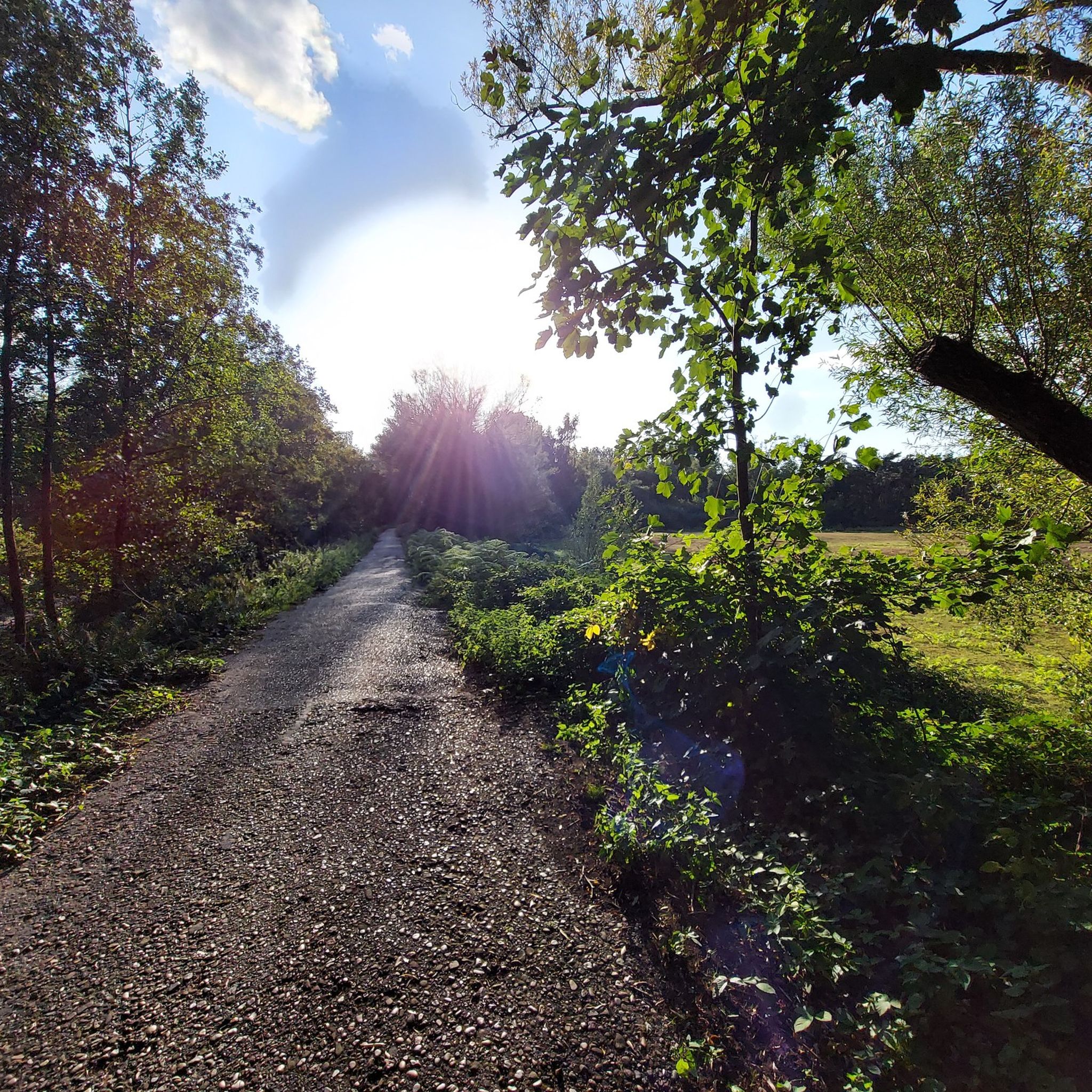
Nice to walk through with water on both sides.
14
1
The redevelopment of the duck decoy is part of the Berlare Broek-Donkmeer nature development project. This project fits in with the vision of the Berlare municipal council to give the popular Donkmeer and its surroundings a contemporary look. The site of the duck decoy was given a thorough makeover. It was redeveloped with respect for the most vulnerable zones and remains open to the public. (Public space database)
15
0
Reserve zone Donkmeer is of regional ornithological importance because of the presence of the only large breeding colony of grey herons in the Scheldt valley between Ghent and Dendermonde. The number of occupied nests in this colony is subject to quite strong fluctuations but has averaged around 60 since 1994. (Durme VZW)
17
0
This statue of a peat cutter represents a profession from pre-modern times. In the 17th century, the demand for peat rose, which made the Donkmeer more important. This lake turned out to be one big peat pit. The work as a peat cutter was very intensive. Day in, day out, one had to do heavy manual labor for a meager wage. The bosses, on the other hand, did get rich from the peat that they sold for a lot of money. In contrast to the workers who lived in huts around the lake, the bosses could afford mansions. At that time, there was still no talk of good working conditions and quality work. (Standbeelden.be)
18
0

동크미어 주변에서 가장 인기 있는 명소


더 살펴보기
찾고 있는 하이라이트를 아직 못 찾으셨나요? 다른 지역의 주요 명소 가이드를 확인해보세요:
