발레 바조 알베르체 주변 최고의 도시 하이킹 & 워킹 코스
4.5
(1468)
8,387
등산객
6
하이킹
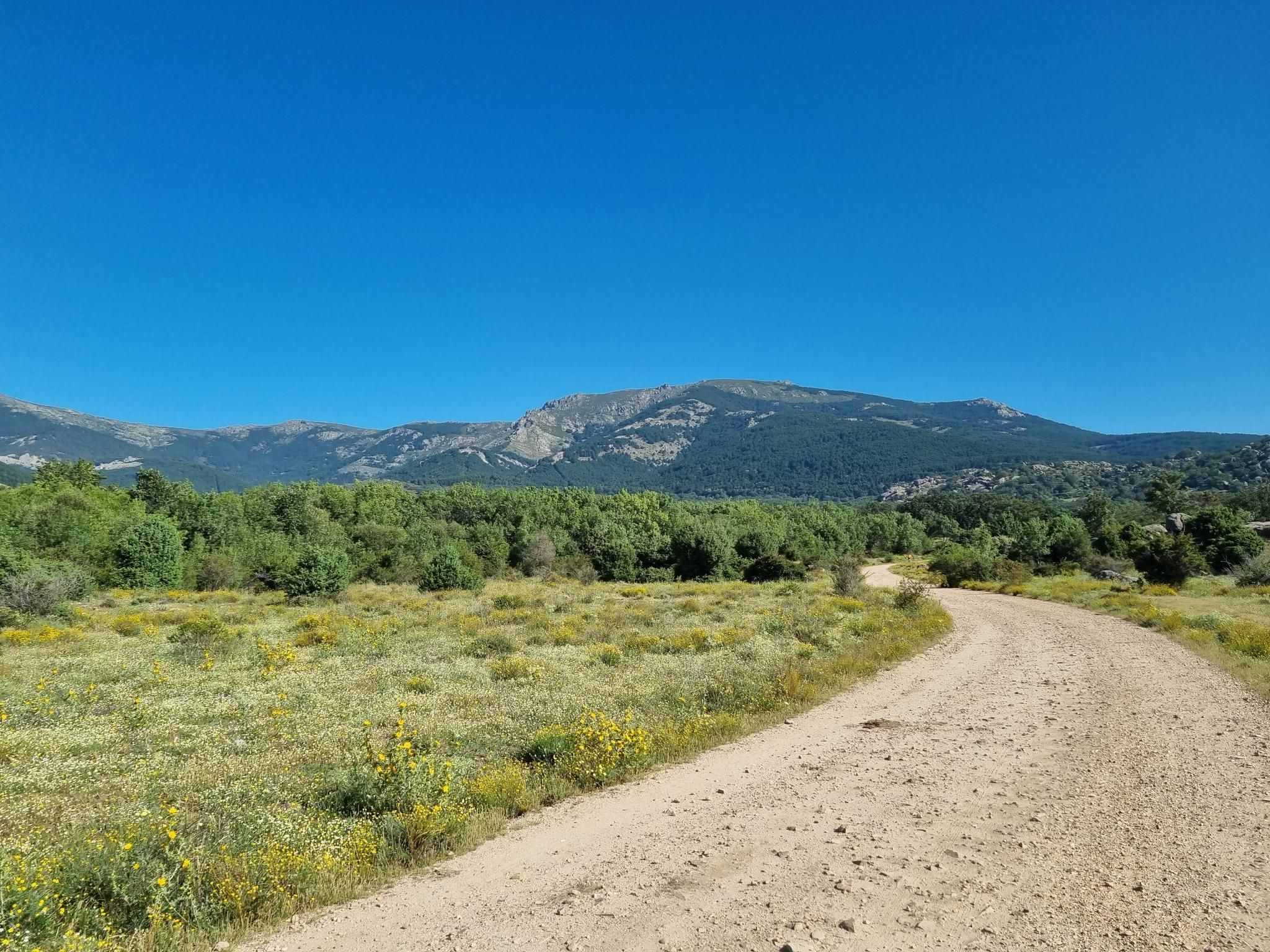
Valle Bajo Alberche 주변의 도시 하이킹 트레일은 Sierra de Malagón과 Alberche 강 사이에 위치한 다양한 자연 경관으로 특징지어지는 지역을 가로지릅니다. 이 지역은 중앙 산맥(Central System)의 특징을 가지며, 고도 변화, 깊은 계곡, 화강암 노두가 있습니다. 특히 Las Navas del Marqués와 El Tiemblo와 같은 지역에서는 소나무와 밤나무 숲이 두드러지며, Alberche 강과 그 저수지를 따라 하천 식생이 나타납니다.
Valle Bajo Alberche 주변 최고의 도시 하이킹 트레일
- 가장 인기 있는 도시 하이킹 코스는 엘 에스코리알의 Fountain of Plaza de la Cruz – Prince's Cottage…
마지막 업데이트: 5월 10, 2026
3.0
(1)
21
등산객
7.06km
02:01
160m
160m
어려운 하이킹. 좋은 체력 필요. 튼튼한 신발을 신고 미끄러지지 않게 조심해야 하며, 높은 산을 오른 경험이 있어야 함.
7
등산객
5.66km
01:37
140m
140m
초급용 하이킹. 모든 체력 수준에 적합. 실력과 관계없이 누구나 쉽게 갈 수 있는 길.

무료 회원 가입
5
등산객
5.58km
01:36
130m
130m
초급용 하이킹. 모든 체력 수준에 적합. 실력과 관계없이 누구나 쉽게 갈 수 있는 길.
4
등산객
3.25km
00:57
90m
90m
초급용 하이킹. 모든 체력 수준에 적합. 실력과 관계없이 누구나 쉽게 갈 수 있는 길.
1
등산객
5.56km
01:33
100m
100m
어려운 하이킹. 모든 체력 수준에 적합. 튼튼한 신발을 신고 미끄러지지 않게 조심해야 하며, 높은 산을 오른 경험이 있어야 함.
투어 추천은 다른 사람들이 komoot에서 완료한 수천 개의 활동을 바탕으로 구성되어 있습니다.
오늘 무료 계정으로 시작하세요
다음 모험이 기다리고 있어요.
로그인 또는 가입하기



커뮤니티 팁

Beautiful monastery both inside and out.
0
0

The Monastery of El Escorial was built by King Philip II in the 16th century to commemorate a military victory and serve as a royal pantheon for the Habsburg dynasty. Designed by architects Juan Bautista de Toledo and Juan de Herrera, it is characterized by its sober, Renaissance style. Today it is a UNESCO World Heritage Site.
6
1
The Monastery of El Escorial was built by King Philip II in the 16th century to commemorate a military victory and serve as a royal pantheon for the Habsburg dynasty. Designed by architects Juan Bautista de Toledo and Juan de Herrera, it is characterized by its sober, Renaissance style. Today it is a UNESCO World Heritage Site.
5
0
The Monastery of El Escorial was built by King Philip II in the 16th century to commemorate a military victory and serve as a royal pantheon for the Habsburg dynasty. Designed by architects Juan Bautista de Toledo and Juan de Herrera, it is characterized by its sober, Renaissance style. Today it is a UNESCO World Heritage Site.
4
0

The monastery of El Escorial, also known as San Lorenzo del Escorial, is located in Spain, in the autonomous community of Madrid, in the municipality of San Lorenzo de El Escorial. It was built by Philip II as a residence and pantheon of the kings of Spain; it was built between 1563 and 1584 to be a monastery and church, as well as a royal residence. In 1984 it was declared a UNESCO World Heritage Site. San Lorenzo de El Escorial is considered the eighth wonder of the world.
1
0

Imposing building
1
0

The Royal Monastery of San Lorenzo de El Escorial is a complex that includes a royal palace, a basilica, a pantheon, a library, a school and a monastery. It is located in the Spanish town of San Lorenzo de El Escorial, in the Community of Madrid, and was built in the 16th century between 1563 and 1584. The palace was the residence of the Spanish royal family, the basilica is the burial place of the kings of Spain and the monastery – founded by monks of the Order of Saint Jerome – is currently occupied by friars of the Order of Saint Augustine. It is one of the most unique Renaissance architectures in Spain and Europe. Located in San Lorenzo de El Escorial, it occupies an area of 33,327 m², on the southern slope of Mount Abantos, at an altitude of 1,028 m, in the Guadarrama mountain range. It is managed by National Heritage. Also known as the Monastery of San Lorenzo El Real, or simply El Escorial, it was designed in the second half of the 16th century by King Philip II and his architect Juan Bautista de Toledo, although later Juan de Herrera, Juan de Minjares, Giovanni Battista Castello El Bergamasco and Francisco de Mora. The king conceived a large multifunctional, monastic and palatial complex that, shaped by Juan Bautista de Toledo according to the paradigm of the Universal Trace, gave rise to the Herrerian style. Since the end of the 16th century, it was considered the Eighth Wonder of the World, both for its size and functional complexity as well as for its enormous symbolic value. Its architecture marked the transition from Renaissance plateresque to unadorned classicism. An enormous work, of great monumentality, it is also a receptacle for other arts. Its paintings, sculptures, hymn books, scrolls, liturgical ornaments and other sumptuary, sacred and court objects make El Escorial also a museum. Its complex iconography and iconology has earned the most varied interpretations from historians, admirers and critics. El Escorial is the crystallization of the ideas and will of its promoter, King Philip II, a Renaissance prince. On November 2, 1984, UNESCO declared the Monastery and Site of El Escorial as a World Heritage Site. It is one of the main tourist attractions in the Community of Madrid. The monumental complex receives more than 500,000 visitors a year.
0
1

The Monastery of San Lorenzo de El Escorial is one of the most important buildings in Spain, not only because of its size, but also because of its historical and architectural value. It was built in the 16th century by order of King Felipe II and was considered the eighth wonder of the world. It is currently a UNESCO World Heritage Site.
1
0
자주 묻는 질문
Valle Bajo Alberche 지역에는 도시 하이킹 트레일이 몇 개나 있나요?
Valle Bajo Alberche 지역에는 여러 도시 하이킹 트레일이 있으며, 이 가이드에는 총 6개의 루트가 문서화되어 있습니다. 이 트레일은 쉽고 더 도전적인 옵션을 혼합하여 제공하므로 지역의 도시 풍경과 자연 환경을 탐험할 수 있습니다.
초보자나 가족에게 적합한 쉬운 도시 하이킹 코스가 있나요?
네, Valle Bajo Alberche 지역에는 초보자나 가족에게 완벽한 쉬운 도시 하이킹 코스가 있습니다. 예를 들어, 엘 에스코리알 출발 플라자 데 라 크루즈 분수 – 엘 에스코리알 기차역 루프는 5.6km가 조금 넘는 쉬운 코스입니다. 또 다른 접근하기 쉬운 옵션은 엘 에스코리알 출발 엘 에스코리알 기차역 – 프린스 코티지 루프로, 약 5.3km 길이이며 역시 쉬움으로 평가됩니다.
Valle Bajo Alberche 지역의 도시 하이킹 코스에서 어떤 자연 경관을 볼 수 있나요?
Valle Bajo Alberche 지역의 도시 하이킹은 종종 도시 탐험과 지역의 풍부한 자연 경관을 결합합니다. 알베르체 강(Alberche River)을 따라 늘어선 오리나무와 버드나무 같은 그림 같은 강변 식생을 만나거나 소나무와 밤나무 숲 지역을 통과할 수 있습니다. 이 지역은 또한 화강암 노두가 특징이며 중앙 산맥(Central System) 산맥을 향한 전망을 제공합니다.
이 지역에 순환 도시 산책 코스가 있나요?
네, Valle Bajo Alberche 지역의 도시 하이킹 코스 중 다수는 시작점과 종료점이 같은 순환 코스입니다. 예를 들어, 엘 에스코리알 출발 플라자 데 라 크루즈 분수 – 프린스 코티지 루프는 약 7km 길이의 순환 코스입니다. 또 다른 옵션은 산 로렌소 데 엘 에스코리알 출발 플라자 데 라 크루즈 분수 루프로, 4.5km 길이의 순환 트레일입니다.
다른 하이커들은 Valle Bajo Alberche 지역의 도시 하이킹을 가장 즐기는 점이 무엇인가요?
이 지역은 komoot 커뮤니티에서 높은 평가를 받고 있으며, 200개 이상의 평가에서 평균 4.6점의 점수를 받았습니다. 리뷰어들은 종종 역사적인 도시 환경과 접근 가능한 자연의 아름다움의 조화, 그리고 다양한 체력 수준에 맞는 트레일의 다양성을 칭찬합니다.
이 도시 트레일 주변에 주목할 만한 명소나 랜드마크가 있나요?
도시 탐험에 중점을 두지만, 일부 트레일은 자연 명소와 가까이 있습니다. 예를 들어, 계곡의 자연미에 중심이 되는 엘 부르기요 저수지(El Burguillo Reservoir) 또는 라 아세냐 저수지(La Aceña Reservoir) 근처에 있을 수 있습니다. 이 지역에는 살라망카 피난처(Refugio de la Salamanca)와 같은 다양한 쉼터도 있어 흥미로운 지점이 될 수 있습니다.
Valle Bajo Alberche 지역에서 도시 하이킹을 하기에 가장 좋은 계절은 언제인가요?
Valle Bajo Alberche 지역은 일년 내내 도시 하이킹에 적합합니다. 봄과 가을은 쾌적한 온도와 생기 넘치는 풍경을 제공하며, 꽃이 피거나 풍부한 가을 색을 즐길 수 있습니다. 겨울에도 이 지역의 저지대 도시 트레일은 즐거울 수 있지만, 항상 현지 날씨 조건을 확인하는 것이 좋습니다.
Valle Bajo Alberche 지역의 도시 하이킹 트레일은 반려견 동반이 가능한가요?
일반적으로 Valle Bajo Alberche 지역의 많은 야외 공간은 반려견 동반이 가능하며, 특히 자연 경관을 통과하는 트레일의 경우 더욱 그렇습니다. 그러나 도시 중심부나 Valle de Iruelas와 같은 보호된 자연 보호 구역을 하이킹할 때는 항상 반려견을 목줄에 묶고 애완동물에 관한 특정 지역 규정이나 표지판을 확인하는 것이 가장 좋습니다.
도시 하이킹 트레일의 시작점까지 대중교통을 이용할 수 있나요?
도시 트레일에 중점을 두기 때문에 많은 루트는 Valle Bajo Alberche 지역 내의 마을과 도시에서 접근할 수 있습니다. 특정 출발점에 따라 지역 버스 서비스가 더 큰 도시와 연결될 수 있습니다. 엘 에스코리알 주변과 같은 기차역 근처에서 시작하는 루트의 경우, 기차 접근이 편리한 옵션입니다.
숙련된 하이커를 위한 도전적인 도시 산책 코스가 있나요?
네, 도시 환경 내에서도 더 도전적인 경험을 제공하는 트레일이 있습니다. 예를 들어, 산 로렌소 데 엘 에스코리알 출발 플라자 데 라 크루즈 분수 루프는 순환 코스이지만 어렵다고 평가되어 숙련된 하이커에게 좋은 운동이 됩니다.
도시 하이킹 트레일 근처에 식당이나 음료를 마실 곳이 있나요?
이것은 도시 하이킹 트레일이므로, 통과하거나 시작하는 마을과 도시 내에서 카페, 레스토랑, 상점을 자주 찾을 수 있습니다. 따라서 엘 에스코리알이나 산 로렌소 데 엘 에스코리알과 같은 장소에서 하이킹 전에 커피를 마시거나 후에 식사를 즐기기 편리합니다.
발레 바조 알베르체 주변에서 가장 인기 있는 명소


찾고 계신 것을 찾지 못하셨나요?
발레 바조 알베르체에서 더 많은 하이킹를 확인하고 목적지에서 완벽한 경로를 찾아보세요.
