라 베르나르디에르 주변 최고의 교통량 없는 자전거 라이딩 코스
4.4
(355)
2,191
자전거 타는 사람
226
라이딩
La Bernardière 주변의 교통 없는 투어링 사이클링 코스는 숲, 울타리, 농경지가 모자이크처럼 펼쳐진 베르데 보카주(Vendée bocage)의 다양한 풍경을 가로지릅니다. 이 지역은 뇌르낭트(Sèvre Nantaise) 강과 가까워 강 계곡이나 조용한 시골길을 따라가는 코스가 많습니다. 이 지역은 비교적 평탄한 길과 완만하게 구불거리는 지형이 혼합되어 있어 다양한 투어링 사이클링 선호도에 적합합니다.
La Bernardière 주변 최고의 교통 없는 투어링 사이클링 코스
- 가장 인기 있는 교통 없는 투어링 사이클링 코스는 쿠강-라-베르니에르(Cugand-la-Bernardière)에서 시작하는 밸리 브리지 – 노트르담 교회, 클리송 루프로, 21.5마일(34.6km) 길이이며 완료하는 데 2시간 46분이 걸립니다. 이 중간 난이도의 코스는 쿠강-라-베르니에르를 역사적인 도시 클리송과 연결하며 아름다운 경치를 제공합니다.
- 현지 투어링 사이클리스트들 사이에서 또 다른 인기 코스는 쿠강(Cugand)에서 시작하는 중간 난이도의 25.4마일(40.8km) 코스인 르 물랭 카세 루프(Le Moulin Cassé loop)입니다. 이 코스는 특징적인 보카주 풍경을 따라 구불구불 이어지며 탁 트인 들판과 그늘진 구간이 혼합되어 있습니다.
- 현지 투어링 사이클리스트들은 또한 쿠강(Cugand)에서 시작하는 32.8마일(52.8km) 길이의 물랭 뒤 니 다우(Moulin du Nid d'Oie) – 밸리 브리지 루프 코스를 좋아합니다. 이 코스는 다양한 시골 풍경을 통과하며 지역 명소를 연결하며, 보통 약 3시간 48분 정도 소요됩니다.
- La Bernardière 주변의 투어링 사이클링은 보카주 풍경, 뇌르낭트 강 계곡, 숲과 울타리가 있는 다양한 시골 풍경으로 특징지어집니다. 이 네트워크는 쉬움, 중간, 더 어려운 코스 옵션을 제공하여 다양한 능력 수준에 맞춰져 있습니다.
- La Bernardière의 코스는 280개 이상의 리뷰에서 평균 4.3점의 높은 점수를 받으며 komoot 커뮤니티로부터 높은 평가를 받고 있습니다. 1900명 이상의 투어링 사이클리스트가 komoot를 사용하여 La Bernardière의 다양한 지형을 탐험했습니다.
마지막 업데이트: 10월 21, 2026
5.0
(1)
24
자전거 타는 사람
31.2km
02:26
260m
260m
보통 자전거 타기. 좋은 체력 필요. 대부분 포장된 지면. 실력과 관계없이 누구나 갈 수 있음.
15
자전거 타는 사람
38.9km
02:51
300m
300m
보통 자전거 타기. 좋은 체력 필요. 대부분 포장된 지면. 실력과 관계없이 누구나 갈 수 있음.

5.0
(4)
13
자전거 타는 사람
40.9km
03:10
330m
330m
보통 자전거 타기. 좋은 체력 필요. 대부분 포장된 지면. 실력과 관계없이 누구나 갈 수 있음.
5.0
(1)
19
자전거 타는 사람
37.8km
02:43
310m
310m
보통 자전거 타기. 좋은 체력 필요. 대부분 포장된 지면. 실력과 관계없이 누구나 갈 수 있음.
4.6
(7)
12
자전거 타는 사람
30.4km
02:01
190m
190m
보통 자전거 타기. 좋은 체력 필요. 대부분 포장된 지면. 실력과 관계없이 누구나 갈 수 있음.
더 다양한 경로와 다른 탐험가들의 추천을 살펴보세요.
이미 komoot 계정이 있나요?
투어 추천은 다른 사람들이 komoot에서 완료한 수천 개의 활동을 바탕으로 구성되어 있습니다.
오늘 무료 계정으로 시작하세요
다음 모험이 기다리고 있어요.
라 베르나르디에르 주변 인기 장소

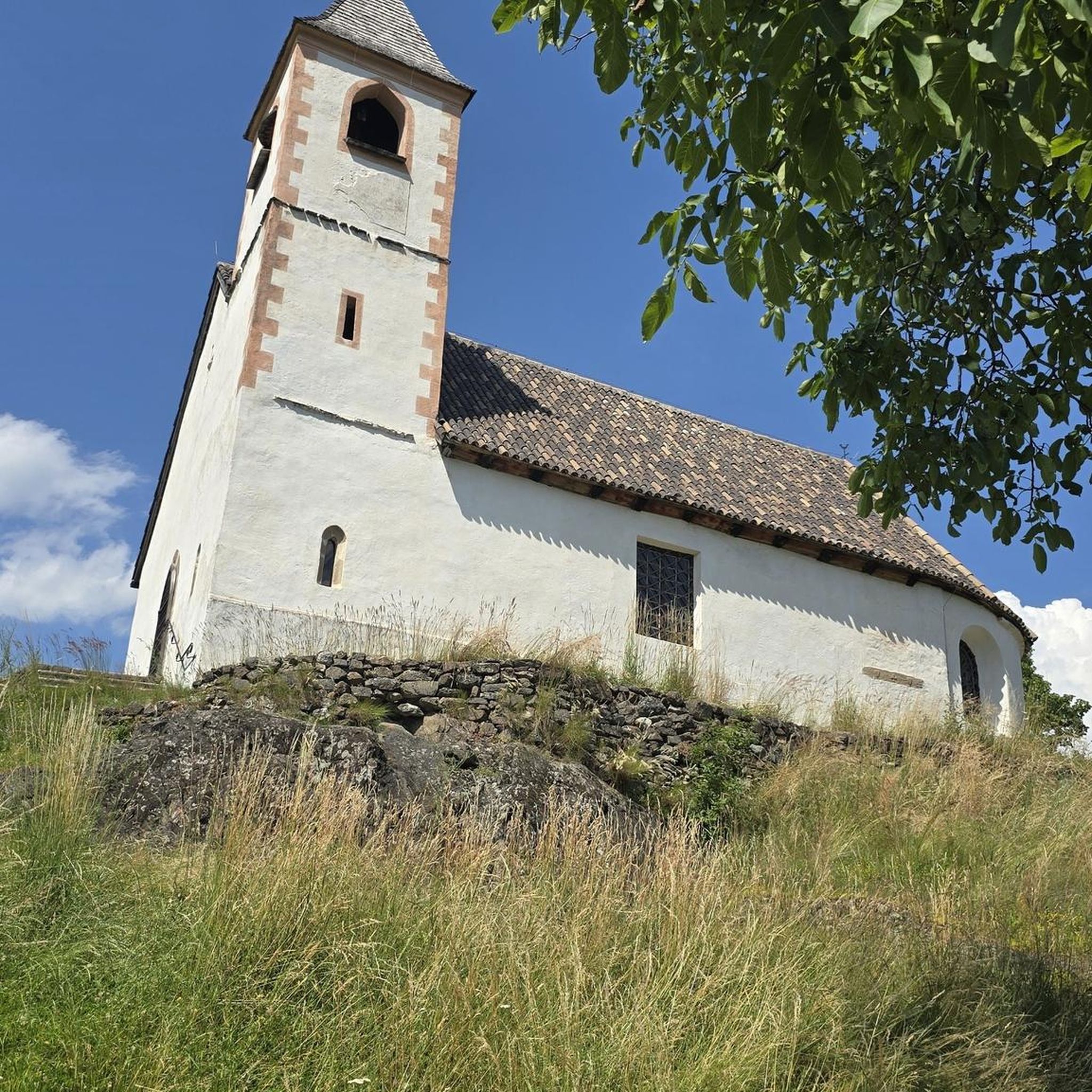
커뮤니티 팁

From 1805 to 1827, the sculptor François-Frédéric Lemot (winner of the Prix de Rome in 1790) transformed a former hunting forest belonging to the lords of Clisson into an idealized landscape. Influenced by the gardens of Ermenonville and Méréville, guided by his classical education and the memory of Tivoli, Lemot freely designed his garden whenever his official duties in Paris allowed. It is now a park managed by the department, freely accessible for a relaxing break with a beautiful view of the château.
0
0


This temple, built on the Saint-Gilles hillside, has been listed as a Historic Monument since March 14, 1988. It owes its name to the friendship between the Cacault brothers and the sculptor François-Frédéric Lemot, initiators and creators of Clisson's Italianate architecture in the early 19th century. Pierre Cacault wanted to build a mausoleum in memory of his brother François, who died in Clisson on October 10, 1805, but he lacked sufficient financial means. ➢ It was François-Frédéric Lemot who helped his friend carry out his project. He purchased the former Saint-Gilles-et-Saint-Brice chapel and its outbuildings at the end of 1808. The buildings are part of the cemetery, which has long been used for the burial of parishioners from all over Clisson, except for La Trinité. ➢ Paul de Berthou states in his work "Clisson and its Monuments" that "...the church of St. Gilles and St. Brice had been large and beautiful, but a lord of Clisson had its proportions reduced because it overlooked the castle too closely and posed a danger to him in the event of a siege." ➢ The remodeled church includes two chapels forming arms of the cross, one dedicated to the Blessed Virgin and the other to St. John the Evangelist, whose brotherhood once sat on this site. A small bell tower, containing two bells, stands at the crossing of the transept. ➢ Pierre Cacault died on January 29, 1810. François-Frédéric Lemot took over the project and decided that the monument would be dedicated to the memory of the two brothers. In 1811, he acquired land on the Saint-Gilles hillside and commissioned the architect Mathurin Crucy to draw up the plans. ➢ The first project was inspired by Greek temples. Mr. Crucy proposed a plan representing a peripteral temple of the Doric order, without a base, with six columns on the façade, surmounted by a pediment. F.F. Lemot simplified the plan, retaining a "cella" and four Doric columns surmounted by a triangular pediment on the façade. This choice recalls the Temple of the Sybil in Tivoli and is found in other contemporary monuments (the Temple of Friendship in Belz, the memorial monument to the victims of Quiberon in Auray). ➢ The Temple of Friendship was built between 1812 and 1824 on the former foundations of the parish church of Saint Gilles. The side chapels were razed, their foundations later serving to build a small, asymmetrical transept. The old nave was demolished and the walls rebuilt in line with those of the choir, with the entrance door on the side of the current cemetery. ➢ It took several years before the roof was laid and the plastering completed (1824). ➢ This temple was to house the tombs of the Cacaults. Antoine Peccot (1766-1814), a friend of Mr. Crucy, the Cacaults, and F.F. Lemot, had proposed, before 1814, that a dedication be inscribed to the Cacault brothers. The poem invited passersby to remember the talents, virtues, and prodigal benefits of these two brothers. The inscription was never engraved. The tombs were never built because the heirs of the Cacault brothers did not authorize the transfer of the ashes of Pierre and François (buried in Nantes). .➢ On May 6, 1827, François-Frédéric Lemot died in Paris. His body, repatriated to Clisson on May 18, was buried in the Temple of Friendship. ➢ On September 17, 1829, this tomb was blessed by the vicar of Notre-Dame. From then on, the site was designated: "Lemot Chapel" or "Chapel of the Blessed Virgin." Permission was granted to sing the station mass there on St. Mark's Day, as well as on Rogation Day, and to say devotional low masses. ➢ The monument underwent restoration in 1995.
0
0
Clisson Castle has quite a story to tell: first an impregnable fortress overlooking the Sèvre, then a ducal residence, and finally a romantic ruin. In the 12th century, the powerful lordship of Clisson built this stone castle with highly elaborate defensive architectural systems: arrow slits, gun ports, and slits. A strategic point protecting the border of the Duchy of Brittany in the 15th century, it was abandoned by its owners from the second half of the 17th century onward before being burned down by Republican troops in 1793. But, beyond its grand history, this castle also has a more historic significance! In 1807, François-Frédéric Lemot, creator of the Garenne Lemot estate (a picturesque landscape located on the other side of the river), was captivated by these ruins and purchased it to turn it into an ornamental factory. The château was declared a historic monument in 1924, before being acquired by the Loire-Atlantique department in 1962. Today, visitors can visit it, take a guided tour, or simply experience its history. A stop on the Journey through the Vineyard, it's a stopover during the wine tourism tour of Nantes' wine country, featuring natural sites, heritage features, characterful villages, and unique cellars.
1
0
The last remaining witness to the region's papermaking industry, the association "Pour les arts graphiques en Vallée de Clisson" (For Graphic Arts in the Clisson Valley) has been working with local authorities since 1998 to revive the 19th-century papermaking industry at Le Liveau in Gorges. The Moulin du Liveau is a superb example of the region's Italianate architecture. With the active support of local authorities, the mill, owned by the municipality of Gorges, was restored to its original purpose as a paper mill. This magnificent site on the Sèvre Nantaise River in the Clisson Valley opened to the public in spring 2015. MORE THAN A MUSEUM, IT'S A LIVING WORKSHOP The association "Pour les arts graphiques en Vallée de Clisson" offers activities centered around the history and manufacture of paper. Children and adults alike can discover the mechanisms of the paper mill, handcraft their own sheets of paper, and learn about printing. An informative journey through history, accompanied by the ever-present pleasure of playfully recreating the gestures of the past. Inside, a hammer mill powered by a paddle wheel driven by the Sèvre River evokes the preparation of paper pulp from rags. Visitors can also practice calligraphy, participate in writing workshops, take bookbinding courses, and enjoy many other activities.
1
0
The Liveau Paper Mill in Gorges in the Clisson Valley (Loire Atlantique, 44) offers guided tours, educational outings, group visits to the paper mill, papermaking workshops, events, and exhibitions. The mill welcomes you south of Nantes and also offers a shop with a wide selection of paper, stationery, and books. The Liveau Paper Mill is located in Loire-Atlantique, in Gorges on the banks of the Sèvre Nantaise. Two flour mills, one on the right bank, the other on the left bank, made up the Liveau hydraulic site, first mentioned in 1407. Until 1561, it was owned by the lords of Clisson. • 1826, transformation of the right bank mill into a paper mill, a more prosperous activity at that time, and construction of the drying rack (drying rack), marked in its architecture by the strong Italian influence prevalent at that time in the canton of Clisson. • 1827: Papermaking begins at the mill. It produces "large gray paper" or "envelope paper" (wrapping paper) sold to the sugar refineries of Nantes. • 1850: Papermaking ends. • 1851 to 1952: Milling resumes. • 2001: The municipality of Gorges acquires the abandoned mill. • 2004: The "Pour les arts graphiques en vallée de Clisson" association wins first prize from the Fondation du Patrimoine for its project to rehabilitate and promote the Moulin du Liveau, with the support of Gorges elected officials and the Clisson Valley community of municipalities. • 2006: The Fondation du Patrimoine approves the project and brings in financial partners. • 2008-2009: Airtight and watertight construction of the buildings (mill and dryer), half of which was financed by the Total Foundation. Additional funding was provided by the Fondation du Patrimoine, the Crédit Agricole Foundation, parliamentary funds, the Pays de Loire Regional Council, the Loire-Atlantique General Council, the Clisson Valley Community of Communes, the municipality of Gorges, and various private funds. . 2014: Rehabilitation work in preparation for an artisanal papermaking activity, for cultural and tourist purposes. • April 2015: The Liveau paper mill in Gorges welcomes its first visitors.
1
0
The Trinity Church is getting a makeover in the heart of Clisson Off-limits since 2018, the Trinity Church in Clisson is undergoing extensive restoration work until 2027, accompanied by reinforcement and safety work. The Trinity Church in Clisson has been off-limits since 2018 due to pieces of tufa stone found on the floor of the building, raising concerns about safety issues. The restoration has been decided upon, along with reinforcement and safety work. This work is expected to continue until 2027. The construction site will soon be explained to the residents of Clisson, using signs. The artwork and furnishings have been protected and stored, tarpaulins protect the building and the workers, the vaults and framework will be restored, and the wall plasterwork will be examined and redone where necessary. The work will concern the side aisles until next summer, the nave for the following twelve months. Then it will be the turn of the choir and transepts between January 2026 and spring 2027, then the sacristy, the bell tower and the outbuildings.
2
0
The Church of the Trinity was originally a Benedictine priory, with a parish, dependent on the abbeys of Saint-Martin-de-Vertou and Saint-Jouin-de-Marnes. In the 11th century, it was occupied by the canons regular of the Order of Saint Augustine. In 1645, Fontevrist nuns from La Regrippière en Vallet settled there. The convent burned down in 1794 by the infernal columns of the Republican armies. From the 11th century onwards, the church had a choir with an apse, side chapels, and a square bell tower. In the 17th century, the Benedictine nuns replaced the Romanesque choir with an elongated one, featuring a remarkable Baroque altarpiece. They demolished the southern part of the choir to build their oratory. During the French Revolution, the church returned to the parish. Around 1867/1868, work was undertaken. The façade was redone in a neo-Romanesque style, while the neo-Gothic style was preferred for the interior of the religious monument.
1
0
자주 묻는 질문
라 베르나르디에르 주변에 교통량이 적은 투어링 사이클링 코스가 얼마나 있나요?
라 베르나르디에르 주변에는 200개 이상의 전용 교통량 적은 투어링 사이클링 코스가 있어 모든 수준의 라이더에게 다양한 선택지를 제공합니다. 여기에는 100개 이상의 쉬운 코스, 90개의 보통 난이도 코스, 그리고 더 도전적인 라이딩 코스가 포함됩니다.
이 교통량 적은 코스에서는 어떤 풍경을 기대할 수 있나요?
라 베르나르디에르 주변의 교통량 적은 코스는 주로 그림 같은 뱅데 보카주(Vendée bocage) 풍경을 가로지르며, 매력적인 숲, 울타리, 농경지가 특징입니다. 또한 셰브르 난테즈(Sèvre Nantaise) 강 근처와 같이 강 계곡을 따라 이어지는 코스를 찾을 수 있으며, 경치 좋고 종종 평탄한 지형을 제공합니다.
쉬운, 가족 친화적인 교통량 적은 사이클링 코스가 있나요?
네, 라 베르나르디에르에는 가족에게 적합한 수많은 쉬운 교통량 적은 코스가 있습니다. 한 가지 훌륭한 옵션은 쿠강(Cugand)에서 출발하는 뱅크 – 보 솔레이유 자연지대 루프로, 21.7km의 쉬운 라이딩 코스로 여유로운 외출에 완벽합니다. 이 지역의 녹색 도로와 전용 자전거 도로는 일반적으로 가족에게 매우 친화적입니다.
코스를 따라 방문할 만한 주목할 만한 랜드마크나 명소가 있나요?
많은 코스가 중요한 명소 근처를 지나갑니다. 역사적인 클리송 성(Château de Clisson)을 향해 자전거를 타거나, 독특한 세 프로방스 계곡(Valley of the Three Provinces)을 탐험하거나, 고요한 보 솔레이유 자연지대(Beau Soleil natural site)를 발견할 수 있습니다. 이 지역에는 아르세날(The Arsenal)과 같은 매력적인 다리와 템플 기사단 예배당(Chapelle des Templiers)과 같은 역사적인 예배당도 있습니다.
순환형 교통량 적은 코스가 있나요?
물론입니다. 라 베르나르디에르 주변의 많은 교통량 적은 코스는 순환형 루프로 설계되어 같은 지점에서 시작하고 끝낼 수 있습니다. 예를 들어, 쿠강(Cugand)에서 출발하는 르 물랭 카세 루프(Le Moulin Cassé loop)는 지역 풍경을 보여주는 보통 난이도의 40.8km 순환 코스입니다.
라 베르나르디에르에서 투어링 사이클링을 즐기기에 가장 좋은 시기는 언제인가요?
봄(4월-6월)과 가을(9월-10월)은 일반적으로 라 베르나르디에르에서 투어링 사이클링을 즐기기에 가장 쾌적한 시기입니다. 이 계절에는 날씨가 온화하고 자연 풍경이 가장 생기 넘치며, 여름 성수기보다 인파가 적습니다. 여름도 즐거울 수 있지만, 더운 날씨에 대비해야 합니다.
더 숙련된 투어링 사이클리스트를 위한 더 긴 교통량 적은 코스가 있나요?
네, 더 긴 라이딩을 원하는 분들을 위해 여러 보통 난이도의 교통량 적은 코스가 있습니다. 쿠강(Cugand)에서 출발하는 물랭 뒤 니 다우아 – 밸리 브리지 루프(Moulin du Nid d'Oie – Valley Bridge loop)를 고려해 보세요. 이 코스는 52.7km로 상당한 거리이며, 교통량을 피하면서도 좋은 도전을 제공합니다.
라 베르나르디에르의 교통량 적은 코스에 대해 다른 투어링 사이클리스트들이 가장 좋아하는 점은 무엇인가요?
코무트 커뮤니티는 라 베르나르디에르의 투어링 사이클링 경험에 대해 매우 높게 평가하며, 280개 이상의 리뷰에서 평균 5점 만점에 4.3점을 받았습니다. 사이클리스트들은 종종 코스의 평온함, 아름다운 보카주 풍경, 그리고 차량 교통의 방해 없이 매력적인 지역 마을과 역사 유적지를 탐험할 수 있는 기회를 칭찬합니다.
다른 마을이나 마을을 연결하는 코스를 찾을 수 있나요?
네, 교통량 적은 코스 네트워크는 라 베르나르디에르를 쿠강(Cugand), 제티녜(Gétigné), 클리송(Clisson)과 같은 주변 마을 및 마을과 연결하도록 설계되었습니다. 이를 통해 그림 같은 시골을 지나며 지역 문화와 편의 시설을 경험할 수 있습니다. 쿠강-라 베르나르디에르(Cugand-la-Bernardière)에서 출발하는 밸리 브리지 – 클리송 노트르담 교회 루프(Valley Bridge – Notre-Dame Church, Clisson loop)는 이러한 지역을 연결하는 코스의 좋은 예입니다.
자연 기념물이나 독특한 지질학적 지형을 특징으로 하는 코스가 있나요?
네, 이 지역은 흥미로운 자연 지형으로 이어지는 코스를 제공합니다. 루 드 라 콜레지알의 기울어진 소나무(Leaning Stone Pine of Rue de la Collégiale)나 흥미로운 볼 스톤(The bowl stone)을 만날 수 있습니다. 이러한 자연 기념물은 사이클링 모험에 또 다른 발견의 층을 더합니다.
이 교통량 적은 코스의 일반적인 지형과 고도는 어떤가요?
라 베르나르디에르 주변의 지형은 다양하지만, 많은 교통량 적은 코스는 포장된 도로와 잘 관리된 길의 혼합으로 이루어져 있습니다. 이 지역은 산악 지대는 아니지만, 보카주 풍경의 전형적인 완만한 구릉을 예상할 수 있습니다. 쿠강(Cugand)에서 출발하는 부세 – 라 두시니에르 루프(Boussay – La Doucinière loop)와 같은 코스는 적당한 고도 변화를 제공하여 지나치게 힘들지 않으면서도 좋은 운동이 됩니다.
라 베르나르디에르 주변에서 가장 인기 있는 명소


더 살펴보기
다른 지역의 최고의 자전거 경로를 살펴보세요.
