빌라누에바 데 알가이다스 주변 최고의 교통량 없는 자전거 라이딩 코스
4.6
(5)
1,144
자전거 타는 사람
32
라이딩
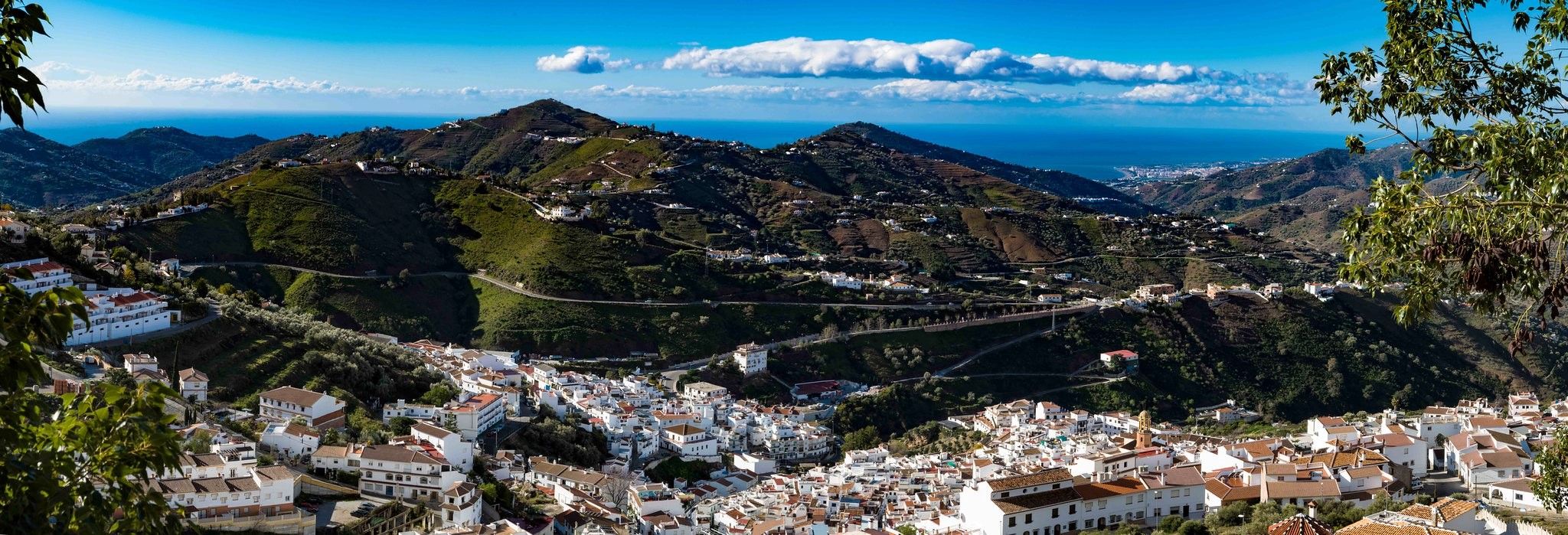
차량 통행이 없는 비야누에바 데 알가이다스 주변의 로드 사이클링 코스는 구불구불한 언덕, 광활한 올리브 과수원, 강 계곡으로 특징지어지는 풍경을 가로지릅니다. 이 지역은 "Bike Territory Sierra Norte de Málaga"의 일부로, 다양한 수준에 맞춰 설계된 코스 네트워크를 제공합니다. 사이클리스트들은 긴 오르막부터 적당한 구간까지 다양한 지형을 예상할 수 있으며, 조용한 내륙 도로에서는 경치 좋은 전망을 즐길 수 있습니다. 또한 고대 로마 도로와 중세 다리와 같은 역사적인 요소들도 특징입니다.
비야누에바 데 알가이다스 주변 최고의 차량 통행 없는 로드 사이클링 코스
- 가장 인기 있는 차량…
마지막 업데이트: 10월 5, 2026
26
자전거 타는 사람
72.9km
03:15
610m
610m
보통 도로 자전거 타기. 좋은 체력 필요. 지면 대부분이 잘 포장되어 있고 라이딩하기 쉬움.
20
자전거 타는 사람
59.4km
03:11
1,110m
1,110m
어려운 도로 자전거 타기. 우수한 체력 필요. 지면 대부분이 잘 포장되어 있고 라이딩하기 쉬움.

18
자전거 타는 사람
79.7km
03:38
870m
870m
보통 도로 자전거 타기. 좋은 체력 필요. 투어 중 라이딩하기 어려운 비포장 구간이 있을 수 있음.
36
자전거 타는 사람
62.9km
02:47
490m
490m
보통 도로 자전거 타기. 좋은 체력 필요. 지면 대부분이 잘 포장되어 있고 라이딩하기 쉬움.
11
자전거 타는 사람
73.2km
03:44
1,160m
1,160m
어려운 도로 자전거 타기. 우수한 체력 필요. 지면 대부분이 잘 포장되어 있고 라이딩하기 쉬움.
더 다양한 경로와 다른 탐험가들의 추천을 살펴보세요.
이미 komoot 계정이 있나요?
투어 추천은 다른 사람들이 komoot에서 완료한 수천 개의 활동을 바탕으로 구성되어 있습니다.
오늘 무료 계정으로 시작하세요
다음 모험이 기다리고 있어요.

빌라누에바 데 알가이다스 주변의 다른 모험

커뮤니티 팁

The Laguna de Fuente de Piedra provides an important habitat for large flamingo colonies and is one of the most significant breeding grounds for this bird species in Europe. The shallow salt lagoon offers ideal conditions for the birds, allowing them to be observed there in large numbers, especially during the warmer months.
1
0

The Conjunto Arqueológico Dólmenes de Antequera (Antequera Dolmens Archaeological Site) is one of the most important prehistoric sites in Europe and is located on the outskirts of Antequera in Andalusia, directly on the Carretera de Málaga (Málaga Highway). The site comprises three large megalithic tombs – the Dolmen de Menga, the Dolmen de Viera, and the Tholos de El Romeral – as well as the two natural monuments Peña de los Enamorados and El Torcal de Antequera. Together, they have formed a UNESCO World Heritage Site since 2016, uniquely demonstrating the connection between humankind, architecture, and landscape. The Dolmen de Menga is the largest structure in the site and is among the most impressive megalithic tombs in Europe. It was built between approximately 3800 and 3600 BC and consists of enormous stone blocks assembled to form a long burial chamber. Particularly noteworthy is its alignment with the rock Peña de los Enamorados, suggesting a symbolic or ritual significance. Human remains and grave goods were found inside. Just a few meters away is the Dolmen de Viera, which is somewhat smaller and more classically constructed. It was built between approximately 3500 and 3000 BC and is oriented precisely to the east, so that sunlight falls directly into the burial chamber at the equinox. The third structure, the Tholos de El Romeral, lies about four kilometers away and dates from the Copper Age, around 2500 BC. Its circular shape and corbelled vault distinguish it from the older dolmens and represent a further development of the architectural techniques of that time.
0
0
The city gate of Antequera was built in 1749 in the Baroque style, demolished in the 19th century, and faithfully reconstructed in the 1990s. Today, the Puerta de Estepa is a symbolic gateway to the city.
3
0
Fuente de Piedra is a charming village whose name derives from an ancient spring believed to possess healing powers. The area was already settled in Roman times, and the spring was then referred to as "Fons Divinus." In the Middle Ages, a small settlement grew up around the spring, which later acquired its present name. During the 18th and 19th centuries, Fuente de Piedra was a renowned spa town thanks to its mineral waters, until the spring dried up. Today, the village's name evokes this past, while its history remains closely intertwined with the use and veneration of the water.
1
0
The Parish Church of Our Lady of the Immaculate Conception (Iglesia Parroquial de Nuestra Señora de la Inmaculada Concepción) is the main church of Alameda and is located in the town center. Built in 1633, it has been expanded several times over the centuries, including the 18th century with the addition of side aisles and a Baroque chapel. The church displays typical elements of Andalusian Baroque architecture, with a simple stone and brick facade and a striking round-arched portal. Inside, the high nave, flanked by two lower side aisles, and a barrel-vaulted ceiling create a harmonious atmosphere. The church is particularly famous as the burial place of the legendary bandit El Tempranillo, who died in Alameda in 1833. It also houses an elaborate image of the Virgen de los Dolores (Virgin of Sorrows), created in 1940 by the sculptor Castillo Lastrucci. The church is now a listed building and is considered one of the most important historical buildings in the town, combining both religious and cultural history.
2
0
The "Monumento a los vecinos de la Madina Antaqira" in Antequera was inaugurated on September 24, 2010, and commemorates the inhabitants of the Moorish town of Madina Antaqira who were expelled from their homeland during the Reconquista. Many of these families moved to Granada, where they founded the historic district of La Antequeruela. The monument is located in the Plaza del Carmen, in front of the Torre del Asalto, and consists of a sculptural group depicting the Muslim families in traditional clothing. It is one of the few monuments in Spain that does not celebrate the Christian conquest, but rather preserves the memory of the expelled Muslim population and keeps their history alive.
1
0
The Puerta de Estepa city gate is one of Antequera's most striking buildings and marks the historic entrance to the city. It is located at the end of the Alameda de Andalucía, very close to the Plaza de la Constitución, where the modern city merges into the historic old town. The gateway with its three round arches was built in 1749 in the Baroque style and once served as a welcoming gateway for travelers coming from the direction of Estepa. The structure was demolished in the 19th century but faithfully rebuilt in the 1990s. Today, the Puerta de Estepa city gate is a popular photo opportunity and a symbolic gateway to the city. The view of the old town through the arches is particularly impressive.
4
0
자주 묻는 질문
빌라누에바 데 알가이다스 주변에 교통량이 적은 로드 사이클링 코스가 몇 개 있나요?
빌라누에바 데 알가이다스 주변에는 교통량이 최소화된 30개 이상의 전용 로드 사이클링 코스가 있습니다. 이 코스들은 마음의 평화를 가지고 시에라 노르테 데 말라가의 고요한 풍경을 즐길 수 있도록 설계되었습니다.
이 교통량 적은 로드 사이클링 코스에서는 어떤 지형을 예상할 수 있나요?
그림 같은 올리브 농원으로 뒤덮인 구불구불한 언덕부터 강 계곡을 통과하는 구간까지, 다양한 지형을 만나게 될 것입니다. 이 지역은 도전을 위한 길고 꾸준한 오르막 구간과 더 온화하고 평탄한 구간을 제공하여 다양하고 흥미로운 라이딩을 보장합니다.
이 지역에 교통량 적은 순환 로드 사이클링 코스가 있나요?
네, 많은 코스가 루프로 설계되어 같은 장소에서 시작하고 끝낼 수 있습니다. 예를 들어, 빌라누에바 데 알가이다스 출발 푸엔테 데 피에드라 – 푸엔테 데 피에드라 석호 루프는 72km의 적당한 라이딩을 제공하며, 더 도전적인 아르치도나 출발 플라자 오차바다 – 과달호르세 강 상류 계곡 루프는 상당한 고도 상승과 함께 87km 이상을 커버합니다.
이 조용한 사이클링 코스를 따라 어떤 역사적 또는 자연적 명소를 볼 수 있나요?
코스는 종종 중요한 역사적, 자연적 장소를 지나갑니다. 고대 로마 도로, 중세 다리, 심지어 3,500년 된 무덤이 있는 네크로폴리스 데 로스 알카이데스를 자전거로 지나갈 수 있습니다. 세 안달루시아 지방에 걸친 파노라마 전망을 제공하는 엘 세드론 전망대와 같은 전망대를 놓치지 마세요. 다른 주목할 만한 장소로는 아르치도나의 플라자 오차바다와 이즈나하르 성이 있습니다.
빌라누에바 데 알가이다스에서 교통량 없는 로드 사이클링을 즐기기에 가장 좋은 시기는 언제인가요?
이 지역에서 로드 사이클링을 즐기기에 가장 쾌적한 날씨는 일반적으로 봄(3월~5월)과 가을(9월~11월)입니다. 기온이 온화하고 풍경이 생동감 넘칩니다. 여름은 매우 더울 수 있으므로 이른 아침이나 늦은 오후 라이딩이 선호되며, 겨울은 일반적으로 온화하지만 더 춥고 습한 날이 있을 수 있습니다.
가족 친화적인 교통량 없는 로드 사이클링 옵션이 있나요?
많은 코스가 구불구불한 언덕을 포함하지만, 특히 어느 정도 사이클링 경험이 있는 가족에게 적합할 수 있는 구간과 짧은 루프가 있습니다. 난이도가 '보통'으로 설명된 코스를 찾아보세요. 이러한 코스는 종종 극심한 고도 변화가 적습니다. 조용한 시골길 자체도 가족에게 더 안전하고 즐거운 경험을 제공합니다.
교통량 없는 로드 사이클링 코스를 시작할 때 차를 어디에 주차할 수 있나요?
빌라누에바 데 알가이다스와 아르치도나와 같은 주변 마을에는 다양한 공영 주차 공간이 있습니다. 특히 그란 센다 데 말라가와 같은 더 큰 네트워크의 일부인 많은 코스는 주차 시설이 있는 지정된 출발점을 가지고 있습니다. 권장 주차 장소에 대한 특정 코스 세부 정보를 확인하는 것이 좋습니다.
교통량 없는 로드 사이클링 코스의 일반적인 난이도는 어느 정도인가요?
빌라누에바 데 알가이다스 주변의 코스는 다양한 체력 수준을 충족합니다. '보통'으로 평가된 17개 코스와 '어려움'으로 평가된 13개 코스가 있어 좋은 조합을 찾을 수 있습니다. 이는 빌라누에바 데 타피아 루프 전망과 같은 상당한 오르막이 있는 도전적인 라이딩부터 더 완만한 경사와 관리하기 쉬운 거리까지 선택할 수 있음을 의미합니다.
이 조용한 코스를 따라 카페나 휴식할 곳을 찾을 수 있나요?
네, 많은 코스가 작은 마을이나 도시를 지나거나 근처를 지나가므로 현지 카페와 레스토랑을 찾을 수 있습니다. 이곳은 에너지를 보충하고 현지 문화를 경험할 수 있는 훌륭한 기회를 제공합니다. komoot으로 코스를 계획하면 선택한 경로를 따라 식당을 포함한 관심 지점을 볼 수 있습니다.
다른 사이클리스트들이 빌라누에바 데 알가이다스에서 로드 사이클링을 가장 즐기는 점은 무엇인가요?
이 지역은 komoot 커뮤니티에서 평균 4.5점의 높은 평가를 받고 있습니다. 리뷰어들은 종종 평화롭고 교통량이 적은 도로, 올리브 농원과 강 계곡의 멋진 파노라마 전망, 그리고 안테케라 역사 중심지 루프와 같은 코스를 통해 방문할 수 있는 안테케라의 돌무덤과 같은 역사적 장소를 탐험하는 기회를 칭찬합니다.
이 코스들이 연결되는 특정 장거리 사이클링 네트워크가 있나요?
네, 빌라누에바 데 알가이다스는 '시에라 노르테 데 말라가 바이크 테리토리'의 일부이며 '그란 센다 데 말라가 시클라블레' 내에 전략적으로 위치해 있습니다. 이 광범위한 네트워크는 900km 이상의 트레일을 제공하며, 스테이지 14(빌라누에바 데 타피아에서 빌라누에바 데 알가이다스까지) 및 스테이지 15(빌라누에바 데 알가이다스에서 쿠에바스 데 산 마르코스까지)와 같은 특정 구간이 이 지역을 통과하여 장거리, 다일 라이딩을 위한 훌륭한 옵션을 제공합니다.
빌라누에바 데 알가이다스 주변에서 가장 인기 있는 명소


더 살펴보기
다른 지역의 최고의 로드 사이클링 경로를 살펴보세요.
