20의 타나이가지 명소 & 주요 장소
타나이에는 둘러볼 만한 장소가 많답니다. 하이킹 또는 사이클링을 좋아한다면 타나이에 숨겨진 20
가지 보석을 만날 수 있을 거예요. 이 지역의 주요 명소를 살펴보면서 다음 모험을 계획해보세요.
마지막 업데이트: 10월 9, 2026
제네바 온실 및 식물원
하이라이트 • 자연
번역자 Google •
팁에 의해


이런 장소를 발견하려면 지금 가입하세요
최고의 싱글 트랙, 봉우리 및 다양한 흥미로운 야외 장소에 대한 추천을 받아보세요.
국제적십자위원회 본부
하이라이트 • 기념물
Geneva's history of international cooperation is unrivalled by any other city.
When a small group of Genevans founded the International Committee of the Red Cross …
번역자 Google •
팁에 의해

마하트마 간디 동상
하이라이트 • 기념물
The Gandhi statue, located in Ariana Park, was donated by India on November 14, 2007 on the occasion of the …
번역자 Google •
팁에 의해
Voie verte Gex - Divonne-les-Bains
하이라이트 • 자전거 도로
번역문 보기
팁에 의해

무료로 가입하여 타나이 주변의 더 많은 명소를 발견하세요.
이미 komoot 계정이 있나요?
오늘 무료 계정으로 시작하세요
다음 모험이 기다리고 있어요.


커뮤니티 팁

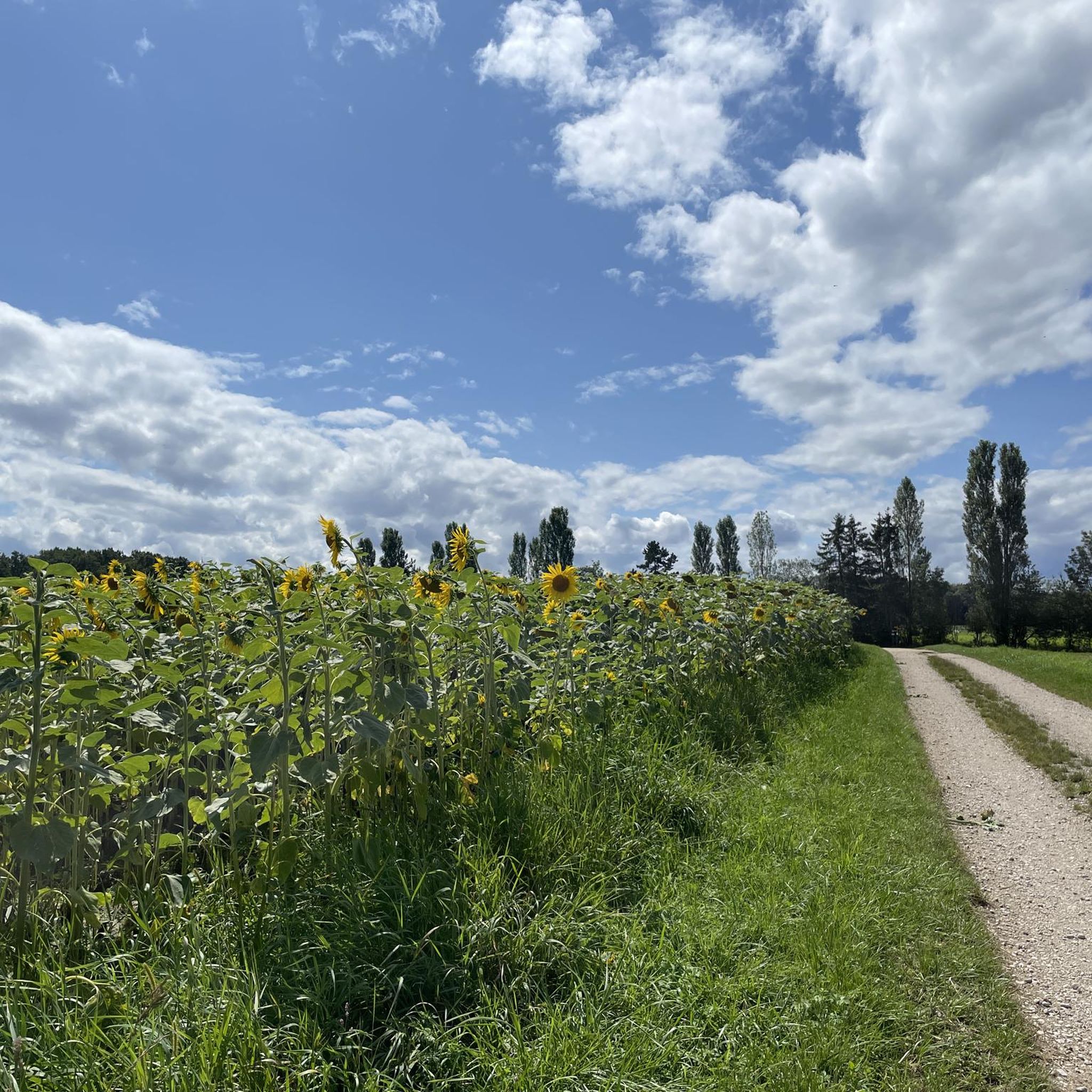
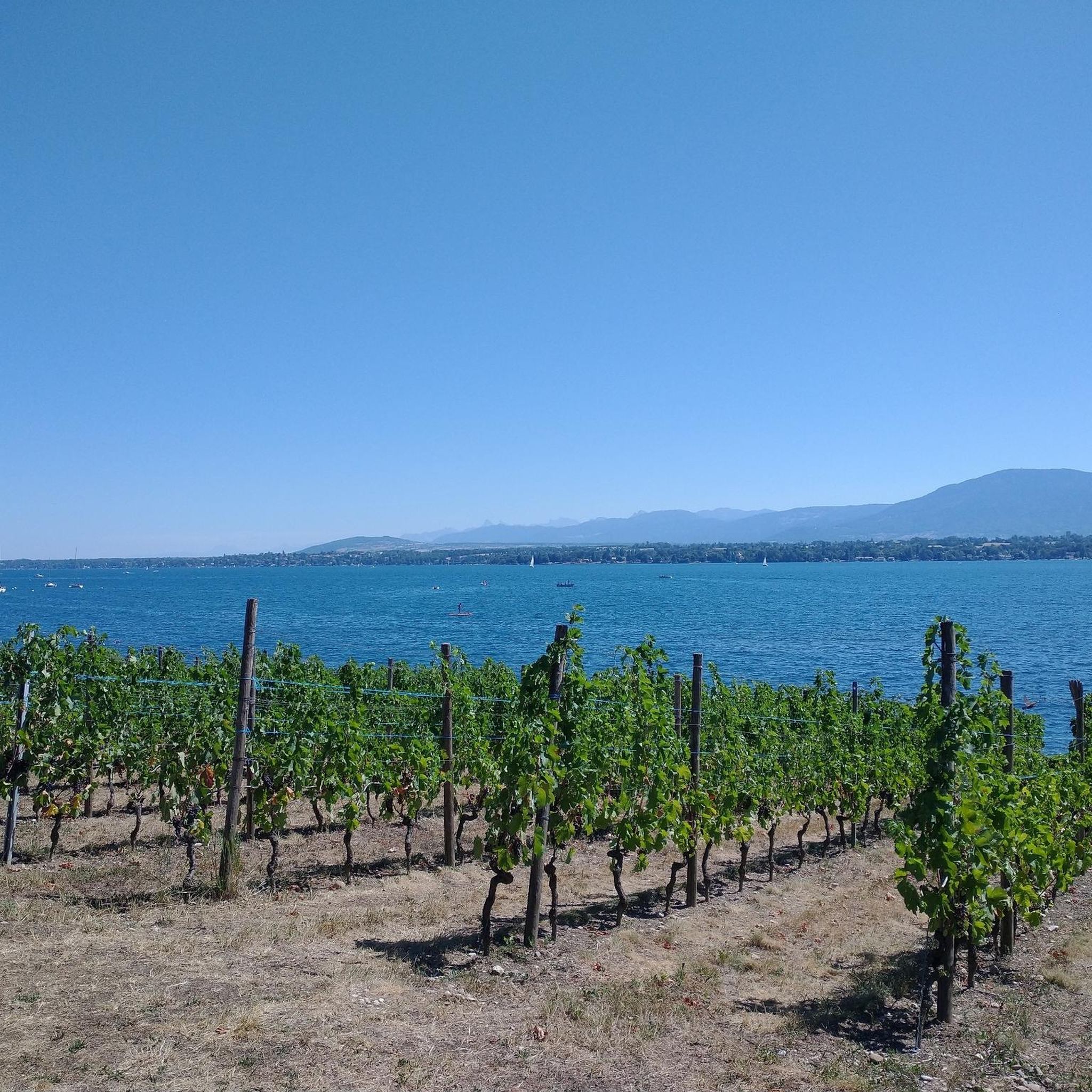
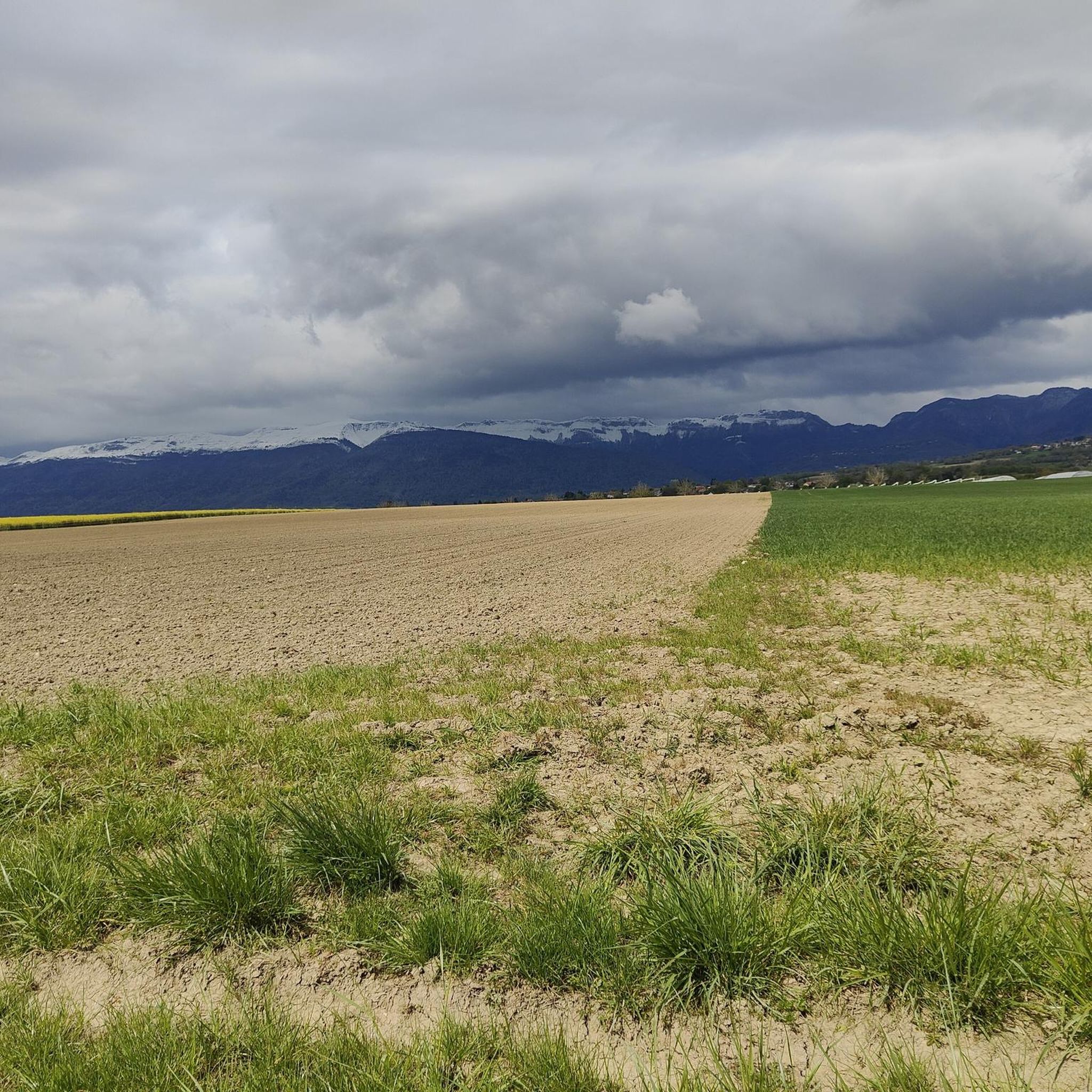
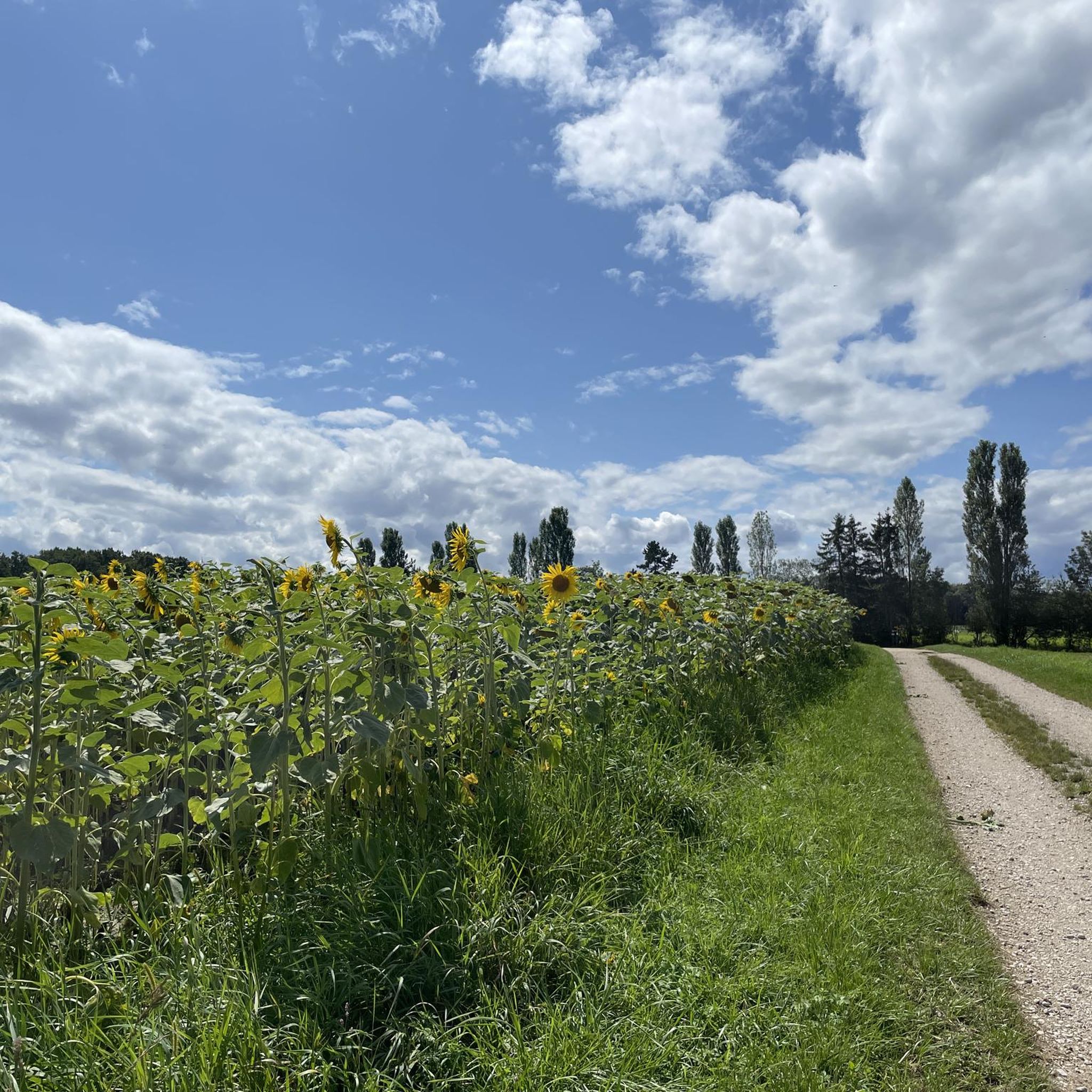
렉스(Gex)와 디본-레-뱅(Divonne-les-Bains)을 연결하는 녹색 도로는 쥐라 산맥과 레만 호수 사이의 푸른 풍경을 가로지르는 쉽고 쾌적한 포장된 경로입니다. 디본에서는 호수뿐만 아니라 자연과 스릴을 즐기는 사람들 사이에서 매우 인기 있는 몽 무렉스(Mont Mourex)의 산악자전거 코스로 쉽게 갈 수 있는 여러 경로가 있습니다.
0
0

Definitely my favorite place in Geneva, whatever the season, early in the morning or as evening falls. It feels good, somewhere else, and a place where you can dream all at once.
0
0

매우 멋진 접근로와 풍경입니다. 평균적인 라이더인 저도 할 수 있는 기술적인 구간이 두 곳 있습니다. 첫 번째 구간은 Mont Mourex까지 올라가는 길입니다 (둥근 돌이 있는 길이며 비가 오면 약간 진흙탕이 됩니다). 두 번째 구간은 가장 긴 루프로 가는 길에 있으며, 이곳은 길이 약간 좁고 깊습니다 (아마도 겨울 동안 빗물이 흘러내리기 때문일 것입니다). 어쨌든 할 수 있습니다. 시간을 갖고 집중하세요 :) 확실히 여러 번 더 타야 할 라이딩입니다
0
0

Easy - free parking (with macaron) at Le Griffon Tennis Club. Can be very muddy in parts after rain. Good all year nature reserve but few birds in Winter.
0
0

Gandhi's visit to Switzerland Gandhi visited Switzerland once in December 1931. At the invitation of the French writer and Nobel Prize winner for literature Romain Rolland, he spent a few days in Villeneuve before giving two speeches, the first on December 8th at the Maison du peuple in Lausanne and the second on December 10th at the Victoria Hall in Geneva. Gandhi maintained very close personal relations with Switzerland throughout his life, which served as the basis for the Indian-Swiss friendship. Text / Source: DAS Expertise in the areas of digital communication, web and social media - University of Geneva https://www.das-geneve.com/statue-de-gandhi-geneve/
13
0
Statue de Gandhi, Parc de l'Ariana / Statue of Gandhi The Gandhi statue, located in Ariana Park, was donated by India on November 14, 2007 on the occasion of the first International Day of Non-Violence. This gift from the Indian government to the city of Geneva commemorates the 60th anniversary of the Indo-Swiss friendship and underlines Geneva's role in promoting peace, harmony and friendship. The statue is made of bronze and is the work of the Calcutta sculptor Gautam Pal. Under the statue you can read the phrase "My life is my message", which describes Gandhi's non-violent Text / Source: DAS Expertise in Digital Communication, Web and Social Media - University of Geneva https://www.das-geneve.com/statue-de-gandhi-geneve/
14
0
CICR / ICRC Headquarters, Geneva The headquarters of the International Committee of the Red Cross is located in Geneva and supports our delegations around the world. The ICRC Headquarters manages the organization's role as an advocate and champion of international humanitarian law by working with governments and partners in the humanitarian community. Our main office handles fundraising, human resources and global communications. Text / Source: CICR / ICRC Headquarters, 19 Avenue de la Paix 1202 Geneva https://www.icrc.org/en
14
0
CICR / ICRC headquarters, Geneva Geneva's history of international cooperation is unrivalled by any other city. When a small group of Genevans founded the International Committee of the Red Cross (ICRC) in 1863, the foundations were laid for the first international humanitarian agreement, the Geneva Convention of 1864. In 1919, the victorious states of the First World War decided to set up the League of Nations and the International Labour Organisation (ILO) in Geneva, giving the city a stronger and more dynamic platform for dialogue and cooperation. When it came to finding a seat for the major international organisations after the Second World War, Geneva was again chosen. Today, Geneva is home to important players in the health sector, such as the Global Fund to Fight AIDS, Tuberculosis and Malaria. Text / Source: Direction des affaires Auslands (DAI), Service de la Genève International, Rue de Varembé 9, 1202 Genève https://www.geneve-int.ch/de/historical-milestones
14
0
타나이 주변에서 가장 인기 있는 명소


더 살펴보기
찾고 있는 하이라이트를 아직 못 찾으셨나요? 다른 지역의 주요 명소 가이드를 확인해보세요:
