슐라머스도르프에서 가장 멋진 20개의 천연기념물
천연기념물을 방문하여 슐라머스도르프의 아름다운 풍경을 만나보세요. 슐라머스도르프에 있는 20
개의 천연기념물과 상세 정보를 살펴본 후에 방문하고 싶은 천연기념물을 다음 모험 계획에 추가해보세요!
마지막 업데이트: 9월 28, 2026
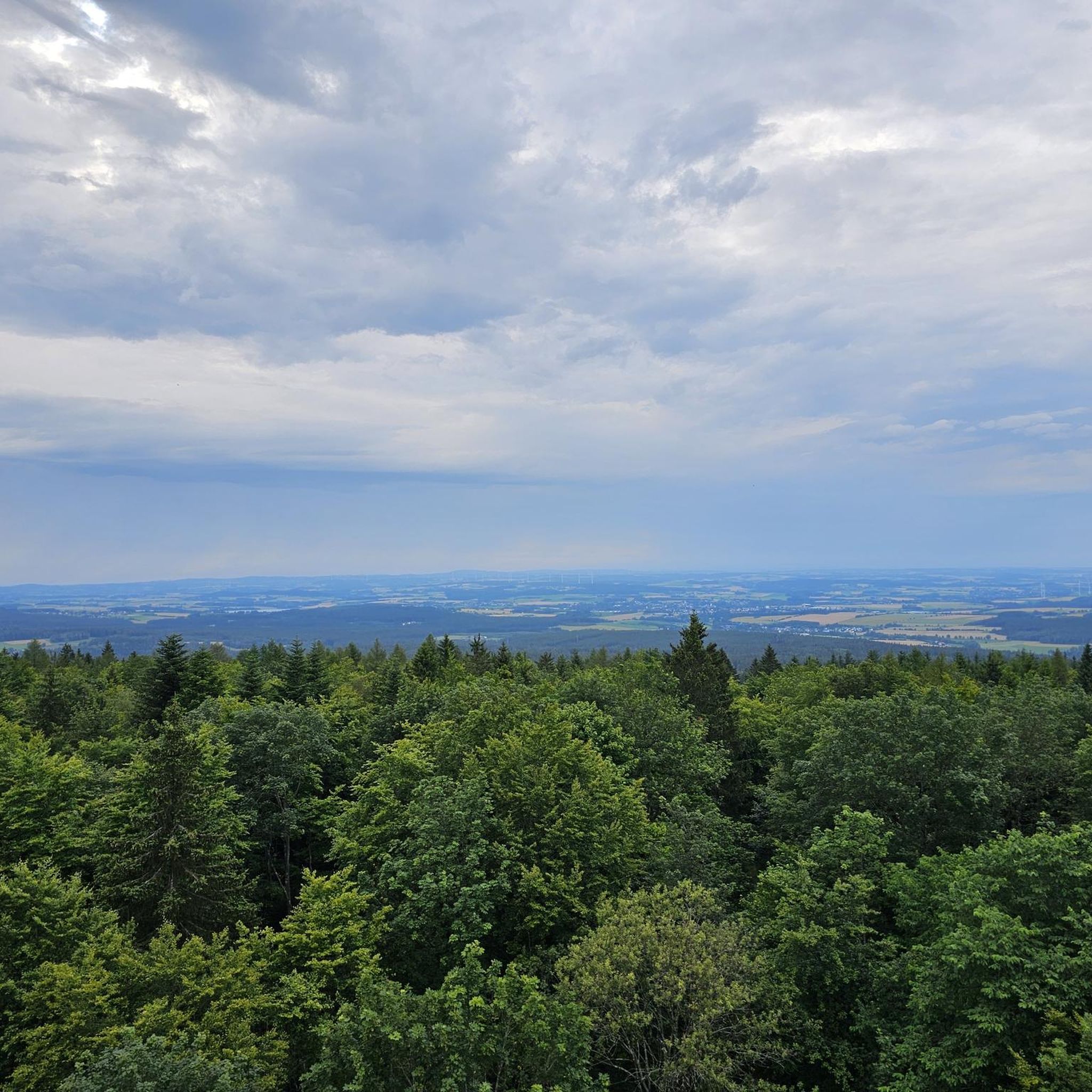
라우어 쿨름 전망대
하이라이트 • 전망대
Nicolaus Apel built a wooden observation tower as early as 1807. There was a movable gold-plated sun above …
번역자 Google •
팁에 의해

라우헨 쿨름의 환벽
하이라이트 • 역사적 장소
번역자 Google •
팁에 의해

이런 장소를 발견하려면 지금 가입하세요
최고의 싱글 트랙, 봉우리 및 다양한 흥미로운 야외 장소에 대한 추천을 받아보세요.
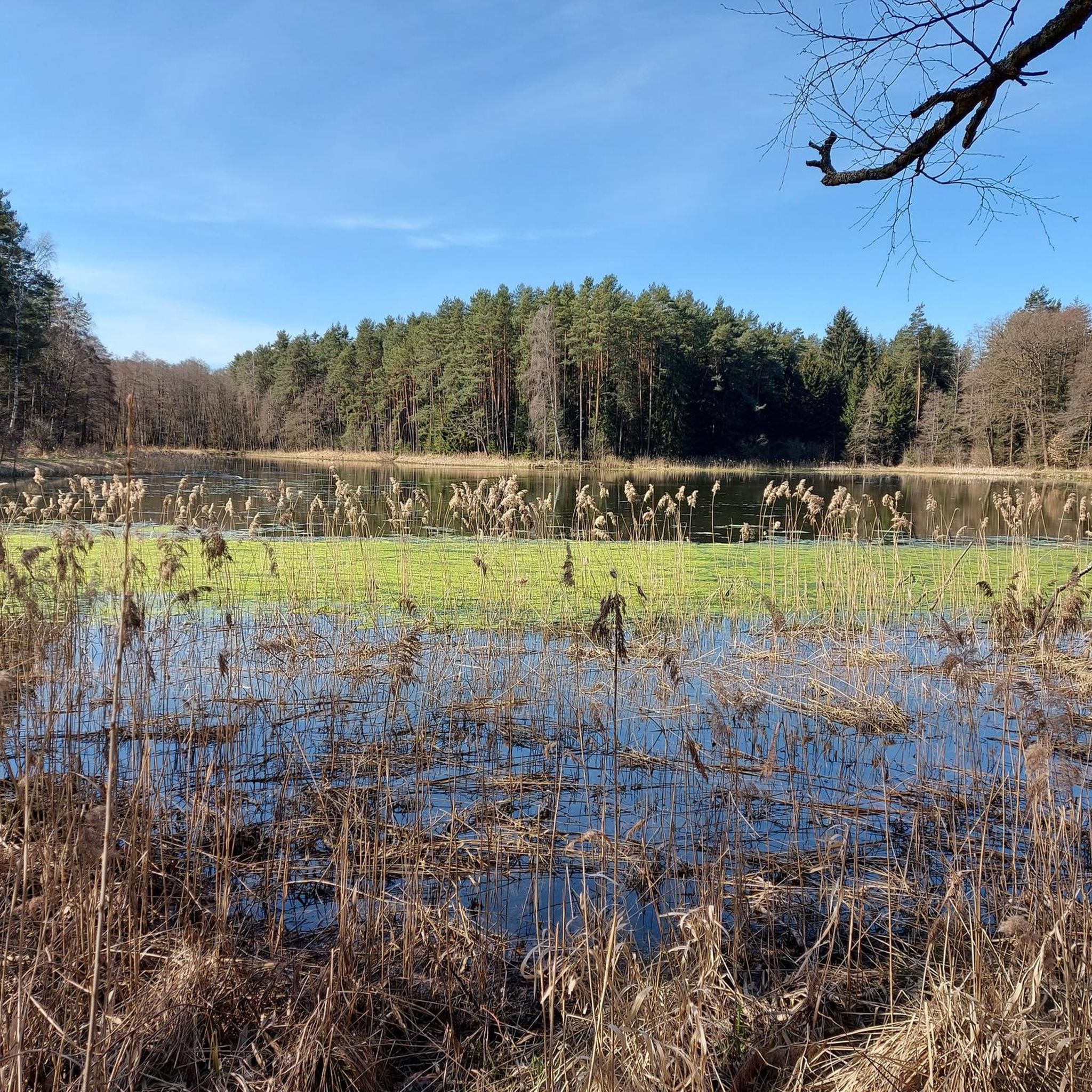
물수리 및 흰꼬리수리 관찰 지점, Großer Rußweiher
하이라이트 • 전망대
번역자 Google •
팁에 의해

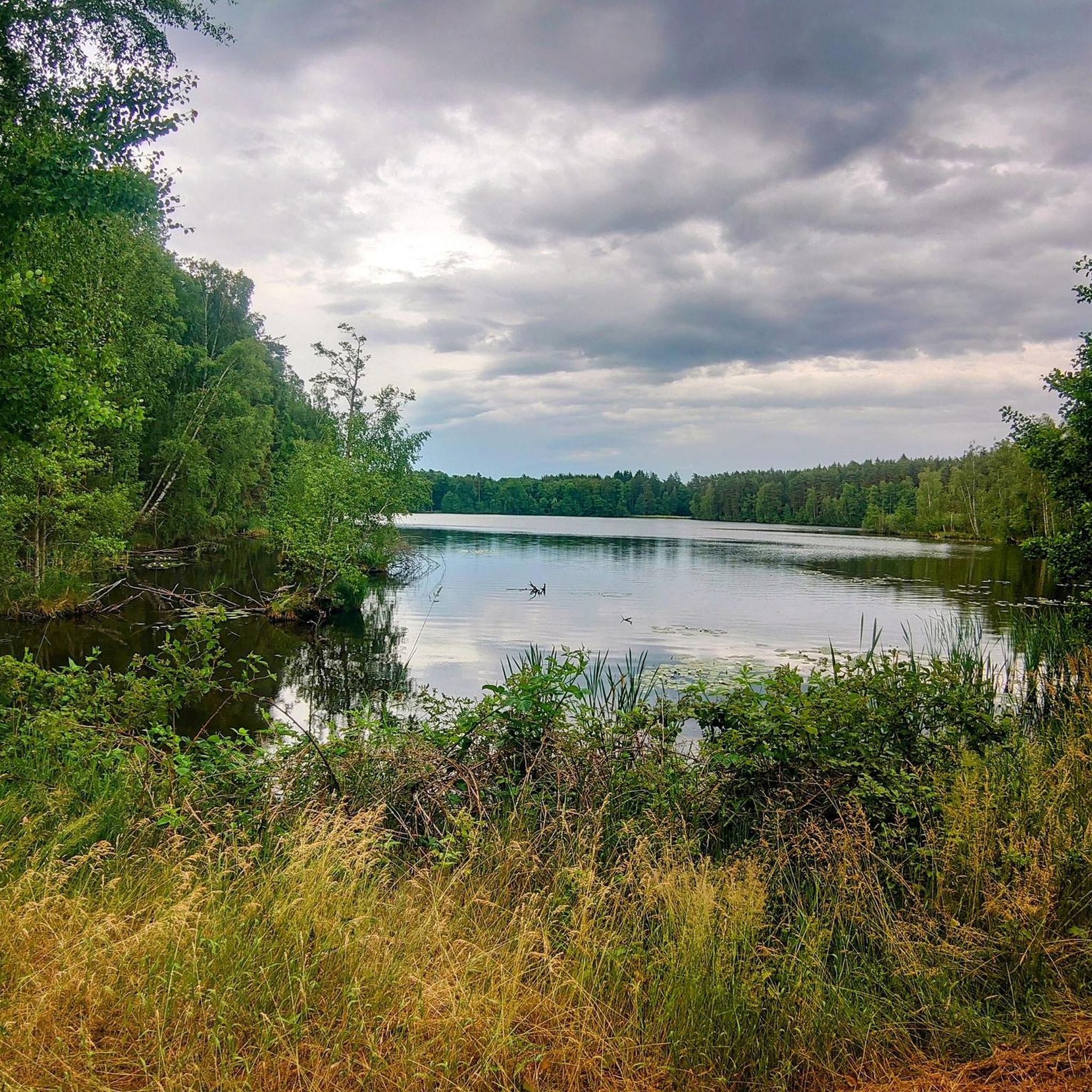
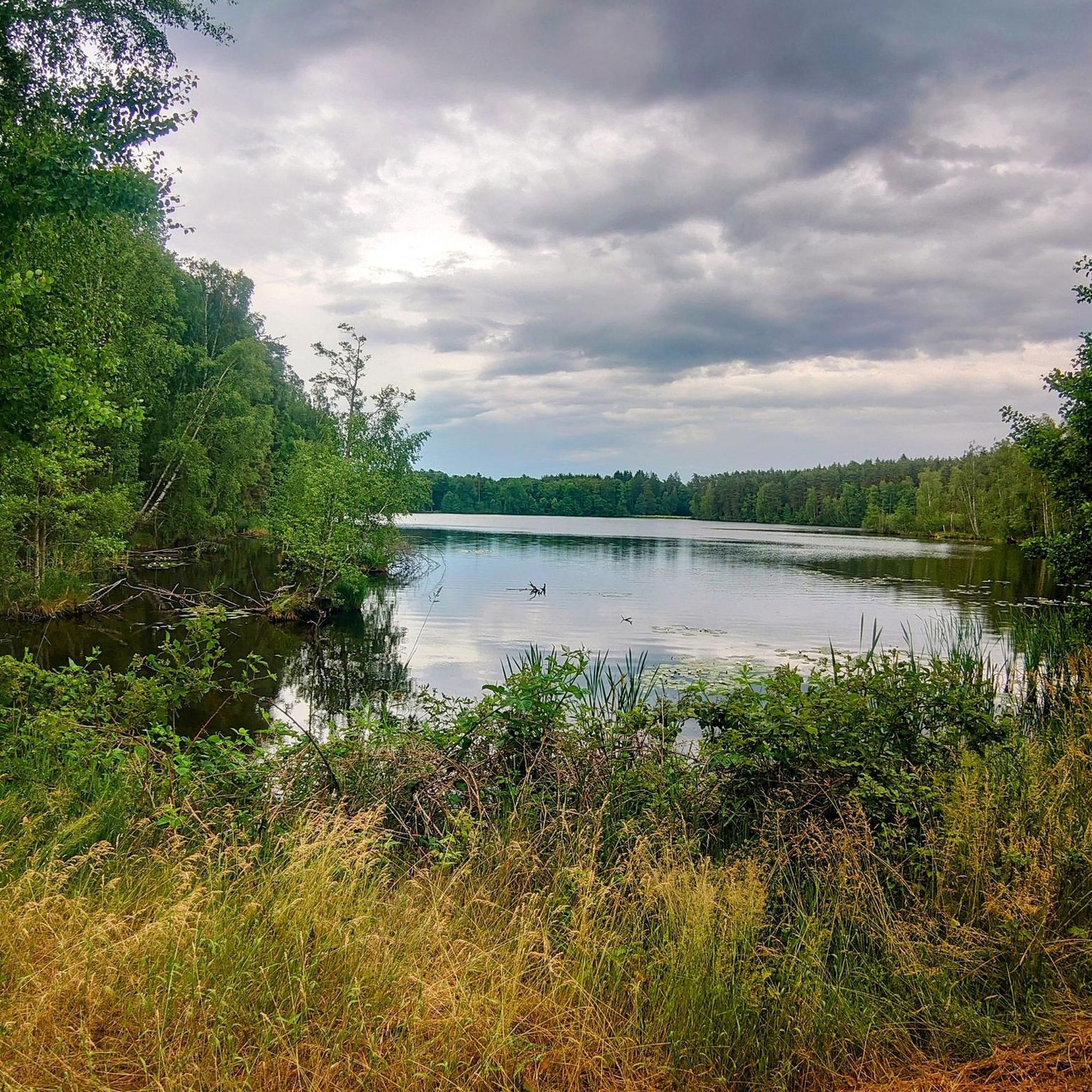
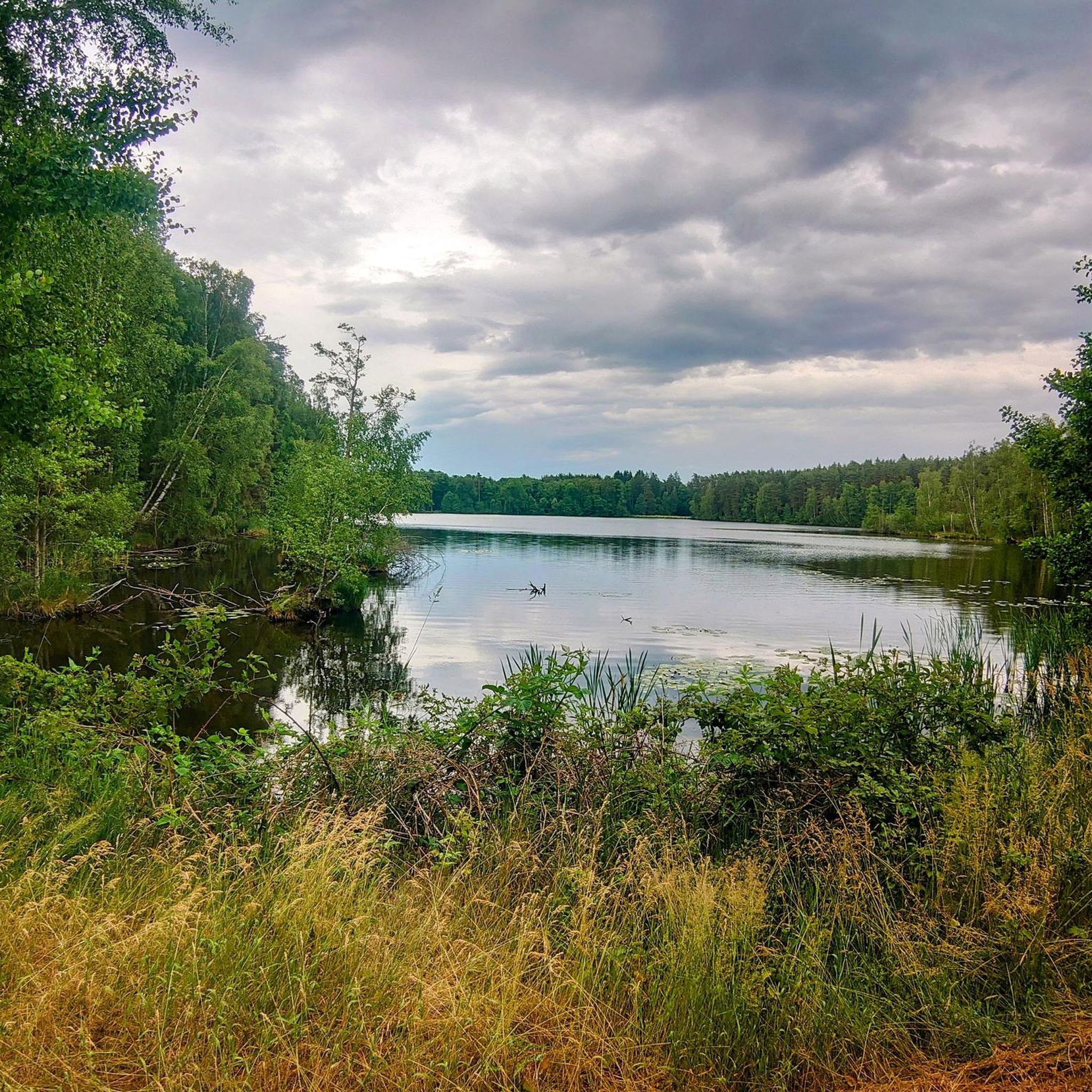
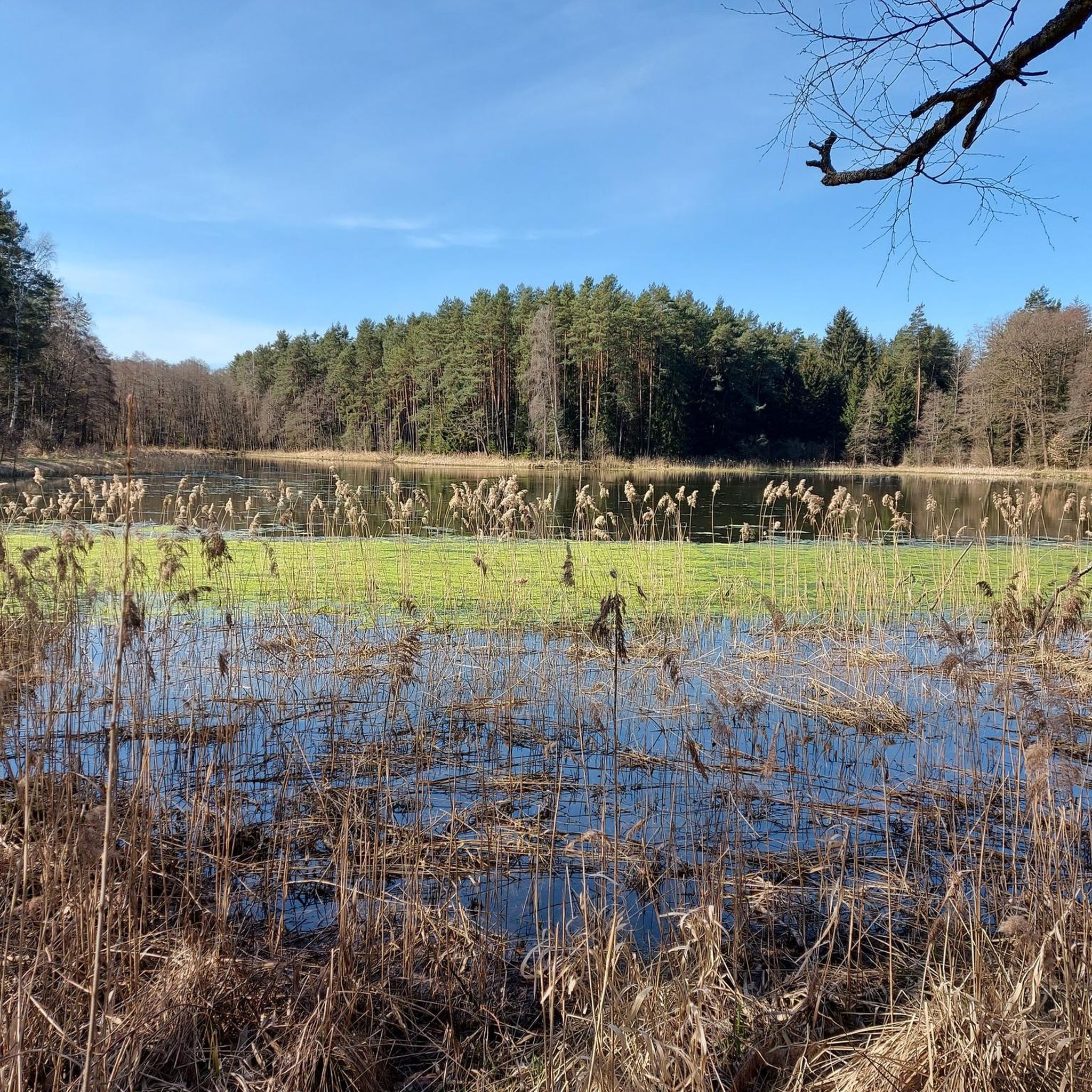
Großer Rußweiher와 Rußloheweiher 사이
하이라이트 • 호수
번역자 Google •
팁에 의해
바르바라베르크 순례지와 성 바르바라 교회 유적지
하이라이트 • 종교적 장소
번역자 Google •
팁에 의해

무료로 가입하여 슐라머스도르프 주변의 더 많은 자연 기념물을 발견하세요.
이미 komoot 계정이 있나요?
오늘 무료 계정으로 시작하세요
다음 모험이 기다리고 있어요.
커뮤니티 팁

Burgstall Rauhenkulm 고중세 시대 성의 기원에 대한 확실한 자료는 없습니다. 1119년 미헬펠트 베네딕토회 수도원의 설립 문서에는 레우텐베르크의 부코 데 쿨멘이 두 쿨름 중 하나에 거주지가 있었다고 명시되어 있습니다. 그는 따라서 과학적으로 최초로 입증된 성주가 될 것입니다. 그러나 라우에 쿨름인지 클라이네 쿨름인지 명확하지 않습니다. 쿨마인 마을의 건물이었을 가능성도 있지만, 가능성은 낮습니다. 발굴 조사에서 이 시대의 파편, 화살촉, 십자가, 동전 등이 발견되었습니다. 로저트에 따르면, 라우허 쿨름 방벽 건설은 헝가리로부터의 임박한 위협을 막으려는 오토 1세 대제의 전략의 일부였습니다. 성은 약 950년에 건설되었으며, 사암, 목골 구조, 벽돌이 사용되었습니다. 군사적 용도 외에도, 여러 물레축, 직조용 칼, 큰 철칼 등 다양한 발견물들이 여성과 아이들도 거주했음을 증명합니다. 뉘른베르크의 부르크그라프 프리드리히 3세는 1281년에 레우텐베르크의 영주들로부터 성과 관련 지역을 인수했습니다. 이전의 탑은 변경백의 신호 시스템의 일부였습니다. 두 번째 변경백 전쟁 중 변경백 알브레히트 알치비아데스 휘하에서, 클라이네 쿨름의 슐레흐텐쿨름 성과 함께 이 성은 1554년에 파괴되었습니다. 파괴되기 전에 두 성은 약 1년 동안 제국 도시 뉘른베르크, 밤베르크, 뷔르츠부르크, 바이에른의 군대에 의해 포위되었고, 주민들은 굶주렸습니다. 요새 사령관 폰 하이데나브는 1554년 6월 28일에 라우헨 쿨름의 요새를 항복했습니다. 이후 나사로 폭파되었고, 삼중 벽은 철거되고 파괴되었습니다. 나중에 중세 시대 양쪽 성터의 돌들이 노이슈타트의 성벽을 강화하는 데 부분적으로 사용되었습니다. 오늘날 부르크슈탈 라우헨쿨름에서는 지형의 흔적만 볼 수 있습니다. 주변 방벽의 잔해와 현재 전망대 바로 근처에 있는 탑의 위치를 식별할 수 있습니다. 지도 제작자 요한 크리스토프 슈티얼라인은 폐허가 있는 산의 최초의 매우 정확한 지형도를 제작했습니다. 출처: www.wikipedia.de
5
0
성 바르바라 순례 교회 바르바라 산에는 선사 시대의 정착 흔적이 있습니다. 기독교 이전 시대에는 이곳에 161개의 기록된 무덤이 있는 슬라브족의 묘지가 있었으며, 이는 1972년 발굴 중에 발견되었습니다. 약 1000년경의 로마네스크 양식의 홀 교회가 고고학적으로 확인되었습니다. 14세기 말에 이미 '성 바르바라의 작은 교회'와 성 바르바라의 나무 조각상으로 순례가 이루어졌다고 전해집니다. 종교 개혁 시기에 이러한 순례는 금지되었고, 이로 인해 쇠퇴가 시작되었습니다. 1661년, 켐나트의 신부 발타자르 그로쉬의 노력으로 예배당이 재건되었고, 헛간에 묻혀 있던 것이 발견된 은총의 그림으로 장식되었습니다. 아빠스 도미니쿠스 1세 폰 리블라인의 통치 하에 1741년과 1756년 사이에 성 바르바라를 기리기 위해 로코코 양식의 교회가 이곳에 세워졌습니다. 교회 건물은 십자 모양으로 배치되었고 다섯 개의 제단을 가졌습니다. 중앙 신도의 아치형 천장은 성 바르바라의 삶의 장면들로 장식되었습니다. 바르바라 산으로의 순례가 재개되었습니다. 1803년 세속화 과정에서 바르바라 교회도 폐쇄되고 매각되었습니다. 은총의 그림과 바르바라 유물은 그 자리에 남았고, 나머지 비품은 다른 본당에 판매되었습니다. 교회 공간은 헛간으로 개조되었습니다. 지붕 손상으로 인해 1888년에 교차점 돔과 내부가 철거되었습니다. 1914년에는 번개로 인해 교회가 부분적으로 소실되었습니다. 이후로 박공의 바르바라 동상은 머리가 없는 상태로 남아 있습니다. 1919년 뮌헨 대성당 참사회원 미하엘 하티히가 잔해를 인수하여 1921년에 축성된 작은 예배당을 지었습니다. 원래 그는 이곳에 뮌헨 교구 사제들을 위한 휴양소를 세우고 싶었습니다. 그러나 이 목적을 위해 설립된 협회는 1929년에 해산되었습니다. 그 후 그는 이 건물을 오늘날까지 소유하고 있는 슈파인샤르트 수도원에 기증했습니다. 1976/77년에 외부 보수 공사가 이루어졌고, 1992년부터 1994년까지 내부 복원이 이어졌습니다. 교회에서는 여전히 화려한 장식 정면이 남아 있으며, 그 좌우에는 이전에는 수도원 거주자들의 숙박을 위해 사용되었고 나중에는 농업 목적으로 사용되었던 건물들이 있습니다. 이전 교회의 희미한 벽 잔해가 여전히 남아 있습니다. 출처: www.wikipedia.de 발췌
5
0

It's best combined with a tour of Speinshart Monastery. The Stations of the Cross and Barbaraberg Church are well worth seeing.
1
0

directly on the dam between the two ponds
1
0

Dam that separates the large and small Rußweiher - beautiful view of both ponds
2
0

The rampart on the Rauher Kulm is a fortification at the foot of the Rauher Kulm. Gate area of the rampart Area disturbed by quarrying The Rauher Kulm, as a basalt mountain in the otherwise flat surroundings, was already visited by people in prehistoric times. The rampart made of basalt blocks runs around the foot of the mountain. Finds point to the Bronze Age, the Celts, the time of the Carolingians and the Slavic settlement chambers. Fighting took place during the time of the Hungarian invasions. Even if the rampart has been disturbed by later interventions, including the creation of an English garden across the entire mountain or the mining of the basalt in quarries, the course can be recognized from the basalt boulders. There is a lower main rampart with at least two gate areas and another fortified area at medium height. The hilltop castle is, however, classified as largely late medieval. Several burial mounds are also known. It is assumed that the settlement was located within the protective wall, so that it was not just a refuge. The predominantly stone remains were reinforced by wooden structures, among other things. There is evidence of post-and-slot walls, kennel-shaped walls and additionally secured gate areas. The cartographer Johann Christoph Stierlein made a drawing of the Rauher Kulm and recorded both the rampart and the hilltop castle.[1] The rampart was researched at the beginning of the 20th century by Adalbert Neischl on behalf of the Nuremberg Natural History Society and Hugo Obermaier, who completed Neischl's work. Hans Losert has been carrying out excavations for over ten years and is responsible for the scientific analysis.
1
0

The ring wall itself dates back to the time of the Celts and probably served as a refuge or place of worship. The remains of the ramparts are still clearly visible and make for an exciting exploration tour. The climb to the summit is a bit strenuous, but the view and the historic atmosphere definitely make the effort worthwhile.
4
0

Around the cone, hikers will find a well-developed network of paths through varied mixed forest and old beech forest stands. The newly marked paths mostly lead along well-paved forest paths, but also along natural hiking trails. The exposed basalt slopes are a valuable habitat for numerous animals and rare plants. Around 90 different lichens and mosses grow and thrive on the heat-storing basalt boulders. The Rauhe Kulm has been protected as a natural monument since 1909 and has been a nature reserve in accordance with European standards (FFH) for several years. In 2013, the Rauhe Kulm was voted Germany's most beautiful natural wonder.
8
1
슐라머스도르프 주변에서 가장 인기 있는 명소


더 살펴보기
슐라머스도르프 주변의 최고의 동굴을 찾기 위해 이 가이드를 확인해보세요:
