링게나우에서 가장 멋진 20개의 천연기념물
천연기념물을 방문하여 링게나우의 아름다운 풍경을 만나보세요. 링게나우에 있는 20
개의 천연기념물과 상세 정보를 살펴본 후에 방문하고 싶은 천연기념물을 다음 모험 계획에 추가해보세요!
마지막 업데이트: 10월 10, 2026

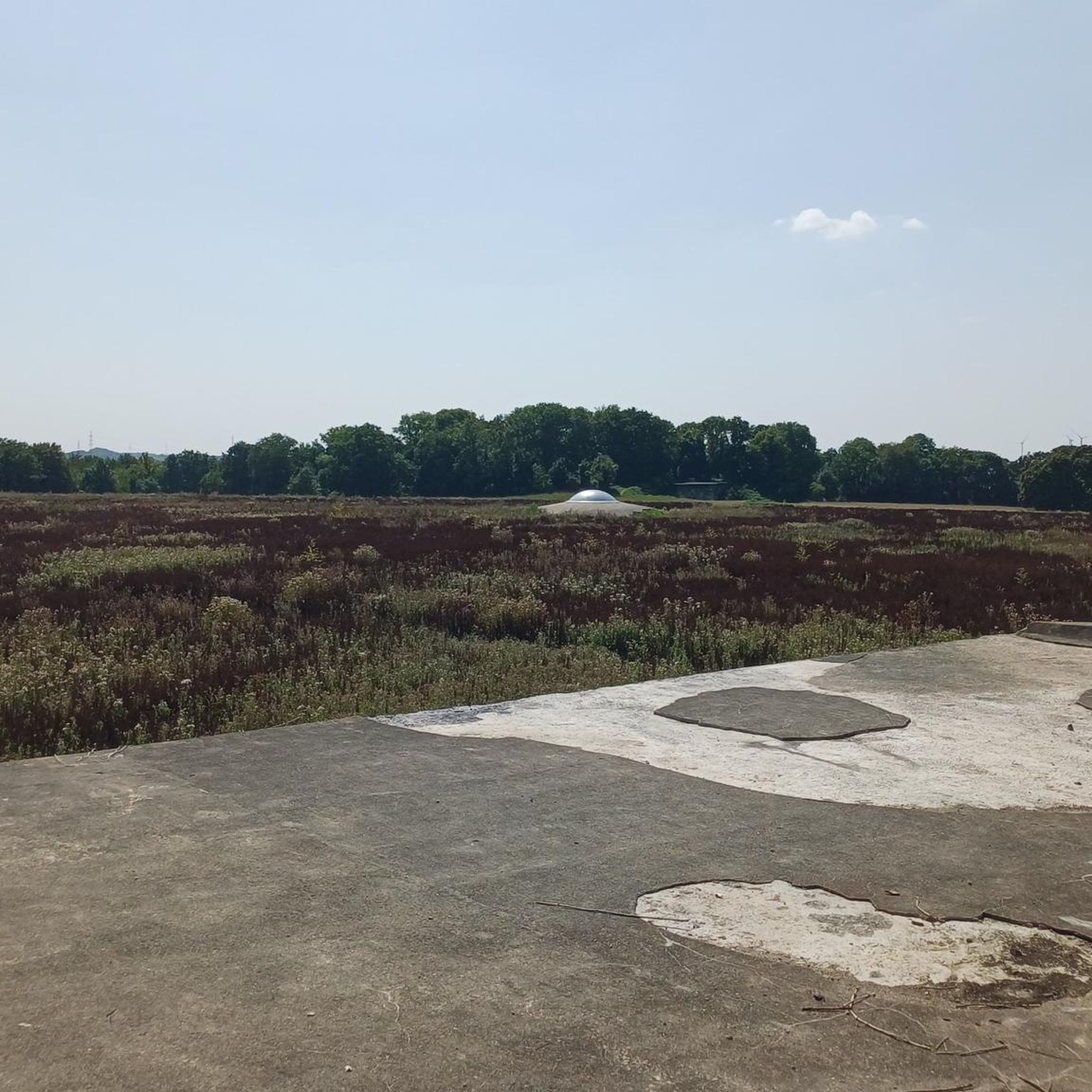
Wildrosenmoos 자연 보호구역
하이라이트 • 자연 기념물
번역자 Google •
팁에 의해

이런 장소를 발견하려면 지금 가입하세요
최고의 싱글 트랙, 봉우리 및 다양한 흥미로운 야외 장소에 대한 추천을 받아보세요.


무료로 가입하여 링게나우 주변의 더 많은 자연 기념물을 발견하세요.
이미 komoot 계정이 있나요?



커뮤니티 팁

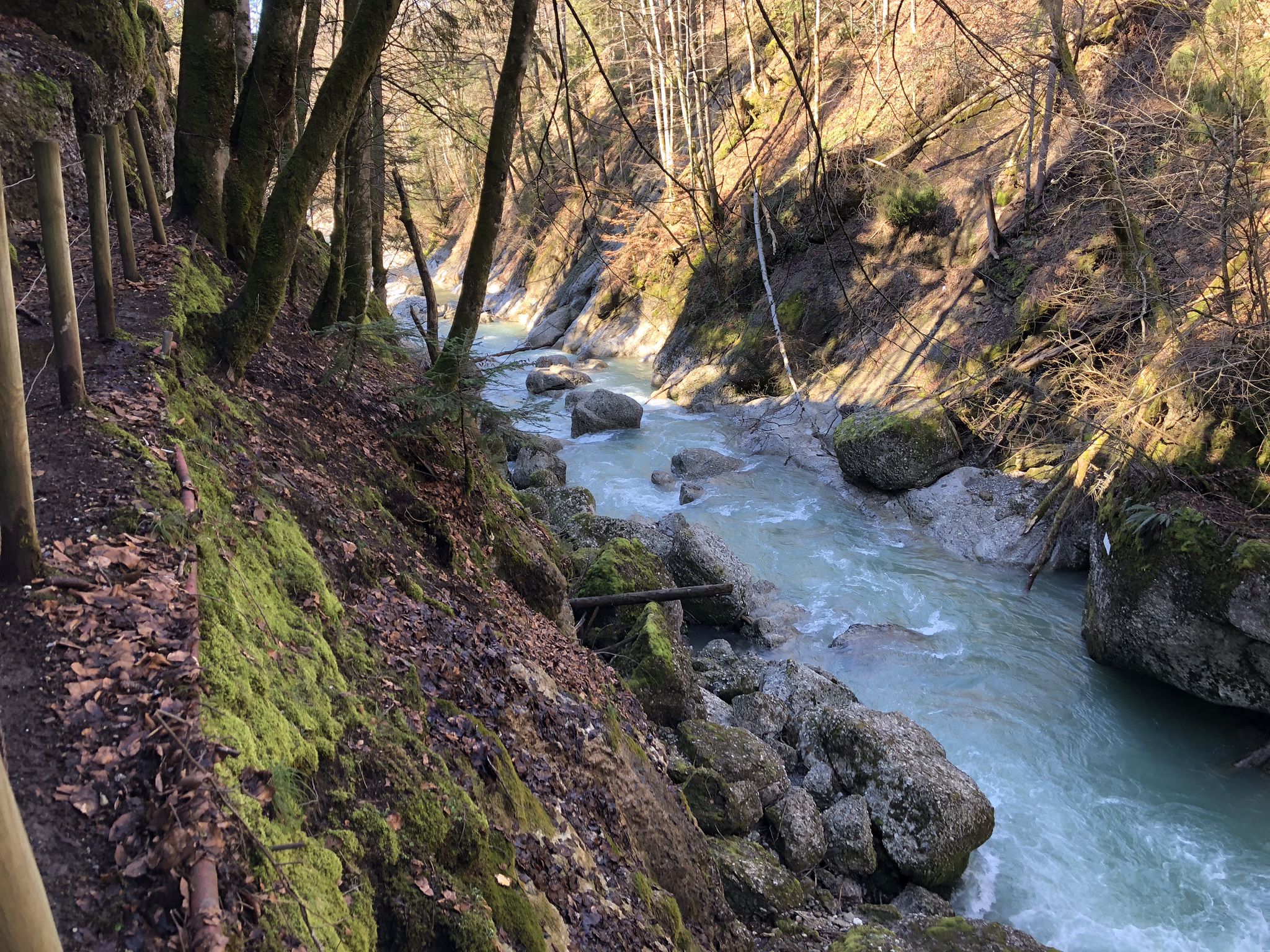
A particularly beautiful natural monument is the tufa slope in Lingenau. It is one of the most magnificent travertine formations in Europe north of the Alps and thus one of the most outstanding geological features in Vorarlberg. Here, spring water plunges over a roughly 40-meter-high escarpment, approximately 30 meters wide, into the Subersach Gorge. The conglomerate rock outcrop, visible in some places, is partially covered by several meters of travertine and spring tufa. On the overhangs, mushroom-shaped layers of travertine have developed into stalactite-like canopies. At the base of the rock face, the water collects in several travertine pools. Beneath the waterfall, the calcareous water encrustes the slope down to the Subersach River. Plant and animal remains are covered and encrusted by the lime. After the organic matter dissolves, an exact imprint (fossils) remains. The resulting porous, sponge-like rock is called travertine, the denser form being travertine.
6
0
A particularly beautiful natural monument is the tufa slope in Lingenau. It is one of the most magnificent travertine formations in Europe north of the Alps and thus one of the most outstanding geological features in Vorarlberg. Here, spring water plunges over a roughly 40-meter-high escarpment, approximately 30 meters wide, into the Subersach Gorge. The conglomerate outcrop, visible in some places, is partially covered by several meters of travertine and spring tufa. On the overhangs, mushroom-shaped layers of deposits have developed into stalactite-like canopies. At the base of the rock face, the water collects in several travertine pools. Beneath the waterfall, the calcareous water encrustes the slope down to the Subersach River. Plant and animal remains are covered and encrusted by the lime. After the organic matter dissolves, an exact imprint (fossils) remains. The resulting porous, sponge-like rock is called travertine, the denser form being travertine. Tufa is a light, porous rock that is easy to work. It has proven itself in the past as a building material – especially for stables and vaulted structures. Tufa was used in the construction of the nearby Baroque St. Anna Chapel, which dates from 1722.
6
0

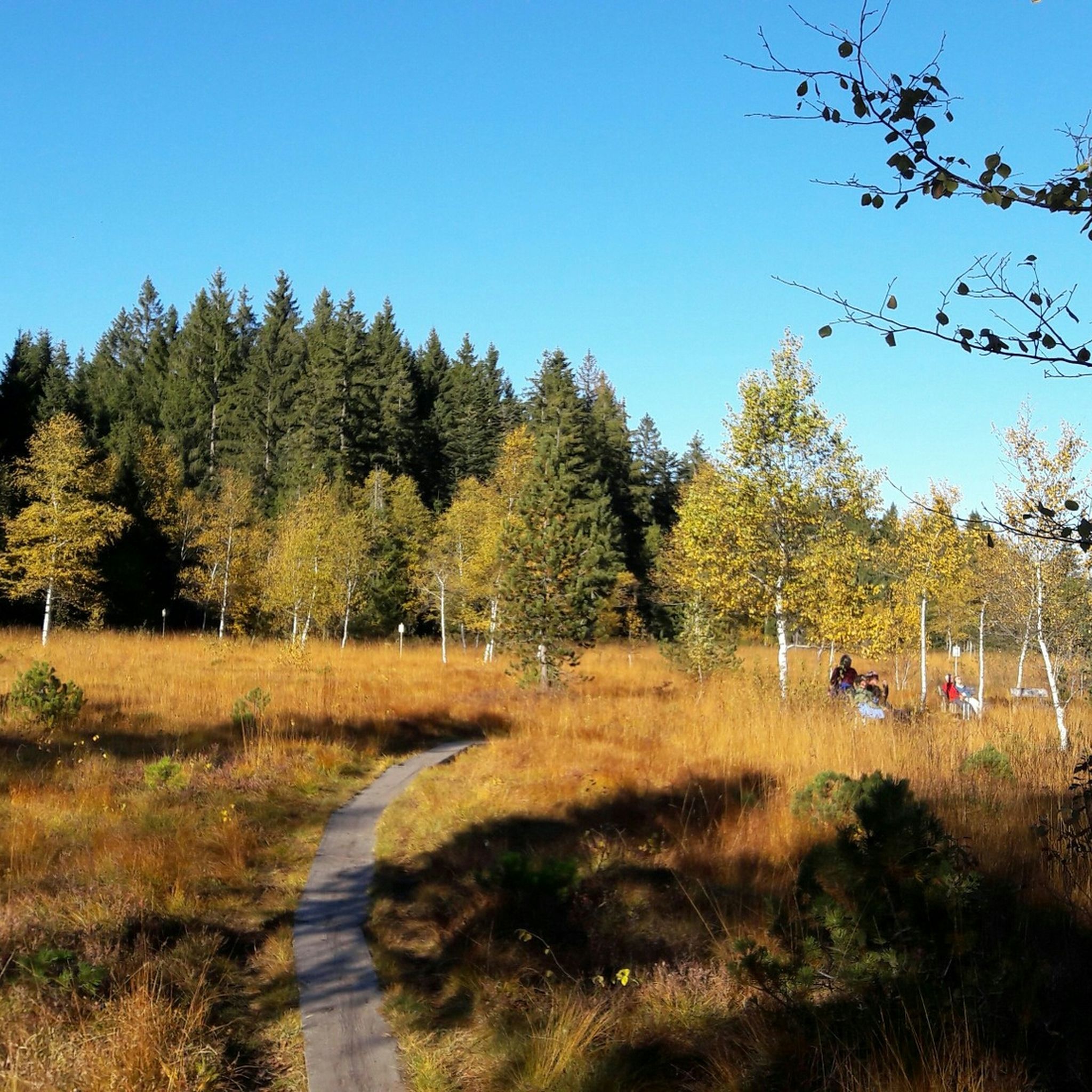
A very beautiful raised bog near Sulzberg. Worth a visit at any time of year 🥰.
8
0

The tuff rocks are a natural spectacle and you can easily hike to them 👍
9
1

One of the numerous peaks of the Nagelfluh chain... you can have a nice stop just below
3
0


The tufa springs in Lingenau are one of the most impressive natural phenomena in Vorarlberg. On this short hike, you can experience the formation of rocks almost in real time. But what exactly is this tufa spring? From a geological perspective, the term "tuff" is actually incorrect. Tuff refers to rock formed from solidified volcanic ash. When the Romans conquered Vorarlberg around 15 BC, they also came to the Bregenzerwald. The strange rock they found here reminded them of the rocks in their homeland in southern Italy, and they named it after this tufa rock. But how does this tufa spring actually form? For tufa springs to form, certain ingredients are needed. And these are ideally present in Lingenau. The majority of the municipality lies on a glacial moraine or post-glacial gravel plains. These areas are very permeable to water, and the rock is largely calcareous. When the calcareous water reaches the surface and flows over moss carpets, algal mats, or colonies of cyanobacteria, a larger amount of lime is deposited because these organisms extract carbon dioxide from the water for photosynthesis, causing the lime to precipitate. The lime adheres to branches, stones, small trees, etc., forming upward-growing structures or steps in stream terraces. Under favorable conditions, lime sediments can accumulate by up to 20 mm per year. Within a few centuries, structures several meters high can form. For a long time, tufa was also used as a building material. It was lightweight, stable, provided good insulation, and was fire-resistant. An example can still be found today in the foundations of the chapel in Lingenau. Source: https://www.vorarlberg.travel/aktivitaet/quelltuff-lingenau-bregenzerwald/
6
0
The tufa springs in Lingenau are one of the most impressive natural phenomena in Vorarlberg. On this short hike, you can experience the formation of rocks almost in real time. But what exactly is this tufa spring? From a geological perspective, the term "tuff" is actually incorrect. Tuff refers to rock formed from solidified volcanic ash. When the Romans conquered Vorarlberg around 15 BC, they also came to the Bregenzerwald. The strange rock they found here reminded them of the rocks in their homeland in southern Italy, and they named it after this tufa rock. But how does this tufa spring actually form? No moss, no honey. For tufa springs to form, certain ingredients are needed. And these are ideally present in Lingenau. The majority of the municipality lies on a glacial moraine or post-glacial gravel plains. These areas are very permeable to water, and the rock is largely calcareous. When the calcareous water reaches the surface and flows over moss carpets, algal mats, or colonies of cyanobacteria, a larger quantity of lime is deposited because these organisms extract carbon dioxide from the water for photosynthesis, causing the lime to precipitate. The lime adheres to branches, stones, small trees, and so on, forming upward-growing structures or terraces in stream banks. Under favorable conditions, lime sediments can accumulate by up to 20 mm per year. Within a few centuries, structures several meters high can form. For a long time, tufa was also used as a building material. It was lightweight, stable, provided good insulation, and was fire-resistant. An example can still be found today in the foundations of the chapel in Lingenau. Source: https://www.vorarlberg.travel/aktivitaet/quelltuff-lingenau-bregenzerwald/
11
0
링게나우 주변에서 가장 인기 있는 명소


더 살펴보기
링게나우 주변의 최고의 동굴을 찾기 위해 이 가이드를 확인해보세요:
