천연기념물을 방문하여 팔켄슈타인의 아름다운 풍경을 만나보세요. 팔켄슈타인에 있는 20
개의 천연기념물과 상세 정보를 살펴본 후에 방문하고 싶은 천연기념물을 다음 모험 계획에 추가해보세요!
마지막 업데이트: 5월 26, 2026
하이라이트 (구간) • 협곡
번역자 Google •
팁에 의해
이런 장소를 발견하려면 지금 가입하세요
최고의 싱글 트랙, 봉우리 및 다양한 흥미로운 야외 장소에 대한 추천을 받아보세요.
무료 회원 가입
하이라이트 • 강
번역자 Google •
팁에 의해
하이라이트 • 성
번역자 Google •
팁에 의해
무료로 가입하여 팔켄슈타인 주변의 더 많은 자연 기념물을 발견하세요.
무료 회원 가입
이미 komoot 계정이 있나요?
오늘 무료 계정으로 시작하세요
다음 모험이 기다리고 있어요.
로그인 또는 가입하기
From above you have a great view of the Otterbach stream and the rock formations below.
1
0
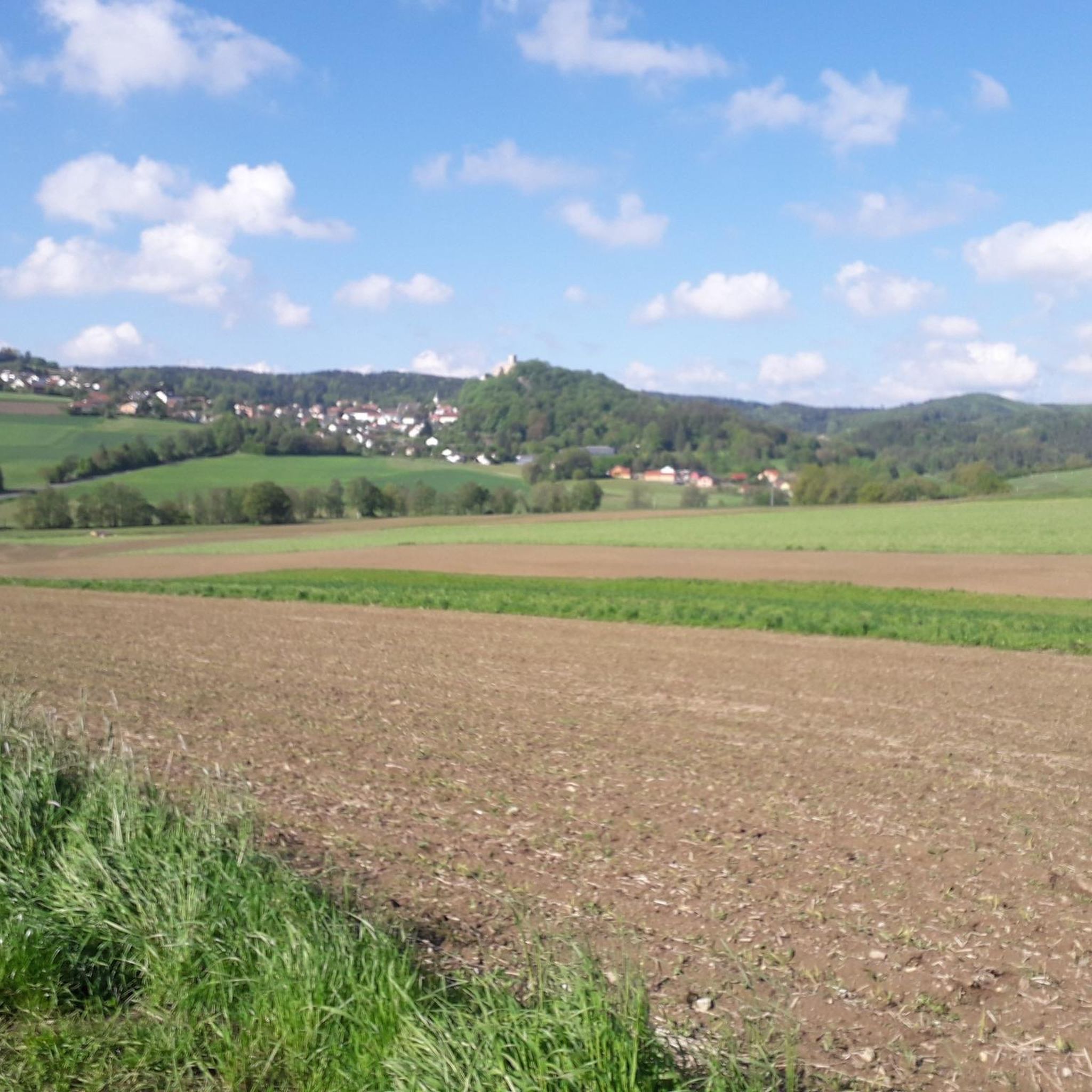
Lobenstein Castle Ruins Around 1150, Othmar and Rizman von Lobeneck appear in local documents as ministerials of the Margrave of Cham. It is uncertain whether the nobility was referring to the later Lobenstein Castle. We are on safe ground in 1340, when Eberhard von Hof buys an existing "purkstal near Zelle" from Eiban von Peilstein and receives permission from Emperor Ludwig the Bavarian to build there in return for the right to open it. From 1342, Eberhard calls himself Hofer von Lobenstein. He manages a Hofmark in Zell for Bavaria and appoints judges there. After the castle is destroyed by the Hussites at the beginning of the 15th century, the Hofers run into financial difficulties and become robber barons. In 1443, Duke Albrecht III of Bavaria occupied the castle because Degenhard Hofer had killed some of his subjects. Hans Hofer's part of the castle was taken away from him by Count Palatine Otto II in 1468 for similar crimes. From 1489, Dietrich Hofer was a member of the Löwler Knights' League, which opposed the Bavarian Duke. He conquered the castle and only returned it to Dietrich's son Wolf in 1507. In 1530, Lobenstein became part of the Palatinate, but after the damage it was probably never properly inhabited again. The Hofers remained the owners because nobody wanted to buy the ruins. The last Hofer to live in Lobenstein was Hans Georg, who had to leave his domain in 1629 because of his Protestant faith. The Bavarian-occupied Lobenstein Castle was probably finally destroyed by the Swedes in 1633. It has remained a ruin ever since. All that is left of Lobenstein Castle today is the residential tower, which seems to literally grow out of the stone of the granite rock tower. The slightly raised entrance was protected by a round wall tower on the southeast corner. Instead of simple beamed ceilings, barrel vaults were built on Lobenstein with plaster that is still clearly visible today. The residential tower has 3 floors and is 18 m high with a wall thickness of 2.5 m. The walls are built from rough rubble stone and the corners are made of ashlars. In the lower regions between these rocks, remains of walls can still be found that stand out clearly from the rest and could have come from the previous castle. In the basement there are a few narrow light slits, while the larger windows on the upper floors have comfortable seating niches. On the northwest corner of the second floor, the consoles of a toilet bay can still be seen. Source: Excerpts from www.burgenseite.de
3
0
Beautiful surroundings, quiet location and great rock formations
1
1
Definitely high if you're in the area. Very nice.
3
0
A highlight, of course. Definitely go up to the Schlossberg.
2
0
The Höllbach The stream has its origins in the Falkensteiner Vorwald near Wiesenfelden as the outflow of the Hammerweiher. Up to the Rettenbach reservoir it is called Arracher Bach, from Rettenbach it is called Höllbach, and from the mouth of the Rupertsbühler Bach near Heilsberg it is called Wiesent. The Wiesent and its upper reaches flow through the towns of Wiesenfelden, Neumühle, Hammermühl, Arrach, Rettenbach, Postfelden, Fahnmühle, Heilsberg, Waffenschmiede, Wiesent and Oberachdorf, among others. Before it flows into today's Danube, the Wiesent flows through the oxbow lake known as the “Old Danube” in the Gmünder Au nature reserve and, after a 25 km run, flows into the Danube between Wörth an der Donau and Niederachdorf. Source: Excerpts from Wikipedia
1
1
팔켄슈타인 주변의 최고의 동굴을 찾기 위해 이 가이드를 확인해보세요: