라 코스테라 데 자티바에서 가장 멋진 10개의 천연기념물
천연기념물을 방문하여 라 코스테라 데 자티바의 아름다운 풍경을 만나보세요. 라 코스테라 데 자티바에 있는 10
개의 천연기념물과 상세 정보를 살펴본 후에 방문하고 싶은 천연기념물을 다음 모험 계획에 추가해보세요!
마지막 업데이트: 10월 23, 2026
Cova Negra
하이라이트 • 동굴
번역자 Google •
팁에 의해


이런 장소를 발견하려면 지금 가입하세요
최고의 싱글 트랙, 봉우리 및 다양한 흥미로운 야외 장소에 대한 추천을 받아보세요.
Quatre Camins 채석장 (Llosar dels Francs)
하이라이트 • 역사적 장소
번역자 Google •
팁에 의해
알트 데 라 크레우
하이라이트 • 정상
팁에 의해

Pi d'Ambrosio
하이라이트 • 숲
번역자 Google •
팁에 의해
라 플라나에서 바라본 전경
하이라이트 • 전망대
번역자 Google •
팁에 의해

라 바스티다 데 레스 알쿠세스
하이라이트 • 역사적 장소
번역자 Google •
팁에 의해

Cova de les Finestres 암각화
하이라이트 • 역사적 장소
팁에 의해
무료로 가입하여 라 코스테라 데 자티바 주변의 더 많은 자연 기념물을 발견하세요.
이미 komoot 계정이 있나요?
오늘 무료 계정으로 시작하세요
다음 모험이 기다리고 있어요.


커뮤니티 팁

The Quatre Camins quarry, also known as the Llosar dels Francs, is an archaeological site 500m away. of the Roman villa, known as Villa Cornelius, located in Partida dels Francs, in the municipality of Énova. These are quarries that, according to some scholars, could be considered the most important of the Roman period in the Iberian Peninsula. The commercialization of the marble extracted from these quarries was the main source of wealth for the Iunii family, of the Galeria Tribe, owners of the plantation and the Cornelius town. The transport of the stone was done through the carriladas, that is to say, grooves in the rocks that channeled the wheels of the carts, which can still be seen on the road that leads from Énova to Barxeta (https:// www.komoot.com/es-es/highlight/6171388). The planter has preserved marks that show that the marble was extracted forming rectangular blocks. These large blocks were transported in bullock carts to the town, where the work of stonemasons or stonemasons continued, who would fragment them and shape them into specific pieces, according to the order that needed to be served. This marble was used to make tombstones, monuments of different sizes and even slabs to pave the Roman theater in Zaragoza or the plinths of the Romanesque door of the Cathedral of Valencia. In the same municipality of Énova there are several Roman tombstones that provide the Greek names of slaves such as Lleones, Vibi Èutic (Vibius Euthycus) and Himeto (Himetós), which are built with materials from these quarries.
1
0

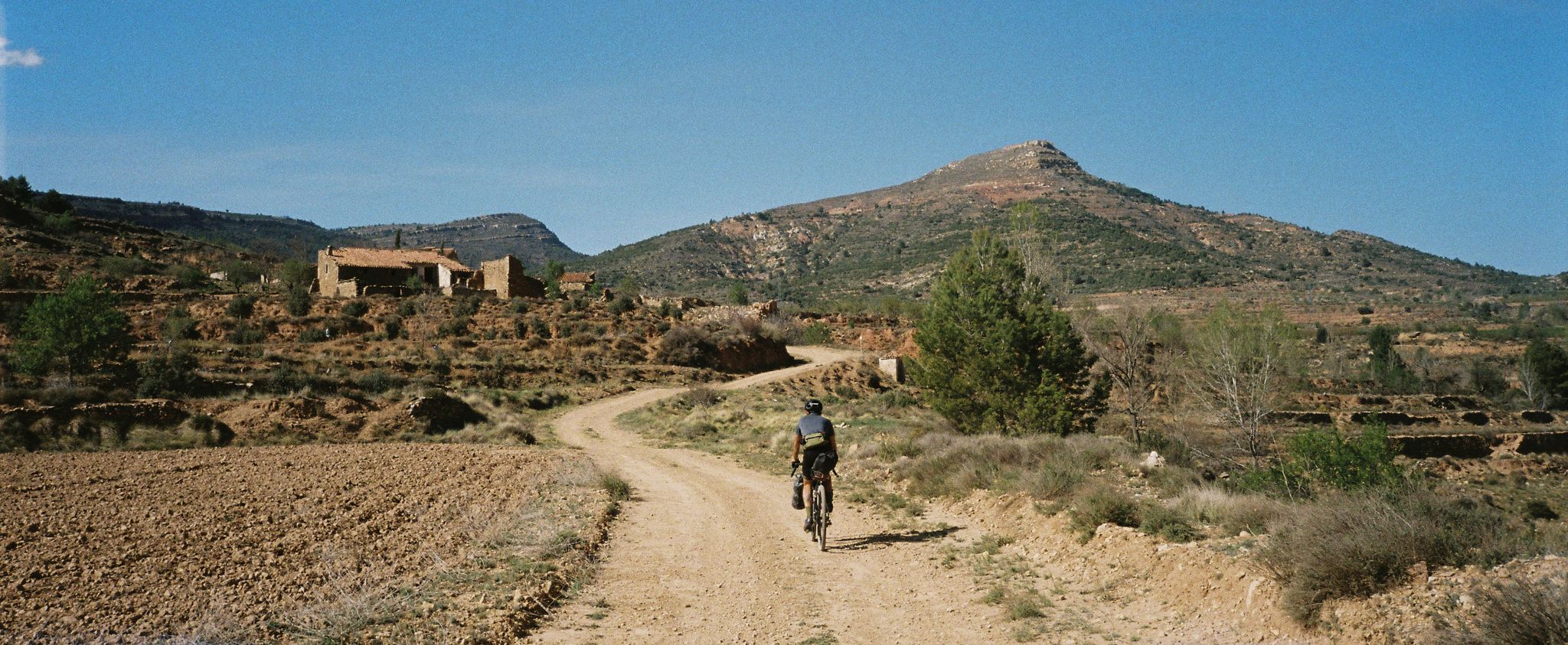
a short uphill side track brings you to a well preserved and well protected site with some rock paintings.
1
0

Going up the S.Esteve hermitage to the Alt de la Creu has unbeatable views.
0
0
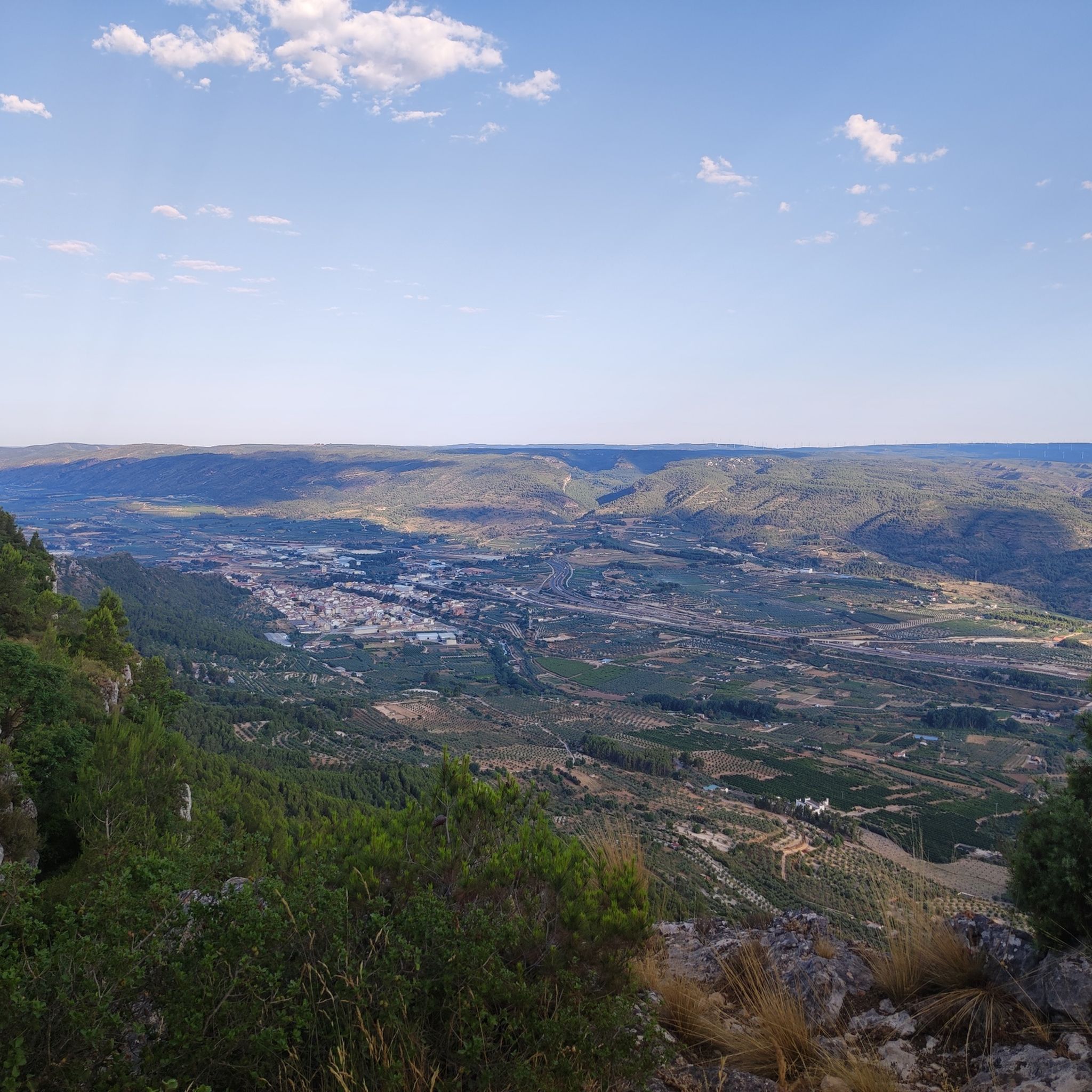
Alt de la Creu and its fire watch tower give extensive views of the surrounding area: Benicadell, Montcabrer, etc
1
0

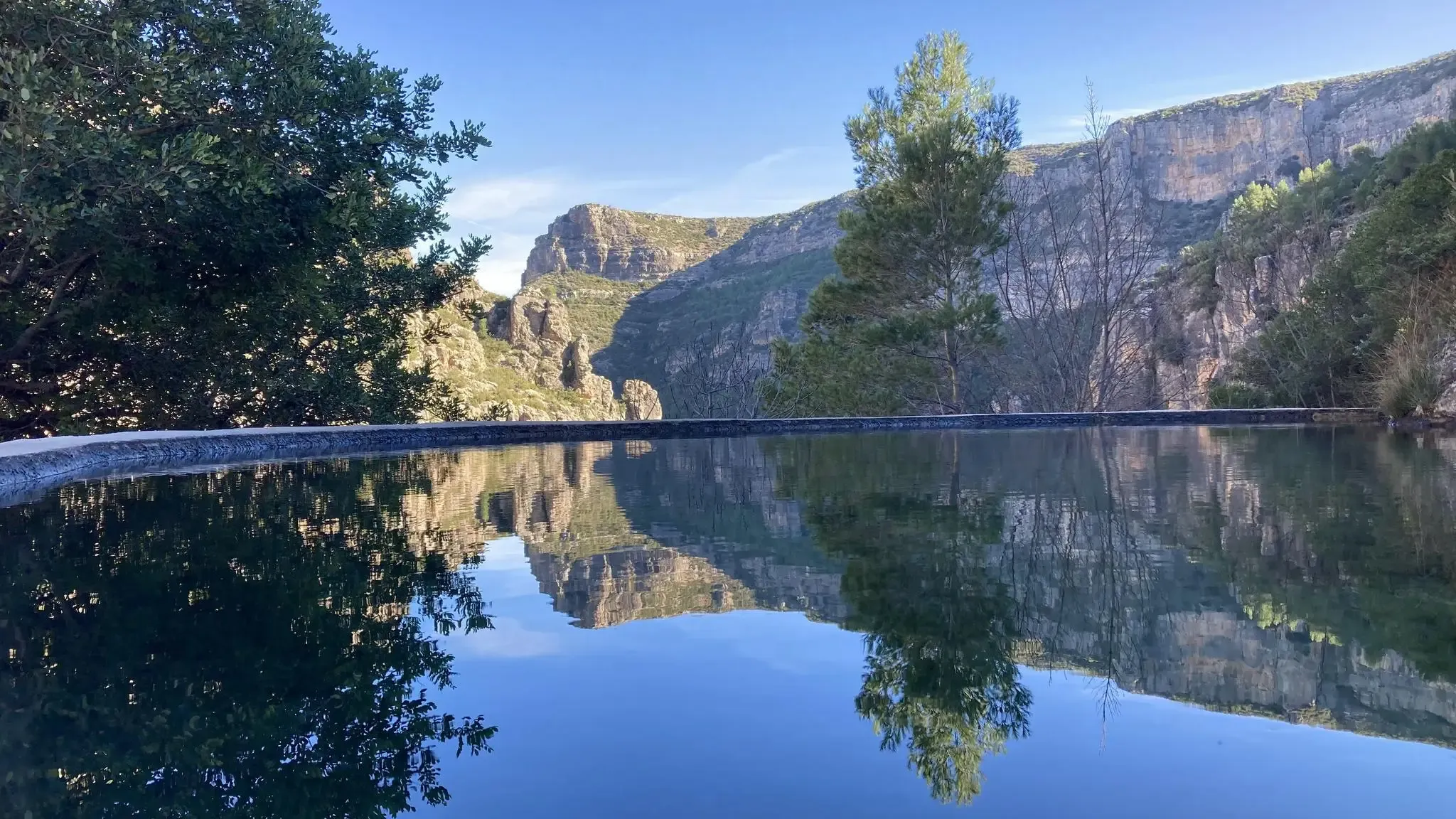
The La Cova Negra municipal natural area is located in the municipality of Játiva, province of Valencia. In the Cova Negra is the Middle Paleolithic site in which remains of Homo Neanderthal have appeared. This natural area is located in the narrow valley formed by the Albaida River, as it crosses the reliefs of the Sierra Grossa, at the exit of the so-called Estret de les Aigües. In the widest meander formed by the Albaida River, at the height of Pico del Paller, you can see the Cova Negra, named for the blackish appearance of its walls.
2
1
Geodetic point at 900m, bordering the municipalities of Vallada, Moixent, Ontinyent and Aielo de Malferit, represents the highest point in Vallada, where endemic plant associations of the region appear. The views are undoubtedly spectacular. The climb is done on scratched concrete and is very demanding, but it is worth going up to contemplate the landscape.
0
0

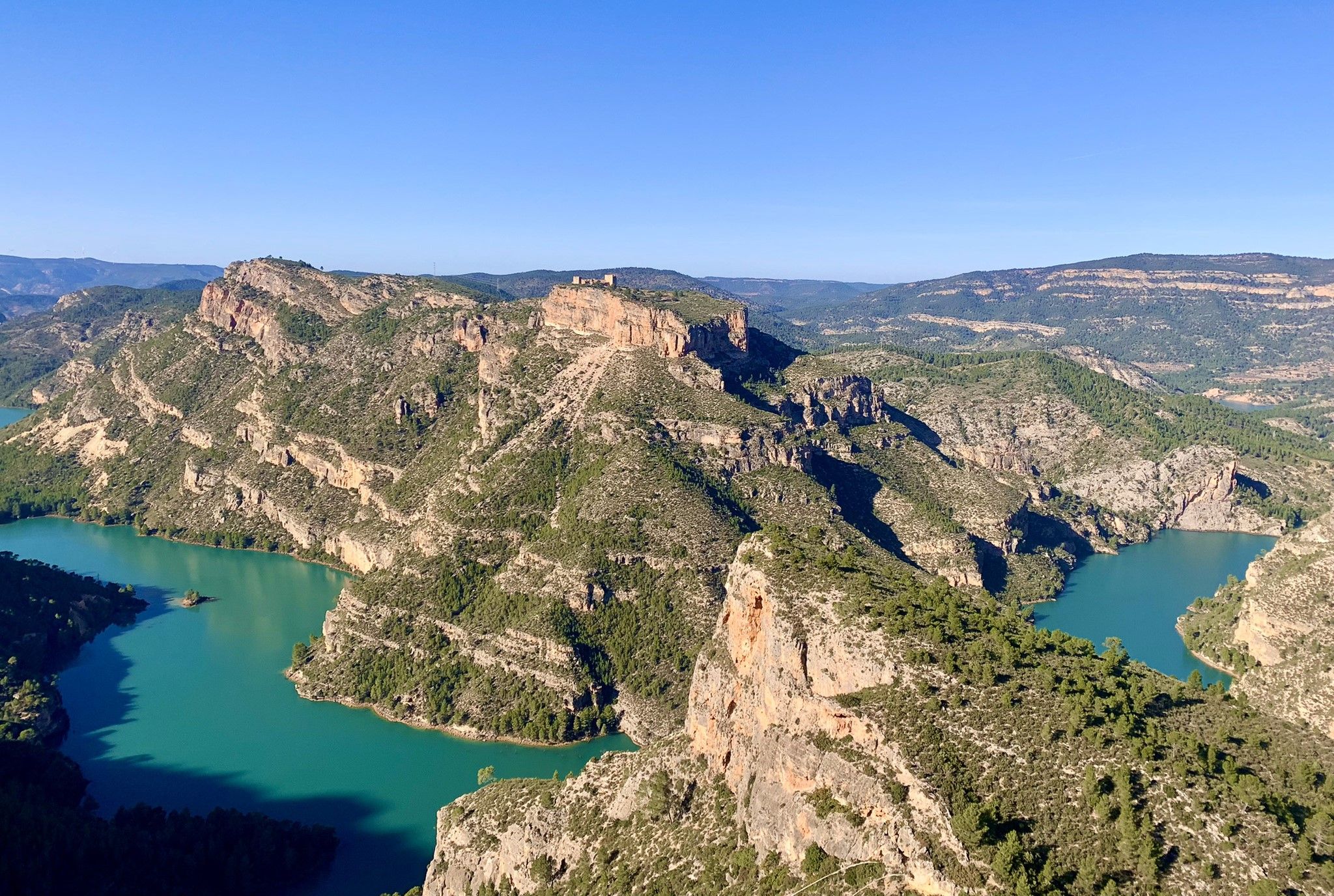
It is an archaeological site from the Iberian period that is located at the top of the Serra Grossa. Along the route there are explanatory signs that bring you closer to discovering the life of the time. From the top you can get a 360-degree panoramic view of the entire mountain range, it is worth taking a seat and enjoying it in peace.
1
0
The so-called "lanes" are the marks of a road perpendicular to the Via Heraklea (Path of Hercules) during the Bronze Age, which the Romans later renamed Via Augusta. This road, in the Iberian era, connected the interior of the peninsula with the sea, directly connecting the ancient city of Saiti (Roman Saetabis, today Xàtiva) with the city of Dianium (now Dénia). These lanes are very marked in the rock due to the continuous traffic of the carts. The distance between the axles of the wheels confirms that they date from the Iberian era. In Énova, this road was used for centuries due to the Roman exploitation of the quarry for the production of marble (which is located a few meters away), as well as being used to connect the Roman Villa with the rest of the world
1
0
라 코스테라 데 자티바 주변에서 가장 인기 있는 경로
라 코스테라 데 자티바 주변에서 가장 인기 있는 명소


찾고 계신 것을 찾지 못하셨나요?
지역별 최고의 하이라이트를 확인하여 라 코스테라 데 자티바 주변의 더 놀라운 자연 기념물을 찾아보세요:
더 살펴보기
라 코스테라 데 자티바 주변의 최고의 동굴을 찾기 위해 이 가이드를 확인해보세요:
