실스 임 돔레슈그에서 가장 멋진 15개의 동굴
성을 방문하는 건 언제나 특별한 일이에요. 하이킹을 하다가 잠깐 들를 때도, 가이드를 따라 제대로 둘러볼 때도 말이죠. 실스 임 돔레슈그에 있는 아름다운 성 15
곳을 아래에서 살펴본 후에 마음에 드는 성을 다음 모험 때 만나보세요!
마지막 업데이트: 10월 10, 2026
호엔 레티엔 성 유적 전망
하이라이트 • 성
번역자 Google •
팁에 의해


이런 장소를 발견하려면 지금 가입하세요
최고의 싱글 트랙, 봉우리 및 다양한 흥미로운 야외 장소에 대한 추천을 받아보세요.
오늘 무료 계정으로 시작하세요
다음 모험이 기다리고 있어요.


커뮤니티 팁

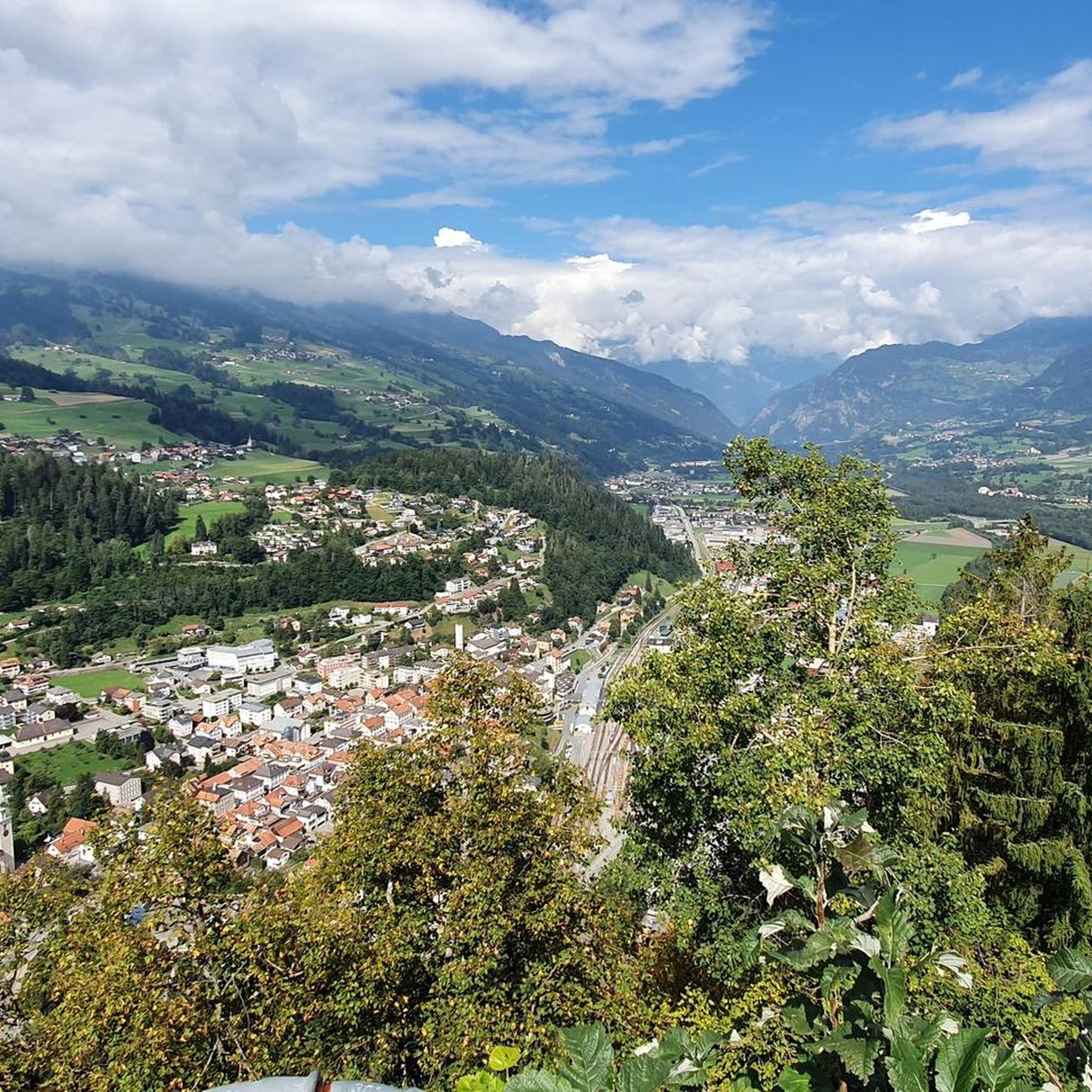
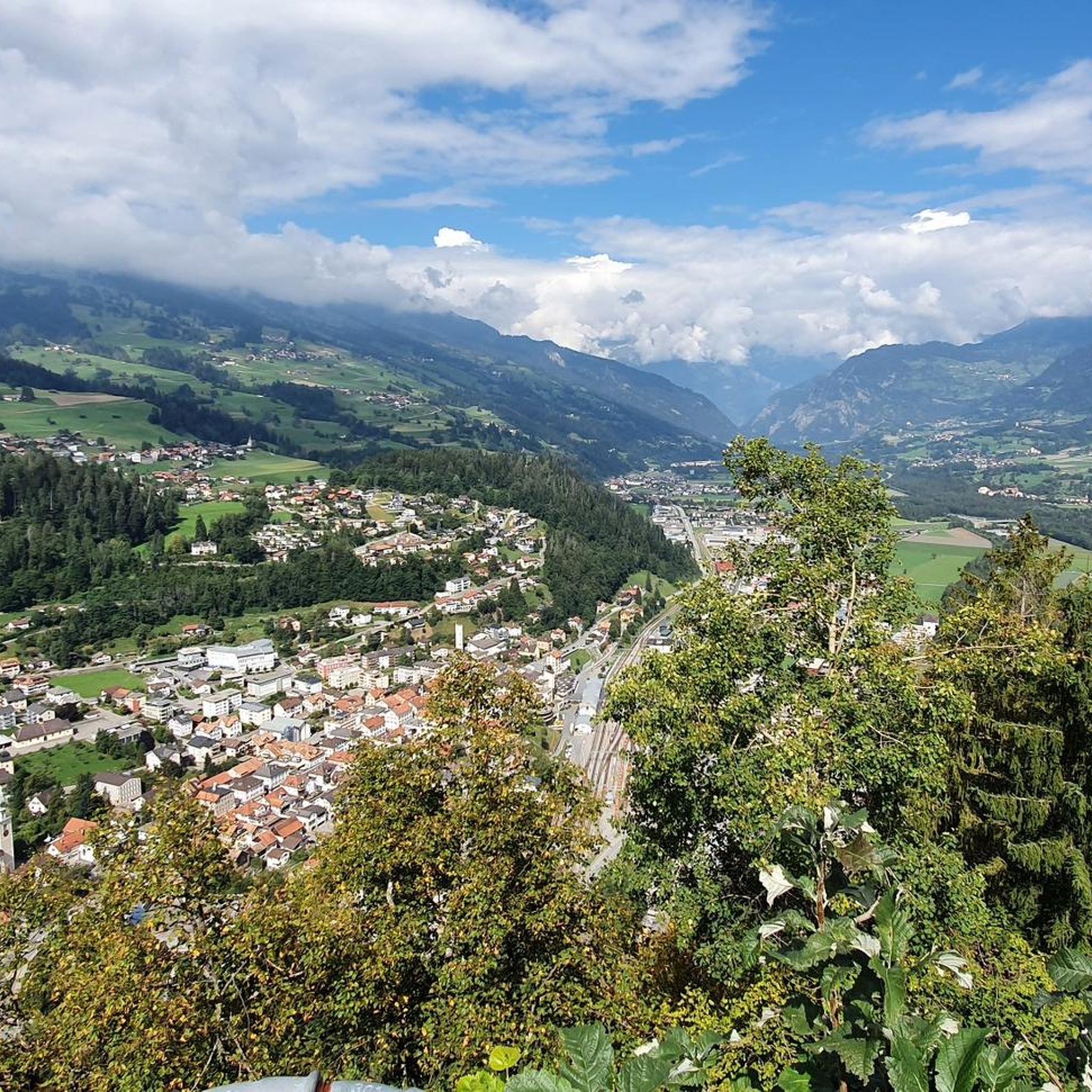
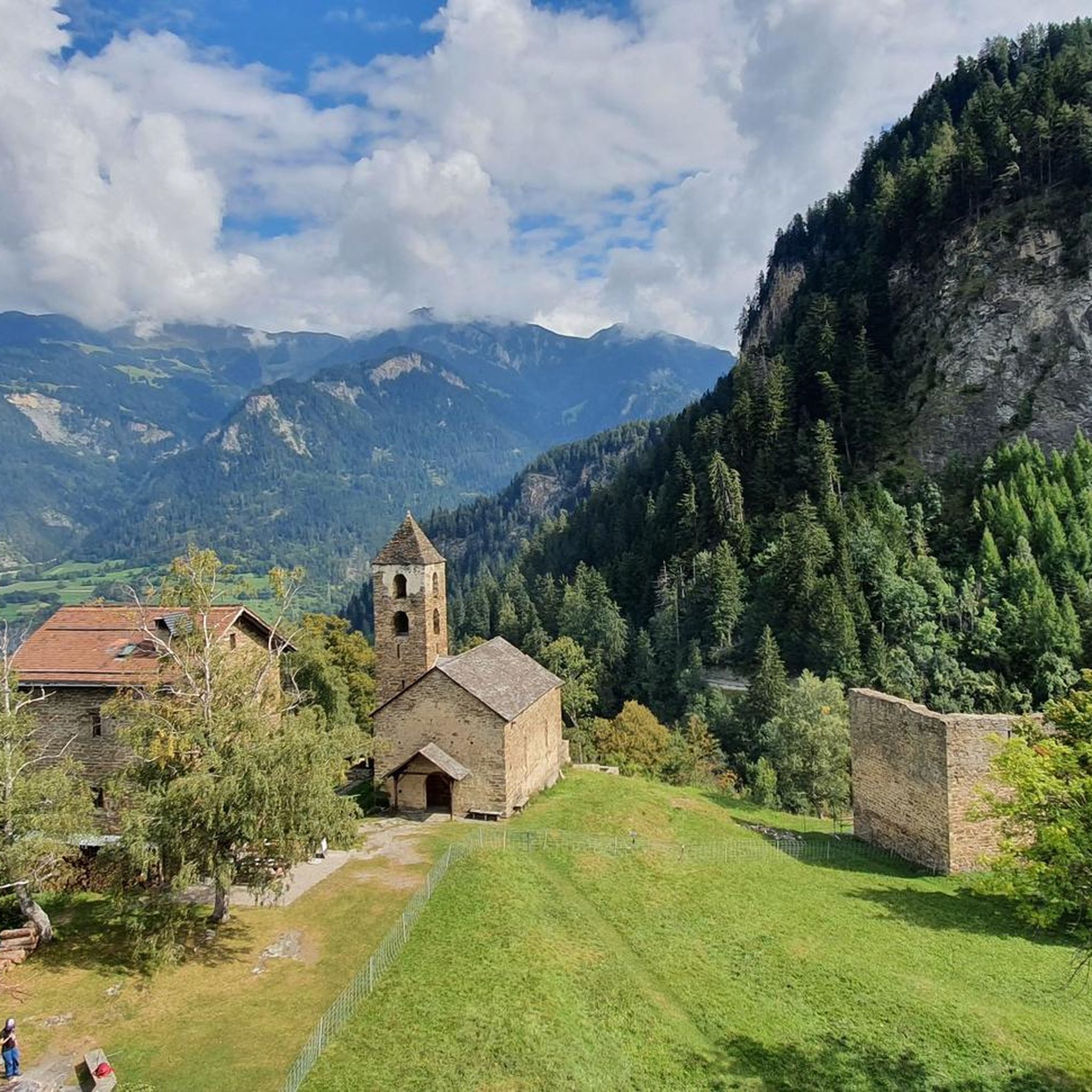
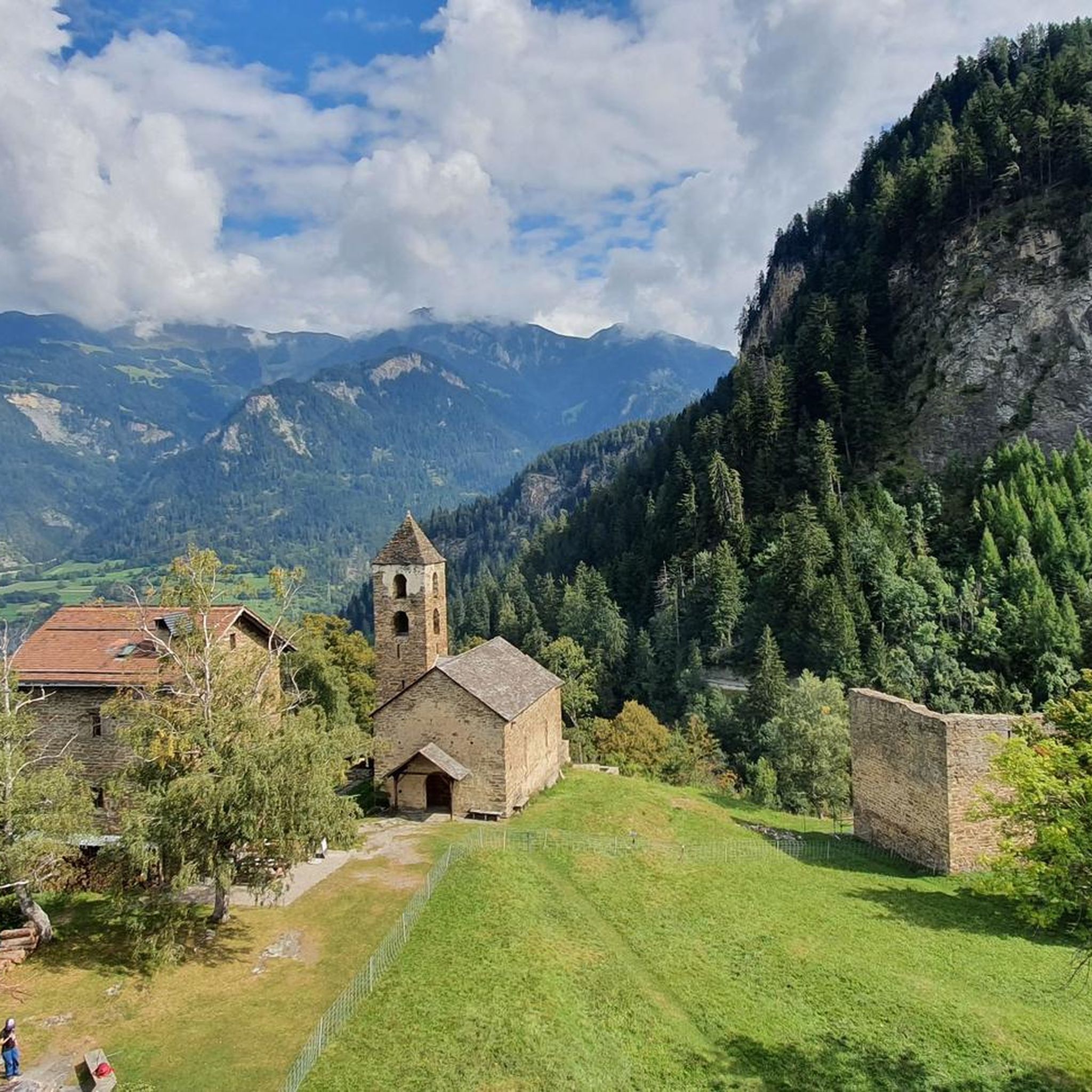
This castle is located 250m above the Oden valley. It is privately owned and is very well preserved. Inside there is seating and a fireplace. Entrance fee is 5 francs to help maintain this beautiful castle.
1
0

The Höhen Rätien Castle is a hilltop and church castle high on the rock at an altitude of 946 metres above the entrance to the Viamala Gorge. It is located in Sils im Domelschg Hinterrhein Graubünden. It is one of the oldest cultural and settlement sites in Switzerland.
3
0
Rietberg Castle stands above Pratval in Doleschg Graubünden. It was built in 1225 as a hilltop castle at an altitude of 723 metres.
0
0
Sins Castle in Paspels Domleschg Graubünden was rebuilt between 1646 and 1725 by Johann Viktor Travers von Ortenstein as a hilltop castle at a height of 660 metres above the previous building.
1
0

Sins Castle in Paspels A castle with a changing face: Sins Castle in Paspels, which is just over 300 years old. Paspels Castle was probably built by Jahn Victor von Travers-Ortenstein around 1695. Parts of the main wing probably date from this time, although they can no longer be identified. Around 1730, the builder's son of the same name seems to have carried out extensive reconstruction. This reconstruction is probably the basis for the overall layout of the current complex, especially the staircase. It is considered the presumed birthplace of Pompejus Planta, who became known as an opponent of Jürg Jenatsch. Further modifications were carried out by Lieutenant General Victor von Travers, who also had the chapel built on April 25, 1760 in honor of the names of Jesus, Mary and Joseph. The last major renovation took place in 1892/93 under Colonel Freidrich von Tscharner (later at Ortenstein) with a redesign of the exterior. The architect was Nicolaus Hartmann sen., St. Moritz. In 1911, ownership was transferred to Minister F. von Salis-Soglio. Sins Castle was run as a hotel until 2012. Text / Source: Viamala Tourism, Bodaplatz 4, 7435 Splügen https://www.viamala.ch/de/ausflugsziele/schloss-sins
13
0
Ruin of Alt-Süns 1216, the oldest Vaz castle in Domleschg In 1216, the powerful Barons of Vaz built their first castle in the mild Domleschg outside their ancestral castle Nivaigl in Vaz, from there fifty years later they built Ortenstein and even later Neu-Süns, which we usually call Canova. With the heir Ursula von Vaz of the last Baron, the property went to the Counts of Werdenberg-Sargans. In the Schams Feud of 1451, the barely inhabited castles of Alt-Süns and Neu-Süns collapsed when half of the tower was undermined. Since then they have been a picturesque eye-catcher in the Domleschg castle landscape. Text: Pro Castellis https://pro-castellis.ch/ruine-alt-s%C3%BCns-1216
12
0
Fürstenau - town in miniature An episcopal Meierhof as the origin of Fürstenau The episcopal power in Domleschg was probably already developed in the epoch of the Frankish Empire, in the first millennium. The incompletely preserved Reichsurbar (list of goods and taxes of the imperial rule) from 831 shows that a ministry Tumliasca (bishop's administrative apparatus Domleschg) existed. This faced a vicedominus with judicial authority. It is conceivable that the episcopal administration was originally based in Hohenrätien ob Sils i.D. had, but had been moved to one of the three Carolingian royal courts of Scharans, Almens and Tomils early on. Presumably an administrative officer (Meier) of the bishop took up residence in Baumgartenland Maros near Fürstenau. The name Maros goes back to the Latin word ad majoranem, the accusative of maiora (= dairy farm or farmstead). From this, the name Mairaus developed via ad maioranes, which as a name for Fürstenau first appears in documents in the first half of the 12th century. The development of the city In the course of the 14th century, the sovereign large castle acquired a modest urban character as a result of the denser settlement of the outer bailey. A document from 1383 testifies that the main castle was in front of the bridge to a bailey (lat. atrium). Peasant and artisan subjects lived here, who were responsible for the supply of the lords of the castle, and, as the House of Stoffel shows, apparently also knightly servants. Architectural and political developments are interrelated. In the middle of the 14th century, the diocese of Chur not only managed to obtain market privileges, but also a place of jurisdiction for blood justice. King Charles IV had Bishop Ulrich V (1331-1355) present a diploma on May 13, 1354, which gave Fürstenau the right to jail, sticks and gallows, as well as the holding of two annual markets on St. Michael's and St. George's Day . This meant that Fürstenau had also become a city in a legal sense. Its expansion from 1354 coincides with that of the castle mentioned in 1272. The town was not only of great importance as a trading and market place, it had also risen to become the center of princely possessions in the upper part of the Domleschg. So the castle has clearly proven itself as a strong attraction. Around 1300, a territorialization process began in the Graubünden area, which had a significant influence on political events up until after 1450. Noble dominions such as that of the Lords of Rhäzüns supplemented or overlaid the episcopal dominion. Neither party had a closed territory. As early as the first half of the 14th century, Fürstenau was drawn into the maelstrom of the episcopal power struggles. The few surviving documentary mentions of Fürstenau should be seen in this context: In 1333 the bishop promised the lords of Rhäzüns 1000 marks, four hundred of them through Fürstenau Castle, which was then pledged. In 1347 the castle served as security so that the bishop would go back into the captivity of the Count of Tyrol, from which he had been released. Fürstenau was then handed over to Walter von Stadion. In 1351 an arbitral tribunal had to decide the dispute over Fürstenau Castle between the bishop and the Counts of Montfort. Finally, in 1367, Fürstenau was occupied by the cathedral chapter and the bishop's vassals. In 1387 it regained great importance in connection with the expansion of the Septimer Pass by Johann von Castelmur. Text: City of Fürstenau https://www.fuerstenau.ch/Portrait/History/
13
0

실스 임 돔레슈그 주변에서 가장 인기 있는 명소


더 살펴보기
다른 곳에서 최고의 성을 찾고 계신가요? 다른 가이드를 발견해보세요 실스 임 돔레슈그 주변:
