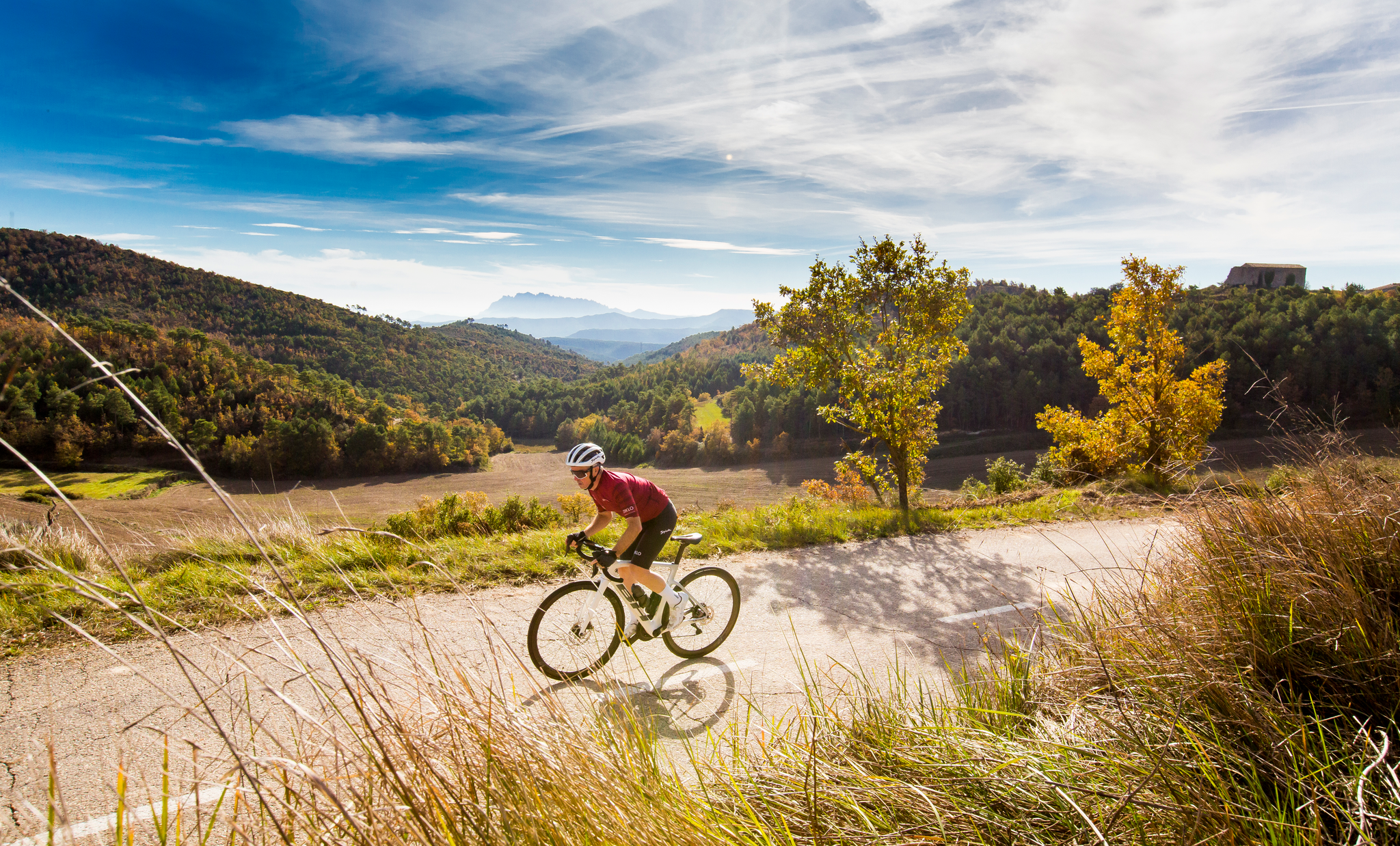
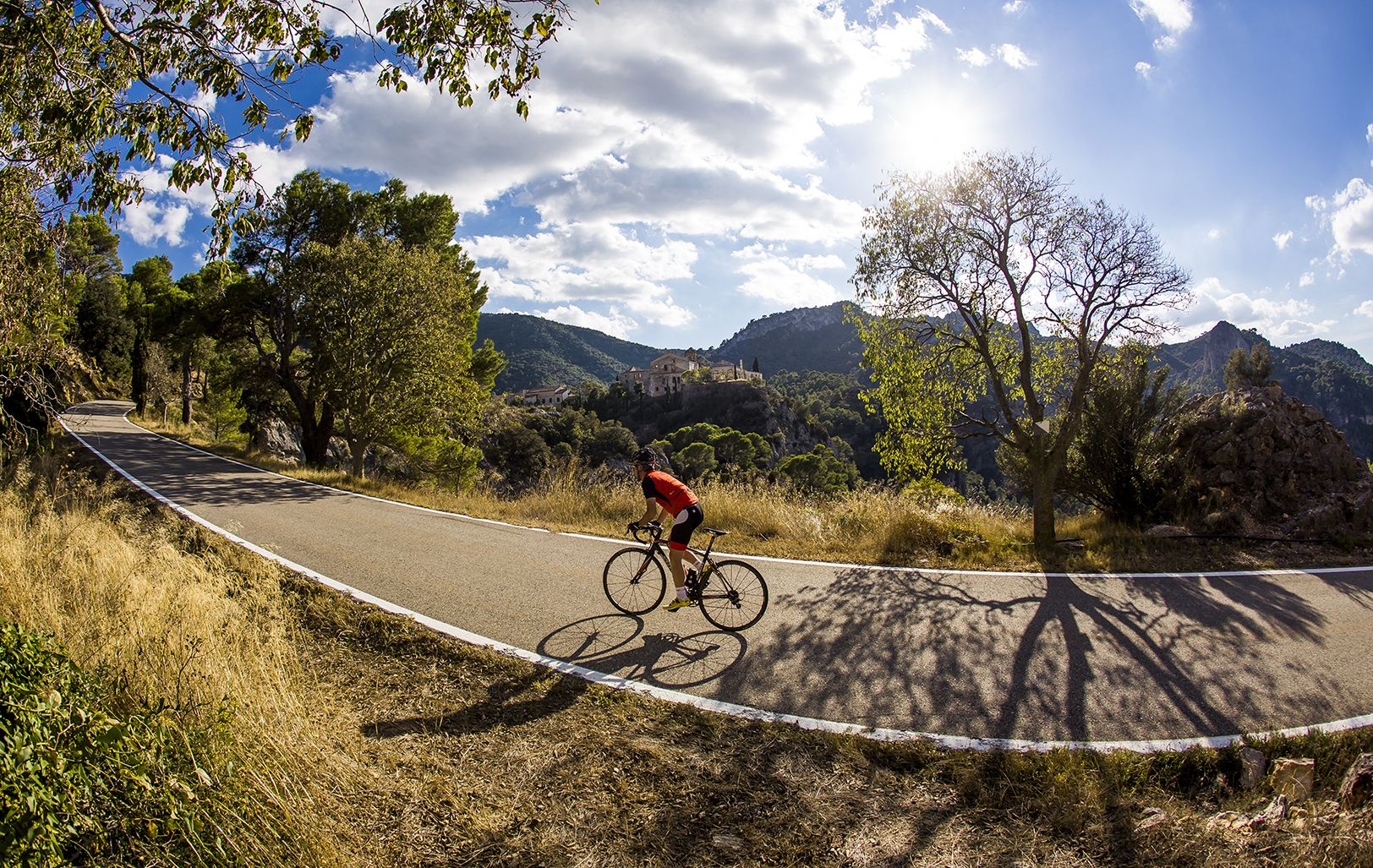
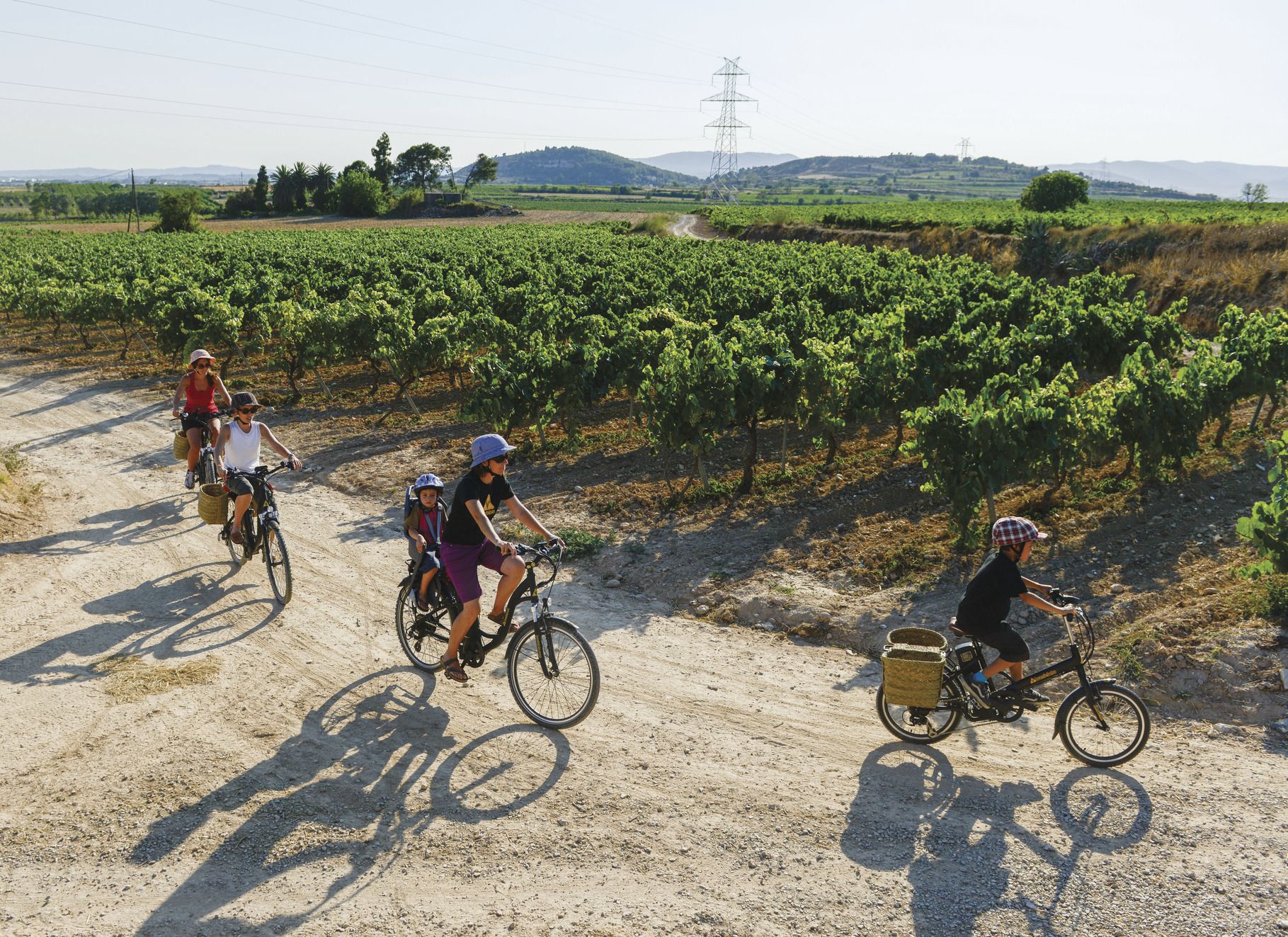
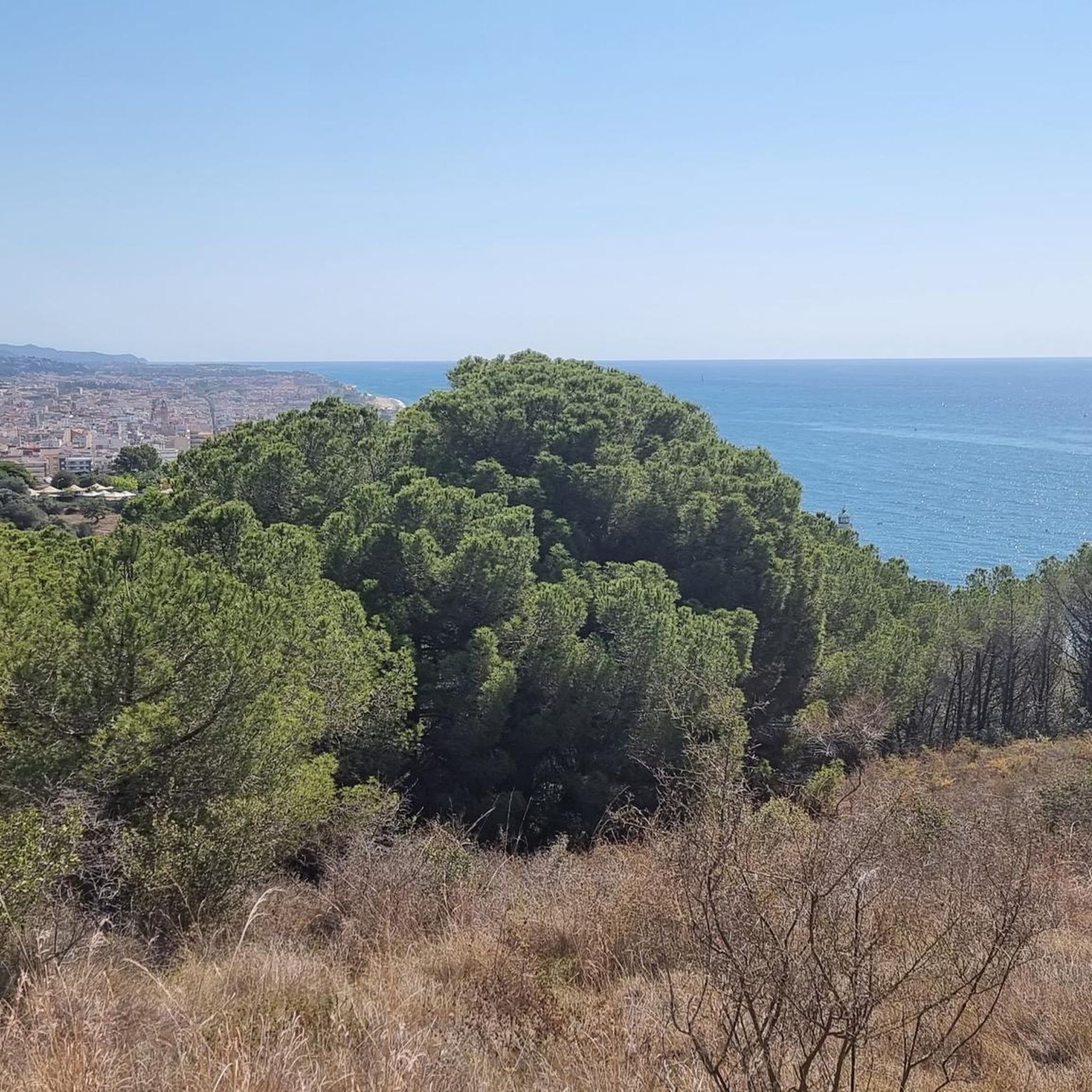
천연기념물을 방문하여 칼렐라의 아름다운 풍경을 만나보세요. 칼렐라에 있는 10
개의 천연기념물과 상세 정보를 살펴본 후에 방문하고 싶은 천연기념물을 다음 모험 계획에 추가해보세요!
마지막 업데이트: 8월 25, 2026
이런 장소를 발견하려면 지금 가입하세요
최고의 싱글 트랙, 봉우리 및 다양한 흥미로운 야외 장소에 대한 추천을 받아보세요.
무료 회원 가입
하이라이트 • 기념물
번역자 Google •
팁에 의해
하이라이트 • 역사적 장소
번역자 Google •
팁에 의해
무료로 가입하여 칼렐라 주변의 더 많은 자연 기념물을 발견하세요.
무료 회원 가입
이미 komoot 계정이 있나요?
Tordera 강은 Montseny에서 발원하여 조용히 영토에 흔적을 남기며 지중해에 이 멋진 삼각주를 형성할 때까지 나아갑니다.
1
0
Punt d'observació d'ocells del Delta de la Tordera.
0
0
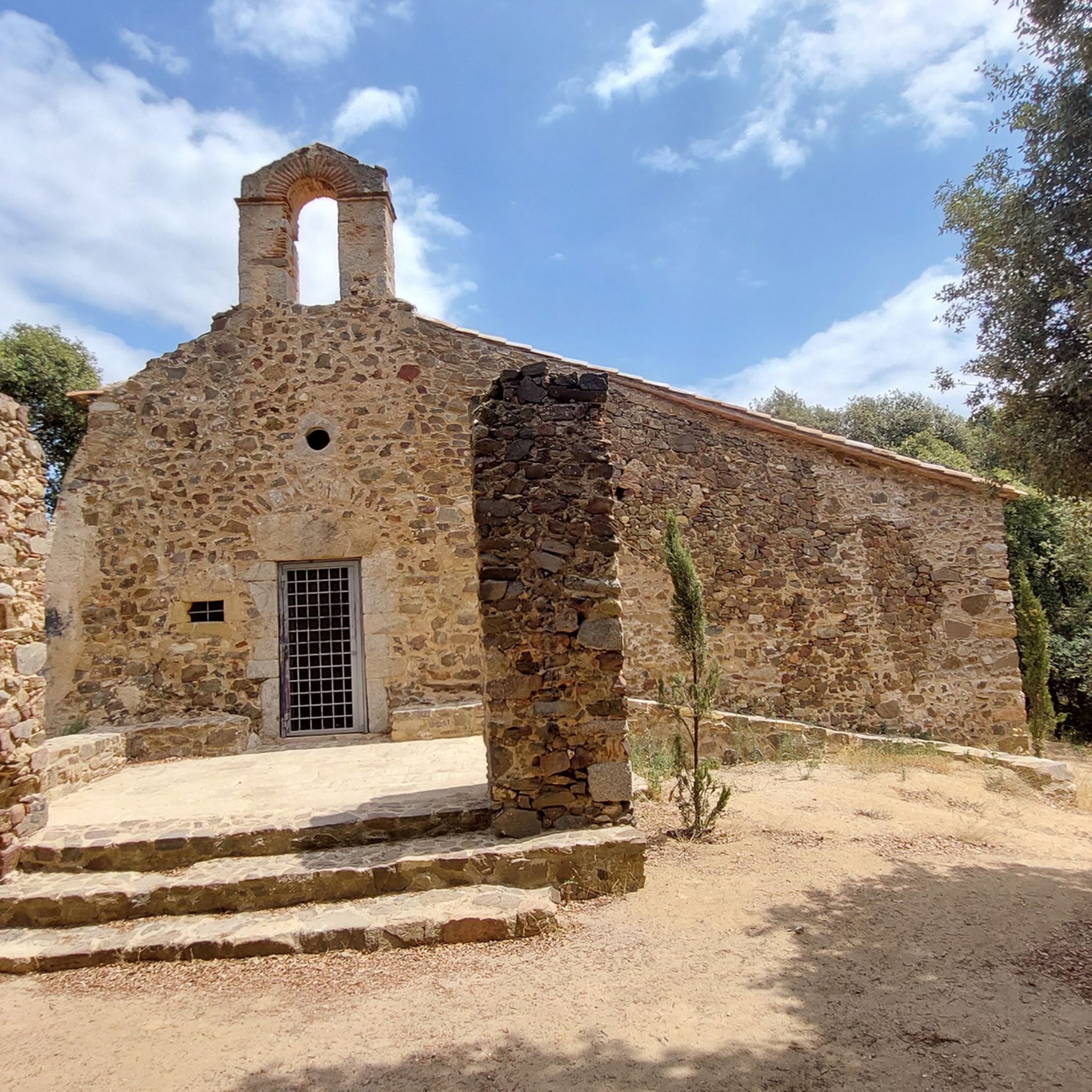
It has three benches with good shade and a heavenly peace where you can replenish your strength. The Amics de Santa Maria entity, headed by Francesc Vivas from Calella, promoted the reconstruction of the hermitage of Santa Maria del Montnegre and started the project to recover the splendor of the corner of peace after in the summer of 2014 he produced the act of vandalism that destroyed the pedestal and the theft of the image of the saint, probably thinking that it had more economic value than it really did.
3
0
This point is the part of the municipalities of Calella, Tordera and Pineda. If we go into the oaks and pines towards the Pineda creek where on the edge of the path we can observe the trail of wild boars and eagles. We will be able to see the first antiquity of Pineda's past at the Molí de Can Marquès (XIV).
2
0
The mouth of the Tordera forms a natural delta thanks to the sediments carried by the river. After the Gloria storm in 2020 and thanks to the massive influx of sediments, the delta experienced the greatest growth in recent years, when a large sand bar formed that goes 300 meters into the sea and has created a huge inner lagoon. The Delta de la Tordera has been declared a Protected Natural Area, and is included in the Natura 2000 Network. The landscape of the delta shows mainly swampy vegetation and riparian forest, including reedbeds. You can also find numerous animal species, such as the leper pond turtle, the southern frog, the spur toad, the collared snake, or birds such as thrushes, gray herons, kingfishers and others.
2
0
Prehistoric site consisting of a large rock with insculptures in the form of small bowls, which is part of a granitic outcrop formed by three large stones naturally aligned in a N-S direction, and other secondary stones located on the downward slope. This type of rocky outcrops are a characteristic geomorphological phenomenon of the Coastal Range called "ball chaos". The rock with sculptures has an oval plan, with a base of 1.8m and a height of up to 2.30m. The name Pedra de les Olles is given to it by the up to 25 cavities (or pots), some exempt and others connected to each other by means of reguerons, which have been artificially excavated. The casseroles have different morphologies and dimensions: 19 are circular, 5 are elliptical (all of them are between 8 and 20cm in diameter and between 3-4cm deep), one is cylindrical (with a diameter of 40cm and a depth of 6cm), and one takes the form of an outward drainage channel. The incisions were made by percussion with other stone materials, which gives them the typical U-shaped section, unlike those of the Iberian, Roman or medieval times in which the use of metal tools gives as resulting in deeper and V-shaped sections. This feature, together with the fact that the bowl-shaped sculptures are related to the megalithic phenomenon, allow the site to be dated between the middle/late Neolithic and the Chalcolithic. Despite the prospecting carried out in 2008 on the occasion of the review of the Maresme Archaeological Map, in which the stone was documented and located, no other nearby archaeological sites are known that could provide more data in relation to the chronology . There is no consensus on the interpretation of this type of monument. Some interpretations maintain that the inscultures would be markers or territorial landmarks that would indicate meeting points of a human group or boundaries or places of passage. Others, on the other hand, attribute cult functions to the gods or the deceased. In this case, it is believed that the cassolates and reguerons would have served to pour the liquids of libations and ritual offerings. Jean Abelanet (1986) hypothesized that this type of structure would be a kind of altar dedicated to the worship of a prehistoric goddess of agriculture, fertility and the afterlife. The arrangement of the cavities of the Stone Pots would recall the ancient Greek kernoi: a system consisting of a central vessel and a series of small vessels called kotiliskoi around it. For Pascual Guasch, who identified and studied the element in 1988, both the dating and the interpretation of its purpose would be "uncertain". The author does not rule out some kind of relationship with death and "with some liquid element" such as water for its "purifying role", without rejecting, however, that it is "a simple manifestation of litholatry" linked to "the veneration of certain stones located at the crossroads"
1
0
칼렐라 주변의 최고의 동굴을 찾기 위해 이 가이드를 확인해보세요: