풀레다에서 가장 멋진 4개의 천연기념물
천연기념물을 방문하여 풀레다의 아름다운 풍경을 만나보세요. 풀레다에 있는 4
개의 천연기념물과 상세 정보를 살펴본 후에 방문하고 싶은 천연기념물을 다음 모험 계획에 추가해보세요!
마지막 업데이트: 8월 25, 2026

이런 장소를 발견하려면 지금 가입하세요
최고의 싱글 트랙, 봉우리 및 다양한 흥미로운 야외 장소에 대한 추천을 받아보세요.
무료 회원 가입
토살 그로스 데 발보나
하이라이트 • 정상
번역자 Google •
팁에 의해

코베스 데 레스플루가
하이라이트 • 동굴
번역자 Google •
팁에 의해

오늘 무료 계정으로 시작하세요
다음 모험이 기다리고 있어요.
로그인 또는 가입하기
커뮤니티 팁

The caves of l'Espluga de Francolí are a set of natural cavities formed in the conglomerate rock. Speleological explorations began in 1956, and so far 3,600 meters of galleries have been explored, making them one of the longest caves in the world. The archaeological findings inside show that they have been occupied since the Paleolithic: the last discovery, in 2019, was a Paleolithic sanctuary made up of more than 300 engravings, some of them more than 36,000 years old. The visits are guided and can be booked from https://covesdelespluga.info/
0
0

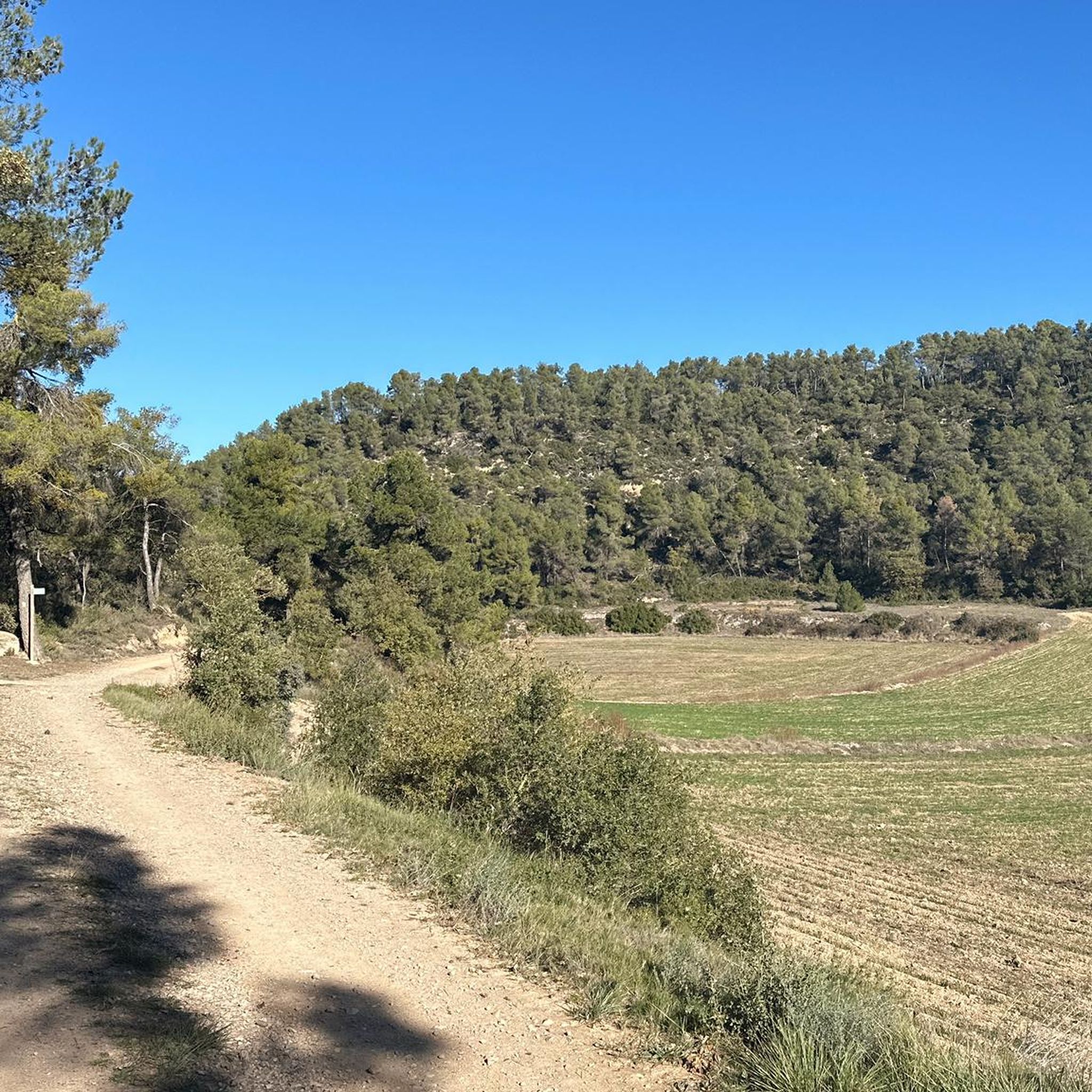
The tozal Gros de Vallbona is located at 804 meters above sea level. It is the highest summit of the Urgell and offers magnificent views of the Conca de Barberà.
2
0

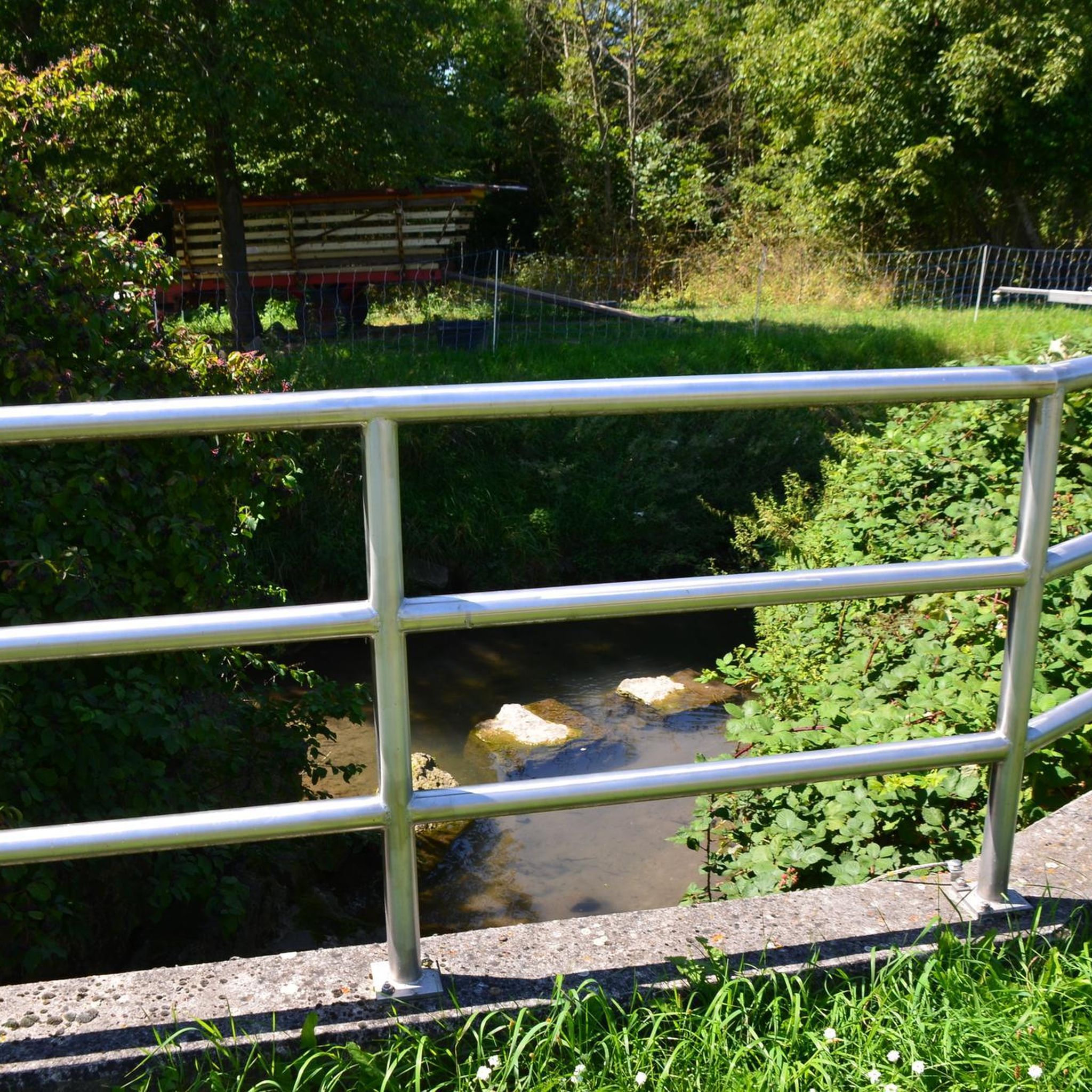
We are at an altitude of 820 m in a bed of calcareous rocks where, at the contact between the red sandstones and the travertine, water infiltrates, giving rise to a line of springs, hence the name of the Cent Fonts. We find several ponds, built by the Espluga de Francolí Town Council, in order to increase faunal biodiversity and create an aquatic habitat. In this way, we can see various amphibians such as toads and salamanders. There is also a picnic area further down with stone tables and benches. In 1887, Sister Mercè Farré Oró, the superior nun of the convent of the Daughters of Charity of l'Espluga de Francolí, promoted the channeling of the water from Les Cent Fonts to the town.
1
0
It is known that the Poblet forest is rich in springs. Undoubtedly the most well-known and popular are the Boixets fountain and the Deport fountain. The Sport source is located under the Cingle de les Cabres. From this location, the trail leads up to the La Pena viewpoint. The place has a lot of charm and in the past the monks had some kind of construction there (remember that the place is very close to the site of the old La Pena farm and currently a forestry house). These constructions were maintained after the exclaustration of the Poblet monastery, when the Pena estate was sold to private individuals and also later (in 1906) when it was expropriated to be reincorporated into the management of the forestry services. Currently, however, we can only find small evidence of those constructions. The location of the Deport fountain has also had other changes or modifications over the years, and one of these was the location of the fountain itself.
1
0


