우디아스에서 가장 멋진 9개의 천연기념물
천연기념물을 방문하여 우디아스의 아름다운 풍경을 만나보세요. 우디아스에 있는 9
개의 천연기념물과 상세 정보를 살펴본 후에 방문하고 싶은 천연기념물을 다음 모험 계획에 추가해보세요!
마지막 업데이트: 8월 25, 2026


이런 장소를 발견하려면 지금 가입하세요
최고의 싱글 트랙, 봉우리 및 다양한 흥미로운 야외 장소에 대한 추천을 받아보세요.
무료 회원 가입
리아 데 라 라비아
하이라이트 • 강
번역자 Google •
팁에 의해

몬테 카베손의 세쿼이아
하이라이트 • 숲
번역문 보기
팁에 의해


무료로 가입하여 우디아스 주변의 더 많은 자연 기념물을 발견하세요.
무료 회원 가입
이미 komoot 계정이 있나요?
오늘 무료 계정으로 시작하세요
다음 모험이 기다리고 있어요.
로그인 또는 가입하기

커뮤니티 팁


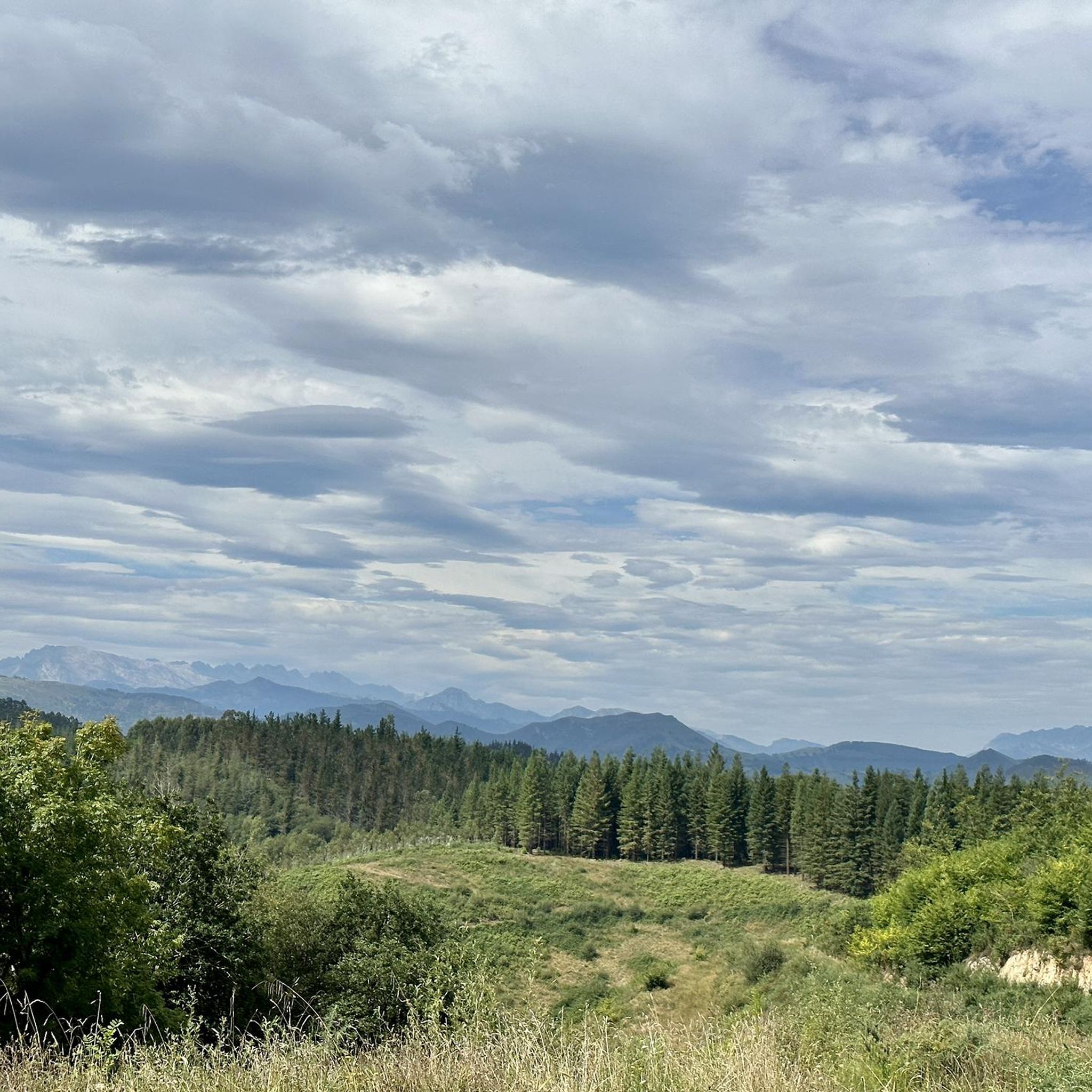
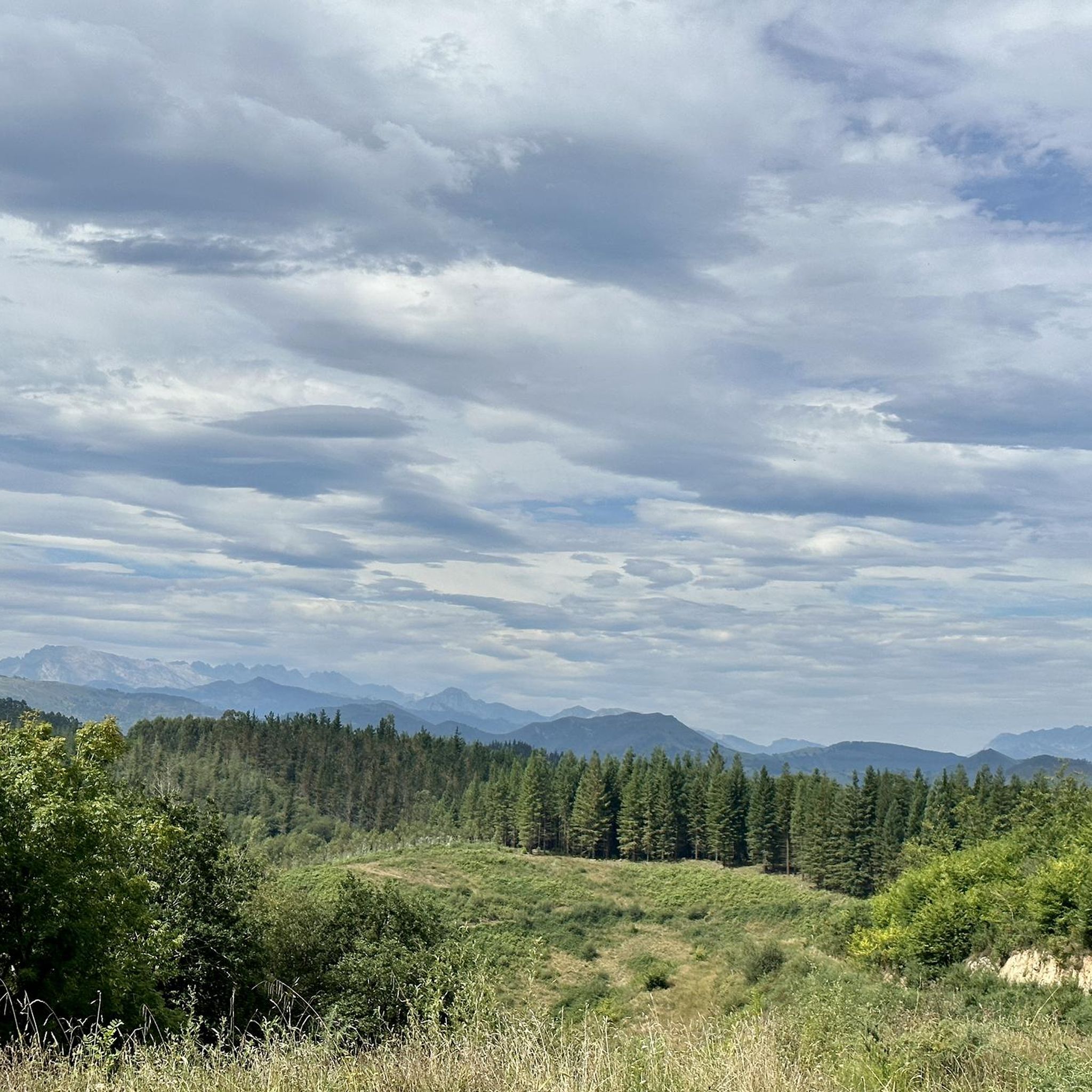
카베손 데 라 살의 세쿼이아는 1940년대에 목재 생산을 위해 심어졌습니다. 현재 2.5헥타르의 면적을 덮고 있습니다. 평균 높이 36미터의 이 850그루의 레드우드 또는 캘리포니아 세쿼이아는 우리나라 숲에서 보기 드문 존재입니다.
0
0

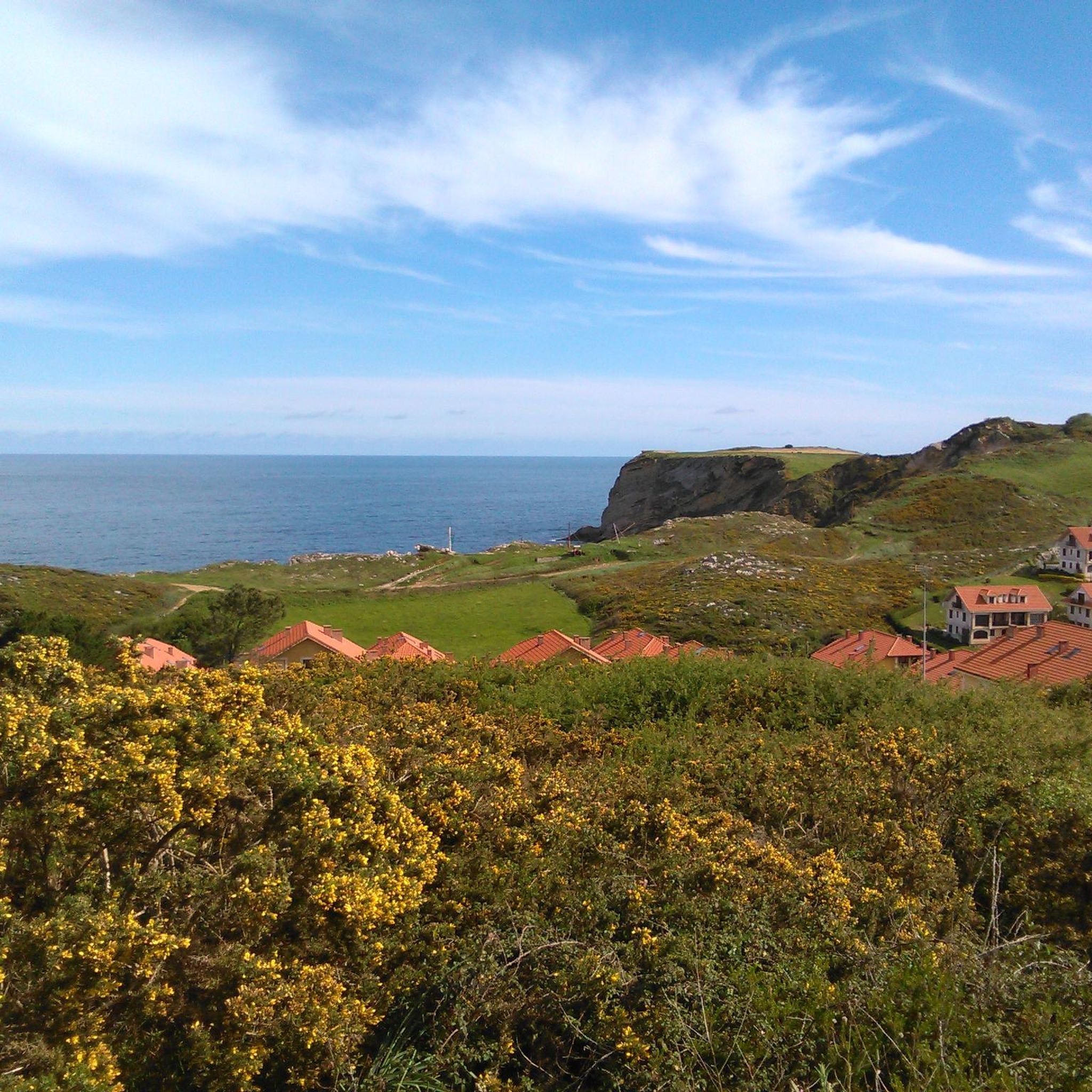
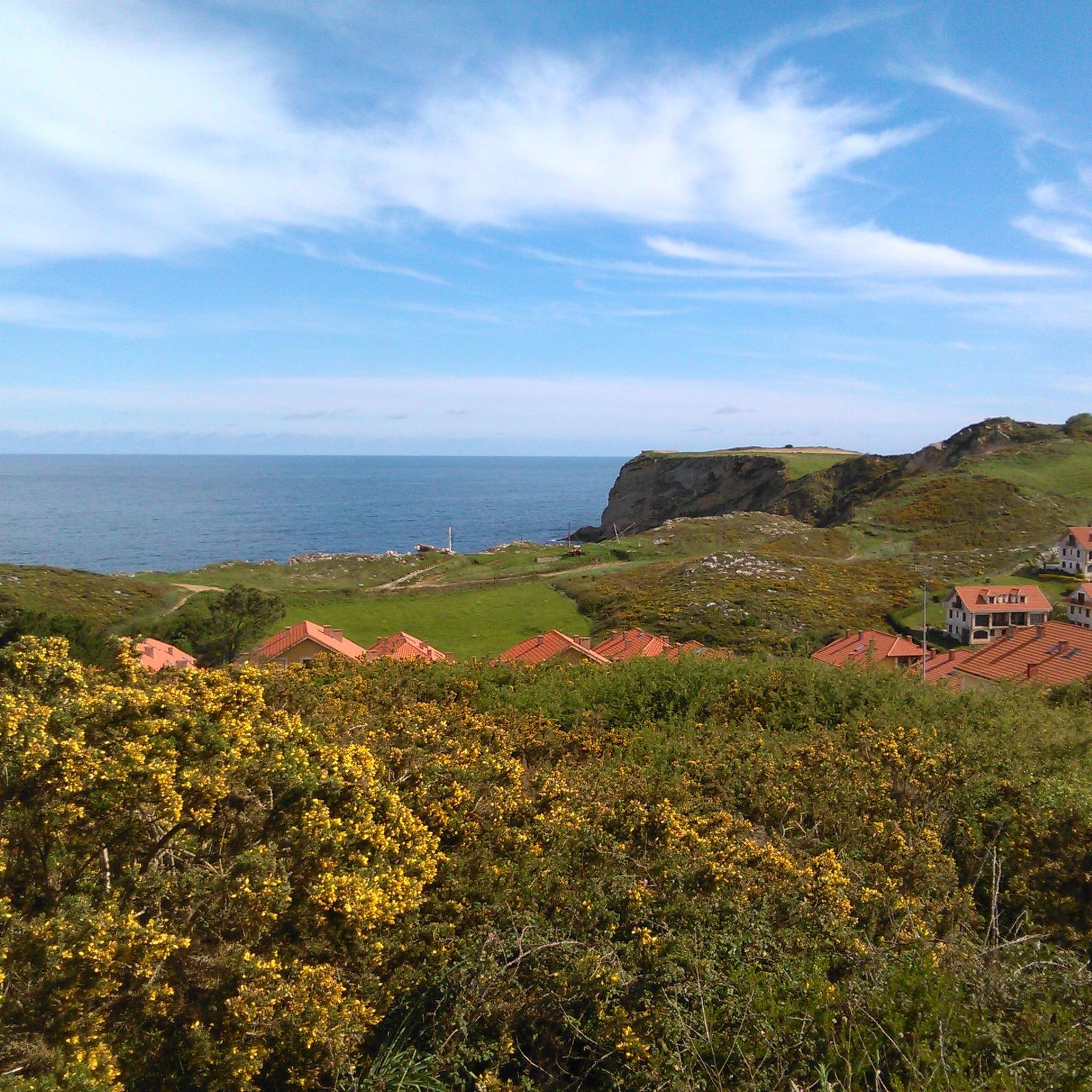
The Bolao Cliff is a stunning natural setting on the coast of Cantabria, Spain, between Cóbreces and Toñanes. It is famous for the El Bolao waterfall, which falls directly into the sea, and for the ruins of a medieval mill. The landscape combines the green meadows with the rugged Cantabrian Sea coast, offering spectacular views.
3
1

The Altamira Cave covers an area of more than 5500 m². It was used from 33,600 BC until the entrance collapsed in 11,000 BC. The particularly impressive ceiling paintings are dated to the period 16,500 to 13,000 BC.[3] The cave was discovered in 1868 by a hunter due to the disappearance of a hunting dog, who immediately reported the discovery to the lord of Santillana,[2] the naturalist Marcelino Sanz de Sautuola (1831–1888). The paintings were discovered by Sautuola's five-year-old daughter Maria, who was able to walk upright through the cave and made out images of "cattle" on the ceiling.[2] Marcelino began systematically digging in the cave in 1879[2] and published a short description of the "prehistoric objects in the province of Santander". Even the Spanish King Alfonso XII was invited into the cave. However, the academic world doubted the authenticity of the cave paintings.[2] The French prehistorian Émile Cartailhac described the paintings as a "vulgar prank by a scribbler" that he and his contemporaries did not even want to look at. The discovery had to wait almost 23 years for recognition. It was only when similar paintings were discovered in the Font-de-Gaume cave near Les Eyzies-de-Tayac-Sireuil in the Dordogne department (France) in 1901 that the attitude of French researchers and Cartailhac, who became the symbol of archaeological ignorance, changed. Cartailhac apologized posthumously to the Marquis de Sautuola in an essay in 1902 ("Mea culpa" d'un sceptique[4]).
0
0
The Altamira Cave covers an area of more than 5500 m². It was used from 33,600 BC until the entrance collapsed in 11,000 BC. The particularly impressive ceiling paintings are dated to the period 16,500 to 13,000 BC.[3] The cave was discovered in 1868 by a hunter due to the disappearance of a hunting dog, who immediately reported the discovery to the lord of Santillana,[2] the naturalist Marcelino Sanz de Sautuola (1831–1888). The paintings were discovered by Sautuola's five-year-old daughter Maria, who was able to walk upright through the cave and made out images of "cattle" on the ceiling.[2] Marcelino began systematically digging in the cave in 1879[2] and published a short description of the "prehistoric objects in the province of Santander". Even the Spanish King Alfonso XII was invited into the cave. However, the academic world doubted the authenticity of the cave paintings.
2
0


One should go to the right. The Buen Camino app says you have to walk on the street. The arrows point to the left. Go right here and follow the sidewalk! The view of the beaches is great!
1
0

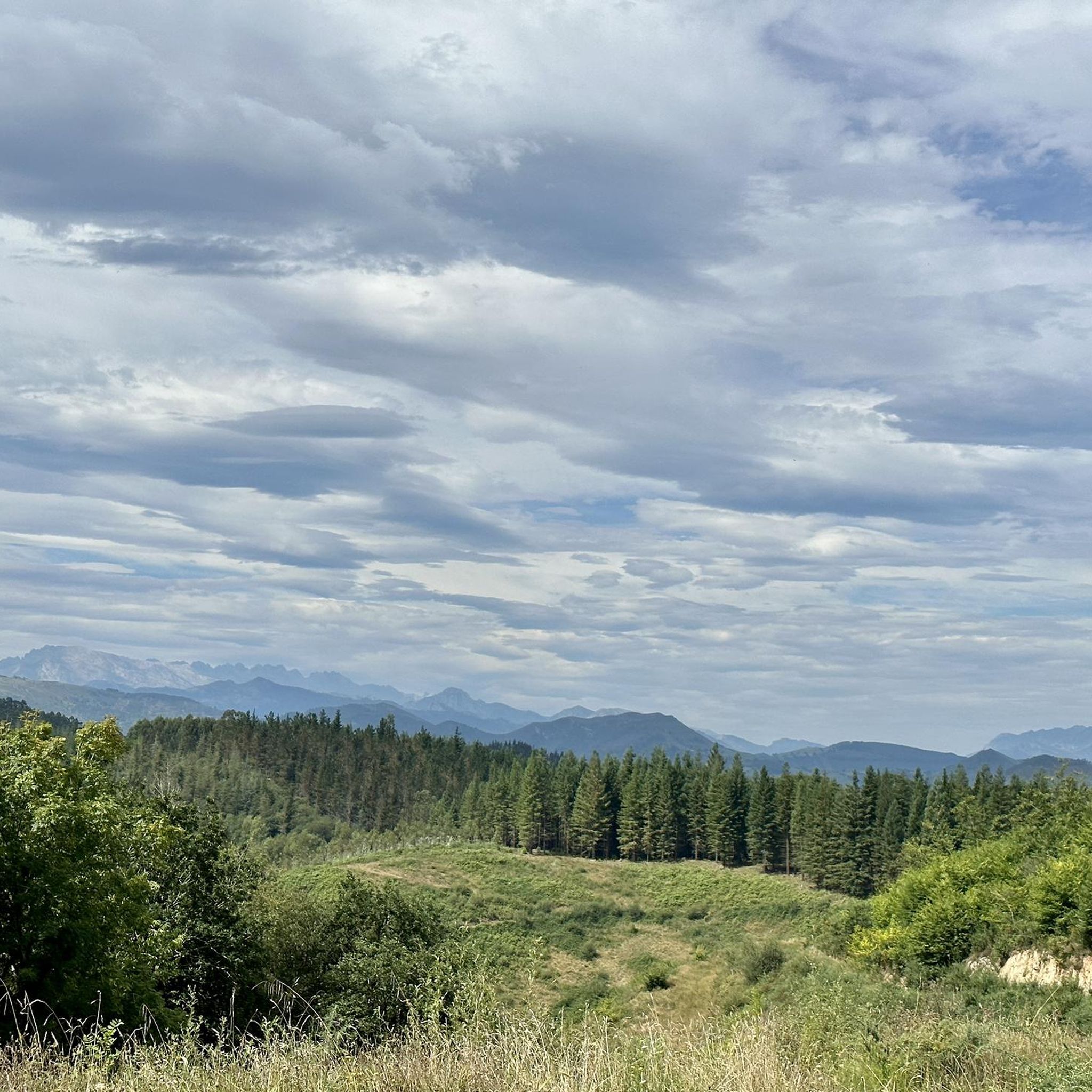
The Oyambre estuary or La Rabia estuary is an estuary located between the municipalities of San Vicente de la Barquera, Valdáliga and Comillas. Seventeen species of birds use these fertile waters to feed and rest in winter. The mallard, common teal and great cormorant are representative of this ecosystem.
3
0
우디아스 주변에서 가장 인기 있는 명소


더 살펴보기
우디아스 주변의 최고의 동굴을 찾기 위해 이 가이드를 확인해보세요:
