헤이즐미어에서 가장 멋진 14개의 천연기념물
천연기념물을 방문하여 헤이즐미어의 아름다운 풍경을 만나보세요. 헤이즐미어에 있는 14
개의 천연기념물과 상세 정보를 살펴본 후에 방문하고 싶은 천연기념물을 다음 모험 계획에 추가해보세요!
마지막 업데이트: 10월 30, 2026
리버 체스 징검다리와 위어
하이라이트 • 구조물
팁에 의해

Cock Marsh 습지 산책로
하이라이트 • 트레일
팁에 의해

이런 장소를 발견하려면 지금 가입하세요
최고의 싱글 트랙, 봉우리 및 다양한 흥미로운 야외 장소에 대한 추천을 받아보세요.
칠턴스 국립 경관의 블루벨 숲
하이라이트 • 숲
팁에 의해
브레이든햄 에스테이트 초지
하이라이트 • 자연
팁에 의해
무료로 가입하여 헤이즐미어 주변의 더 많은 자연 기념물을 발견하세요.
이미 komoot 계정이 있나요?
오늘 무료 계정으로 시작하세요
다음 모험이 기다리고 있어요.
커뮤니티 팁

There is a lovely little weir on the River Chess here that's worth stopping by. Also, on the same pond, you will see stepping stones (called Steps of Heaven by some) if you'd like to walk across! A good few years ago, I used to live in the street right next to these ponds, so I can vouch for the fact that this is a great place to spend some time at, particularly in the summer.
1
0
There is a lovely little weir on the River Chess here that's worth stopping by. Also, on the same pond, you will see stepping stones (called Steps of Heaven by some) if you'd like to walk across! A good few years ago, I used to live in the street right next to these ponds, so I can vouch for the fact that this is a great place to spend some time at, particularly in the summer.
2
0

its ok but muddy to get in and out of if you want to dip your feet during a hike
1
0

Legend has it that whoever walks on these steps without falling will be blessed with eternal life.
2
0

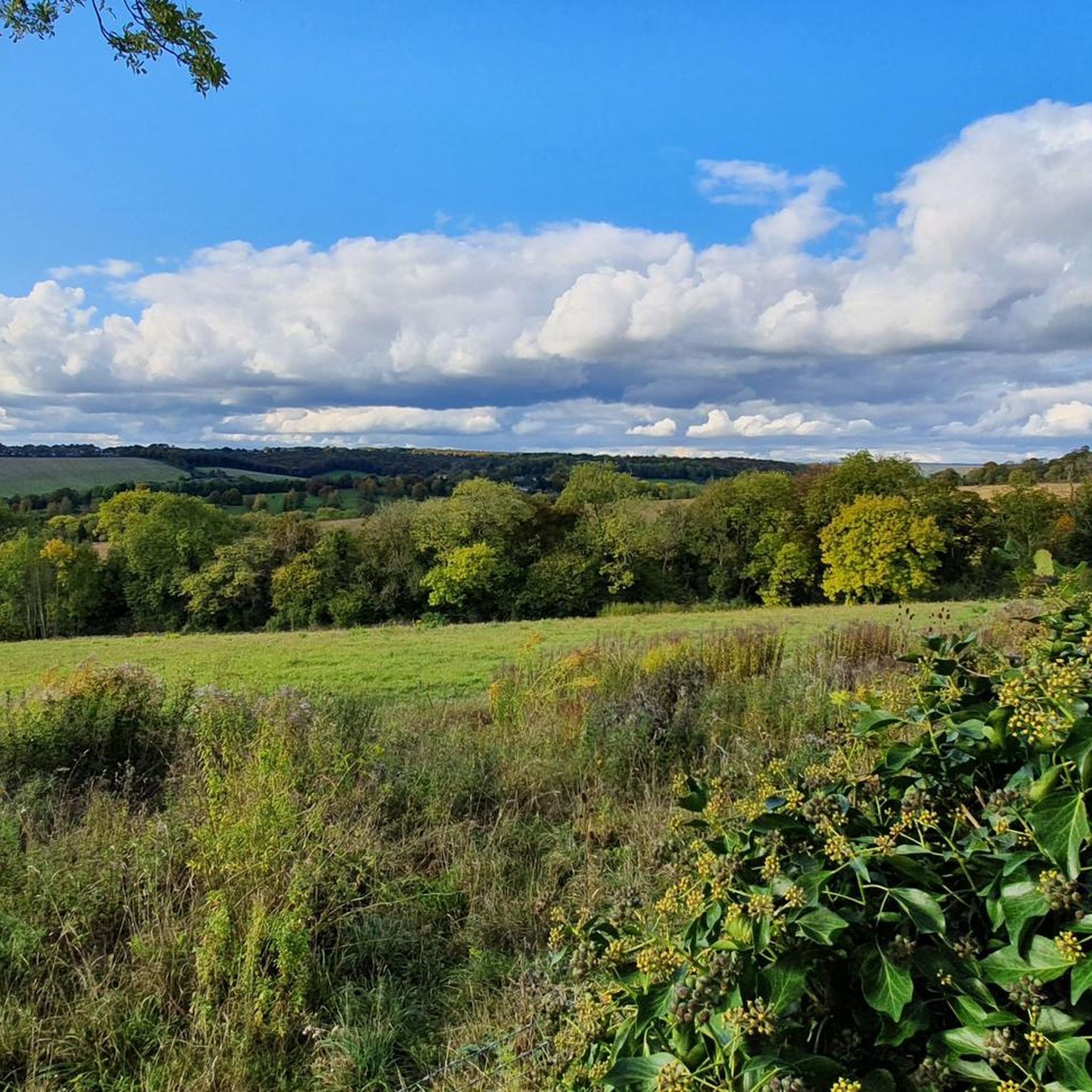
The wetland meadows of Cock Marsh are very important for rare plant species, breeding waders and overwintering birds. Part of the site is designated as a Site of Special Scientific Interest (SSSI). The steep chalk grassland swiftly changing into marshy, acid meadows has created an ecosystem of rare and interesting species. As part of the historic channel of the Thames, the ponds here support specialist plants like water violet, marsh arrowgrass, marsh stitchwort, marsh pennywort and water hemlock. The rare sedge Cyperus fuscus (brown galingale) is found here and in only a handful of other sites in Great Britain. It relies on cattle to tread or poach the ground on the pond edges to create the perfect habitat to grow. The cattle here work hard to help to maintain a rich botanical diversity of grassland habitat. https://www.nationaltrust.org.uk/maidenhead-and-cookham-commons/trails/cookham-and-cock-marsh-walk
1
0
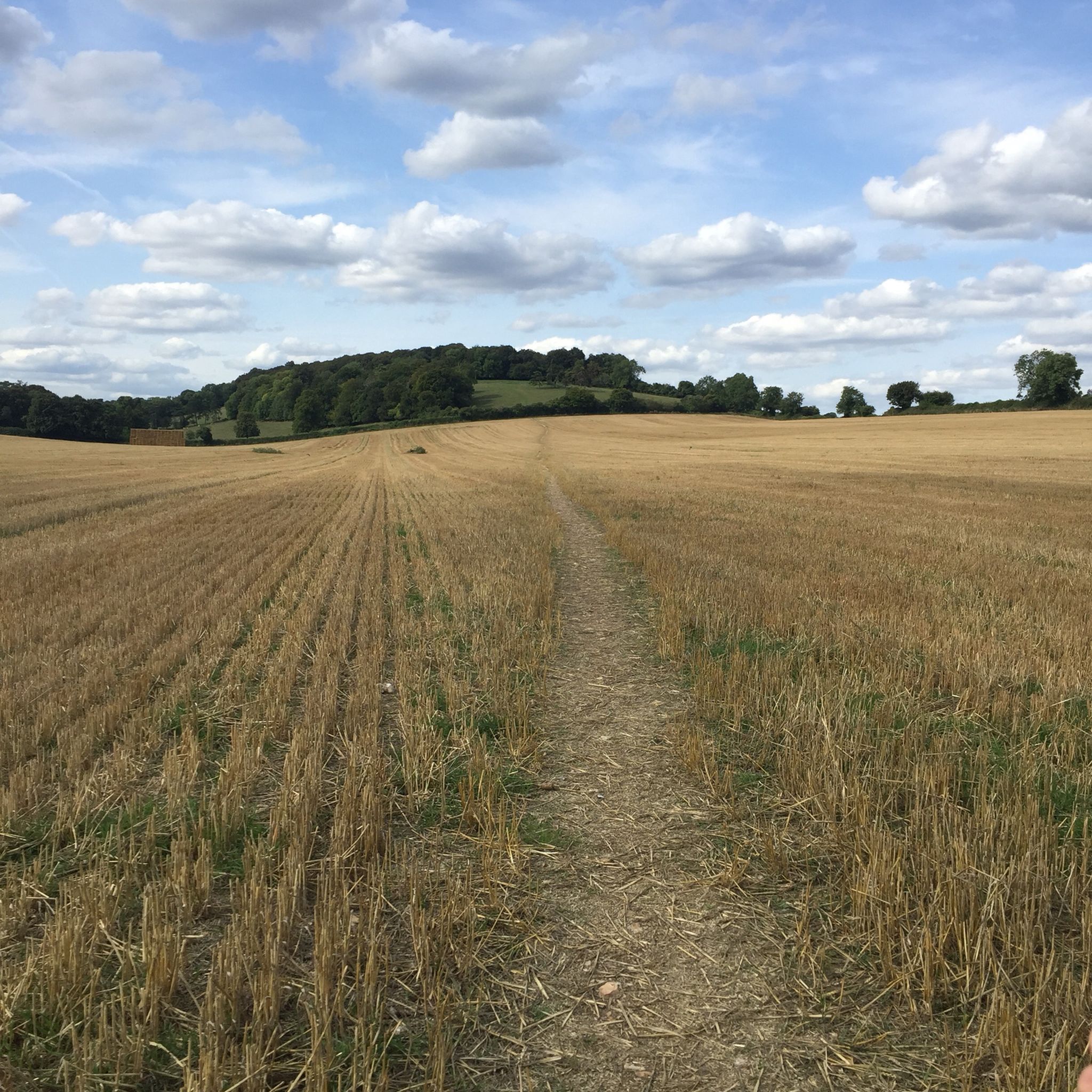
adjacent to the carpark, is an area of permanent grassland rich in flora and fauna, which is now in the care of the National Trust. The Trust successfully re-introduced the rare Duke of Burgundy butterfly here in 2011 (full name: His Grace the Duke of Burgundy Butterfly, Hamearis lucina). Considerable work has been done to ensure the habitat at these sites is suitable for the butterfly's lifecycle. This is a great local conservation success story for a species which on a national scale is one of the most rapidly-declining butterflies in the UK. https://www.nationaltrust.org.uk/chilterns-countryside/trails/bradenham-beech-woods-and-bunkers-trail
0
0
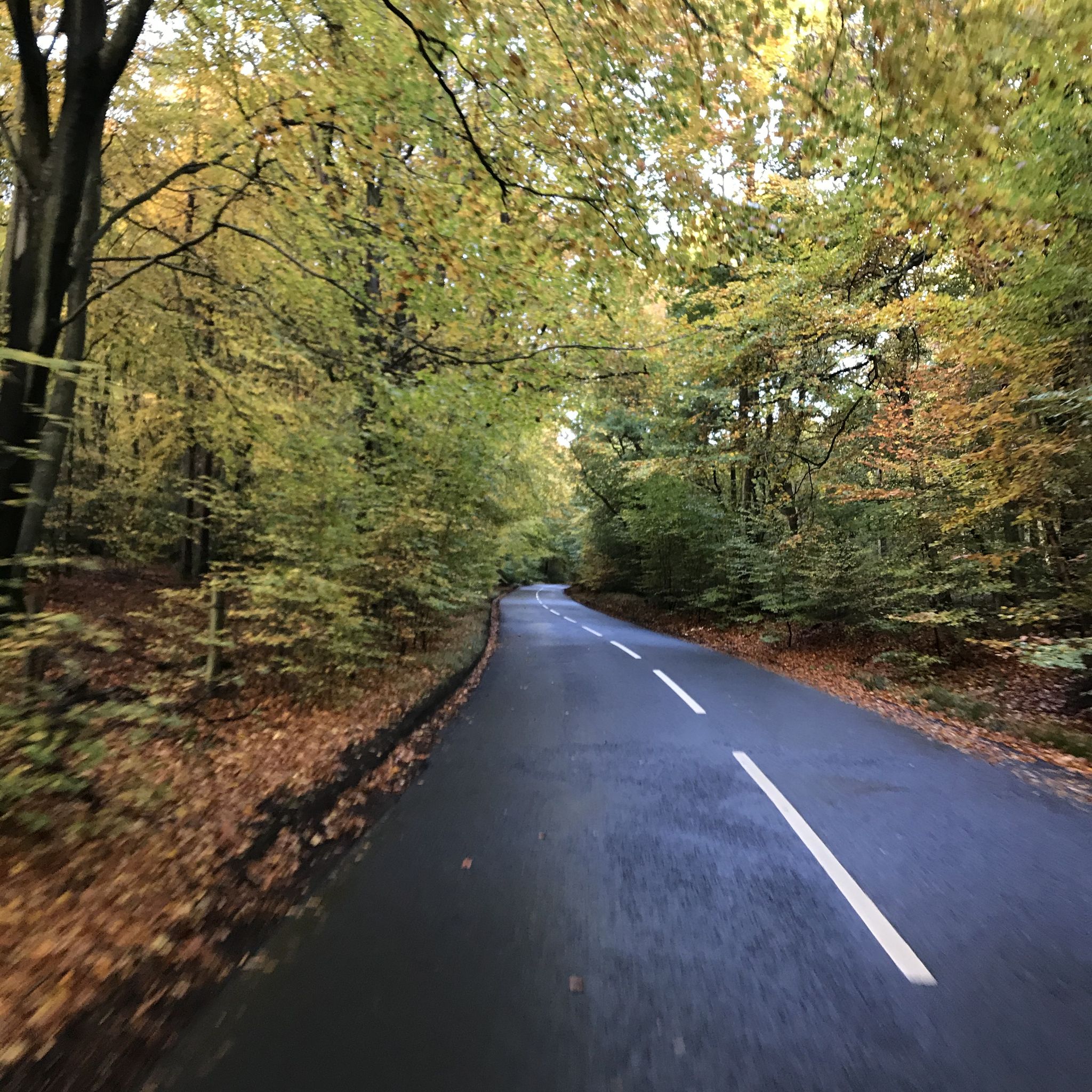
Archaeological Surveys undertaken in Park Wood have revealed a fascinating past for this quiet area of deciduous woodland. Lynchets and banks within the woods give evidence of ancient field systems which may date back to the late Iron Age/early Roman period (or they may be medieval). In the beech woodland opposite the pond is evidence of a late thirteenth/early fourteenth homestead in the woodlands and in Tudor times (1485 – 1603) the woodland was a deer park. Much of Park Wood was converted to beech woodland from the late 18th until the early 20th century to cater for the High Wycombe furniture industry. Associated features include sawpits, tracks and charcoal burning platforms. https://www.nationaltrust.org.uk/chilterns-countryside/trails/bradenham-beech-woods-and-bunkers-trail
0
0
Bluebells are well-known for forming carpets of bright blue flowers beneath our oak and beech woodlands in the late spring. At this time of year, they can also be found along hedgerows and in woodland clearings. Their spectacular floral displays are exclusive to northern Europe, with Britain containing more than half of the world’s population of bluebells. Bluebells, which are inedible members of the asparagus family of plants, are perennial bulbous herbs with flowering stems to about 50cm tall. They spend most of the year as bulbs underground and emerge to flower from mid-April onwards, although they are usually at their peak in the first two weeks of May, depending on the spring weather. Up to twenty sweetly-scented flowers are borne on a flower stalk which droops to one side. The flowers are bell-shaped and although they are usually blue, they can be white or rarely pink. https://www.nationaltrust.org.uk/chilterns-countryside/features/discover-bluebells-in-the-chiltern-countryside
0
0
헤이즐미어 주변에서 가장 인기 있는 명소


더 살펴보기
헤이즐미어 주변의 최고의 동굴을 찾기 위해 이 가이드를 확인해보세요:
