업튼 스노즈버리에서 가장 멋진 4개의 천연기념물
Upton Snodsbury 주변의 자연 기념물은 낮은 언덕, 농경지, 고대 삼림으로 특징지어지는 우스터셔의 그림 같은 시골 풍경을 보여줍니다. 이 지역의 자연적 매력은 고요한 환경과 역사적인 농업 패턴에서 비롯됩니다. 방문객들은 지역 동식물에 몰입할 수 있는 산책로 네트워크를 탐험할 수 있습니다. 이 지역은 고대 삼림부터 역사적인 정원까지 다양한 자연 명소를 제공합니다.
Upton Snodsbury 주변 최고의 자연 기념물
- 가장 인기 있는 자연 기념물은 한베리 홀의 정형화된 정원으로, 1705년에 처음 디자인되었다가 나중에 재현된 역사적인 정원입니다. 이 정원들은 다양한 식물 컬렉션과 역사적인 조경을 특징으로 합니다. …
마지막 업데이트: 8월 22, 2026
그래프턴 우드 자연 보호구역
하이라이트 (구간) • 자연 기념물
Jointly owned with Butterfly Conservation, Grafton has been at the heart of one of Worcestershire’s great conservation successes. The wood is the …
팁에 의해

코츠월드 특별 자연미 지역 경계 표지
하이라이트 • 자연 기념물
팁에 의해

이런 장소를 발견하려면 지금 가입하세요
최고의 싱글 트랙, 봉우리 및 다양한 흥미로운 야외 장소에 대한 추천을 받아보세요.
무료 회원 가입
모튼 홀 튤립 축제
하이라이트 • 자연 기념물
팁에 의해
오늘 무료 계정으로 시작하세요
다음 모험이 기다리고 있어요.
로그인 또는 가입하기

커뮤니티 팁

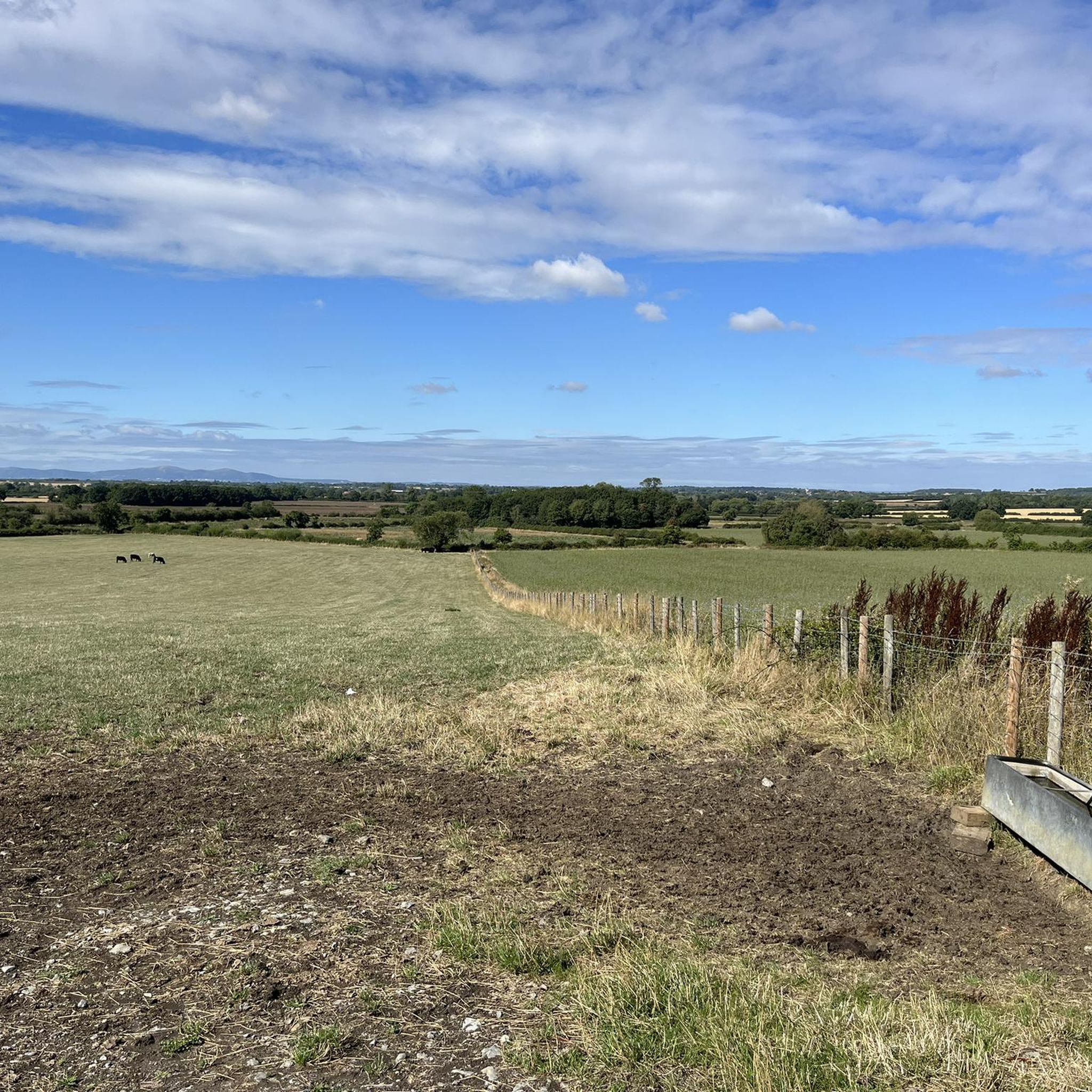
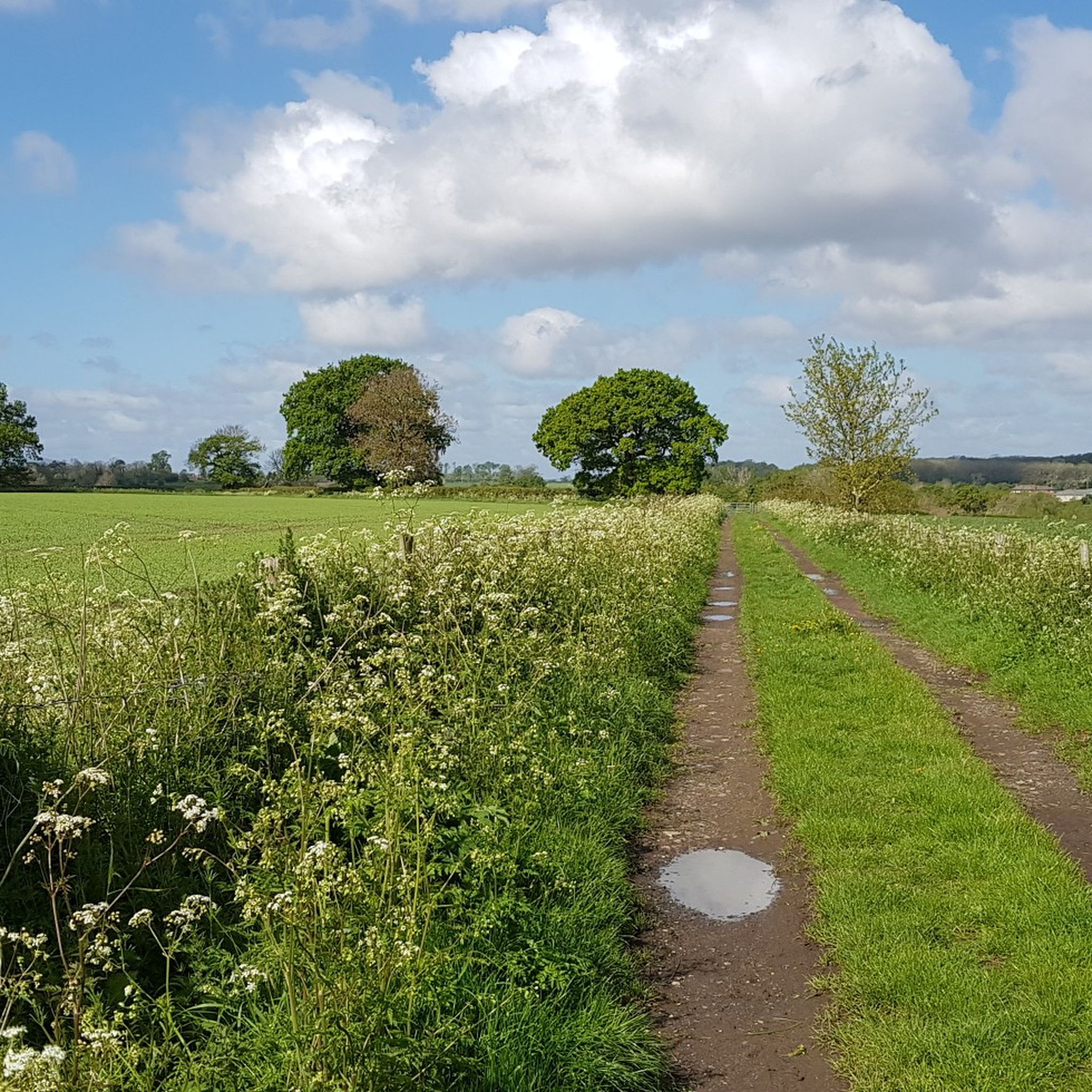
Gentle ascent in Little Comberton direction. The boundary marker is situated right along NCN 442, so it is easy to spot.
0
0

In spring 2022 Morton Hall Gardens opens its gates to visitors for its annual Tulip Festival, with all ticket sales supporting costume-making at the RSC. More than 100 tulip varieties can be admired in borders, pots and three cut flower marquees, revealing the magic and splendour of the queen of the spring flowers. Bloms Bulbs, winner of 68 Chelsea Gold medals, supply the bulbs and will be on site with expert advice on your favourite choices. History of Tulips The tulip’s conquest of western Europe began in the Netherlands: In the mid-16th century, travellers brought back bulbs from the Ottoman Empire. The Turks had been cultivating tulips as early as 1000 AD and adopted them as an emblem of the court. The correct name for tulips is the Persian word ‘lale’, but there was a confusion with the Persian and Turkish words for ‘turban’. This is how the misnomer was created and adhered to ever since. In the Dutch Golden age, tulips caused the first major financial bubble. They became the ultimate status symbol. During ‘Tulipmania’, which lasted from 1634 to 1637, just one bulb of a desirable tulip could fetch the same price as a house in the best quarter of Amsterdam. In England, tulips were introduced in the 1630s, which is probably why they don’t feature in Shakespeare’s works. Nowadays, tulips are widely available and affordable. However, they have not lost their magical pull. Tulip festivals are celebrated in many countries. The Netherlands, where tulips are bred and sold in billions, host the most important and well-known. However, if you visit Istanbul in April and early May, you will find that more than 20 million tulips have been planted throughout the city for the ‘Lale’ Festival. This tradition goes back to the late 17th to mid-18th century, which was the height of tulip popularity in the Ottoman Empire, as can still be seen in the ceramic decorations of many palaces. What is tulip magic? I like to compare it to a carnival or New Year’s fireworks. There is a joyful, limitless riot of colour and shapes. All is allowed: the boldest and most outrageous combinations and wild pageants of pattern. It is the ultimate victory over the bleakness of winter. But tulip festivals are more than celebrations of winter’s end. They are also a great opportunity to see hundreds of different varieties ‘in the flesh’. Beyond colour and shape, there are scent, texture and habit. It can be startling how varieties that look very similar on a catalogue page will appear very diverse when planted next to each other. An ideal opportunity to find the tulip you have been looking for!
0
0
An ancient woodland with coppice and large oaks Jointly owned with Butterfly Conservation, Grafton has been at the heart of one of Worcestershire’s great conservation successes. The wood is the centre of the only colony of brown hairstreak butterflies in the Midlands. These elusive butterflies, on the wing in August and September, have been the subject of a long-term project to ensure their survival. By working with local landowners and encouraging appropriate maintenance of hedgerows, volunteers from both conservation charities have helped the butterflies to increase in range and in numbers. Grafton Wood is an ancient semi-natural broad-leaved woodland and, until the 1950s was traditionally managed as coppice-with-standards that provided materials for products such as broom handles, pea sticks, hedge-laying, clothes pegs, spars for thatching and firewood. Our management today aims to replicate this tradition and involves widening the rides through the woodland, coppicing and creating glades. We also ensure that there are scrubby areas containing the young blackthorn bushes that are vital for brown hairstreaks to survive. The majority of the canopy at Grafton is ash and oak although we also have a small-leaved lime coppice stool that we think must have originally started as one lime tree at least a thousand years ago. In many places there is a dense shrub layer of field maple, hawthorn and hazel. The two compartments of conifers that were planted in the 1960s have largely been removed in 2010. It’s not just brown hairstreak butterflies that visitors to Grafton Wood should keep a look out for. The wood is also important for other woodland butterflies including silver-washed fritillaries and white admirals. After careful surveying of the habitat and flowering species in the wood pearl-bordered fritillaries were released into the woodland in 2011 in the hope that they would then naturally re-colonise the wood after a 30 year absence. Notable moths include drab looper, rosy footman, Devon carpet and waved black. Many fungi have been recorded in the wood and it also supports a distinctive flora including herb-Paris, adder’s-tongue fern, violet helleborine, spurge laurel and bird’s-nest orchid. Birds including buzzard, goldcrest, treecreeper, lesser and great spotted woodpeckers are regularly seen in the wood and the adjacent meadows and orchards are important for green woodpeckers. Bechstein’s bats were recently discovered in the wood and the colony is thought to be the most northerly breeding roost in the UK.
0
0
자주 묻는 질문
Upton Snodsbury 주변에서 어떤 자연 기념물을 볼 수 있나요?
Upton Snodsbury 주변 지역은 고요한 시골 풍경을 특징으로 하며, 고대 삼림, 완만한 언덕, 농경지가 있습니다. 극적인 지질학적 지형은 없지만, 고대 삼림이자 특별 과학 관심 지역(Site of Special Scientific Interest)인 Grafton Wood 자연 보호 구역과 같은 중요한 자연 명소를 발견할 수 있습니다. 이 지역의 자연미는 보행자 도로망과 역사적 풍경의 흔적을 통해 가장 잘 경험할 수 있습니다.
탐험할 만한 고대 삼림이나 자연 보호 구역이 있나요?
네, Grafton Wood 자연 보호 구역이 대표적인 예입니다. 이 고대 반자연 활엽수림은 특별 과학 관심 지역으로, 생태학적 중요성과 갈색 머리띠 나비와 같은 희귀 나비의 서식지로 알려져 있습니다. 더 멀리 떨어진 곳에서는 Bow Wood, Foster's Green Meadows, Bredon Hill, Chaddesley Woods 국립 자연 보호 구역과 같은 지역도 탐험할 수 있습니다.
야생 동물 관찰 기회는 어떤 것이 있나요?
Grafton Wood 자연 보호 구역은 야생 동물 관찰에 훌륭한 장소입니다. 이곳은 희귀한 갈색 머리띠 나비, 은빛 씻은 굴나비, 흰색 제독 나비를 포함한 다양한 삼림 나비의 서식지입니다. 또한 주목할 만한 나방, 다양한 균류, 독특한 식물군을 볼 수도 있습니다. 조류 관찰자들은 말똥가리, 금관 조롱이, 나무타기새, 그리고 작은점박이딱따구리와 큰점박이딱따구리를 찾을 수 있습니다. 이 삼림에서는 베흐슈타인 박쥐도 발견되었습니다.
이 지역에 가족 친화적인 자연 명소가 있나요?
Upton Snodsbury 주변에는 가족에게 적합한 여러 명소가 있습니다. Grafton Wood 자연 보호 구역은 고대 삼림을 통과하는 매력적인 산책로를 제공합니다. Hanbury Hall의 정형화된 정원과 Croome Grotto는 역사 및 정원 탐험을 제공합니다. 또한, 매년 봄에 열리는 Morton Hall 튤립 축제는 100가지 이상의 튤립 품종을 선보이는 활기차고 가족 친화적인 행사입니다.
이 자연 기념물 근처에는 어떤 종류의 걷기 및 하이킹 트레일이 있나요?
이 지역은 자연의 아름다움을 경험할 수 있는 다양한 걷기 및 하이킹 트레일을 제공합니다. 삼림, 농경지, 지역 개울을 따라 이어지는 쉬운 산책부터 적당한 난이도의 하이킹까지 다양한 경로를 찾을 수 있습니다. 특정 경로를 보려면 Upton Snodsbury 주변 하이킹 가이드를 확인하세요. 이 가이드에는 Grafton Wood 자연 보호 구역을 통과하는 트레일도 포함되어 있습니다.
쉬운 또는 휠체어 접근 가능한 자연 기념물이나 트레일이 있나요?
시골 풍경의 많은 트레일은 울퉁불퉁할 수 있지만, Cotswolds Outstanding Natural Beauty 경계 표시는 NCN 442를 따라 위치해 있으며, 완만한 오르막이 있지만 더 접근하기 쉬운 경로를 제공합니다. 쉬운 산책을 위해서는 적합한 경로를 Upton Snodsbury 주변 쉬운 하이킹 가이드를 참조하세요.
Upton Snodsbury 주변의 자연 기념물을 방문하기 가장 좋은 시기는 언제인가요?
봄이 특히 인기가 많으며, 과수원이 있는 '블로섬 트레일(Blossom Trail)'을 경험하고 모턴 홀 튤립 축제(Morton Hall Tulip Festival)와 같은 행사를 즐기기에 좋습니다. 여름은 산책하기에 쾌적한 날씨를 제공하며, 가을은 아름다운 단풍을 선사합니다. 그라프턴 우드 자연 보호 구역(Grafton Wood Nature Reserve)은 늦여름에 나비 관찰에 특히 활기찬 모습을 보입니다.
이 자연 기념물과 트레일에 강아지를 데려갈 수 있나요?
Upton Snodsbury 주변의 많은 공공 산책로와 자연 지역은 반려견 동반이 가능하지만, 특히 가축이 있거나 그라프턴 우드 자연 보호 구역(Grafton Wood Nature Reserve)과 같이 민감한 야생 동물 서식지가 있는 곳에서는 항상 목줄을 착용하는 것이 가장 좋습니다. 방문 전에 항상 특정 장소의 규정을 확인하세요.
자연 경관과 통합된 역사적 또는 문화적 유적지가 있나요?
네, 이 지역은 자연의 아름다움과 역사적 중요성이 조화를 이룹니다. 1705년에 처음 디자인된 한베리 홀(Hanbury Hall)의 정형화된 정원은 역사적인 조경 건축을 엿볼 수 있는 기회를 제공합니다. 마찬가지로, 크룸 그로토(Croome Grotto)는 캐퍼빌리티 브라운(Capability Brown)이 조성한 광대한 정원 내에 있는 18세기 건축물로, 주변 자연 환경에 역사적 맥락을 제공합니다.
자연 기념물 근처에서 식사나 음료를 즐길 수 있는 곳은 어디인가요?
Upton Snodsbury와 주변 마을에는 탐험 후 휴식을 취할 수 있는 전통적인 펍과 카페가 있습니다. 각 자연 기념물 근처의 특정 장소는 다양하지만, 하이라이트된 지역 중 많은 곳에서 차로 짧은 거리를 가거나 걸어서 갈 수 있는 옵션을 찾을 수 있습니다.
Upton Snodsbury의 자연의 아름다움을 탐험하는 가장 좋은 방법은 무엇인가요?
이 지역의 자연의 아름다움을 경험하는 가장 좋은 방법은 수많은 산책로와 조용한 차선을 따라 걷거나 자전거를 타는 것입니다. 이 경로들은 종종 탁 트인 시골, 농경지, 고대 삼림 지대를 통과하여 고요한 환경에 몰입할 수 있게 해줍니다. 이 지역의 매력에 기여하는 지역 개울인 피들 브룩(Piddle Brook)과 보우 브룩(Bow Brook)을 탐험하는 것을 고려해 보세요.
업튼 스노즈버리 주변에서 가장 인기 있는 경로
업튼 스노즈버리 주변에서 가장 인기 있는 명소


더 살펴보기
업튼 스노즈버리 주변의 최고의 동굴을 찾기 위해 이 가이드를 확인해보세요:
