사우스 벅스에서 가장 멋진 4개의 천연기념물
천연기념물을 방문하여 사우스 벅스의 아름다운 풍경을 만나보세요. 사우스 벅스에 있는 4
개의 천연기념물과 상세 정보를 살펴본 후에 방문하고 싶은 천연기념물을 다음 모험 계획에 추가해보세요!
마지막 업데이트: 9월 5, 2026

클리브든 전쟁 묘지와 추모 정원
하이라이트 • 역사적 장소
팁에 의해

이런 장소를 발견하려면 지금 가입하세요
최고의 싱글 트랙, 봉우리 및 다양한 흥미로운 야외 장소에 대한 추천을 받아보세요.
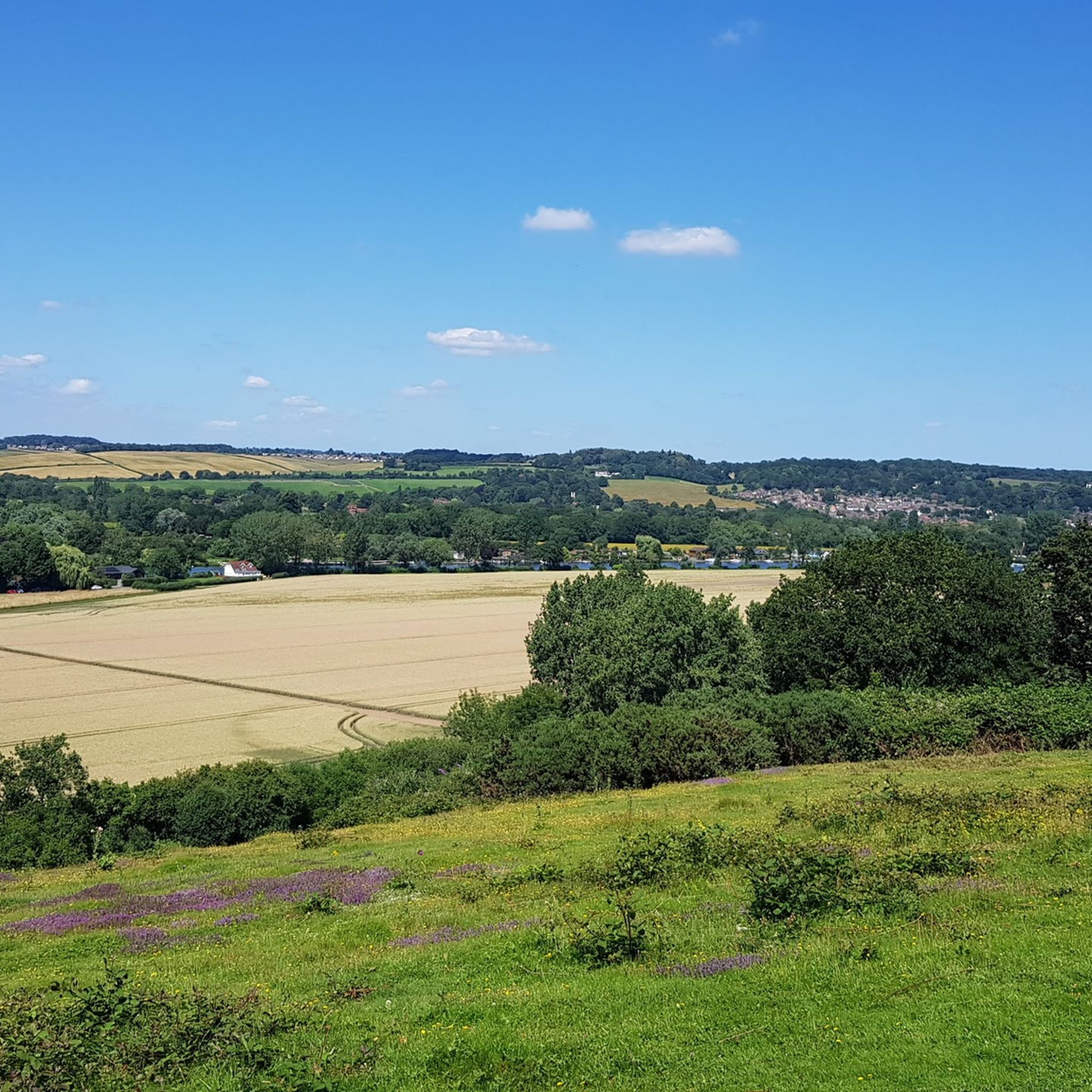
캐닝스 뷰 오브 더 리버 템스
하이라이트 • 전망대
Canning's View was named after George Canning who was briefly prime minister in 1827. He was a regular visitor and spent many hours under a giant oak tree …
팁에 의해
오늘 무료 계정으로 시작하세요
다음 모험이 기다리고 있어요.
커뮤니티 팁

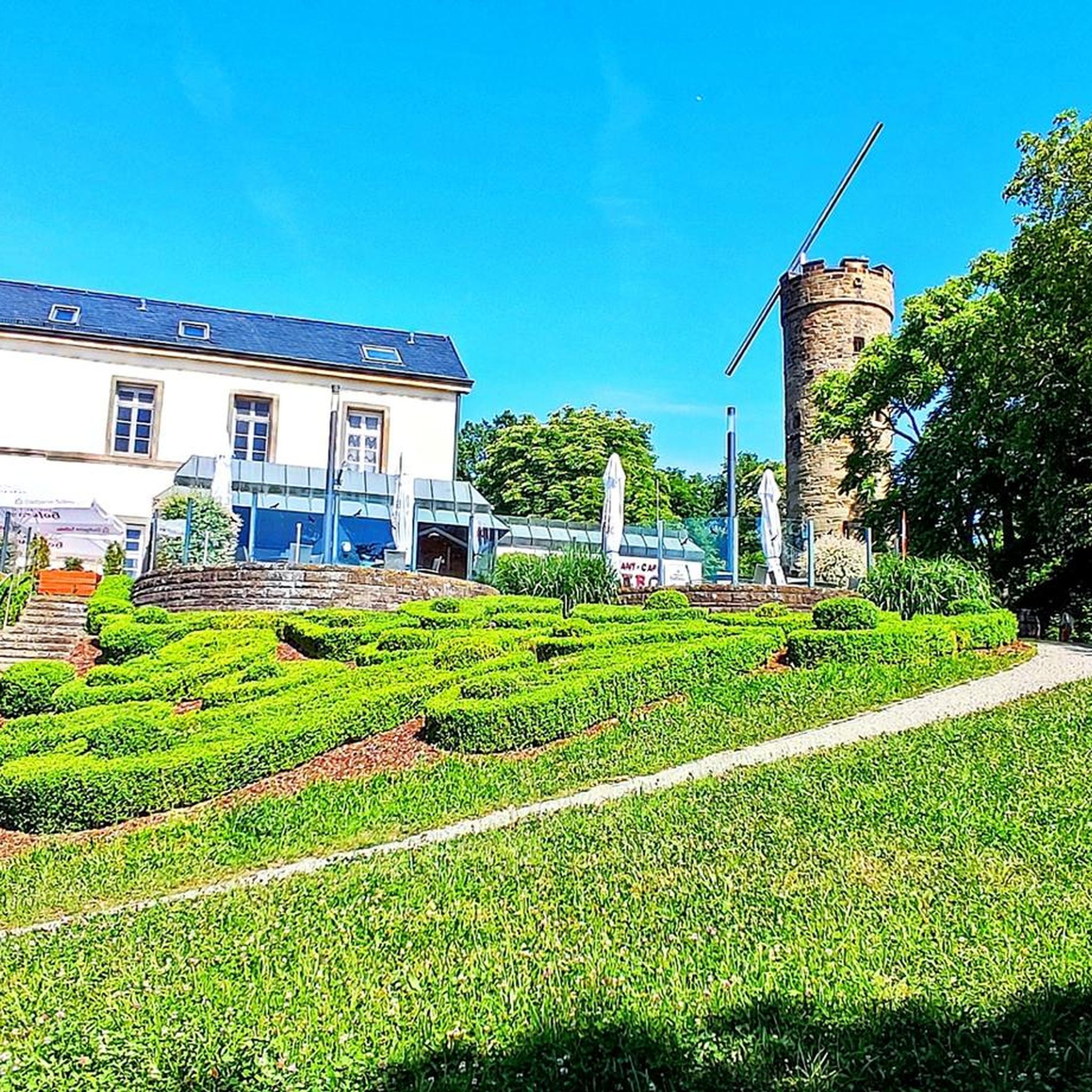
Clivden is a gem. A glorious stately home converted to a hotel and many an event.
0
0

Burnham Beeches is a Site of Special Scientific Interest, National Nature Reserve, and Special Area of Conservation thanks to its ancient beech woodland and rich wildlife. More than sixty species of plants and animals that call the 927-acre (375 ha) site home are rare or under threat. The historic woodland is also home to relics of times gone by. Located in the southwest of the woodland, you can visit Seven Ways Plain hill fort which dates to the Late Bronze Age and Early Iron Age. Neighbouring film studios have used the Beeches as a shooting location in various productions such as Doctor Who, Harry Potter, Goldfinger, and Robin Hood Prince of Thieves.
0
0

When the First World War broke out, Cliveden was a grand country estate well known for its exclusive parties and famous guests, yet within months it was offering a lifeline to Allied troops injured during the fighting. A helping hand At the beginning of the war, after failing a medical assessment to join the army, Waldorf Astor (later 2nd Viscount Astor) offered part of the Cliveden estate as a hospital to the British Army. They turned down the offer after deciding it would be too difficult to adapt to their needs but, determined to help, he offered the land to the Canadian Red Cross who accepted. As a result, the Duchess of Connaught Red Cross Hospital was opened to treat injured allied troops of the First World War. Bedside manner In 1915 the hospital could hold up to 110 patients at any one time but by the end of the war, this number had risen dramatically to 600. Nancy Astor was often seen helping out in the hospital and it is said that her personality and great vigour worked wonders on the patients. Many ministers and royals also visited the hospital including Winston Churchill in May 1915 and King George V in July 1915. In memory Of the 24,000 troops treated at the hospital only a relatively small number died. In 1918, the 1st Viscount Astor's sunken Italian garden was adapted to create a memorial garden for the deceased. https://www.nationaltrust.org.uk/cliveden/features/first-world-war-at-cliveden
0
0
Canning's View Canning's View was named after George Canning who was briefly prime minister in 1827. He was a regular visitor and spent many hours under a giant oak tree here, looking out at the spectacular view of the River Thames. The tree fell in May 2004 but the view to the river that George Canning enjoyed years ago still remains.
0
0
The Fountain of Love is a two colour marble sculpture by Thomas Waldo Story. It was commissioned by Lord Astor in 1897. The shell dish features three groups of statues which are all signed and dated by the sculptor. The shell was made from two large antique marble blocks joined together and based on tufa rock. Carrara marble figure of a half-fallen woman with very long wavy hair, arms outstretched to welcome cupid. Left figure from the monumental, two-colour marble group, The Fountain of Love, designed and carved in Rome by Thomas Waldo Story (1855-1915) son and pupil of the American dilettante sculptor William Wetmore Story (1819-95). The figures are signed and dated 'Waldo Story Roma 1897'. http://www.nationaltrustcollections.org.uk/object/766173.1
0
0
사우스 벅스 주변에서 가장 인기 있는 명소


찾고 계신 것을 찾지 못하셨나요?
지역별 최고의 하이라이트를 확인하여 사우스 벅스 주변의 더 놀라운 자연 기념물을 찾아보세요:
더 살펴보기
사우스 벅스 주변의 최고의 동굴을 찾기 위해 이 가이드를 확인해보세요:
