부키 국립공원에서 가장 멋진 20개의 천연기념물
천연기념물을 방문하여 부키 국립공원의 아름다운 풍경을 만나보세요. 부키 국립공원에 있는 20
개의 천연기념물과 상세 정보를 살펴본 후에 방문하고 싶은 천연기념물을 다음 모험 계획에 추가해보세요!
마지막 업데이트: 7월 11, 2026
살라이카 계곡의 수정처럼 맑은 시내와 폭포
하이라이트 • 강
번역자 Google •
팁에 의해

Istállós-kő 동굴
하이라이트 • 동굴
번역자 Google •
팁에 의해
이런 장소를 발견하려면 지금 가입하세요
최고의 싱글 트랙, 봉우리 및 다양한 흥미로운 야외 장소에 대한 추천을 받아보세요.
무료 회원 가입
Olasz-kapu 고개
하이라이트 • 산악 고개
번역자 Google •
팁에 의해


오늘 무료 계정으로 시작하세요
다음 모험이 기다리고 있어요.
로그인 또는 가입하기

커뮤니티 팁

Extensive archaeological work since 2000 has confirmed that people lived in the Szalajka Valley as early as 40,000 years ago. The cave dwellers lived in the Istállós cave and even had contact with other tribes from the valley, some of which lived 500 kilometers away. People also lived in the idyllic valley during the Bronze Age, as evidenced by Celtic relics and an early earthwork. Nevertheless, there were no major settlements within the valley until the Middle Ages, as trade routes were difficult to establish in the heavily forested area. Continuous settlement in the Szalajka Valley began in the 14th century, when people settled in the village of Wárad, now known as Szilvásvárad. The high-quality timber served as a source of urban income even in the Middle Ages, leading to increasing numbers of settlements. Source: https://www.urlaub-ungarn.at/sightseeing/natuerliche-gehenswuerdigkeiten-ungarn/szalajka-tal.html
0
0
Extensive archaeological work since 2000 has confirmed that people lived in the Szalajka Valley as early as 40,000 years ago. The cave dwellers lived in the Istállós cave and even had contact with other tribes from the valley, some of which lived 500 kilometers away. People also lived in the idyllic valley during the Bronze Age, as evidenced by Celtic relics and an early earthwork. Nevertheless, there were no major settlements within the valley until the Middle Ages, as trade routes were difficult to establish in the heavily forested area. Permanent settlement in the Szalajka Valley began in the 14th century, when people settled in the village of Wárad, now known as Szilvásvárad. The high-quality timber served as a source of urban income even in the Middle Ages, attracting increasing numbers of people to settle there. Later, potash was also extracted from the valley, which ultimately gave the area its current name. Potash means "sal alcali" in Latin, and these words have been incorporated into the Hungarian language. Until the 20th century, the valley was only known regionally. With the construction of the Szilvásvárad narrow-gauge railway, the first tourists arrived to travel to the valley by train. Since the 21st century, however, the Szalajka Valley has become a purely tourist destination, with forestry operations remaining minimal. Source: https://www.urlaub-ungarn.at/sightseeing/natuerliche-sehenswuerdigkeiten-ungarn/szalajka-tal.html
0
0


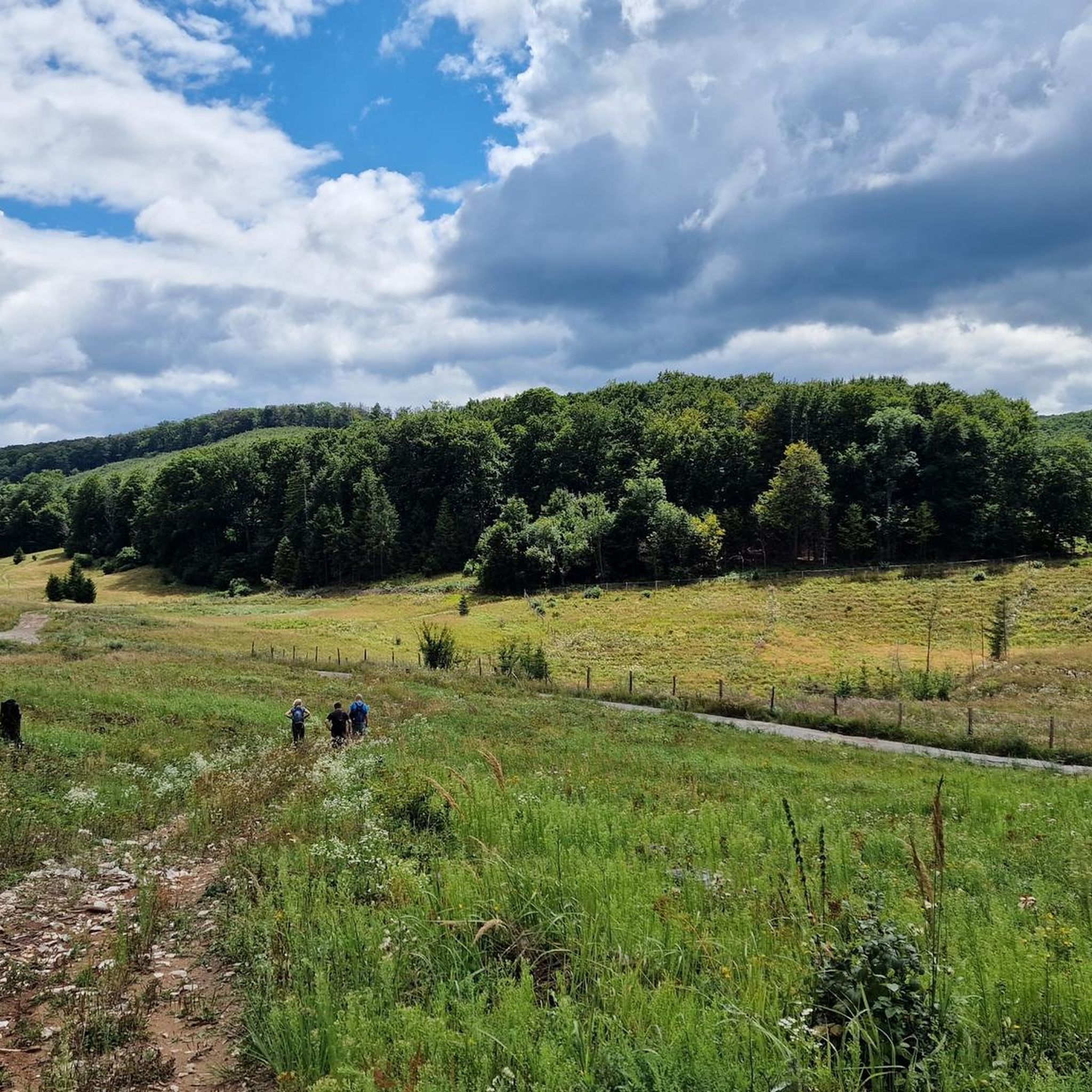
This place can be explored starting from Jávorkút. You can go on forest paths and on a designated bike route on asphalt. I am now describing the asphalt route. From Jávorkút, you actually have to follow the asphalt road leading there until there is a fork. Here you can head back to the Lazy Valley towards Miskolc - Lillafüred, and turn right to Nagy mező. You have to go to Nagy mező, and when you reach it, you have to continue on the asphalt. There will be another fork where you have to keep right, and in a short time you will reach the Jewish Meadow where the Italian Gate is located. It is noteworthy that the asphalt we came on is actually the track of the old light railway, so there used to be a train here. It also transported stone and wood to the iconic landmark, the engine house, from where the wagons were lowered onto a funicular and then continued through Szilvásvárad towards Slovakia. The Italian Gate is famous because 150 Italian prisoners carved through the rock face here by hand so that the train could pass.
0
0

Beautiful nature, amazing views. Good places for practicing MTB.
0
1


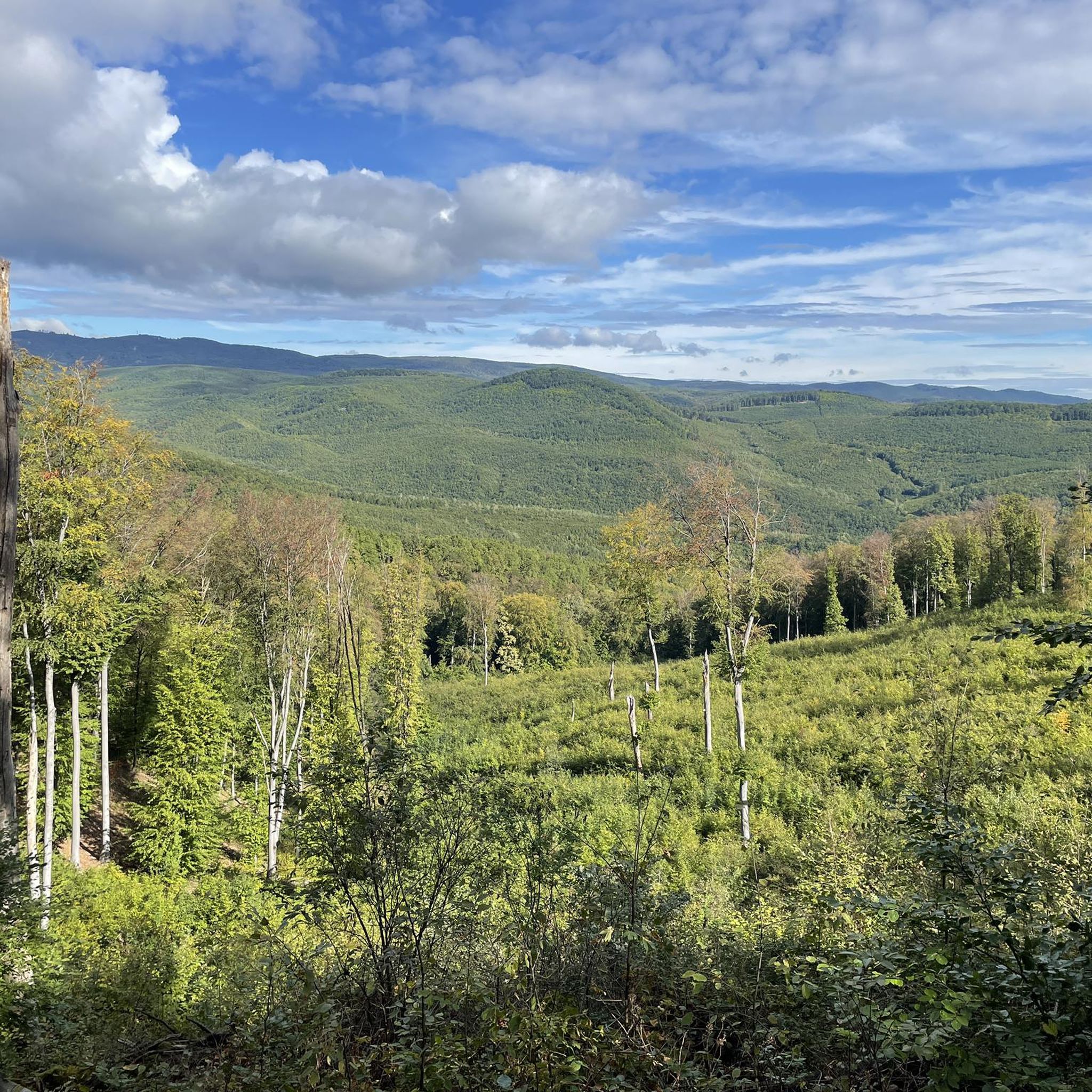
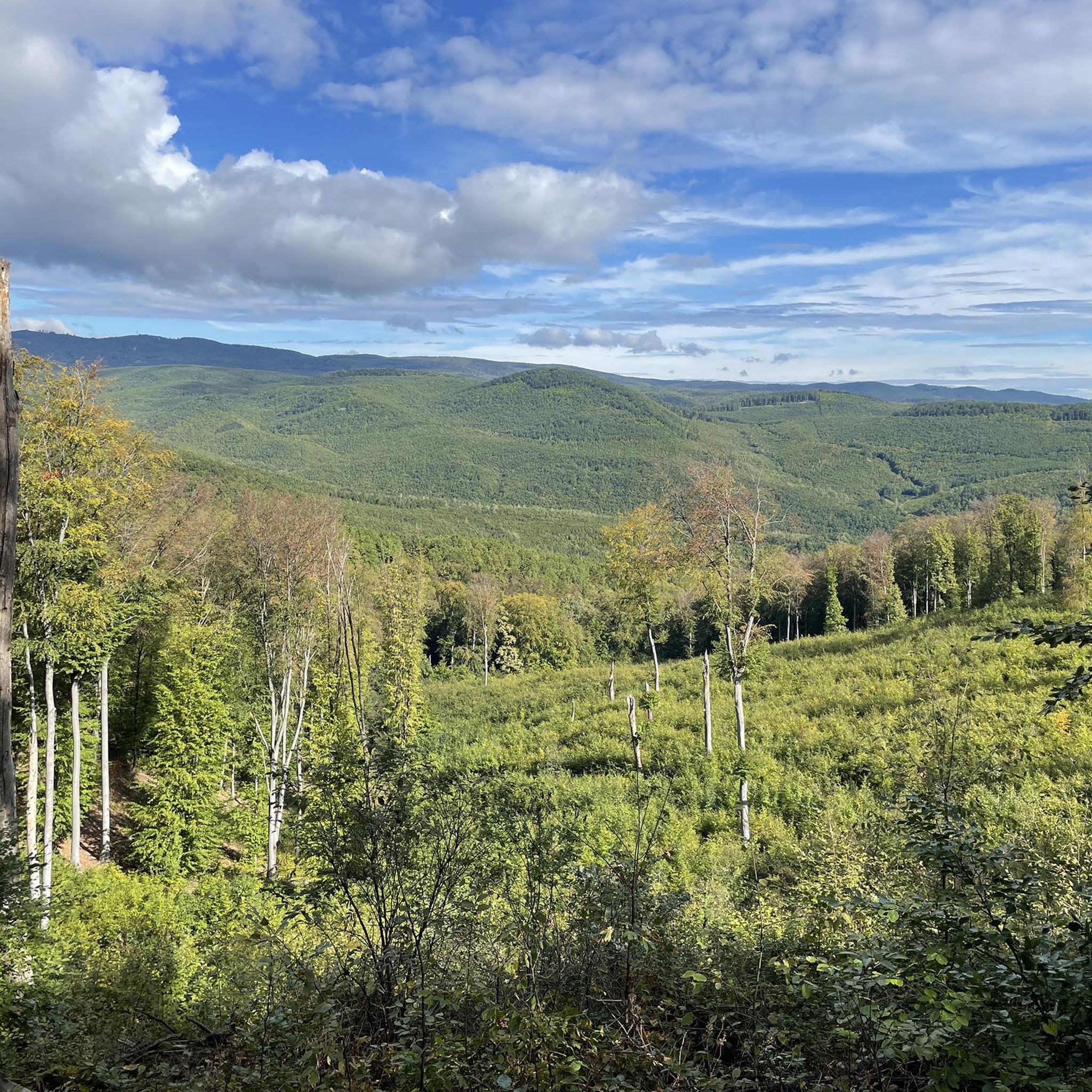
Among the vantage points of the Bükk Plateau, the 904-meter-high Három-kő offers one of the most beautiful and widest panoramas. It presumably got its name from the fact that three sharp limestone peaks located relatively close to each other support the slope. The unique sight immediately encourages hikers who come here to take a breathless, long look: looking from east to west, on a clear day you can see Nagyhegy, which forms the southern part of the Zemplén Mountains, below us is the Lök Valley, the Vöröskő Valley and the Felsőtárkányi Basin. , as well as the Nagy-Oltár rising above it, the Vasbánya-tetó, the Tárkányi-orom, the Ibolyás-tetó or just further south the Bükk gate, the city of Eger and the Nagy-Eged mountain and the northern cleft of the Alföld.
1
1

부키 국립공원에서 가장 인기 있는 명소


더 살펴보기
부키 국립공원의 최고의 동굴을 찾기 위해 이 가이드를 확인해보세요:
