가이스베르거 숲에서 가장 멋진 9개의 천연기념물
천연기념물을 방문하여 가이스베르거 숲의 아름다운 풍경을 만나보세요. 가이스베르거 숲에 있는 9
개의 천연기념물과 상세 정보를 살펴본 후에 방문하고 싶은 천연기념물을 다음 모험 계획에 추가해보세요!
마지막 업데이트: 9월 29, 2026
⚰️ 초기 켈트 시대의 고분군
하이라이트 • 역사적 장소
번역자 Google •
팁에 의해


이런 장소를 발견하려면 지금 가입하세요
최고의 싱글 트랙, 봉우리 및 다양한 흥미로운 야외 장소에 대한 추천을 받아보세요.

멜켄도르프 자연 체험길
하이라이트 (구간) • 트레일
Not just a must for kids.
Starting point here:
komoot.de/highlight/3689741
The whole route here:
komoot.de/tour/185700432?share_token=aBBt3GvLqKJ1ELvZH1rlSjvpfk3vXsOPeg7VEQZ6zpAa9jwxEL&ref=wtd
More details under
fraenkische-schweiz.com/de/detail/remoteid=86334
frankenmitkinder.de/naturerlebnisweg-melkendorf
번역자 Google •
팁에 의해

슐로스베르크 환상 요새
하이라이트 • 역사적 장소
"Ringwallanlage with upstream section fortification pre-and early historic Zeitstellung."
Source: Bavarian State Office for the Preservation of Monuments
The ringwall lies on a small, after W advanced mountain …
번역자 Google •
팁에 의해

무료로 가입하여 가이스베르거 숲 주변의 더 많은 자연 기념물을 발견하세요.
이미 komoot 계정이 있나요?
오늘 무료 계정으로 시작하세요
다음 모험이 기다리고 있어요.
커뮤니티 팁

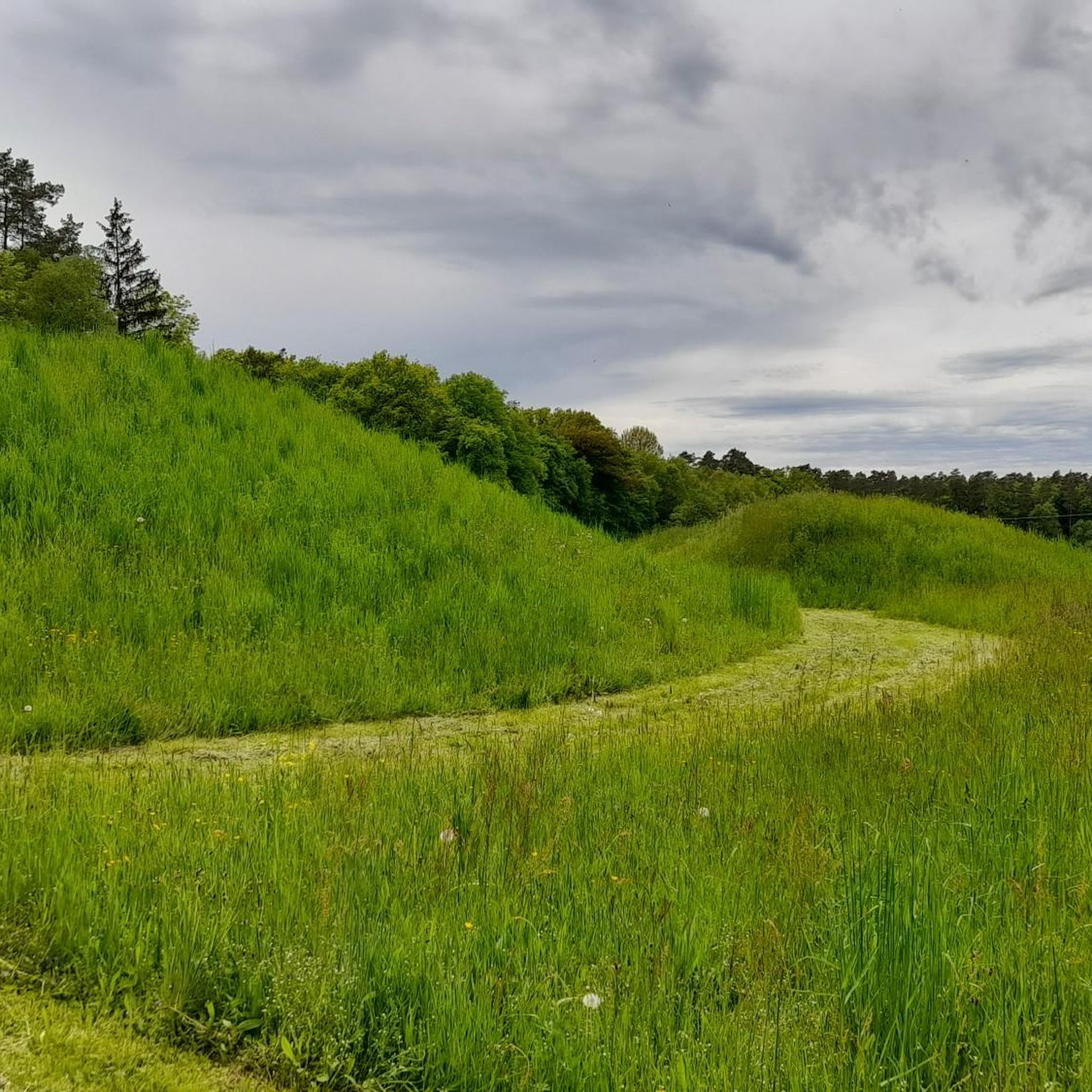
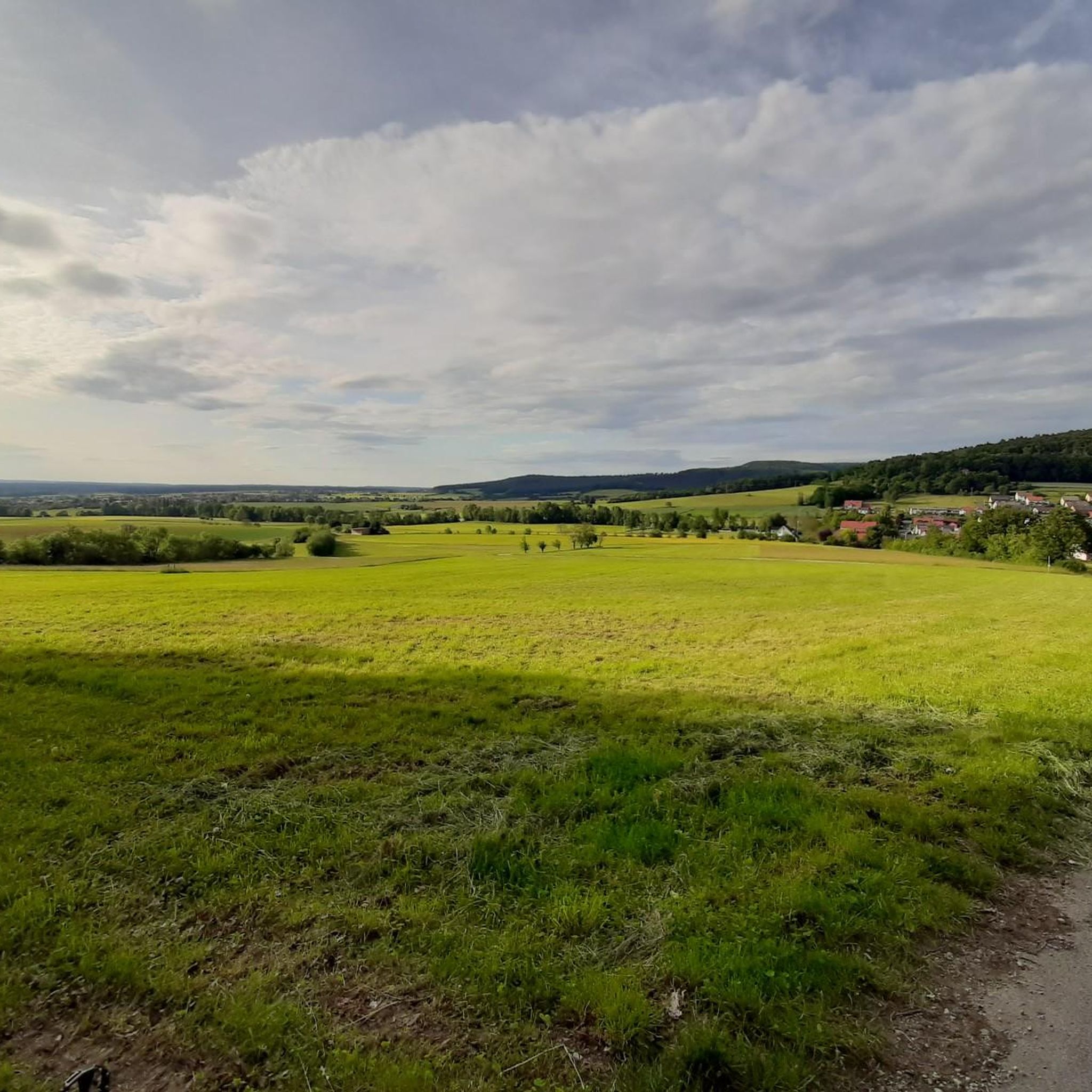
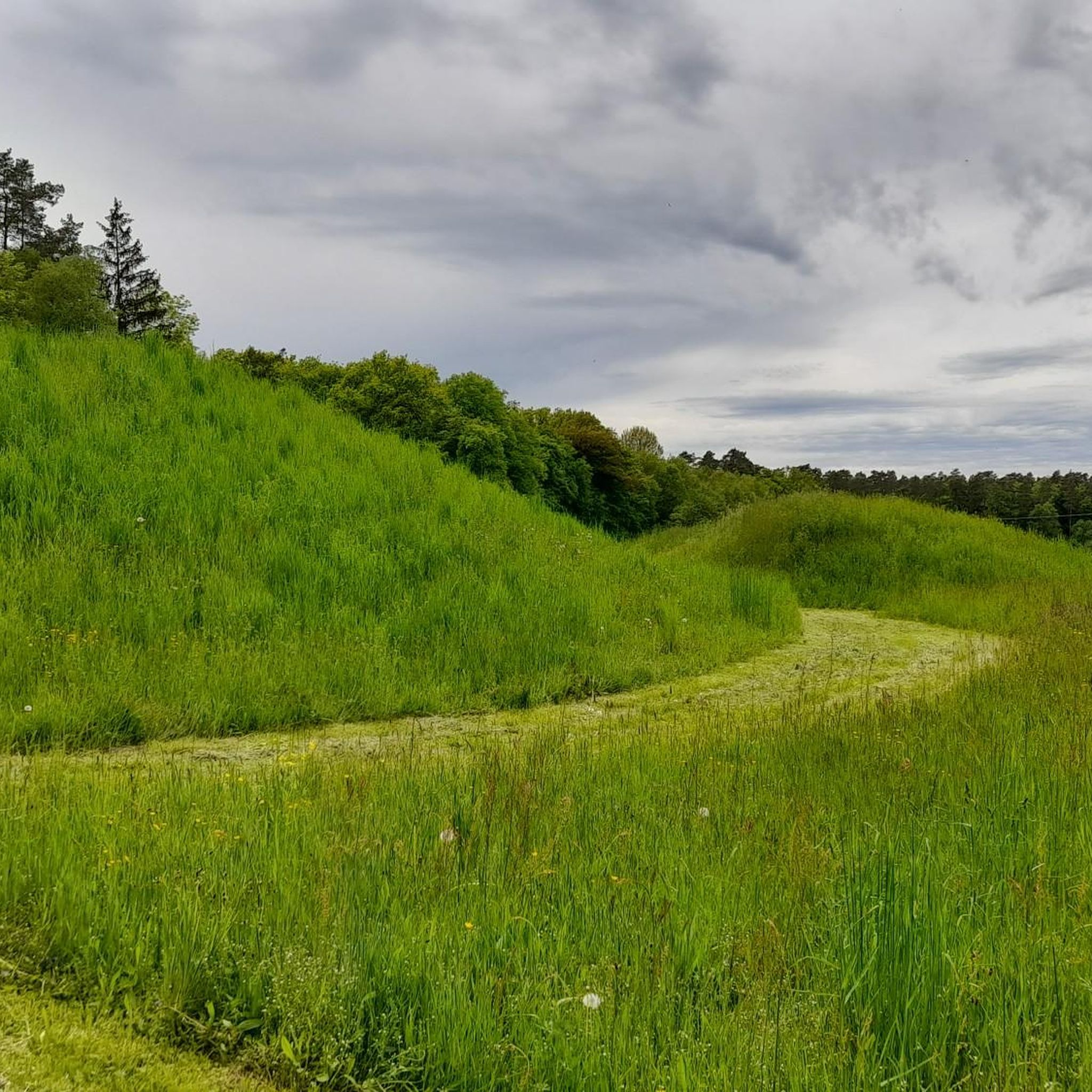
This Celtic cemetery is the most beautiful of its kind in Upper Franconia. Using six reconstructed burial mounds, you get a visual idea of how the Celts buried their dead. In the adjacent forest there are 33 other burial mounds, some of which are no longer so clearly visible. The entire complex was built around 700 BC. Created by Celtic farmers in the 1st century BC. Probably the most beautiful early Celtic cemetery in Upper Franconia, located on the state road from Litzendorf to Geisfeld, originally consisted of more than 50 burial mounds. The mounds were burial monuments of early Celtic farmers, whose size and furnishings indicate the social status of the deceased. Some mounds reached 4 m high and were crowned with a stone stele. The base of the hill, which could be up to 25 m in diameter, was surrounded by a ring of stone to mark a boundary between the living and the dead. When the cemetery was built around 700 B.C. When it was built in the 1st century BC, it was probably consecrated with a small sanctuary, which consisted of two concentric circular ditches. During the 7th century B.C. In the 4th century BC, the dead were burned on a pyre at the burial site and the ash urns were placed in the spacious, wooden burial chambers, which were understood to be the dwellings of the dead. Numerous ceramic vessels, which also contained food and drink for a banquet with deceased ancestors in the afterlife, as well as a few personal bronze jewelry completed the grave furnishings. Only the chiefs were placed in the grave with the rare swords as a sign of their rank. During the 6th century B.C. In the 4th century BC, people switched to inhumation, with new graves being dug into many of the existing mounds. During the 5th century, only a few graves were laid in this cemetery and it was abandoned around 400 BC at the latest. As early as the 19th century, all grave mounds in the forest had been removed. They were restored again in 1983 by the Scheßlitz Forestry Office. Between 1989 and 1992, six burial mounds and the small sanctuary north of the forest were excavated. In their place, six burial mounds were rebuilt in collaboration with the Bamberg district and the municipality of Litzendorf in order to show visitors the original size of these impressive prehistoric grave monuments.
2
0

Even the days of the tree trunk of the Wendelinus oak are numbered. The sad remains of the former giant tree have been modern for some time and will probably soon only be compost.
0
0

Huge half-decayed tree trunk, worth a look!
2
0

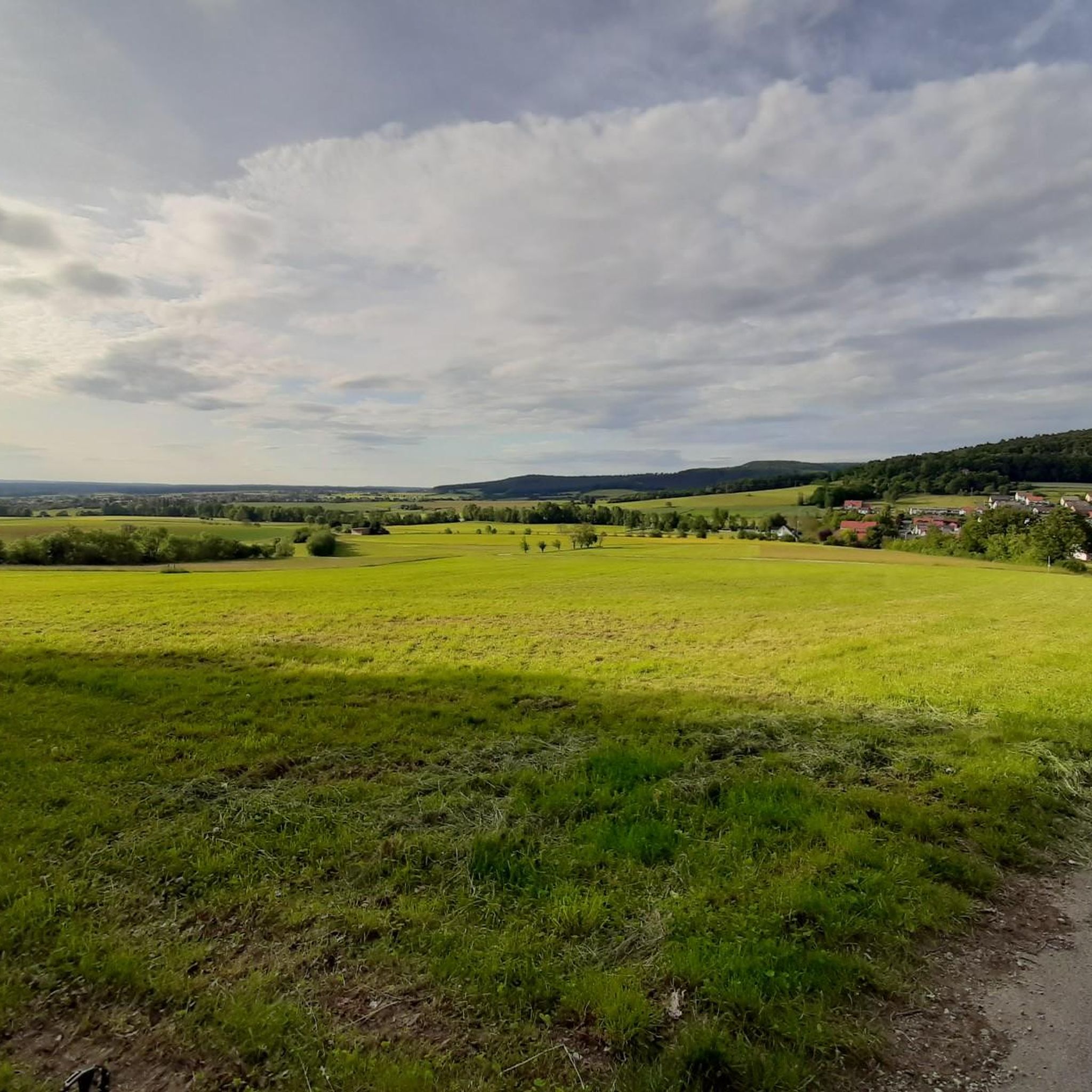
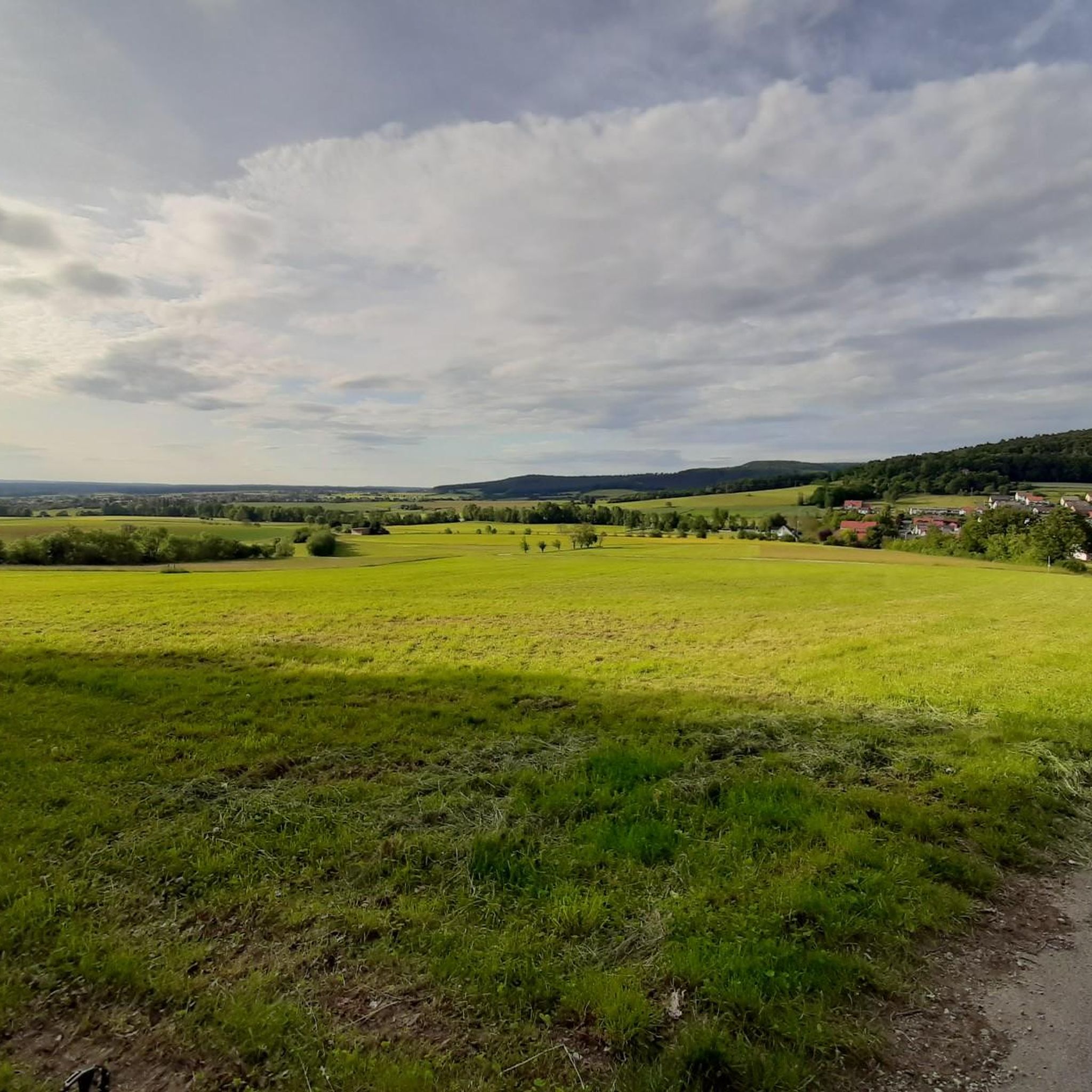
Research, play, learn: the children learn a lot, but can also "do a lot" themselves. The information boards are short and concise with the most important information, not in any way "overheaded" or "schooled": A successful mixture of information and campaigns. At 16 stations you can learn a lot about water production, local animals and the flora of the Franconian Jura. The 5.3 kilometer circular trail leads from Melkendorf to the Otto fountain and back through the state forest. A great experience for the whole family!
1
0

A SUPER tour. Lovingly cared for. Really educational. A dream landscape. Not just a must for kids. Starting point here: https://www.komoot.de/highlight/3689741 The whole route here: https://www.komoot.de/tour/185700432?share_token=aBBt3GvLqKJ1ELvZH1rlSjvpfk3vXsOPeg7VEQZ6zpAa9jwxEL&ref=wtd More details under https://www.fraenkische-schweiz.com/de/detail/remoteid=86334 https://frankenmitkinder.de/naturerlebnisweg-melkendorf/
2
0

the trunk is in the forest and you can look through the trunk
12
0
가이스베르거 숲 주변에서 가장 인기 있는 경로
가이스베르거 숲 주변에서 가장 인기 있는 명소


더 살펴보기
가이스베르거 숲 주변의 최고의 동굴을 찾기 위해 이 가이드를 확인해보세요:
