에스카세나 델 캄포 주변 최고의 그래블 라이딩 코스
16
자전거 타는 사람
4
라이딩
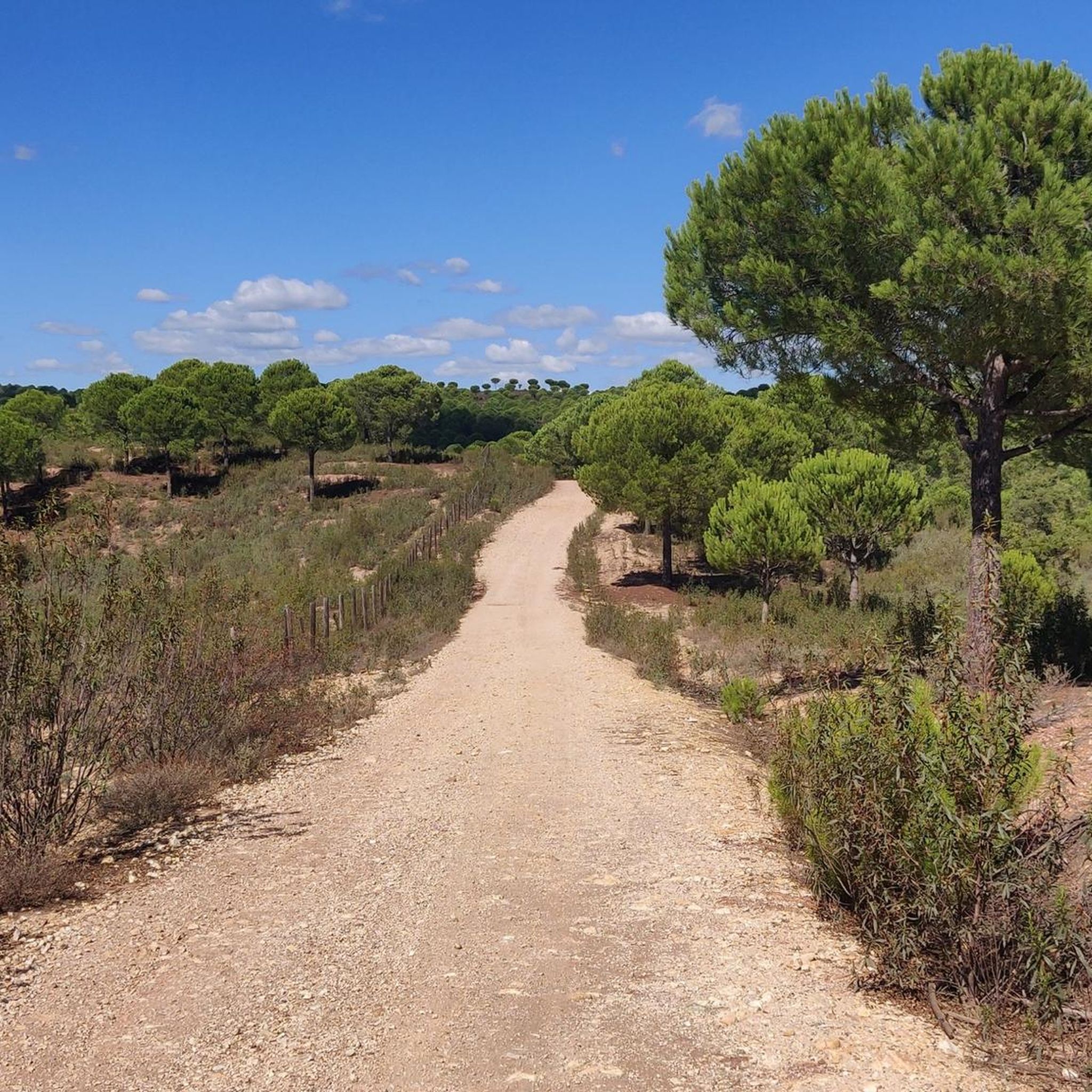
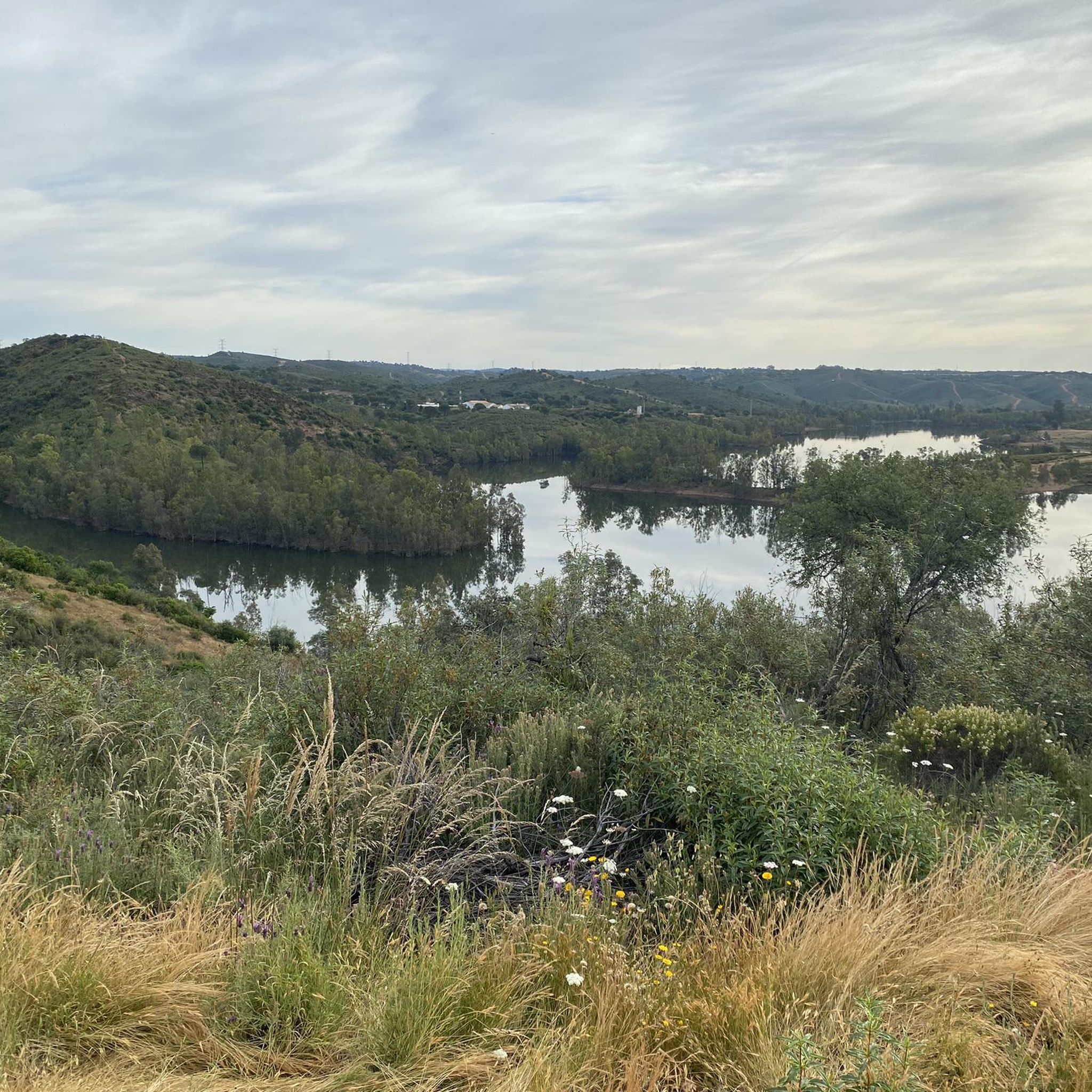
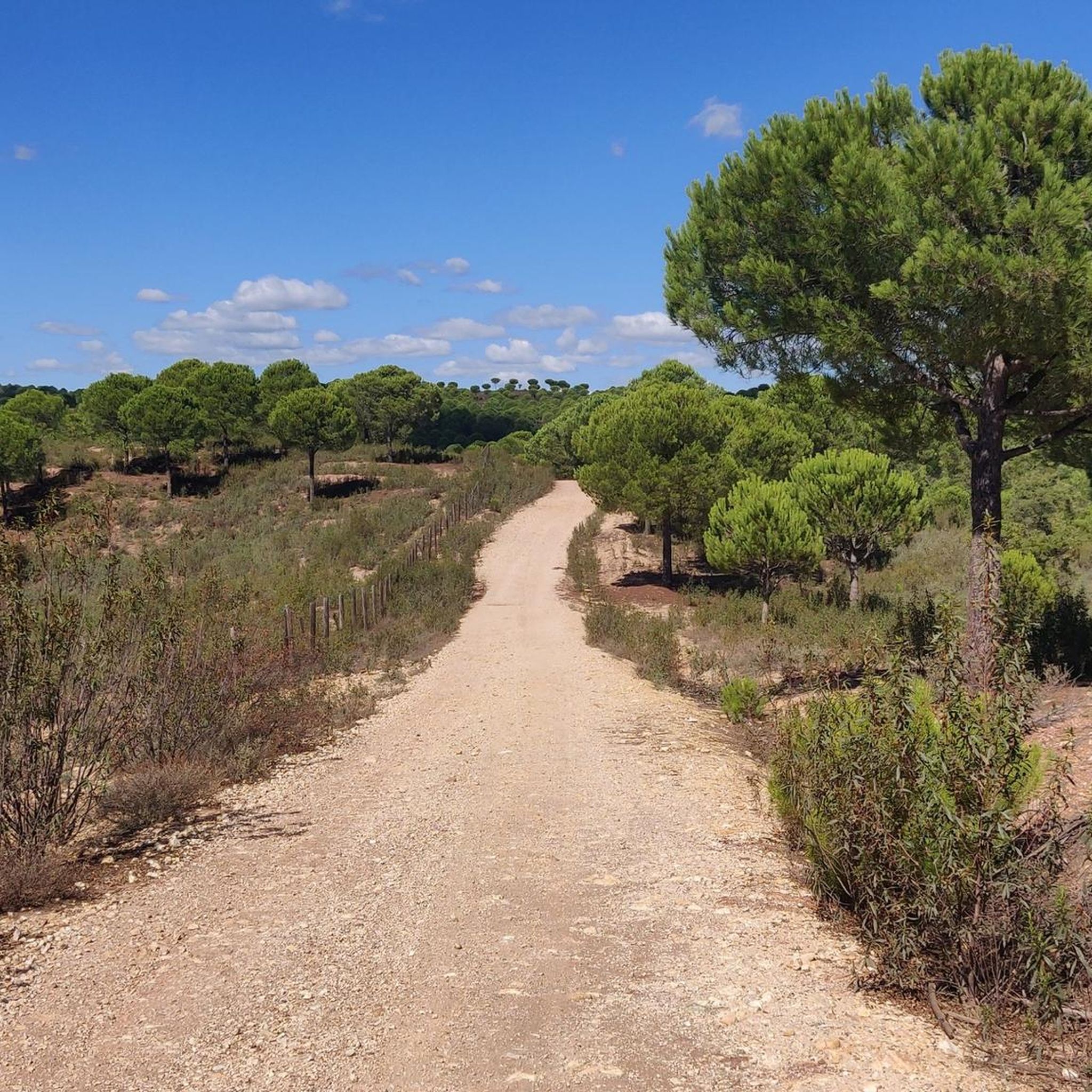
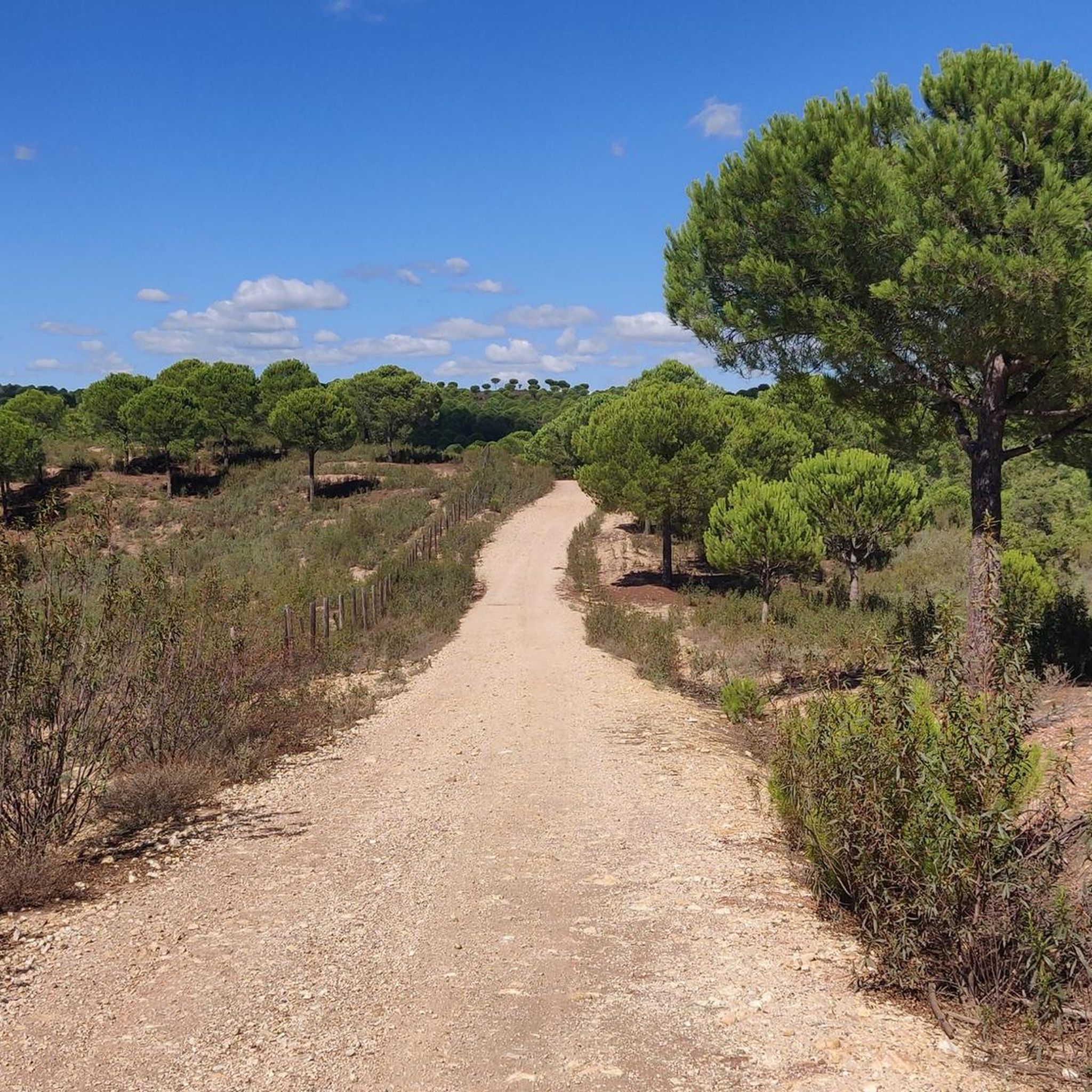
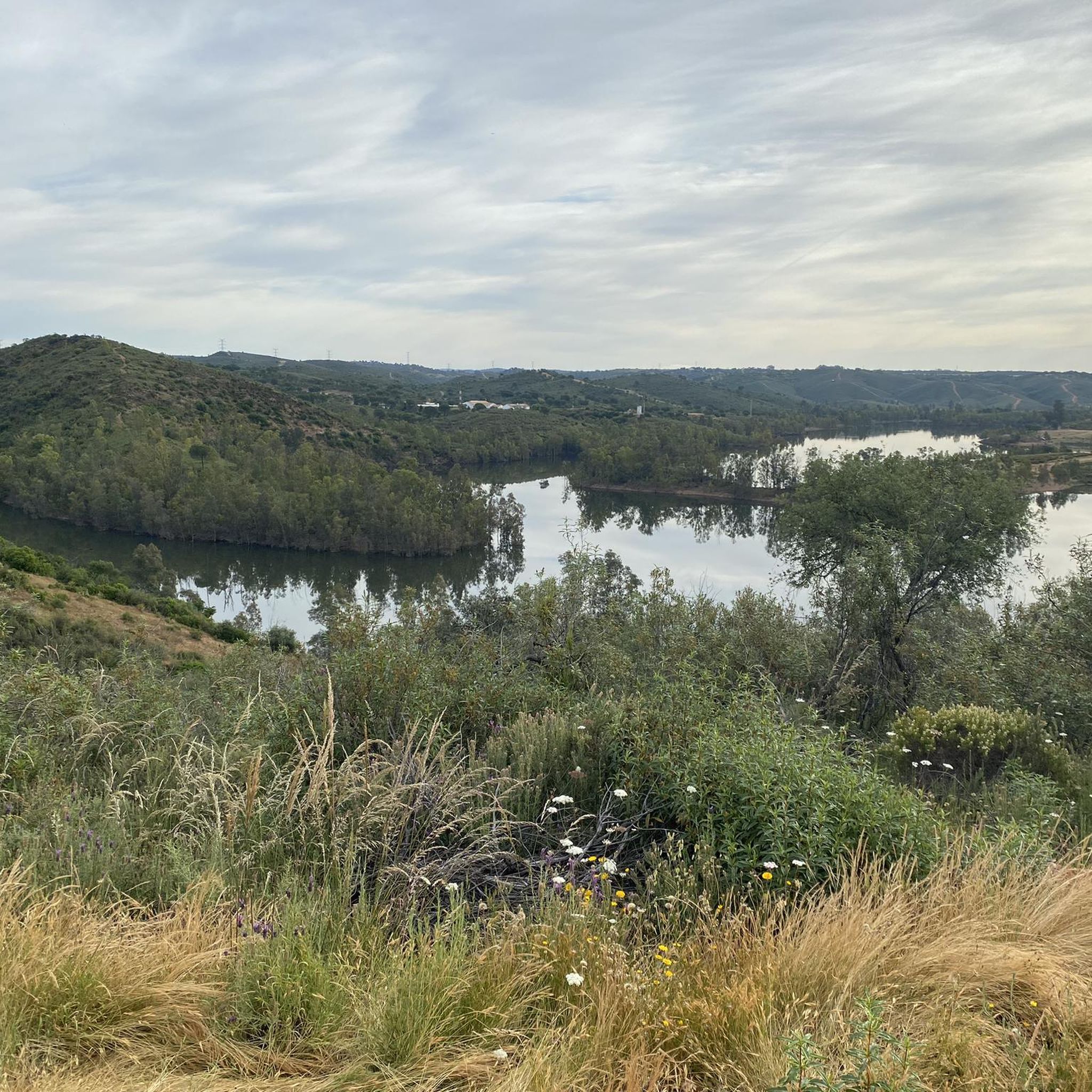
그래블 바이크 라이딩은 안달루시아 지방의 우엘바(Huelva) 지역 주변에서 다양한 지형을 제공합니다. 이 지역은 농업용 길과 숲길이 혼합되어 있어 사이클링에 다양한 노면을 제공합니다. 풍경에는 떡갈나무와 코르크 참나무가 있는 재조림된 농장, 완만한 지형, 코룸벨 강(Corumbel River)이 깎아 만든 협곡이 포함됩니다. 지질학적으로 이 지역은 점판암과 석영암 토양이 특징이며, 이는 다양한 트레일 조건에 기여합니다.
Escacena Del Campo 주변 최고의 그래블 바이크 트레일
- 가장 인기 있는 그래블 바이크 트레일은 Charcofrío로 가는 길 – Schott Solar CSP에서 출발하는 Aznalcóllar 광산 루프로, 67.2km 길이이며 완료하는 데…
마지막 업데이트: 8월 27, 2026
4
자전거 타는 사람
어려운 자갈길 타기. 좋은 체력 필요. 투어 중 자전거를 끌고 가야 하는 구간이 있을 수 있음.
5
자전거 타는 사람
67.7km
05:08
1,010m
1,010m
어려운 자갈길 타기. 우수한 체력 필요. 대부분 포장된 지면. 실력과 관계없이 누구나 갈 수 있음.

무료 회원 가입
3
자전거 타는 사람
19.3km
01:38
30m
30m
초급용 그래블 라이딩. 모든 체력 수준에 적합. 대부분 포장된 지면. 실력과 관계없이 누구나 갈 수 있음.
2
자전거 타는 사람
30.9km
02:00
230m
230m
보통 자갈길 타기. 좋은 체력 필요. 대부분 포장된 지면. 실력과 관계없이 누구나 갈 수 있음.
2
자전거 타는 사람
18.7km
01:23
150m
150m
보통 자갈길 타기. 좋은 체력 필요. 대부분 포장된 지면. 실력과 관계없이 누구나 갈 수 있음.
투어 추천은 다른 사람들이 komoot에서 완료한 수천 개의 활동을 바탕으로 구성되어 있습니다.
오늘 무료 계정으로 시작하세요
다음 모험이 기다리고 있어요.
로그인 또는 가입하기
커뮤니티 팁


Agrio 강 일부 구간에서는 물이 붉어지고 매우 산성으로 변합니다. 이는 이 지역의 오래된 철광산 배수 때문입니다. 리오 틴토 강과 비슷하지만 규모는 작습니다.
0
0


A beautiful crossroads over the Guadiamar River, it invites you to keep walking until the end!
1
0


The Parish Church of Santa María de la Purificación, due to its volumetric force and its location in an elevated part of the town, becomes the most representative architectural landmark. Despite being initially located away from the urban center, it is a remarkable example of a Sevillian church, in which the Mudejar and Baroque styles converge, following a very characteristic approach to 18th-century construction practice in the area. Built according to Mudejar principles in its original construction, which appears to date from the 15th century, it would later be practically rebuilt after the damage caused by the 1755 earthquake, conforming to the Baroque guidelines prevailing in the second half of the 17th century. A reconstruction in which Pedro de Silva, Antonio Matías de Figueroa, and José Álvarez participated. Among them, Antonio Matías de Figueroa stands out for the significance of his intervention in the complex. His work on the Manzanilla church can therefore be considered one of the last examples of this family's distinctive style—the so-called triumphal baroque—and one of the first signs of the change of direction demanded by the changing times, in their preference for the primacy of Rococo lines over Baroque masses. The appearance of neoclassical elements (the Gospel nave portal), derived from the presence of José Alvarez (1782–1783) as director of the works, also speaks to the formal evolution of the style toward the last quarter of the century. Finally, the tower (1760-1779) stands out, attributed to Lucas Cintora and Francisco Díaz Pinto, and one of the most beautiful examples in the province. It perfectly fits one of the two characteristic typologies of 18th-century Andalusia, originating from the Giralda in Seville. It forms part of a unique group of towers in Huelva, along with that of the Temple of San Pedro in Huelva and that of the Church of San Juan Bautista (La Palma del Condado), all of which follow a very similar model. This building represents another example of the intense religious construction activity that characterized 18th-century Huelva architecture, motivated by a fortunate combination of economic, demographic, and natural circumstances (earthquakes), and which has come to be known as its Golden Age.
0
0
The Plaza de Andalucía is located in the center of the town. Surrounding it are the Town Hall (Manzanilla City Hall), the Market, and stately homes representative of the town. Villalba, Hermanos Álvarez Quintero, Santo Cristo, Alférez Galiano Camacho, and Benafique streets converge in the square. It forms the nerve center of Manzanilla. It is a square plaza surrounded by plants and benches. Its two fronts are flanked by the Market and the Town Hall. Of note is a central pavilion called Morabito, made of brick and ceramic, which is an old font.
0
0
The Hermitage of the Sweet Name of Jesus, if its full title is used, was built beginning in the 16th century, although it has undergone numerous renovations. Its original name is the Hermitage of the Most Holy Christ of Jesus and Mary, although its ownership later changed to its current name with the creation of the Brotherhood of the Sweet Name of Jesus, whose highly venerated image became the patron saint of the temple. Among the various interventions, the restoration work carried out in the 18th century and the strengthening work due to the deterioration caused by the Lisbon earthquake of 1755 should be noted. The damage caused by the fire and looting of 1936 left it severely damaged, necessitating renovation at the end of the previous century. It has a single nave with a contemporary roof because the previous barrel-vaulted ceiling collapsed, leaving only a three-pitched exterior roof made of Arabic tiles. Lighting is provided through two side windows. The main chapel, with a square floor plan, is covered by a hemispherical vault on pendentives. The entrance door and the choir window open onto the exterior of the facade. It is decorated with brick and ceramics. Designed as an altarpiece, it has two levels and an attic. The facade reflects some 20th-century constructions that undermine the earlier Baroque architecture. You can admire the chapel on Santo Cristo Street (Manzanilla). https://huelvapedia.wikanda.es/wiki/Ermita_del_Ni%C3%B1o_Jes%C3%BAs_(Manzanilla)
0
0
에스카세나 델 캄포 주변에서 가장 인기 있는 명소


더 살펴보기
다른 지역의 최고의 그래블 라이딩를 살펴보세요.
