Top 5 Caves 빌라레호 데 살바네스 주변
다음 모험 때 빌라레호 데 살바네스에 있는 동굴을 방문하고 싶나요? 그렇다면 빌라레호 데 살바네스에서 가장 멋진 동굴 5
개를 아래에서 살펴보세요. 다른 회원들이 경험을 바탕으로 추천한 콘텐츠인 만큼 믿을 수 있는 정보이니 마음에 드는 동굴이 있다면 다음 모험 계획에 추가해보세요.
마지막 업데이트: 8월 27, 2026

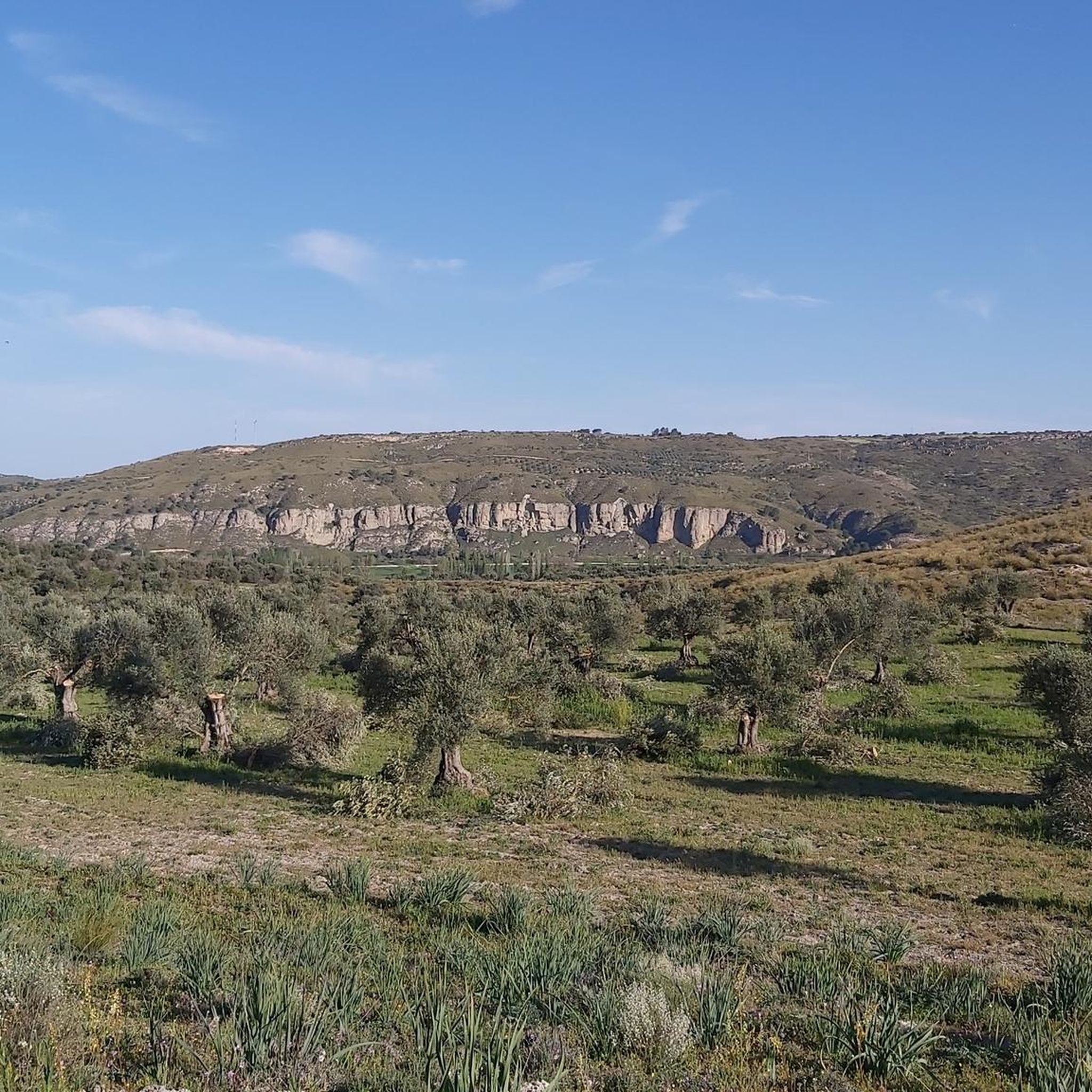
티엘메스의 동굴 절벽 전망
하이라이트 • 동굴
번역자 Google •
팁에 의해

이런 장소를 발견하려면 지금 가입하세요
최고의 싱글 트랙, 봉우리 및 다양한 흥미로운 야외 장소에 대한 추천을 받아보세요.
무료 회원 가입
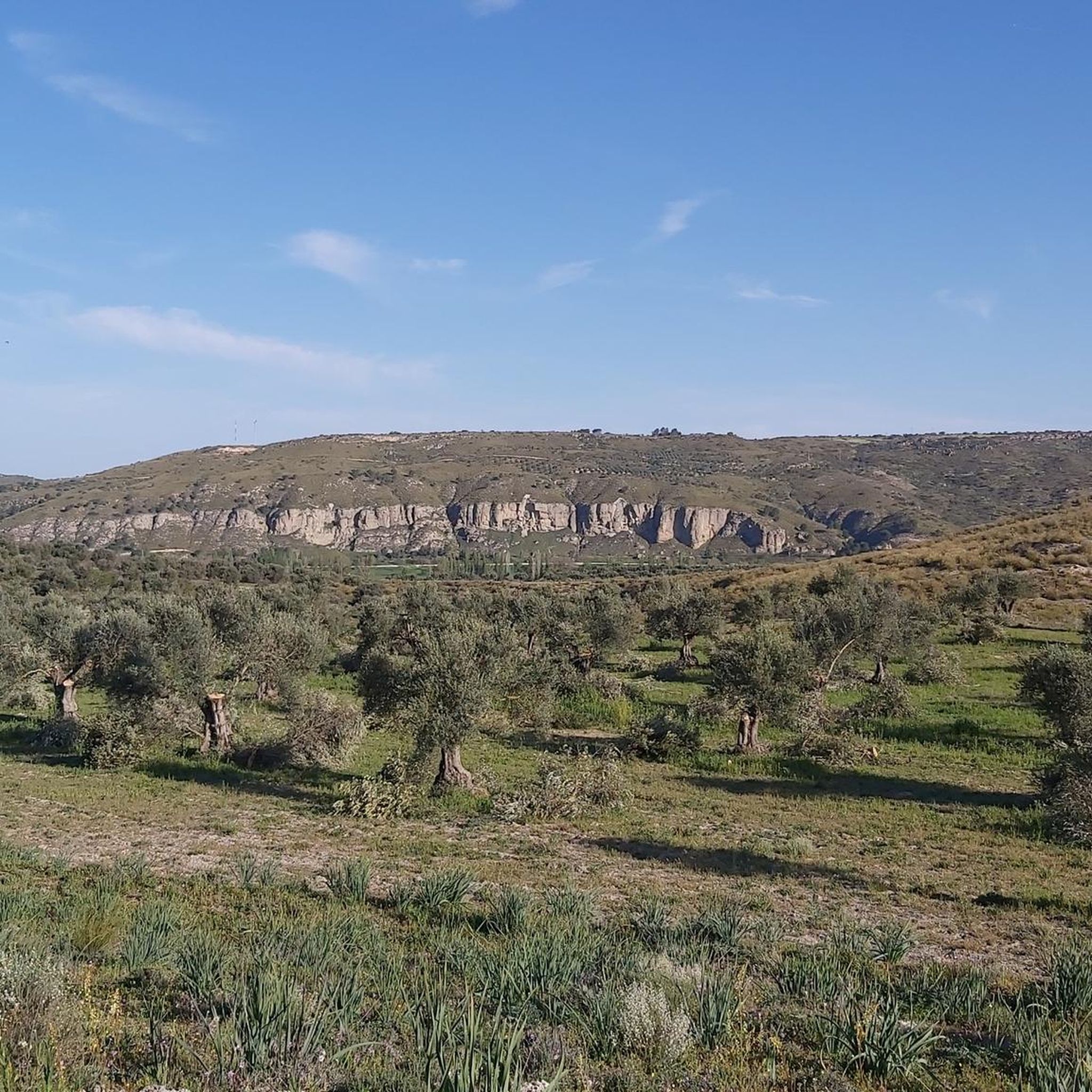
페랄레스 데 타후냐의 리스코 데 라스 쿠에바스
하이라이트 • 동굴
번역자 Google •
팁에 의해

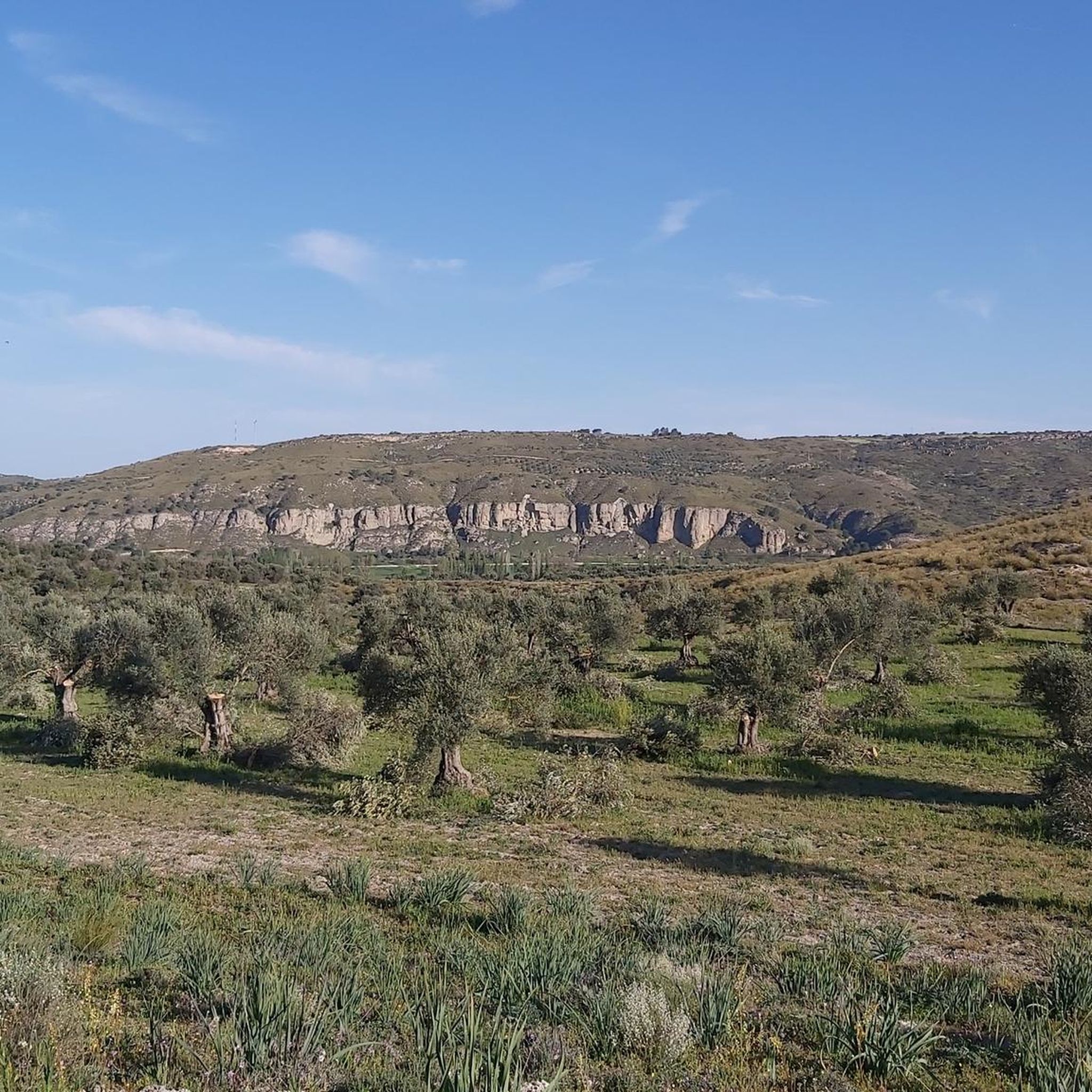
포실라 빌라와 발데피나르의 채석장과 동굴
하이라이트 • 동굴
번역자 Google •
팁에 의해
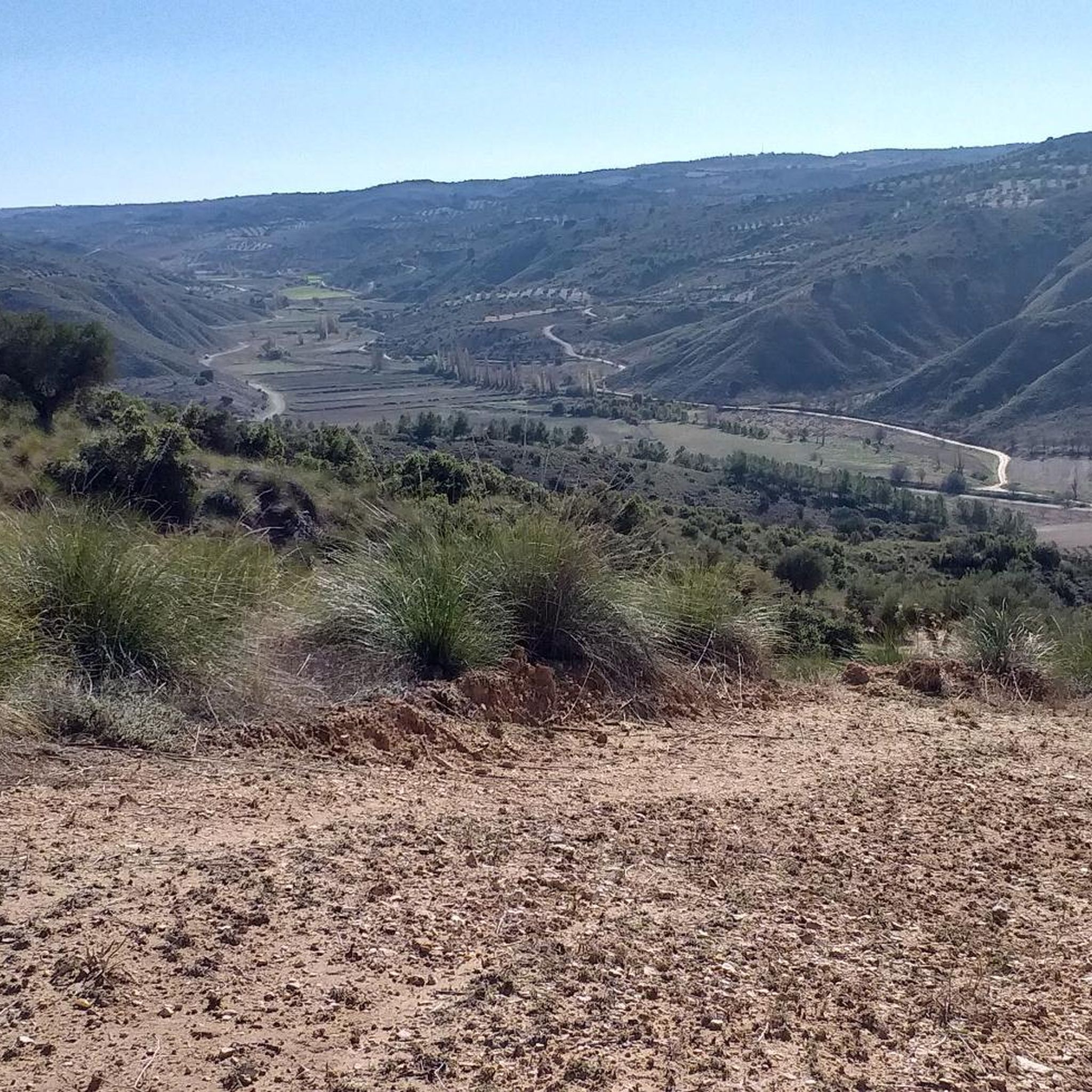
Cueva de la Sima
하이라이트 • 동굴
번역자 Google •
팁에 의해
오늘 무료 계정으로 시작하세요
다음 모험이 기다리고 있어요.
로그인 또는 가입하기

커뮤니티 팁

The Cueva de la Sima is an old quarry of gypsum and building materials that was sometimes used by shepherds as a cattle corral. The place is a circular pit about fifteen metres deep, with a small shelter on one side, and should not be confused with the nearby Cueva de Pedro Fernández or Sima de las Yeseras, a gallery of several kilometres with remains from the Manchego Bronze Age that is closed to the public.
0
0
The caves of the primitive Carpetanian settlement of Caraca are a window in time, from the first Carpetanian inhabitants to the present day, representing the different cultures that have populated the Tajuña valley over time. The current state shows the deterioration typical of a hillside made of marl and gypsum that is brittle and easily eroded. In the time of the Carpetanians, it was a troglodyte settlement with interior passages that connected different galleries, had water channels, warehouses and houses protected from intruders at a certain height from the ground, accessed by ladders and ropes. In the middle of the last century, the Risco de las Cuevas was the setting for several films.
0
0
The industrial exploitation of Colmenar de Oreja stone began in the 18th century. Limestone veins appear throughout the region, but the Colmenar veins have had a special attraction due to the hardness, good quality and whiteness of the limestone. Along the route, you can see the remains of the quarries and caves of Peñas Rubias, Pocilla Villa and other old abandoned sites on the slopes of the Valdepinar ravine.
0
0

On the Jarama front, taking advantage of the structure and characteristics of the terrain, the excavation of caves was common, from small individual shelters to large caves (like the one we can see on the “Secrets of the Greenway” route. Element 8) and tunnels that allowed entire squads or platoons to be housed, the installation of command posts, health posts, warehouses, etc. These excavations, on the one hand, allowed the troops to be hidden from the sight of the enemy and offered good protection in case of bombing, and on the other, they offered a certain degree of comfort to the soldiers who remained in them. These caves usually have many common elements, such as the existence of small holes to support camping equipment or personal objects or chimneys for the escape of smoke. After the Civil War, this type of caves have had various uses. One of them, and a very important one, was the cultivation of mushrooms, carried out until the mid-eighties of the 20th century.
2
0

Due to the characteristics of the terrain, caves have been built throughout history, which have served very different purposes. In this area we have clear examples.
2
0
These are excavations carried out on the ground to protect citizens during the bombings of the Spanish Civil War. Later they were used to plant mushrooms and other similar mushrooms. At present they are closed to avoid their destruction.
9
0

From the Tajuña greenway you can see many cliffs and cliffs of gypsum and limestone excavated for thousands of years by the river. At the height of Tielmes, you can see some cavities that are machine gun nests, lookouts, trenches and bunkers from the civil war built by the Republican army to contain the advance of the national troops on the capital.
3
1
빌라레호 데 살바네스 주변에서 가장 인기 있는 명소


더 살펴보기
빌라레호 데 살바네스 주변의 최고의 동굴을 찾기 위해 이 가이드를 확인해보세요:
