메렐베케에서 가장 멋진 20개의 호수
메렐베케에서 가장 멋진 호수를 방문하고 싶나요? 호숫가의 고요한 분위기를 느끼거나 날씨가 따뜻한 날 호수에 발을 살짝 담글 수 있다면 얼마나 좋을까요? Komoot 커뮤니티가 추천한 메렐베케의 주요 호수를 아래에서 살펴보고, 다음 모험 때 직접 찾아가보세요!
마지막 업데이트: 10월 17, 2026
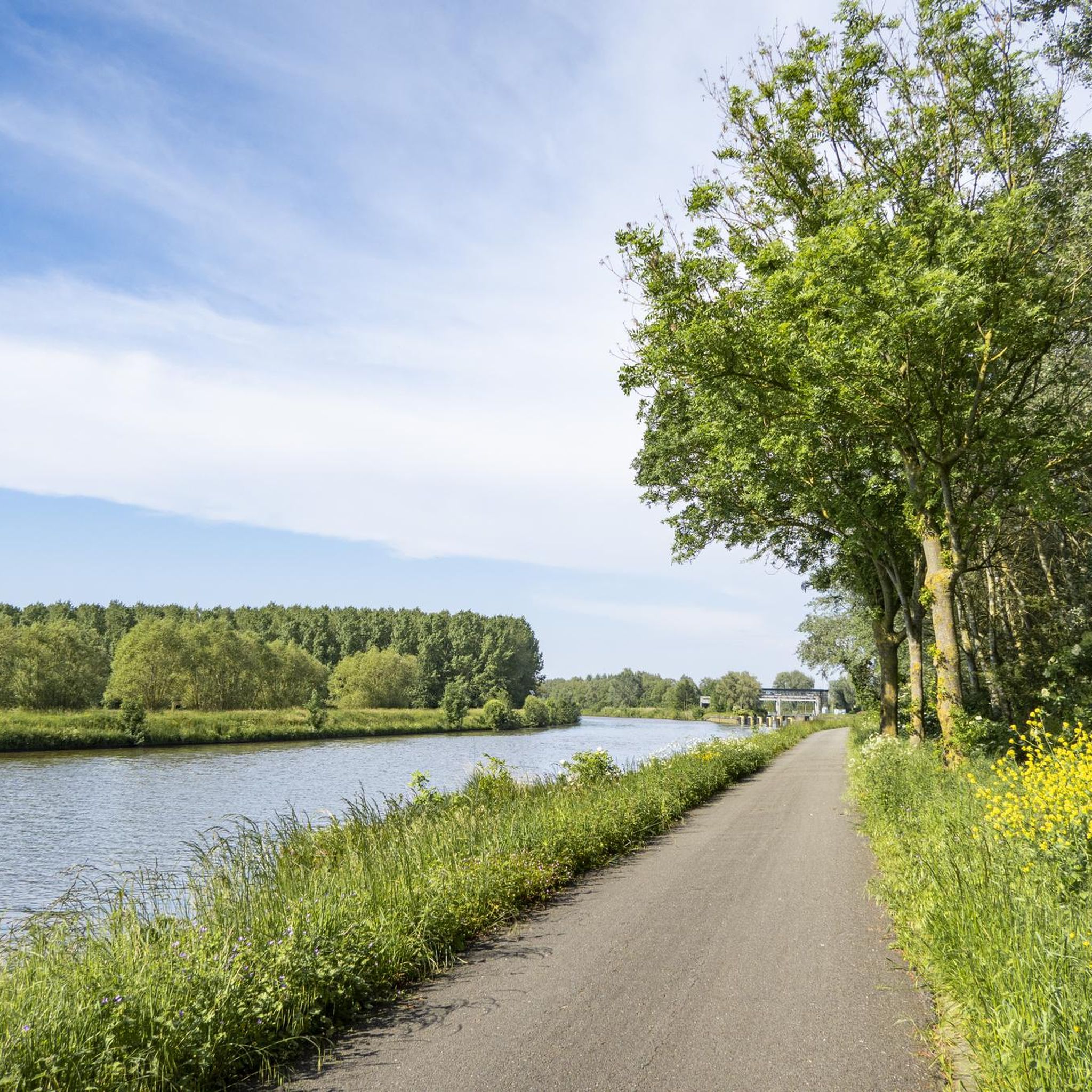
부르구옌-오세메르센
하이라이트 • 자연
번역자 Google •
팁에 의해


이런 장소를 발견하려면 지금 가입하세요
최고의 싱글 트랙, 봉우리 및 다양한 흥미로운 야외 장소에 대한 추천을 받아보세요.
Aelmoeseneiebos 개울과 목조 다리
하이라이트 • 숲
It includes more than 60 tree species, including all native trees of Flanders, as well as a number of park trees.
It is currently …
번역자 Google •
팁에 의해
담발레이 자연보호구역
하이라이트 • 자연
번역자 Google •
팁에 의해
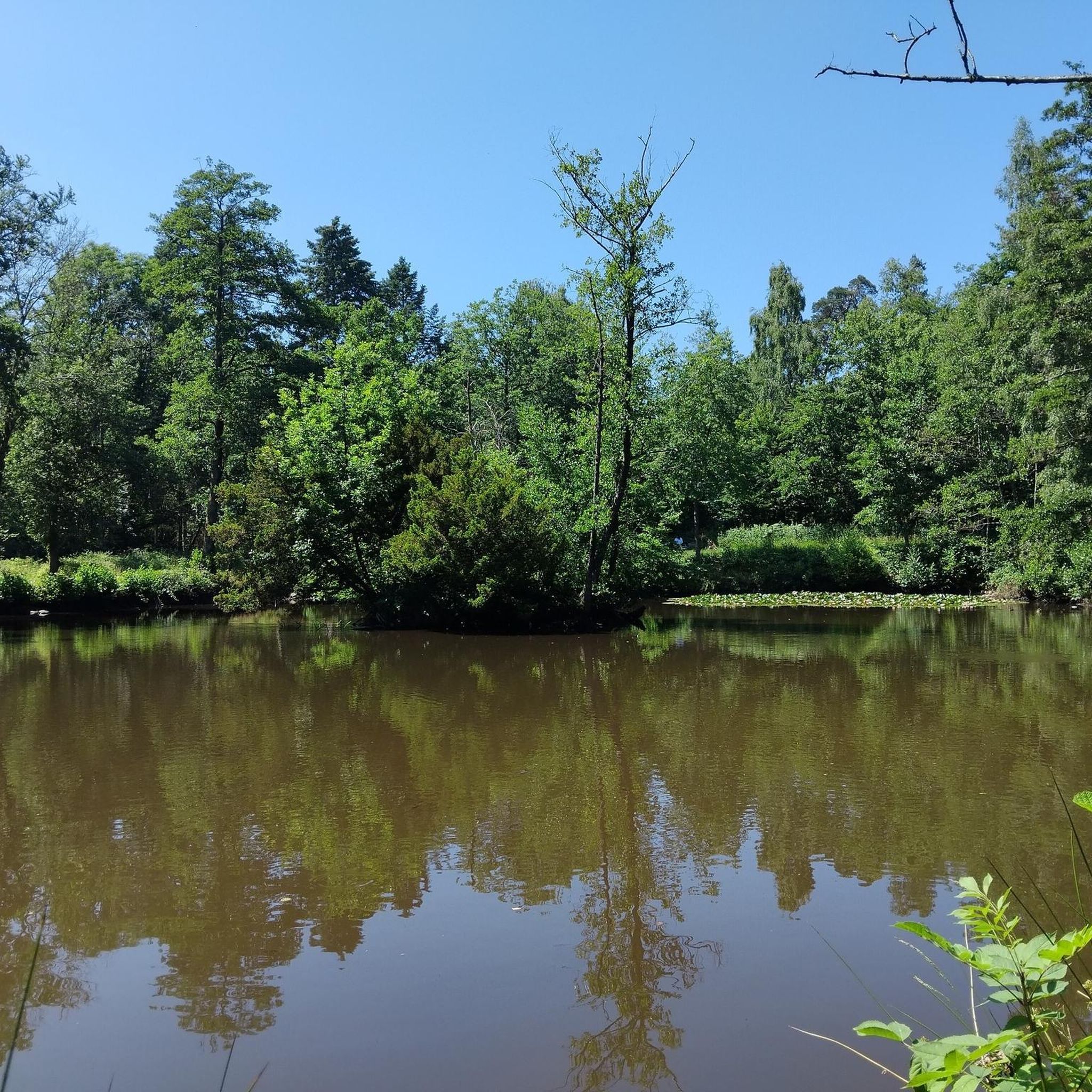
리데메르스파크 연못
하이라이트 • 호수
번역자 Google •
팁에 의해

무료로 가입하여 메렐베케 주변의 더 많은 호수를 발견하세요.
이미 komoot 계정이 있나요?
오늘 무료 계정으로 시작하세요
다음 모험이 기다리고 있어요.
커뮤니티 팁

1982년에 공식적으로 공원으로 인정받은 Liedermeerspark는 25헥타르의 면적을 가지고 있으며, 주로 낚시 연못을 포함합니다. 원래는 Schelde 강의 오래된 지류였습니다. 1983년 9월 22일 시의회에서 BPA no. 12의 녹지대를 앞으로 공식적으로 "Liedermeerspark"라고 부르고 물은 "Verloren-broodvijver"라고 부르기로 결정했습니다. 이 레크리에이션 구역에는 1988년에 무려 3000그루의 토종 활엽수가 심어졌고, 이후 초등학생들에 의해 약 1000그루의 참나무가 더 심어졌습니다. (현지 안내판 정보)
8
0

Definitely recommended. Every now and then we encountered a jogger or walker, but it was negligible. It's so nice to be able to enjoy the beautiful nature this way.
2
0

It's a beautiful location full of greenery, trees, and beautiful plants that you'll see along the way. You can walk for ages without encountering too many people. Really cool!
3
0


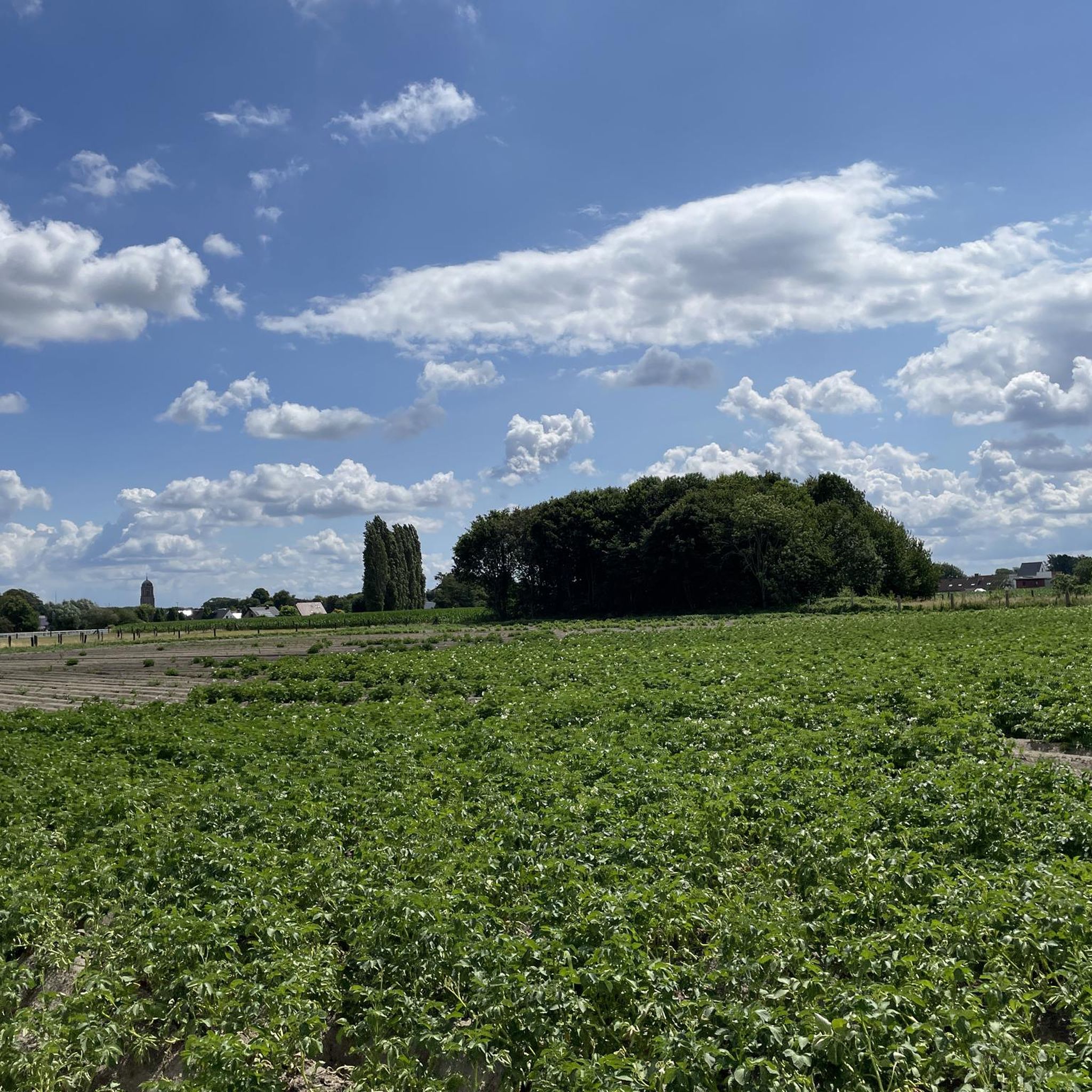
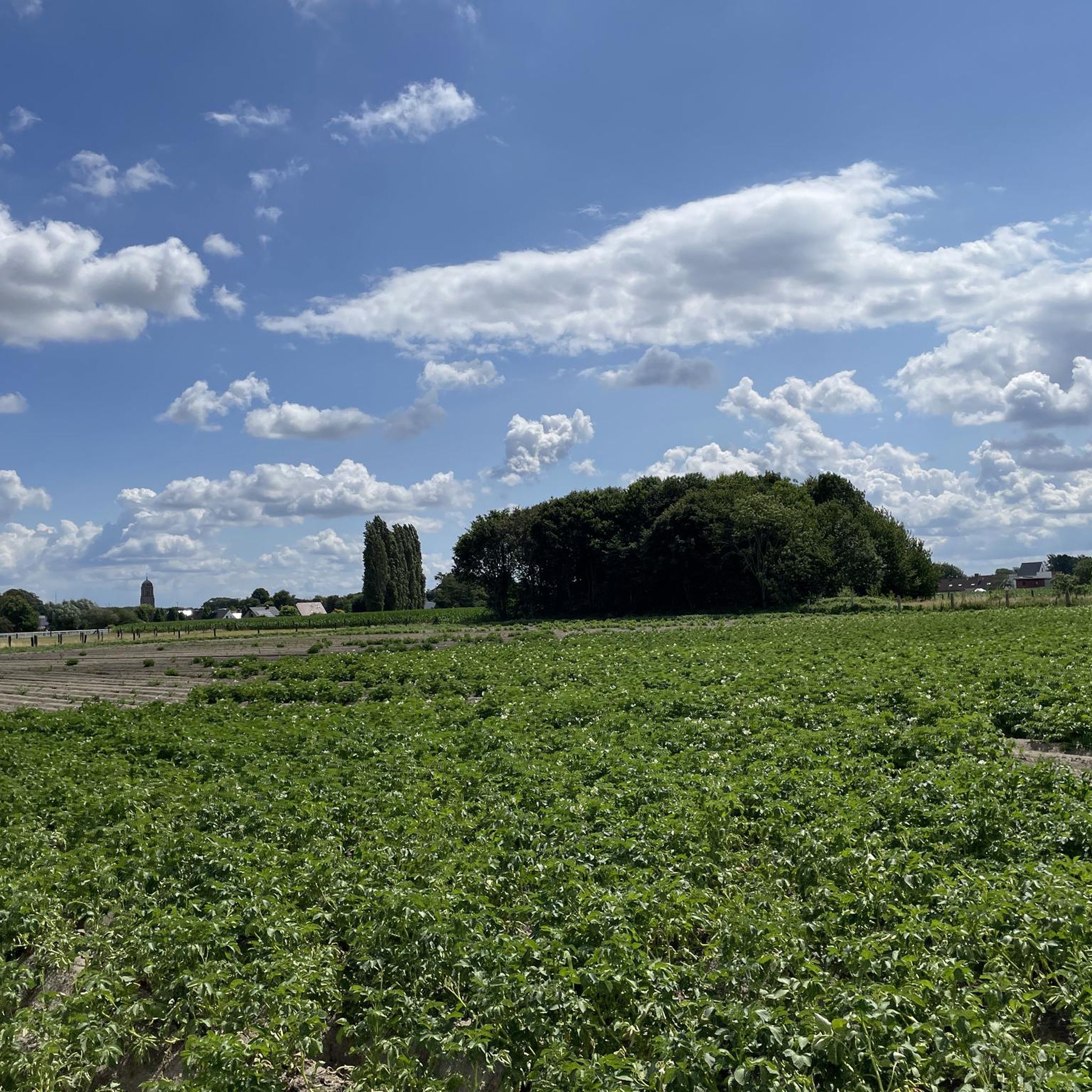
The Aelmoeseneiebos (or Aalmoezenijebos) is a nature reserve on the territory of the municipalities of Melle (Gontrode) and Oosterzele (Landskouter). The forest is 28.5 hectares in size and is owned by the University of Ghent. The forest area is now managed by the university Lab for Forest & Nature. The railway line Ghent-Geraardsbergen divides the forest in two. The Aelmoeseneiebos is an old forest area that already appeared on the Ferraris map in 1775. The forest was owned by the Saint Bavo's Abbey of Ghent for centuries. During the French period (1794-1815) it was transferred to the public poor relief of the city of Ghent. In 1967-1968 the Belgian State bought the forest so that the University of Ghent could use it as a test forest. The most important tree species are summer oak and beech, with ash and maple in the stream valleys. The Aelmoeseneiebos is known for its spring flora such as wood anemone, slender primrose, yellow dead-nettle and small periwinkle. During the First World War, the forest was largely cut down but replanted in 1920. Adjacent to the western part of the Aelmoeseneiebos, 10 hectares of plots of land belonging to Natuurpunt, Oosterzele department, are located in the valley of the Gondebeek. With the 'Rodeland landscape project' [1], the aim is to connect the Aelmoeseneiebos with the Makegemse forests through afforestation in the valleys of the Gondebeek, Kerkesbeek and Driesbeek[2][3]. In 2021, 5 amphibian tunnels were constructed in the Gondebeek valley[4]. Inventories and research in the Aelmoeseneiebos found 1329 different species: including 64 tree and shrub species and 599 species of invertebrates. The Aelmoeseneiebos is protected in Europe as part of the Natura 2000 area (habitat directive area) 'Forests of the south-east of the Zandleemstreek' (BE2300044). The forest is freely accessible on the footpaths.
1
0

This nature reserve is a remnant of an extensive forest area that gradually had to make way for agriculture in the 18th century. The surrounding land and the forest were owned for centuries by the Aalmoezenij, the poor relief of the Ghent Saint Bavo's Abbey. The production of wood was the main function at that time. The forest was purchased by the Belgian state in 1967-1968 so that the University of Ghent could use it as a test forest. In the early years, it was mainly used for studies on the growth and management of forests with a view to wood production. It also had a recreational and educational function. Railway line 122 Melle-Geraardsbergen divides the forest in two. In the western part (where we walked) an arboretum was created in 1973. With the 'Rodeland landscape project', the aim is to connect the Aelmoeseneiebos with the Makegemse forests through further afforestation of a number of stream valleys.
4
0

A true hiking paradise. Bourgoyen-Ossemeersen is famous for its rich bird population and is an important bird reserve. While hiking, you can spot various bird species, especially in the winter months, when the area is a refuge for numerous migratory birds. Species that you can encounter include grey herons, ducks, sea eagles and birds of prey such as the hawk and buzzard. In spring and summer, the area is also rich in breeding birds, such as the redstart and the common teal.
1
1

The Bourgoyen-Ossemeersen Urban Nature Reserve in Ghent is a vast and water-rich nature reserve, ideal for nature lovers who want to escape the hustle and bustle of the city. This unique marshland offers a beautiful landscape of grasslands, reed beds and ponds, where numerous water birds breed and forage. With well-maintained hiking trails and viewpoints, it is a wonderful place to walk and spot birds, in the middle of nature.
2
1
메렐베케 주변에서 가장 인기 있는 명소


더 살펴보기
메렐베케 주변에서 완벽한 호수를 아직 못 찾으셨나요? 이 지역의 가이드를 확인하여 더 아름다운 장소를 찾아보세요.
