폴레에서 가장 멋진 15개의 호수
폴레에서 가장 멋진 호수를 방문하고 싶나요? 호숫가의 고요한 분위기를 느끼거나 날씨가 따뜻한 날 호수에 발을 살짝 담글 수 있다면 얼마나 좋을까요? Komoot 커뮤니티가 추천한 폴레의 주요 호수를 아래에서 살펴보고, 다음 모험 때 직접 찾아가보세요!
마지막 업데이트: 8월 20, 2026
Feuerlöschteich Mühlenbach
하이라이트 • 호수
번역자 Google •
팁에 의해

에를렌그룬트 공원 연못과 파빌리온
하이라이트 • 구조물
번역자 Google •
팁에 의해

이런 장소를 발견하려면 지금 가입하세요
최고의 싱글 트랙, 봉우리 및 다양한 흥미로운 야외 장소에 대한 추천을 받아보세요.
무료 회원 가입


포렐렌타이히와 카이저 빌헬름 참나무
하이라이트 • 호수
번역자 Google •
팁에 의해

무료로 가입하여 폴레 주변의 더 많은 호수를 발견하세요.
무료 회원 가입
이미 komoot 계정이 있나요?
오늘 무료 계정으로 시작하세요
다음 모험이 기다리고 있어요.
로그인 또는 가입하기
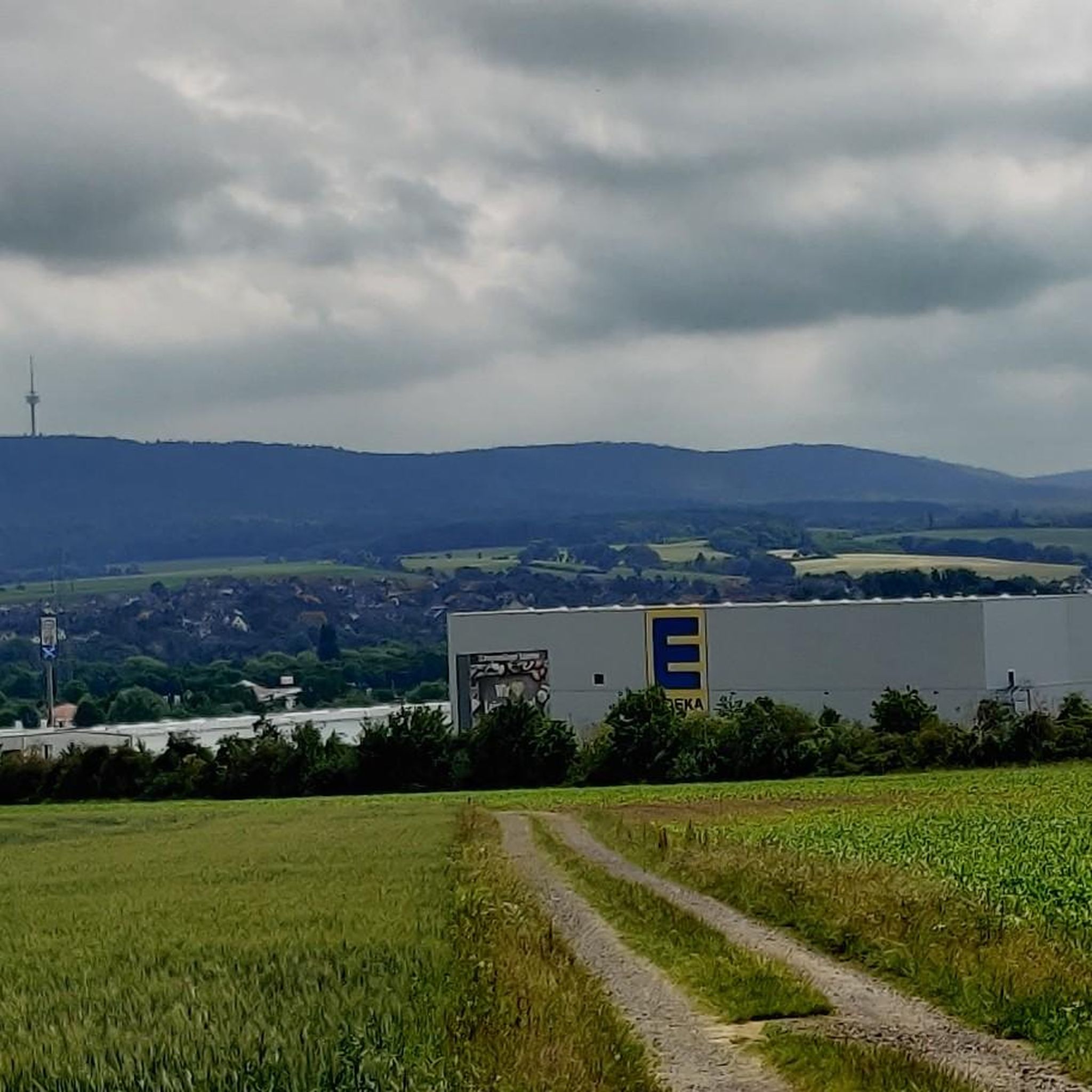
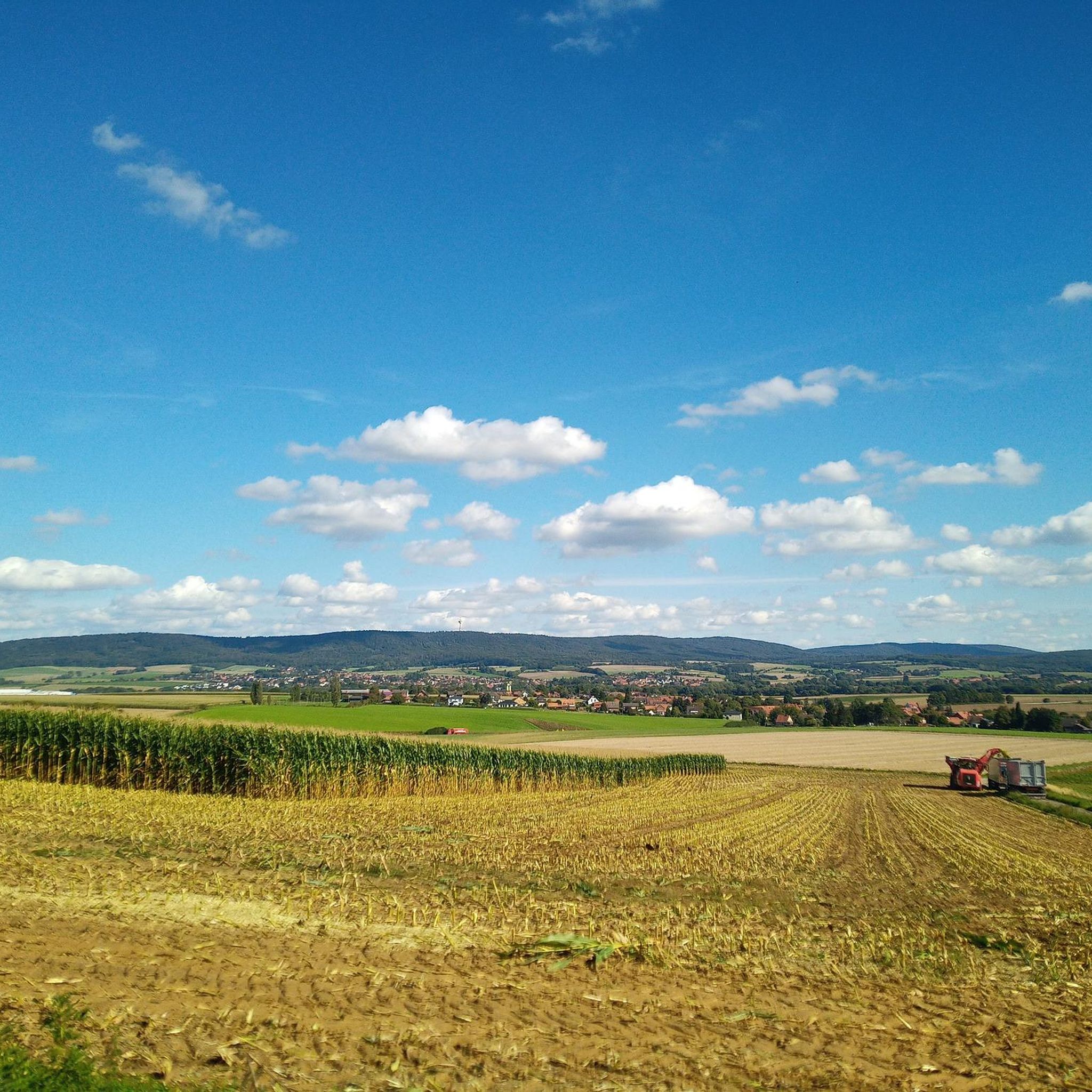
커뮤니티 팁


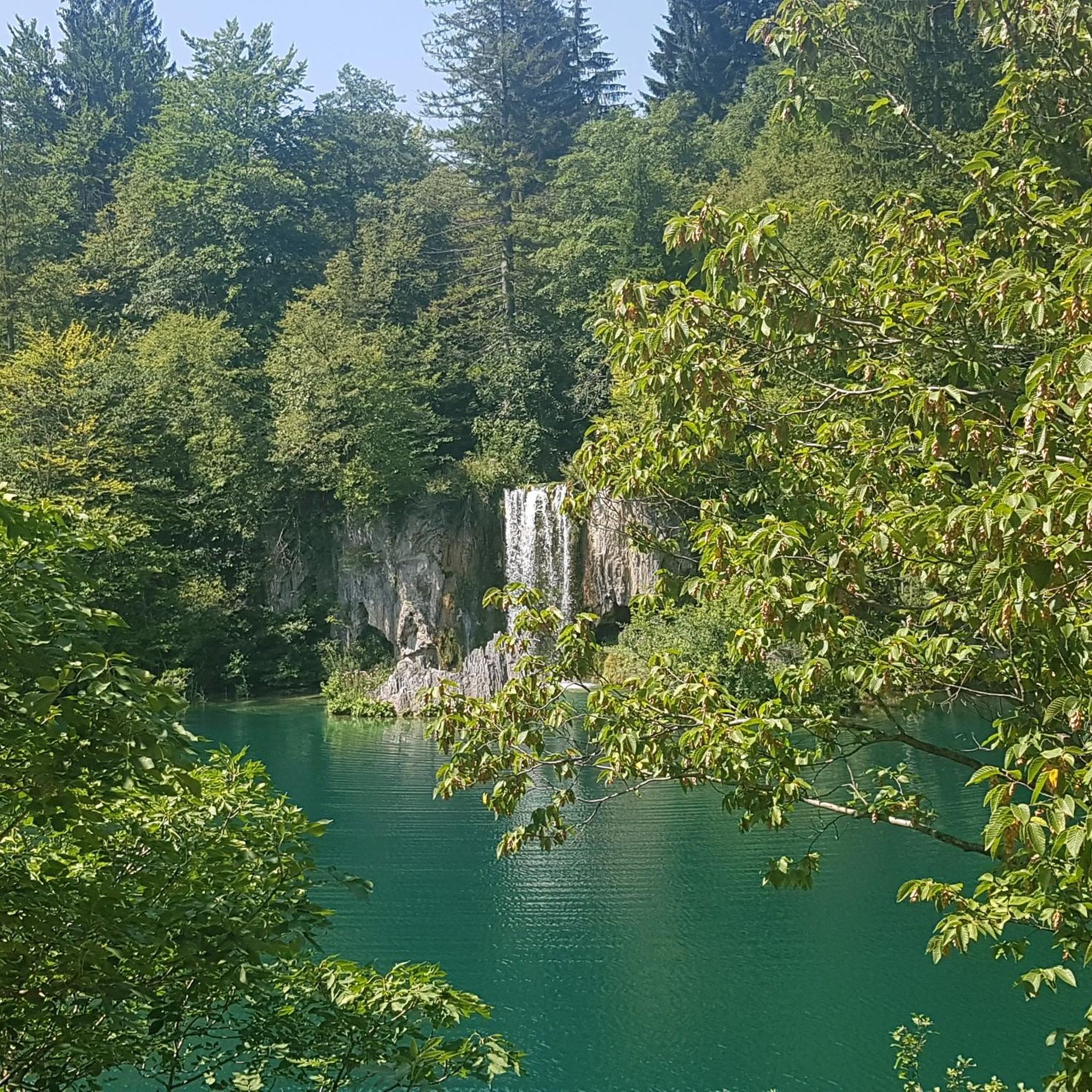
Between 1550 and 1680, around 400 people were executed in the County of Schaumburg for alleged witchcraft. The witch trials, which claimed the lives of both women and men, were conducted in the villages by the local courts. In Schaumburg, some judges, at the request of the accused, ordered the so-called water ordeal to be carried out "to ascertain the truth," because according to traditional beliefs, water repelled evil, meaning witches would float and innocent people would sink. During the water ordeal, the accused were tied to a rope and lowered into the water before the eyes of the judges and numerous onlookers, invariably producing the desired result. The records cynically note: "swims like a goose." The accused then usually resigned themselves to their fate and gave the "confession" required for execution. The two witches' ponds east of Schaumburg Castle are historically documented and were very likely the actual site of these terrifying spectacles. They lie somewhat hidden in the forest, about 50 meters below the path.
1
0
The Great Crater and the Crater Fountain are among Bad Nenndorf's most striking landmarks and are closely linked to the spa town's history. They serve as reminders of the town's unique geological features and the use of the healing brine that made Bad Nenndorf famous far beyond the region. The Great Crater is a visually impressive relic of the former brine extraction. Natural geological processes brought saline water to the surface here, forming a crater-like depression over time. This brine was the foundation for Bad Nenndorf's development as a health resort. Today, the Great Crater is a protected natural and cultural monument that captivates visitors with its unusual shape and tranquil atmosphere. The Crater Fountain is located nearby, further emphasizing the importance of the brine within the townscape. The fountain incorporates the historical use of the brine and combines it with modern design. It serves not only as an eye-catching feature but also as a symbol of the spa town's healing tradition.
2
0
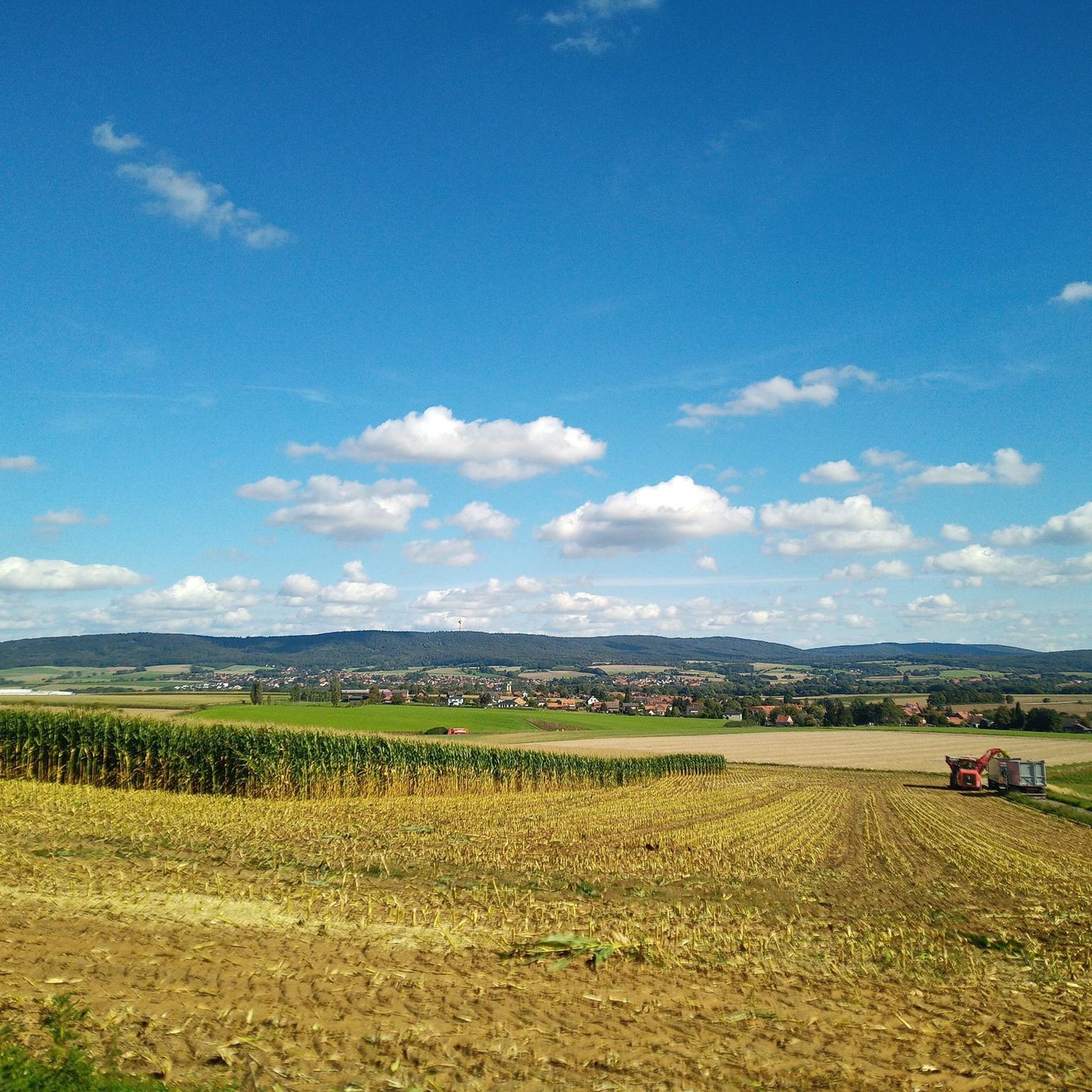
The fire pond on the Mühlenbach stream lies idyllically in the Bückeberg hills and is a tranquil, natural spot amidst the wooded hills. Fed by the Mühlenbach, the pond blends harmoniously into its surroundings and is now an integral part of the landscape of this region. Surrounded by trees and gentle hills, it invites hikers and walkers to take a short break and offers a peaceful place to enjoy nature. The pond owes its name to its original function as a water reservoir for firefighting. In times before centralized water supplies, such fire ponds were of great importance, especially in heavily forested areas. They provided readily available water for firefighting in emergencies, thus contributing to the protection of the surrounding villages and forests. Today, the fire pond is primarily of ecological and scenic significance. It provides habitat for amphibians, insects, and waterfowl and contributes to the diversity of flora and fauna in the Bückeberg hills. At the same time, it is a quiet meeting point in the region's network of hiking trails and uniquely combines nature, history and recreation in one of the most beautiful forest landscapes of the Schaumburg region.
1
0
On the 100th birthday of Kaiser Wilhelm I on March 22, 1897, an imperial oak was also planted in the Fuchsbach valley near Barsinghausen. The local Landwehr warriors' association had a small monument erected at the foot of the oak. The Fuchsbach was dammed here in the 17th century to form a "trout pond" to regulate water in the coal mining industry. On the other bank of the stream from the imperial oak is the mouth of the "Lower Sammann Tunnel" built in 1831. After it was taken over by the Prussian state in 1875, it was only used to ventilate the tunnel system opened up by the Barsinghausen monastery tunnel. When the memorial stone was built in 1897, a small artificial waterfall was also built on the Fuchsbach near the imperial oak. Kaiser Wilhelm Square was a popular excursion destination for Barsinghausen residents around the turn of the century in 1900. In 2022 there will be a shelter as well as benches and seating areas between the Kaisereiche and the trout pond. Source: https://de.wikipedia.org/wiki/Kaisereiche_(Barsinghausen)
1
0

Waterlogged little pond. Well, just a pond. Used to be better maintained
2
0

The path through the Erlengrund was redesigned in 2022 and has become very beautiful. The Carl-Thon-Weg was also restored, the bridges were rebuilt and it is open again.
1
0

A wonderful, shady place for a rest. A small detour from the street and you are in another world.
0
0


더 살펴보기
폴레 주변에서 완벽한 호수를 아직 못 찾으셨나요? 이 지역의 가이드를 확인하여 더 아름다운 장소를 찾아보세요.
