Top 9 Caves 외부 주변
다음 모험 때 외부에 있는 동굴을 방문하고 싶나요? 그렇다면 외부에서 가장 멋진 동굴 9
개를 아래에서 살펴보세요. 다른 회원들이 경험을 바탕으로 추천한 콘텐츠인 만큼 믿을 수 있는 정보이니 마음에 드는 동굴이 있다면 다음 모험 계획에 추가해보세요.
마지막 업데이트: 9월 2, 2026
구 클라이네브레멘 채석장
하이라이트 • 역사적 장소
번역자 Google •
팁에 의해

둔스트회레 바트 퓌르몬트
하이라이트 • 동굴
번역자 Google •
팁에 의해

이런 장소를 발견하려면 지금 가입하세요
최고의 싱글 트랙, 봉우리 및 다양한 흥미로운 야외 장소에 대한 추천을 받아보세요.
무료 회원 가입
둔스트회레(증기 동굴) 바트 퓌르몬트
하이라이트 • 동굴
번역자 Google •
팁에 의해

오버베르크 크레바스
하이라이트 • 동굴
번역자 Google •
팁에 의해

Papenbrink 채석장 및 광산 터널
하이라이트 • 구조물
번역자 Google •
팁에 의해

무료로 가입하여 외부 주변의 더 많은 동굴을 발견하세요.
무료 회원 가입
이미 komoot 계정이 있나요?
오늘 무료 계정으로 시작하세요
다음 모험이 기다리고 있어요.
로그인 또는 가입하기



커뮤니티 팁

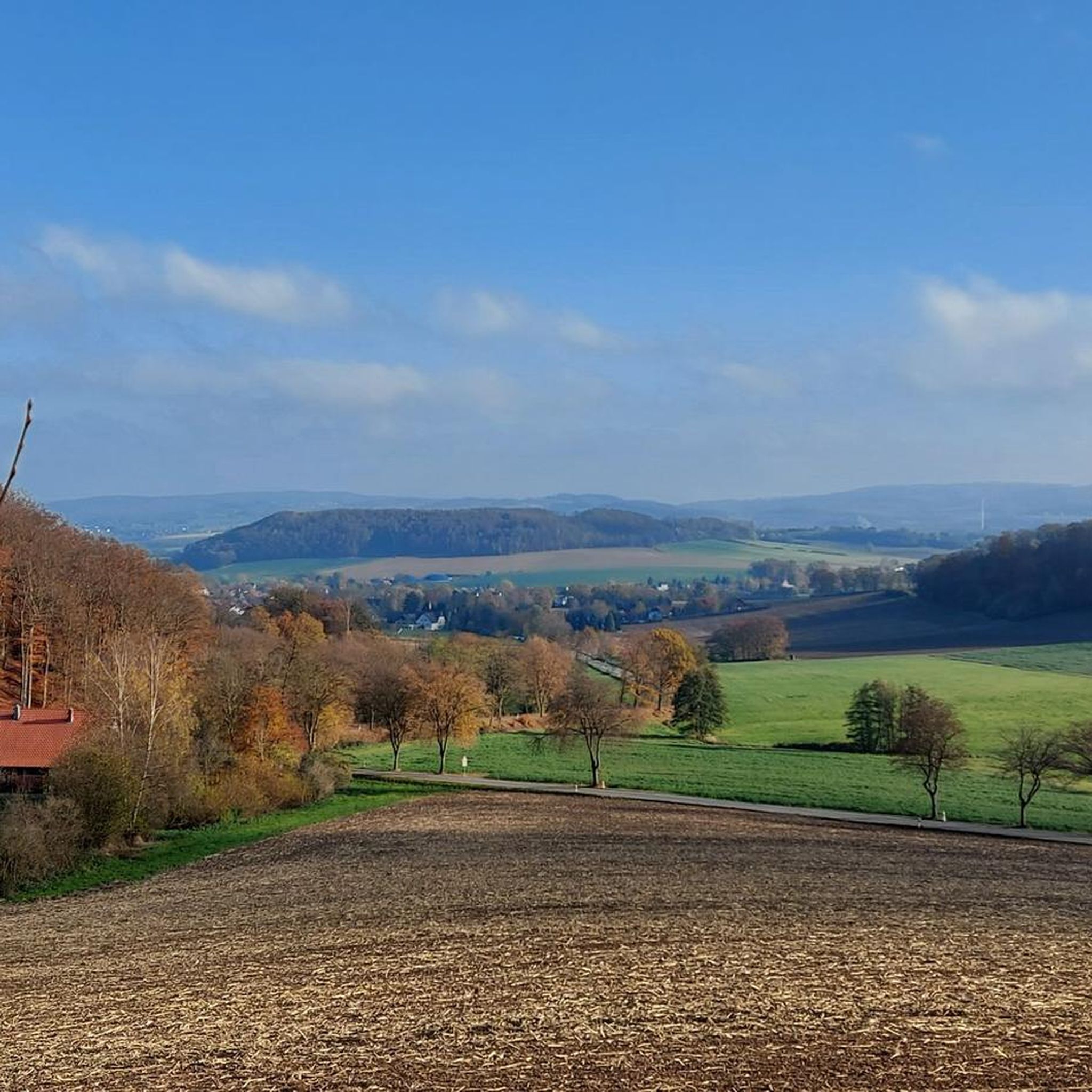
Kleinenbremen 광산의 옛 노천 채굴지는 방문이 가능하며, 표시된 광산 학습 경로의 일부이기도 합니다. 이곳에서는 가이드 투어를 통해 지하 갱도로 들어갈 수도 있습니다.
0
0

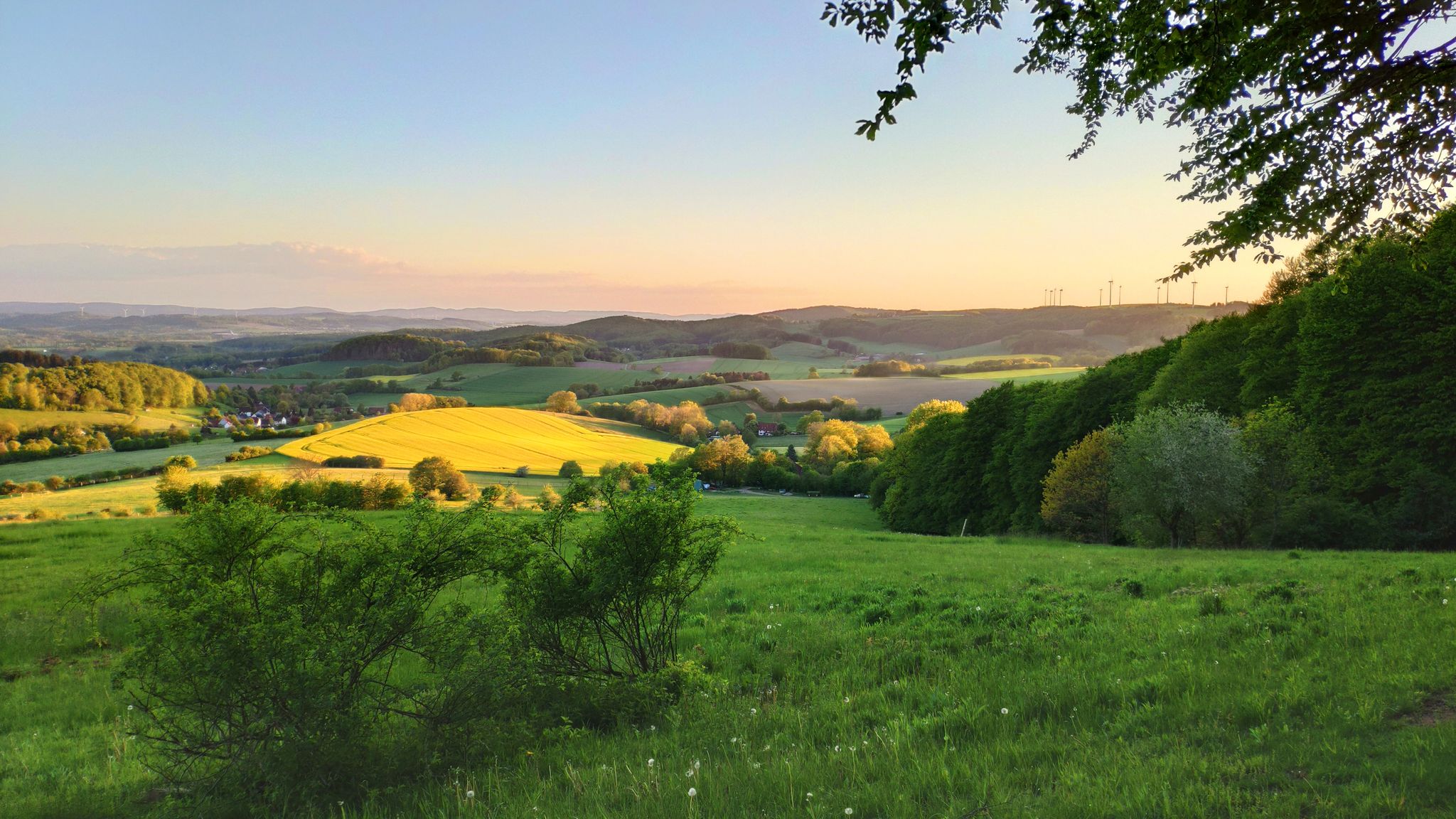
The Oberberg fissure in the Weser Uplands is a narrow, natural crevice in the limestone of the Oberberg mountain and is one of the region's geological features. It lies well hidden on a steep slope and resembles a deep, inaccessible crack in the rock less than a cave. Due to its narrow structure, slippery limestone walls, and partially unstable floor, hiking guides advise against entering the fissure. It is precisely this mysterious yet difficult-to-access appearance that makes it such a fascinating place, best viewed from a distance.
0
0


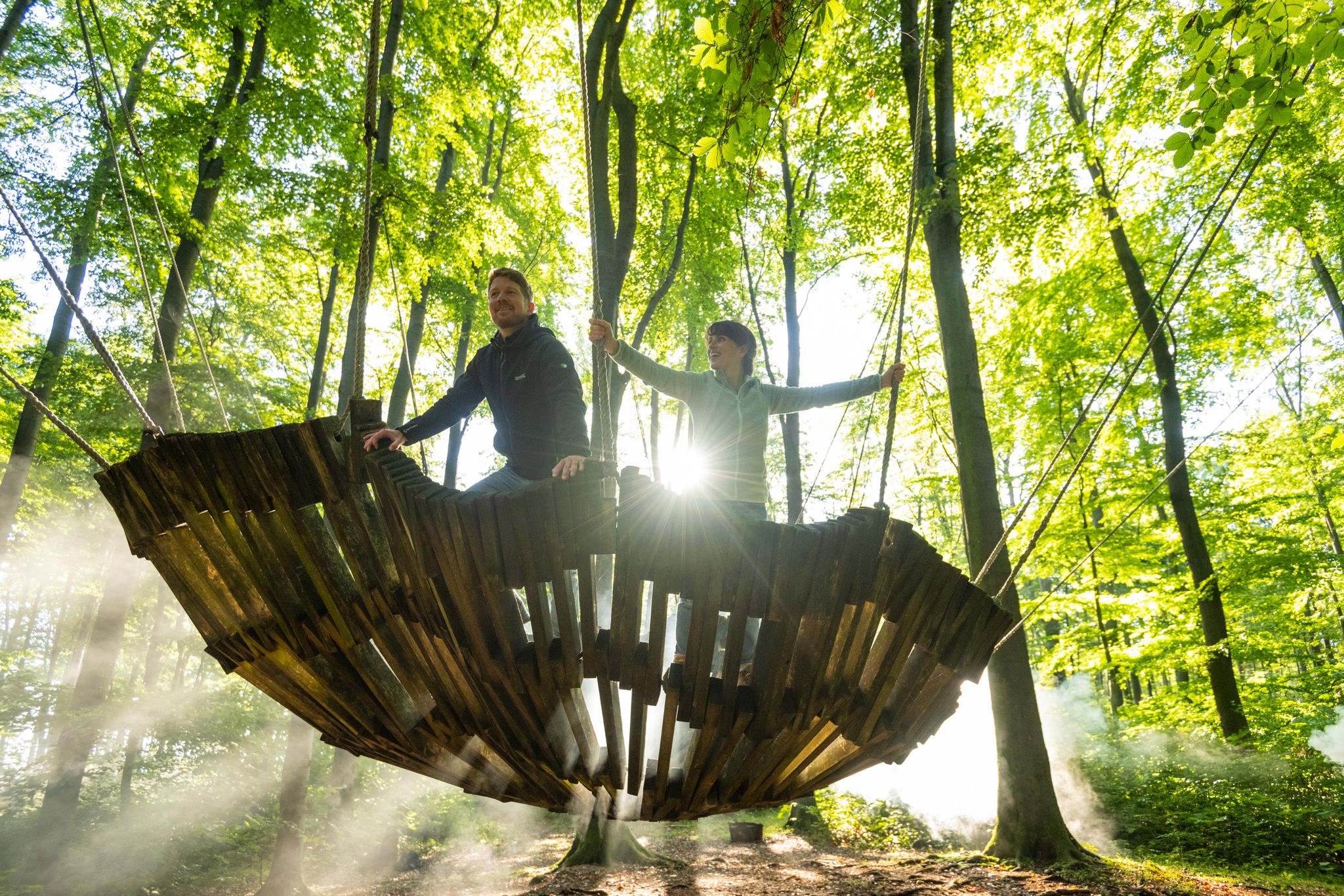
The Haze Cave is unique in Germany. It is located on the site of a former quarry where red sandstone was extracted in the 17th century. Quarry workers noticed a "haze" at a certain depth that caused people to faint. Dead birds were repeatedly found in the pit. Well doctor Dr. Johann Philipp Seip came to Pyrmont in 1712 and investigated the phenomenon. He suspected it was sulfur vapor. Carbon dioxide (CO2) was only discovered a few years later as atmospheric acid. The metal half-shells symbolize the numerous springs in Bad Pyrmont.
1
0

You should visit. A nice experience.
2
0

The haze cave is on the site of a former quarry where red sandstone was quarried in the 17th century. Quarry workers noticed a "haze" at a certain depth that caused people to faint. Again and again dead birds and animals were found in the pit. When the well-known well doctor Dr. Johann Philipp Seip came to Pyrmont in 1712 and got to the bottom of the apparitions. He assumed it was sulfur vapor. Carbon dioxide (CO2) was only discovered as atmospheric acid a few years later. In self-experiments, through "repeated sweating and drawing in the sulphurous fumes", Seip found out that this does not contain any toxic substances. With the permission of Prince Friedrich Anton Ulrich zu Waldeck von Pyrmont, he had a stone vault built over the steaming pit in 1720. Above it is a small building, about "6 shoes square and 10 shoes high", to prepare a dry bath for spa guests. However, the dry weld pool could not be used continuously because of the non-constant level of carbon dioxide. Seip, on the other hand, found that people of all walks of life "vaunt good recovery and help against swelling of the feet, gout pains and stiffness of the limbs". Source: https://www.staatsbad-pyrmont.de/bad-pyrmont-erleben/naturphaenomen-dunsthoehle
0
0

CAUTION: With high humidity, the risk of slipping is very high in the area. (roots, stones)
0
0

Anyone hiking in the Porta Westfalica area should definitely make a detour to the Kleinenbremen ore mine. Drive-in times are 3 times a day at 11:30 a.m.
0
0


