Top 7 Caves 페르티사우 주변
다음 모험 때 페르티사우에 있는 동굴을 방문하고 싶나요? 그렇다면 페르티사우에서 가장 멋진 동굴 7
개를 아래에서 살펴보세요. 다른 회원들이 경험을 바탕으로 추천한 콘텐츠인 만큼 믿을 수 있는 정보이니 마음에 드는 동굴이 있다면 다음 모험 계획에 추가해보세요.
마지막 업데이트: 8월 19, 2026

라텐베르크 성 비르길 및 성 카타리나 본당 교회
하이라이트 • 종교적 장소
번역자 Google •
팁에 의해

이런 장소를 발견하려면 지금 가입하세요
최고의 싱글 트랙, 봉우리 및 다양한 흥미로운 야외 장소에 대한 추천을 받아보세요.
무료 회원 가입
레티아 문자 동굴 (Inschrifthöhle)
하이라이트 • 동굴
번역자 Google •
팁에 의해

브루더터널 클레터슈타이크
하이라이트 • 등반
번역자 Google •
팁에 의해

Seekarspitze 근처 동굴
하이라이트 • 동굴
번역자 Google •
팁에 의해

무료로 가입하여 페르티사우 주변의 더 많은 동굴을 발견하세요.
무료 회원 가입
이미 komoot 계정이 있나요?
오늘 무료 계정으로 시작하세요
다음 모험이 기다리고 있어요.
로그인 또는 가입하기
페르티사우 주변 인기 장소
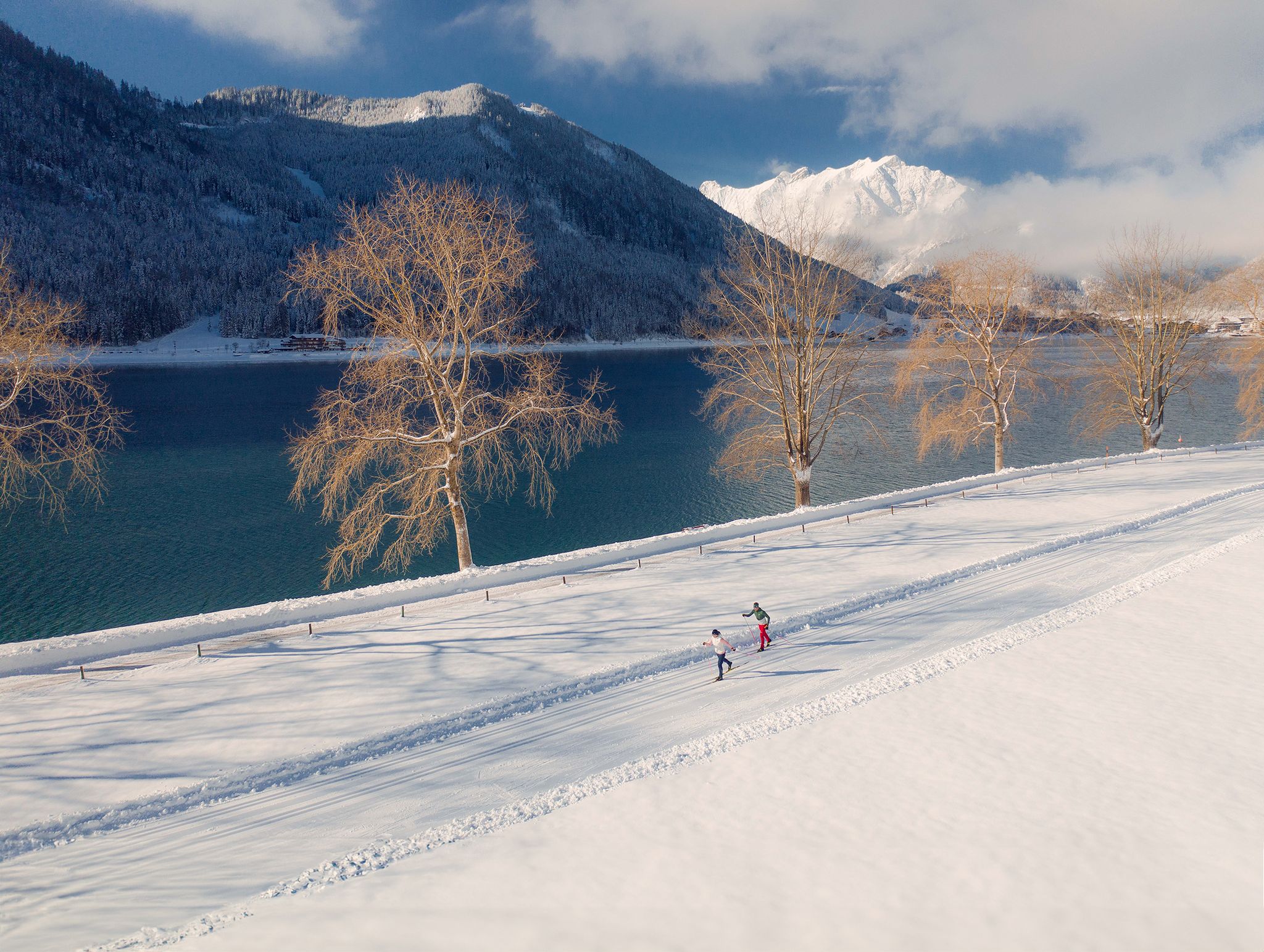
Winter magic at Lake Achen in Austria – a paradise for cross-country skiers
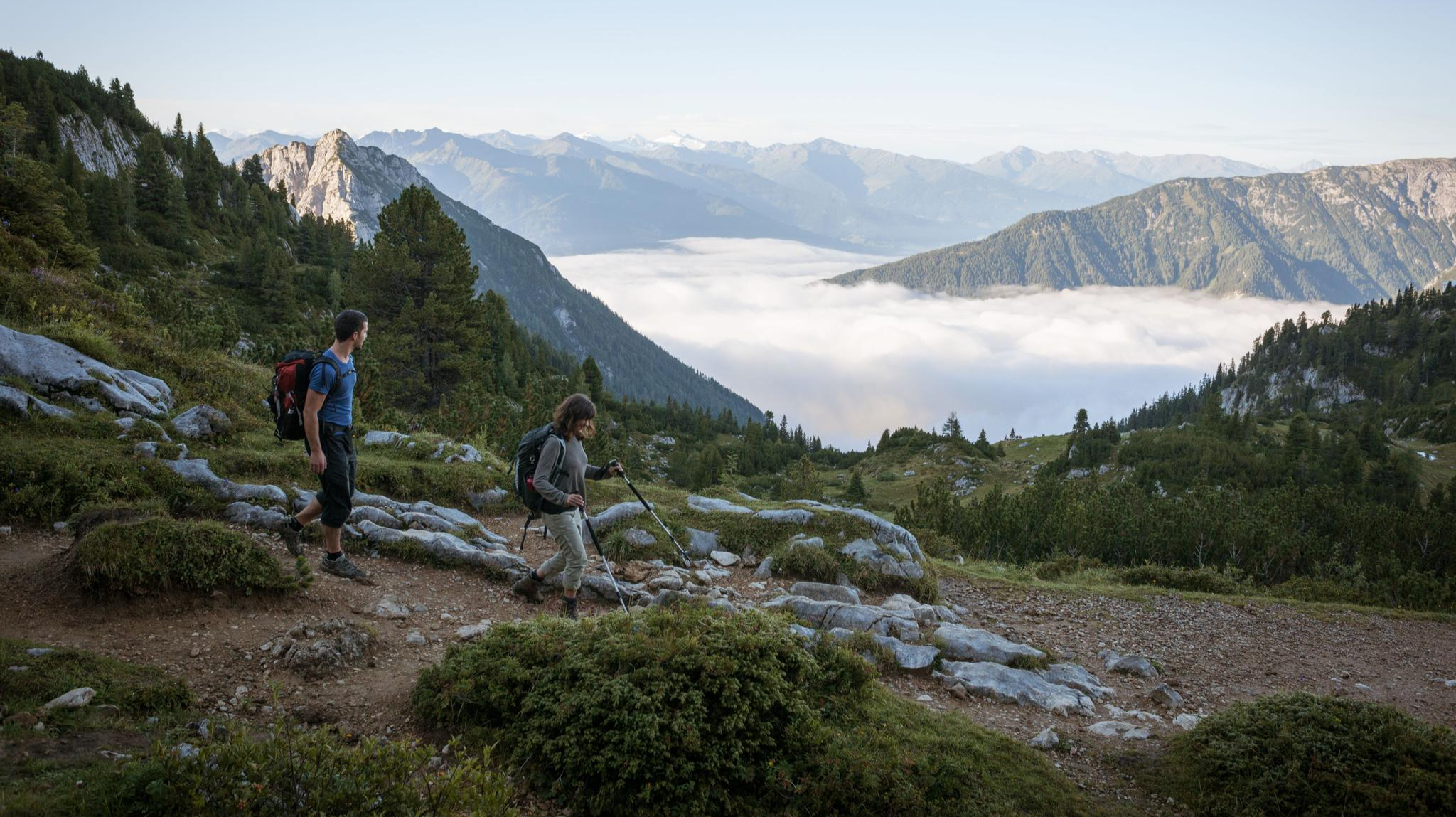
웅장한 독수리 산책로를 따라 하이킹 — 위대한 산책
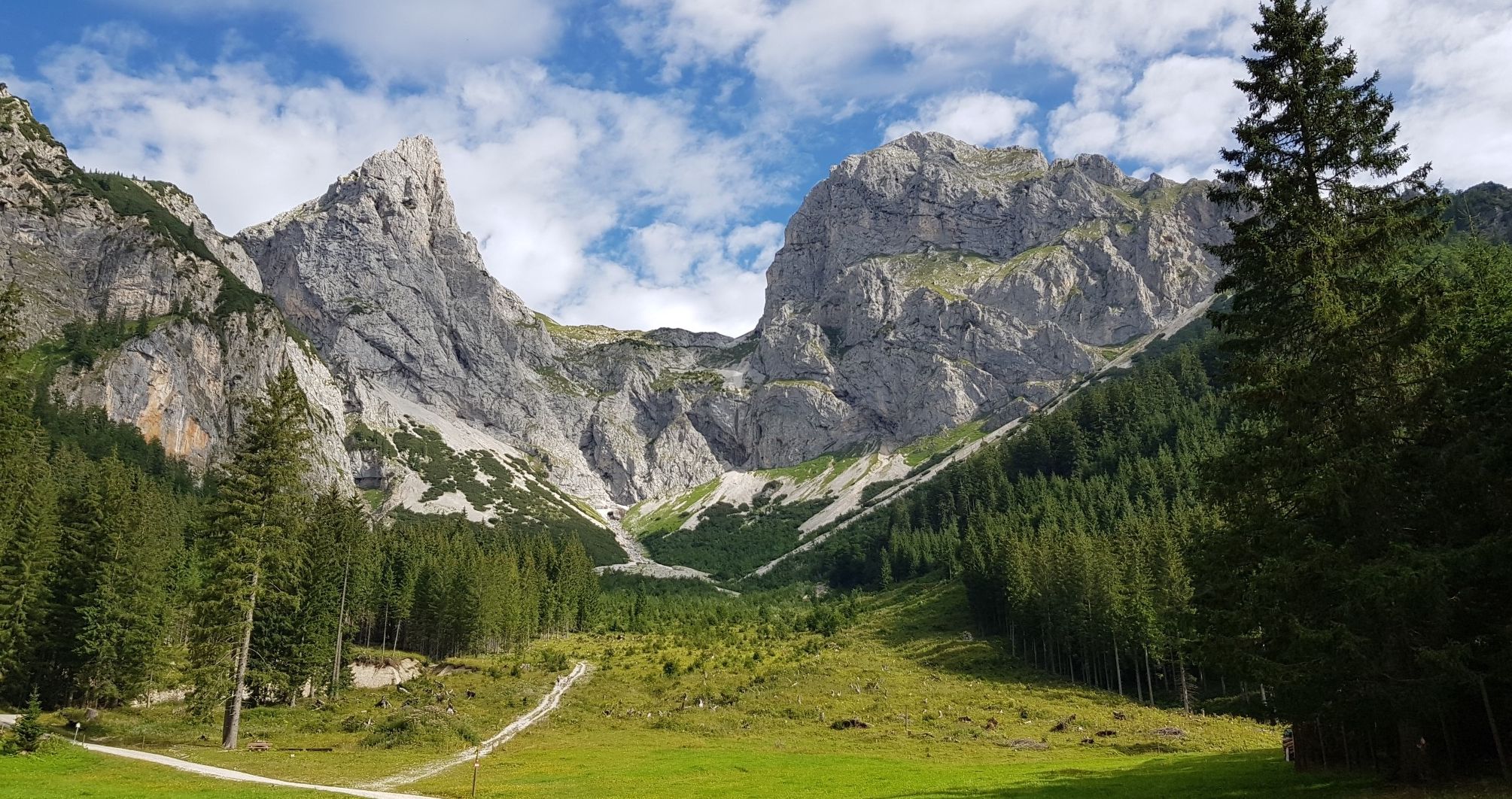
오스트리아를 49일 동안 걸어다니기 - 북알프스 트레일 01
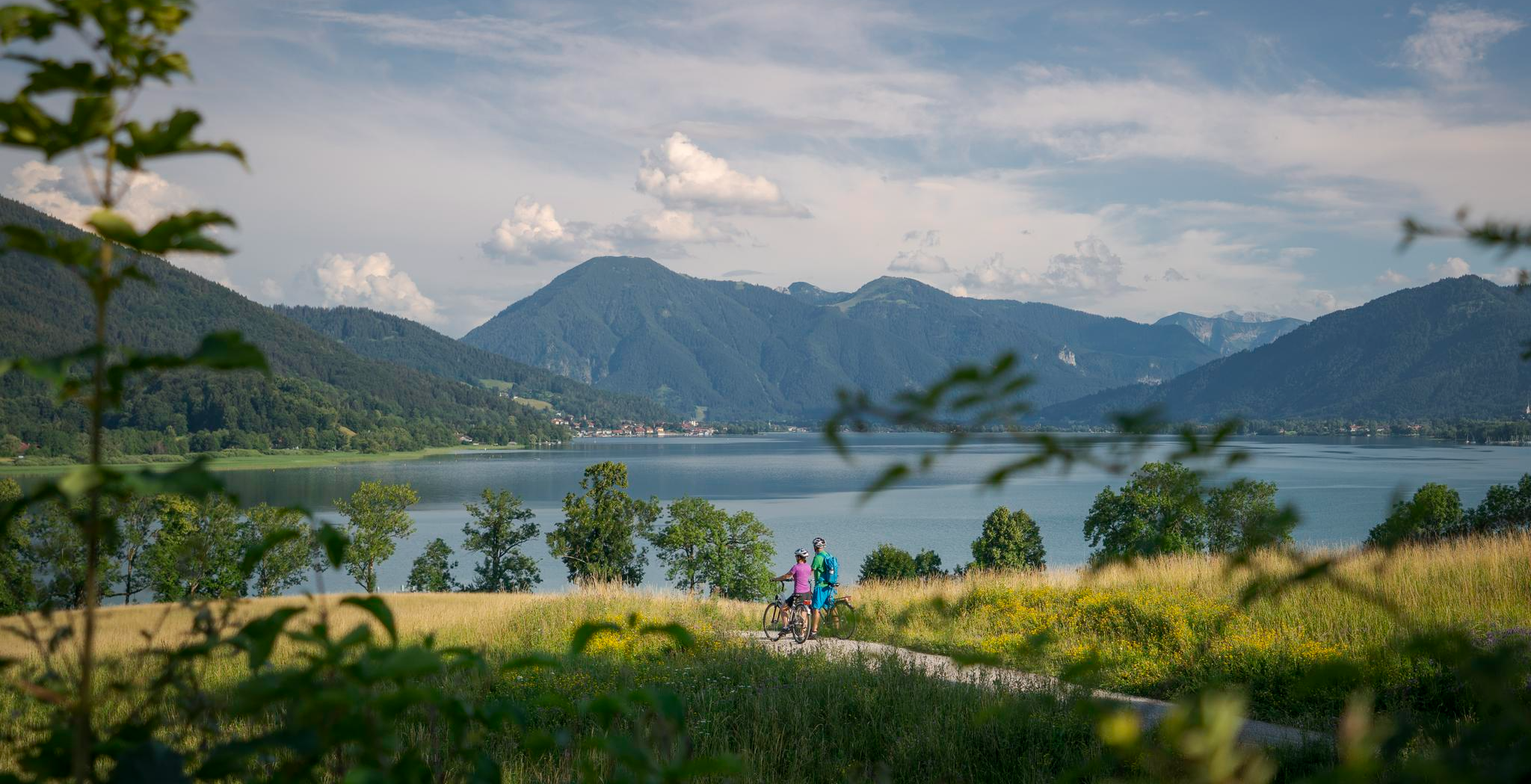
아름다운 알프스 횡단 - 뮌헨-베니스 장거리 사이클 경로
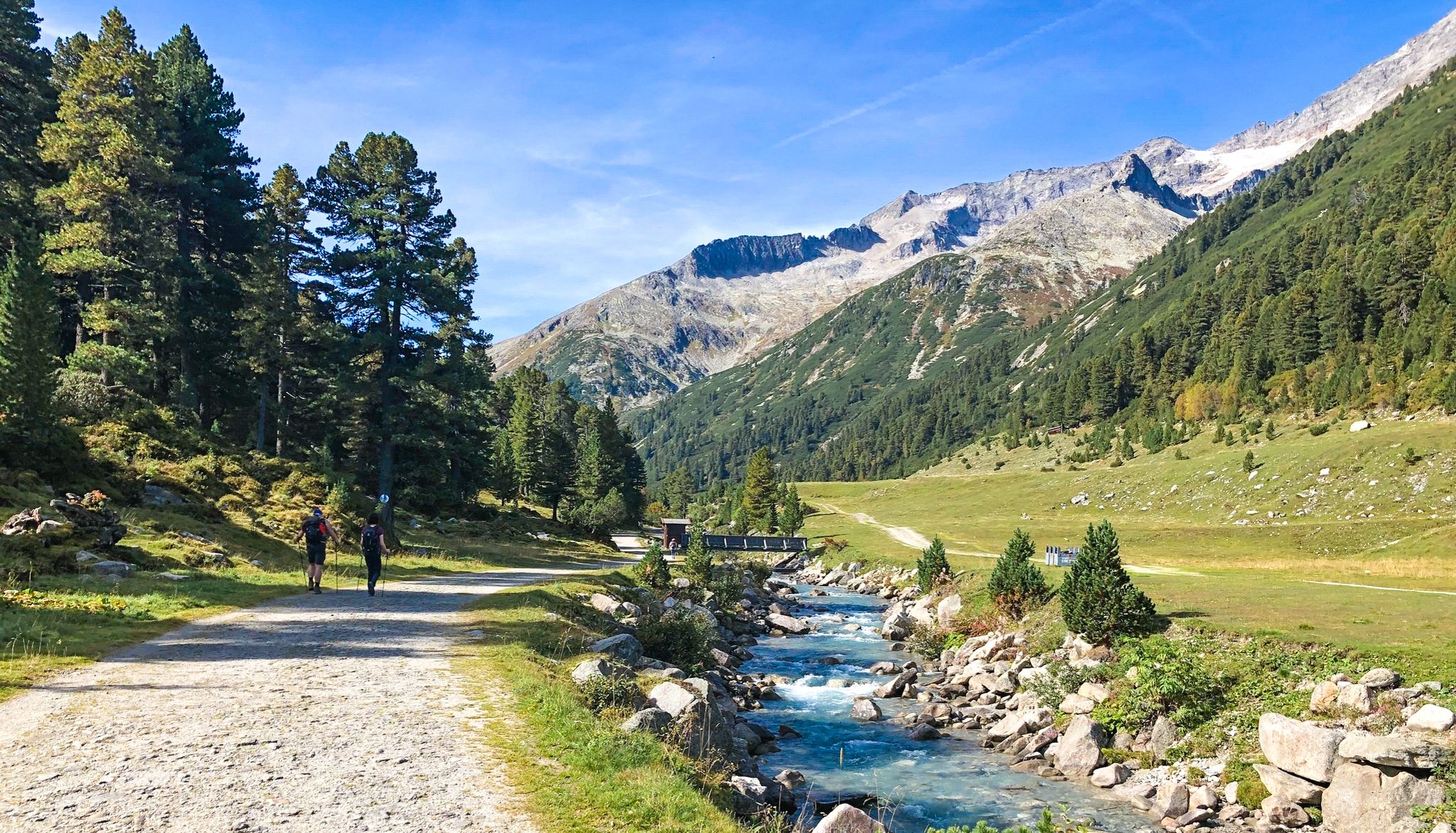
즐거운 등산로 – 테거른젤레 호수에서 스터친으로 7단계
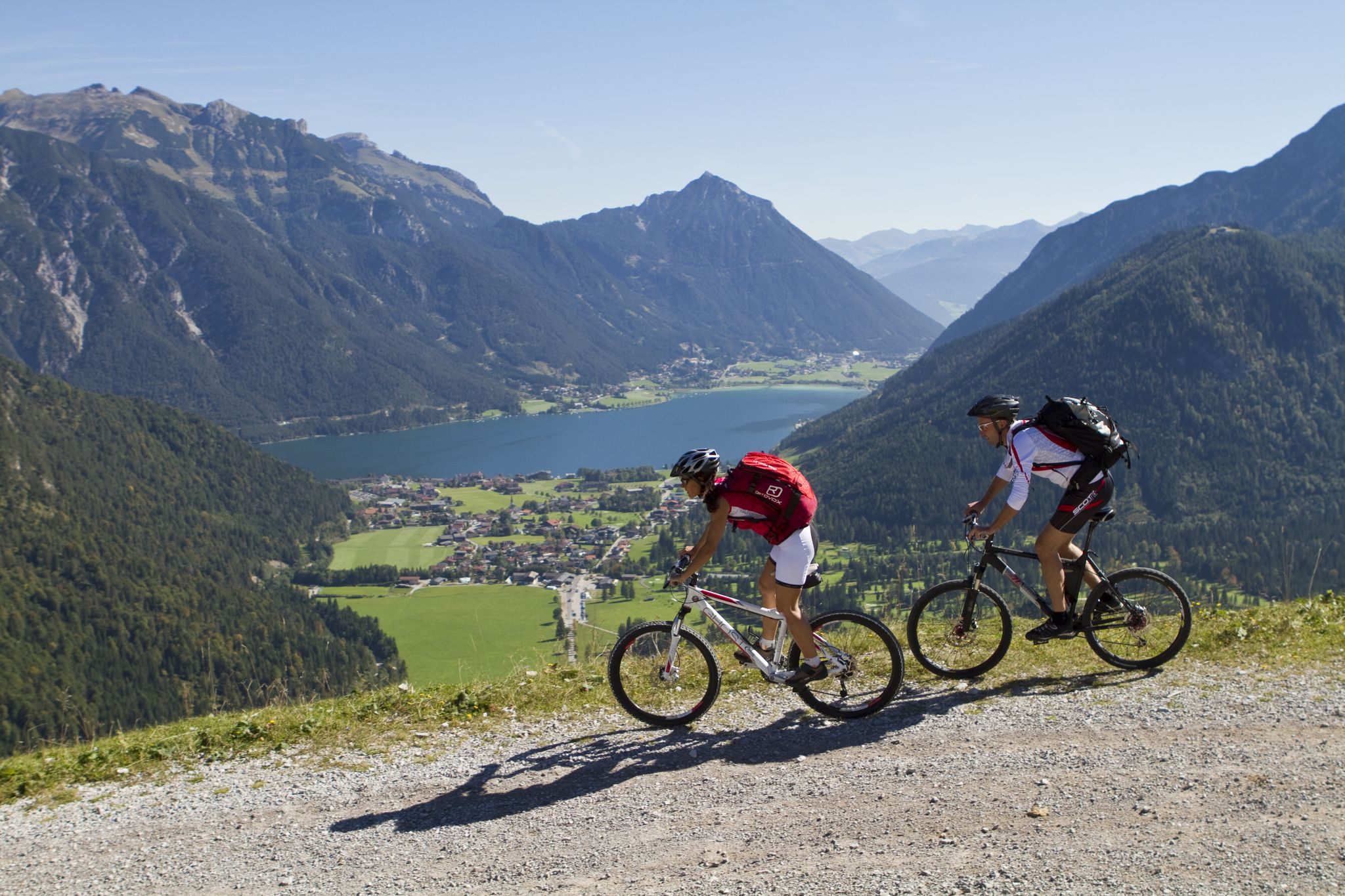
Mountain biking at Achensee in Karwendel Nature Park
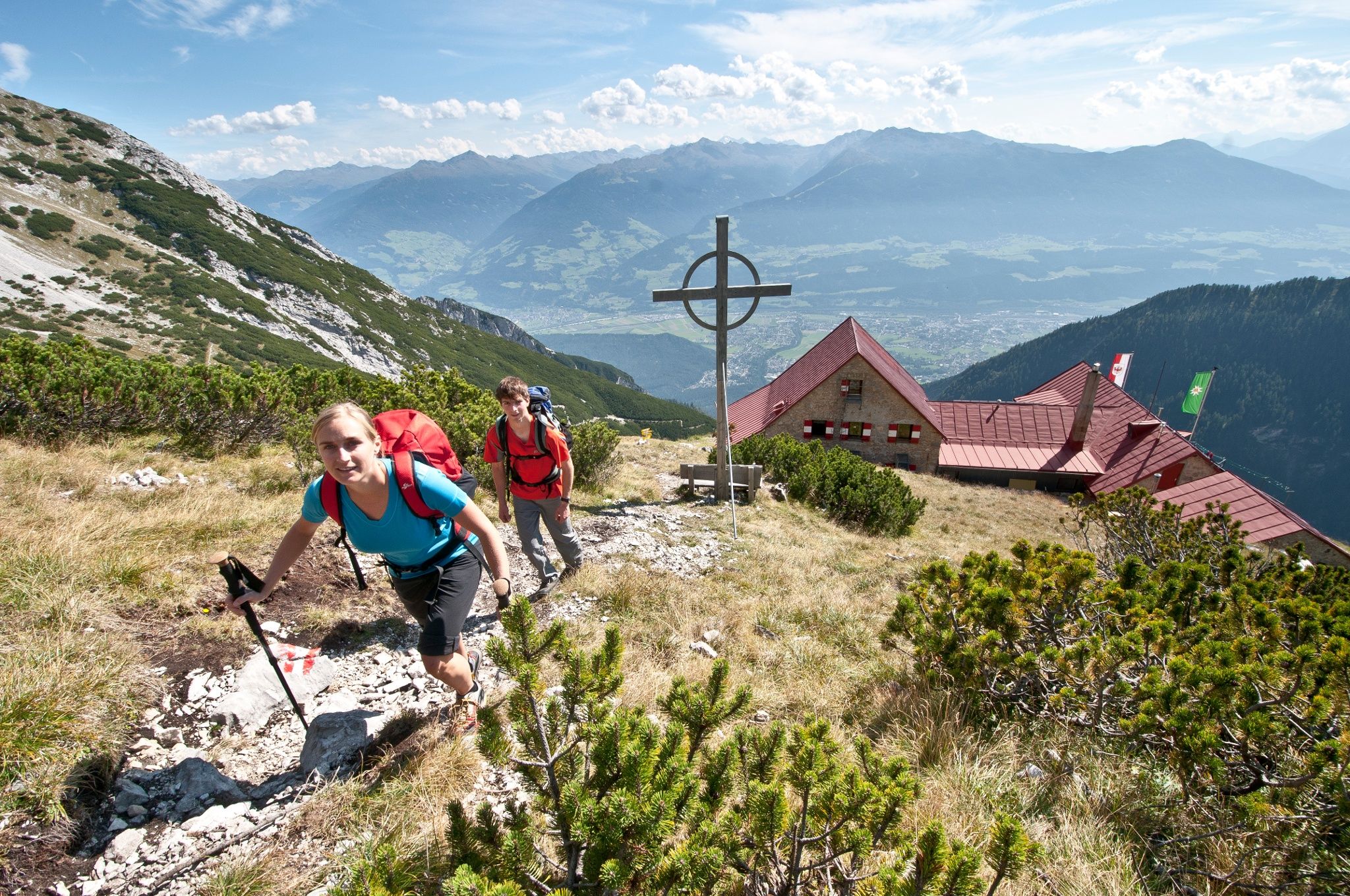
Multi-day WÖFFI mountain hikes in Karwendel
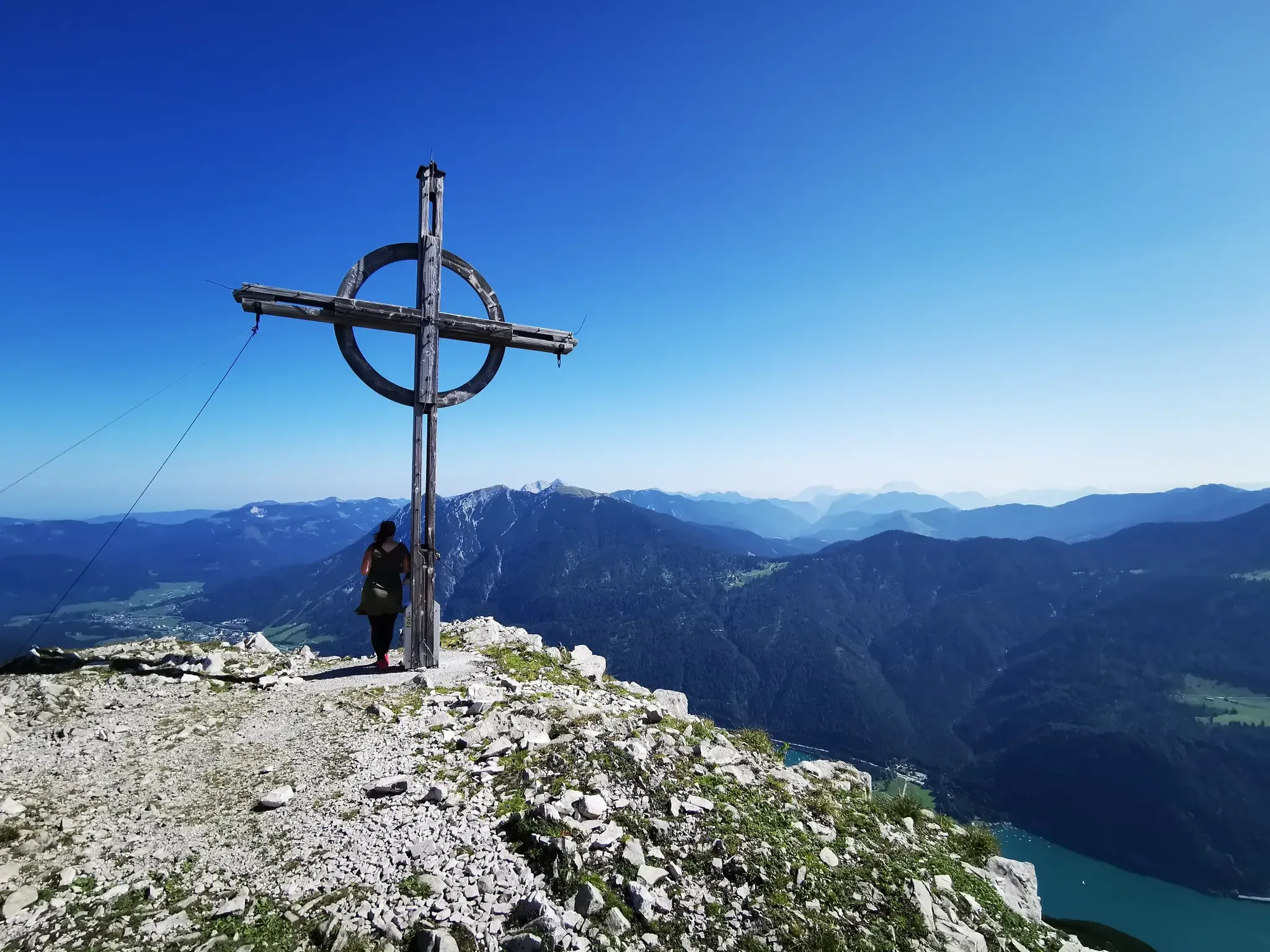
산꼭대기의 행복과 넓은 전망: 카베델 자연공원의 산책
타이롤의 놀라운 십일꼭대기 걸음걸이 일곱
Mountain bike jewels in Austria
페르티사우 주변의 다른 모험


커뮤니티 팁

짧지만 정말 보람 있는 철제 케이블 루트입니다. 처음에는 보이는 것보다 덜 거칠게 느껴집니다. B/C 난이도로 인해 약간의 알파인 경험이 권장됩니다.
1
0

Following in the Miners' Footsteps / Schwaz Silver Mine The silver mine is "the must-see attraction in Tyrol." 85% of the world's mined silver came from this mine, which extends deep into the mountain. After descending 800 meters on the mine train, a breathtaking underground world awaits you. You'll follow in the footsteps of the miners and experience the hardships they endured 500 years ago to extract copper and silver. One of the highlights is the famous Schwaz waterwheel, installed in 1556 to pump out the mine water – it was considered a true marvel of engineering at the time. Text / Source: Schwaz Silver Mine, Alte Landstraße 3a, Schwaz https://www.silberbergwerk.at/
14
0
Schwaz Silver Mine The Schwaz Silver Mine – Following in the Footsteps of the Miners "The mother of all mines," the largest silver mine of the late Middle Ages, is located in Schwaz, Tyrol. Up to 10,000 miners searched for and found silver and copper here 500 years ago, making the town of Schwaz the largest mining metropolis in the world! Discover breathtaking insights into bygone eras – the silver mine will be an unforgettable excursion! Text / Source: Schwaz Silver Mine, Alte Landstraße 3a, Schwaz https://www.silberbergwerk.at/
16
0

"The mother of all mines," the largest silver mine of the late Middle Ages, is located in Schwaz in Tyrol. Up to 10,000 miners searched for and found silver and copper here 500 years ago, turning the town of Schwaz into the largest mining metropolis in the world!
5
0

The small inscription cave below the Schneidjoch Pass in the northwestern Brandenberg Alps is the site of seven Rhaetian rock inscriptions. These date from the Late Iron Age (circa 500–15 BC) and are documents of Rhaetian, a language related to Etruscan that was displaced by Latin after the Roman conquest of the Alpine region. Four of the seven inscriptions in the cave are comprehensible: They record the names of individuals who presumably performed cultic ceremonies at this site. It is particularly noteworthy that three of the four inscriptions belong together, as the names recorded in them are those of a father and his two sons. The nature of the cultic ceremonies performed in or in front of the inscription cave is unclear; perhaps the inscription of names on the rock surface itself was already considered a ritual act (https://tir.univie.ac.at/images/8/88/Steinberg.pdf).
0
0

One of Rattenberg's special sights is the parish church of St. Virgil and St. Catherine. This Gothic building has two naves. Once, it was a separate church for citizens and miners. Important artists redesigned the building in the Baroque style. A chapel commemorates Saint Notburga, who was born in Rattenberg. Noteworthy: an elevator leads from the Painter's Corner to the church portal. 😉
10
0

You just have to see this one!
2
0

The immediate proximity of the steeply sloping Schlossberg site and the spatial limitations of the building site meant that the church building itself showed some special features. The origins of the church are Gothic. It was built between 1473 and 1506 and acquired its current Baroque architectural style in the 18th century. The main artistic features are the so-called "Annenaltar" in the southern choir stalls with its statues, the vault frescoes by SB Faistenerger and Matthäus Günther and the Lourdes Shrine.
9
0


