샥에서 가장 멋진 19개의 폭포
폭포에서 숨 막히는 절경을 감상하고 싶나요? 그렇다면 샥에 있는 아름다운 폭포 19
개를 살펴보세요. 아래에서 여러 폭포 사진과 팁을 살펴본 후에 마음에 드는 폭포를 다음 모험 계획에 간편하게 추가해보세요!
마지막 업데이트: 8월 31, 2026

Storsæterfossen 폭포 (폭포 뒤편)
하이라이트 • 폭포
번역자 Google •
팁에 의해

이런 장소를 발견하려면 지금 가입하세요
최고의 싱글 트랙, 봉우리 및 다양한 흥미로운 야외 장소에 대한 추천을 받아보세요.
무료 회원 가입
스토르세테르포센 폭포
하이라이트 (구간) • 폭포
번역자 Google •
팁에 의해

물달스포센으로 가는 돌계단
하이라이트 • 트레일
번역자 Google •
팁에 의해

Storfossen 폭포
하이라이트 • 폭포
번역자 Google •
팁에 의해

무료로 가입하여 샥 주변의 더 많은 폭포를 발견하세요.
무료 회원 가입
이미 komoot 계정이 있나요?


커뮤니티 팁

The hike to Storsæterfossen is definitely worthwhile and shouldn't be missed if you want to explore the Geirangerfjord. The waterfall is very impressive and offers the rare opportunity to walk behind it and experience it up close. But be careful: The path behind the waterfall is very slippery in places! However, there are ropes provided for support.
3
0
The opportunity to admire Storsæterfossen from behind or below, experiencing it with all your senses, is an impressive attraction that shouldn't be missed when exploring the Geirangerfjord. However, caution and sure footing are required, as the path leading under the roaring waterfall is quite slippery in places! Feel free to hold onto the provided ropes!
4
0
Storsæterfossen is a truly beautiful waterfall. What makes it special is the opportunity to walk under or behind it. But be careful: the path with its steps is very slippery in places! The hiking trail to Storsæterfossen is also very beautiful and varied, offering a challenging hike. It also provides plenty of views of the Geirangerfjord.
3
0

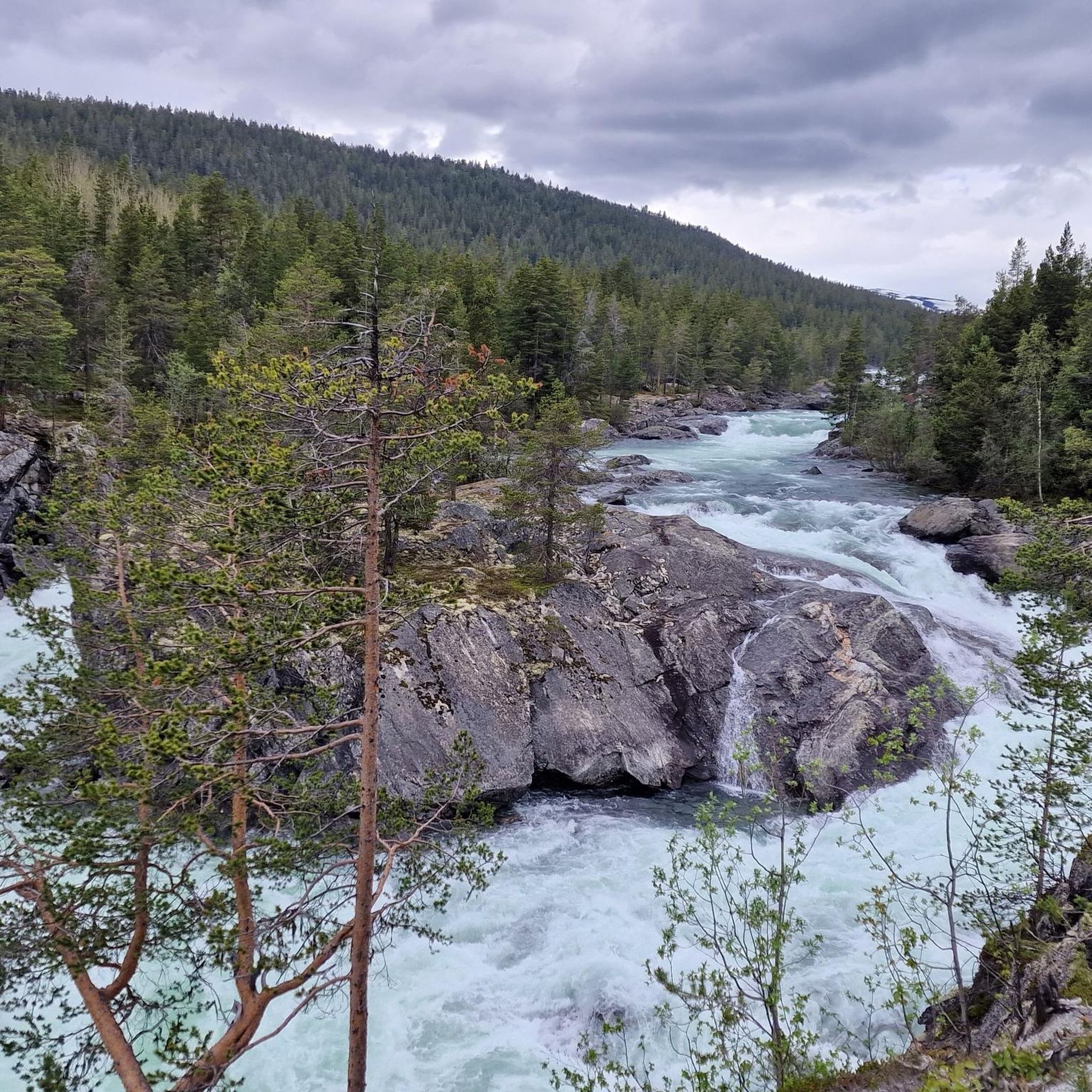
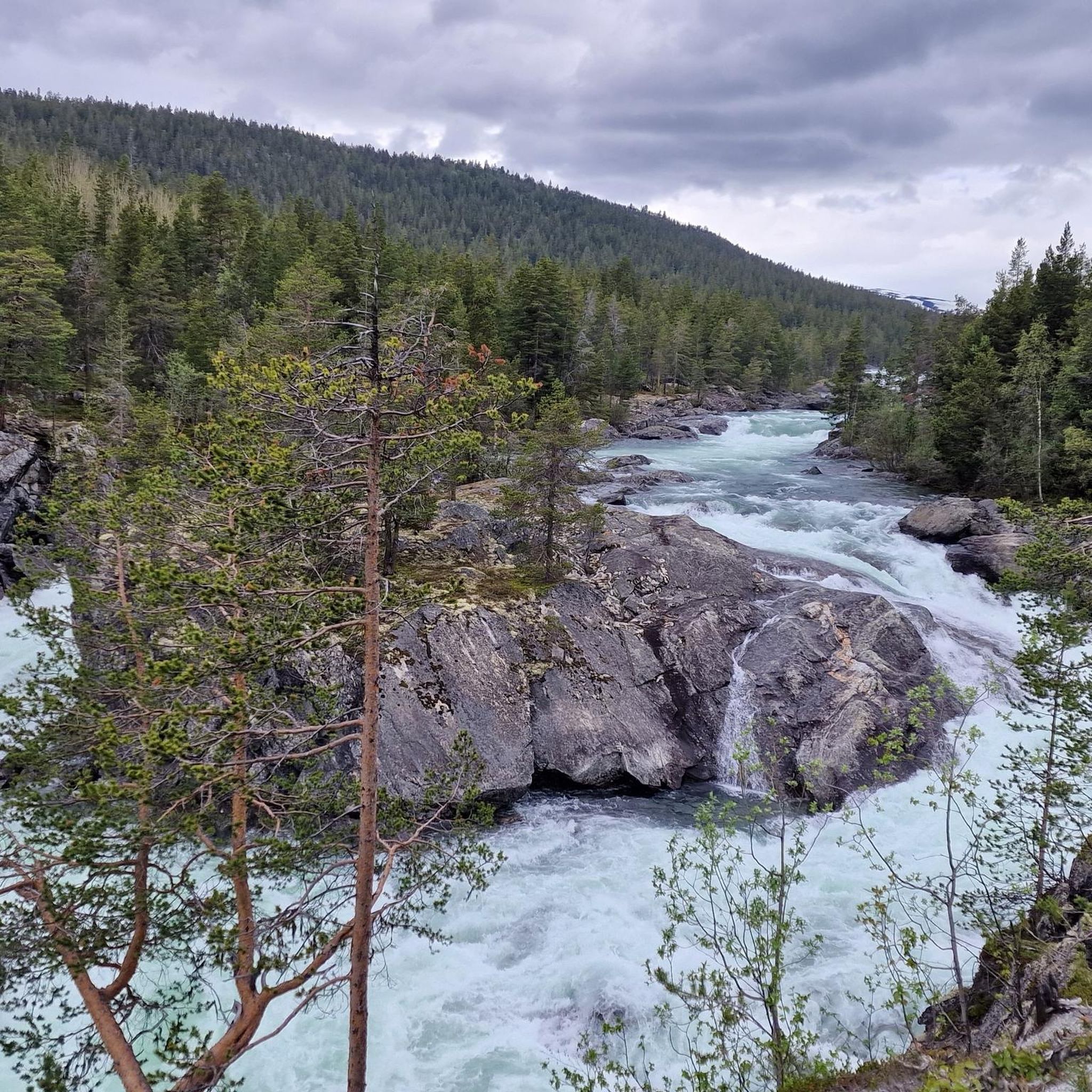
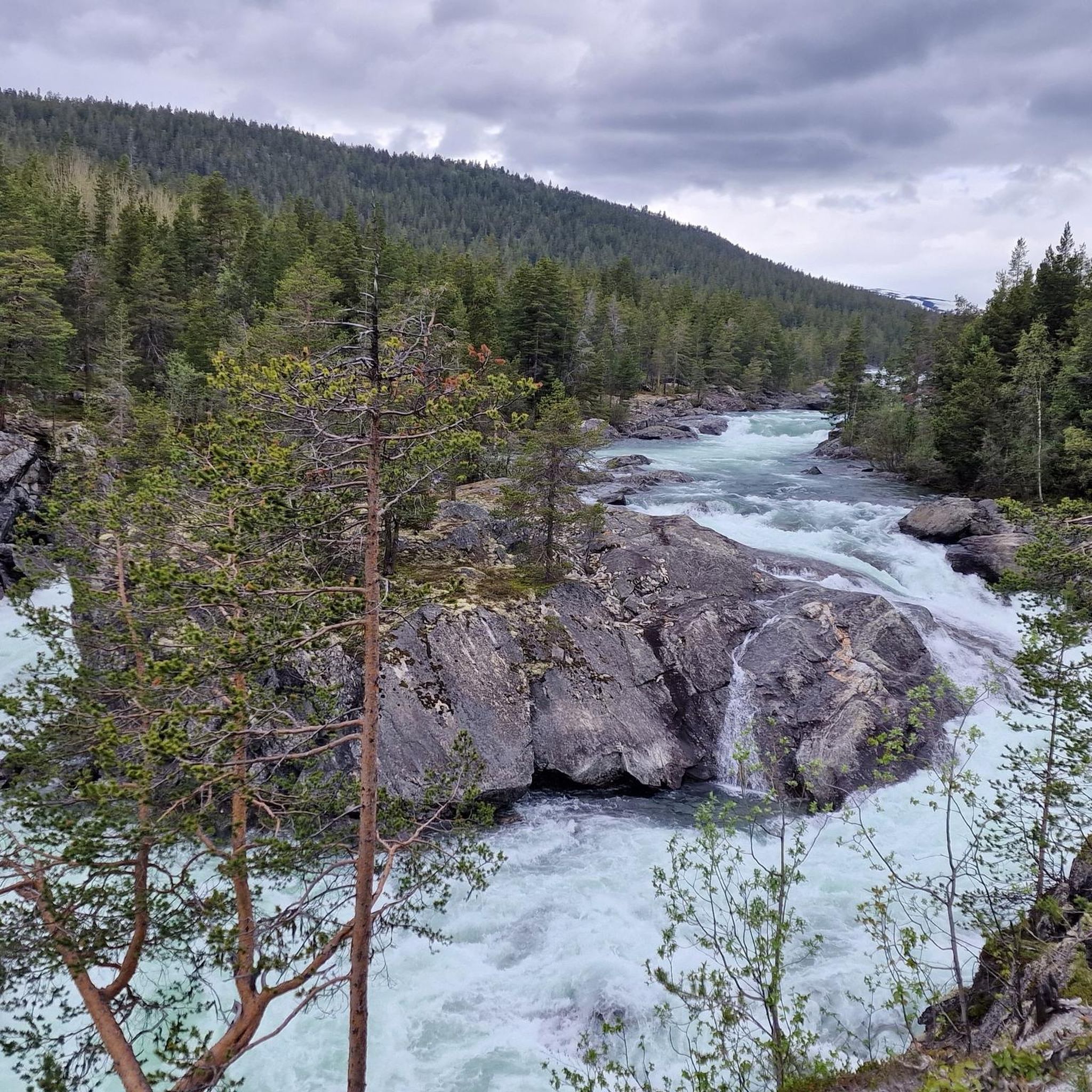
The Waterfall Trail leads from the town center along the Geiranger River to the Norwegian Fjord Center. Along the way, you'll explore two old hydroelectric power stations and gain insight into how early pioneers in the village saw opportunities to harness the water and generate hydropower. This is one of the lesser-known aspects of Geiranger! Storfossen (literally "The Great Waterfall") is the biggest attraction on the trail. This river and waterfall change with the seasons, offering different experiences throughout the year. In spring, the snow melts, and the river is large and intimidating. You can even hear the rocks in the river being moved by the water when the river is rough and wild. The power of the water is tremendous and can be dangerous, so it's very important to show great respect for the rivers and waterfalls. In winter, the river is frozen, and during the so-called "blue hour," being here is a magical experience. The Waterfall Trail itself has 326 steps and is approximately 0.9 km long. Large sections of the hike are fenced, and you may also observe plants, animals, and birds that live near the river. The hike is led by a "Fjord Ranger" who has extensive knowledge of the rivers, waterfalls, and fjord in Geiranger. The tour ends at the Norwegian Fjord Center, where you can enjoy the museum's exhibits.
1
0
Information about Geiranger: A church probably existed in Geiranger as early as 1450, but the current church building dates from 1842. Traffic to and from Geiranger was originally largely carried out by water. However, as early as the 15th century, a mountain road existed from Geiranger to Lom during the summer months. By the 1850s, trade along the route had increased significantly. For example, pickle, birch bark, falcons, grain, leather, and tar were delivered from Lom to Geiranger. In return, iron, fish (especially herring), salt, and textiles were transported towards Lom.[1] The D/S Sunnmöre was the first steamship to reach Geiranger in 1858. In 1867, Martinus K. Maråk opened the first inn in Geiranger. A frequent guest here was Hans Hagerup Krag, who made a significant contribution to Norwegian road construction. Tourism, which was important for the town, began in 1869. In 1880, Krag proposed building the road from Geiranger up to Dalsnibba, particularly to further develop tourism. Work on the Geiranger Road began on November 29, 1881, and the Knuten Road was completed in 1882. The Geiranger Road was inaugurated on August 15, 1889, but the Nibbevegen road to Dalsnibba was not built until the 1930s. Parallel to the construction of the Geiranger Road, the harbor was expanded in 1885 to provide better mooring options for steamships.[2] N.P. Veiberg also built the Geiranger Hotell in 1884.[3] The Union Hotel followed in 1891.[4] From the 1890s onward, the German Emperor Wilhelm II visited Geiranger several times until 1914.
1
0

Nice tour, unfortunately the path under the waterfall is currently closed (August 24)
2
0

A relatively challenging climb, but once you reach the top you'll be rewarded for everything. You should definitely do it.
1
0
The climb is quite challenging, but once you reach the top you are rewarded with a fabulous natural spectacle and a breathtaking view. It is definitely worth it.
1
0


