12의 몬후라도가지 명소 & 주요 장소
몬후라도에는 둘러볼 만한 장소가 많답니다. 하이킹 또는 사이클링을 좋아한다면 몬후라도에 숨겨진 12
가지 보석을 만날 수 있을 거예요. 이 지역의 주요 명소를 살펴보면서 다음 모험을 계획해보세요.
마지막 업데이트: 10월 18, 2026
멘히르로 가는 길의 코르크 참나무
하이라이트 • 숲
번역자 Google •
팁에 의해


이런 장소를 발견하려면 지금 가입하세요
최고의 싱글 트랙, 봉우리 및 다양한 흥미로운 야외 장소에 대한 추천을 받아보세요.

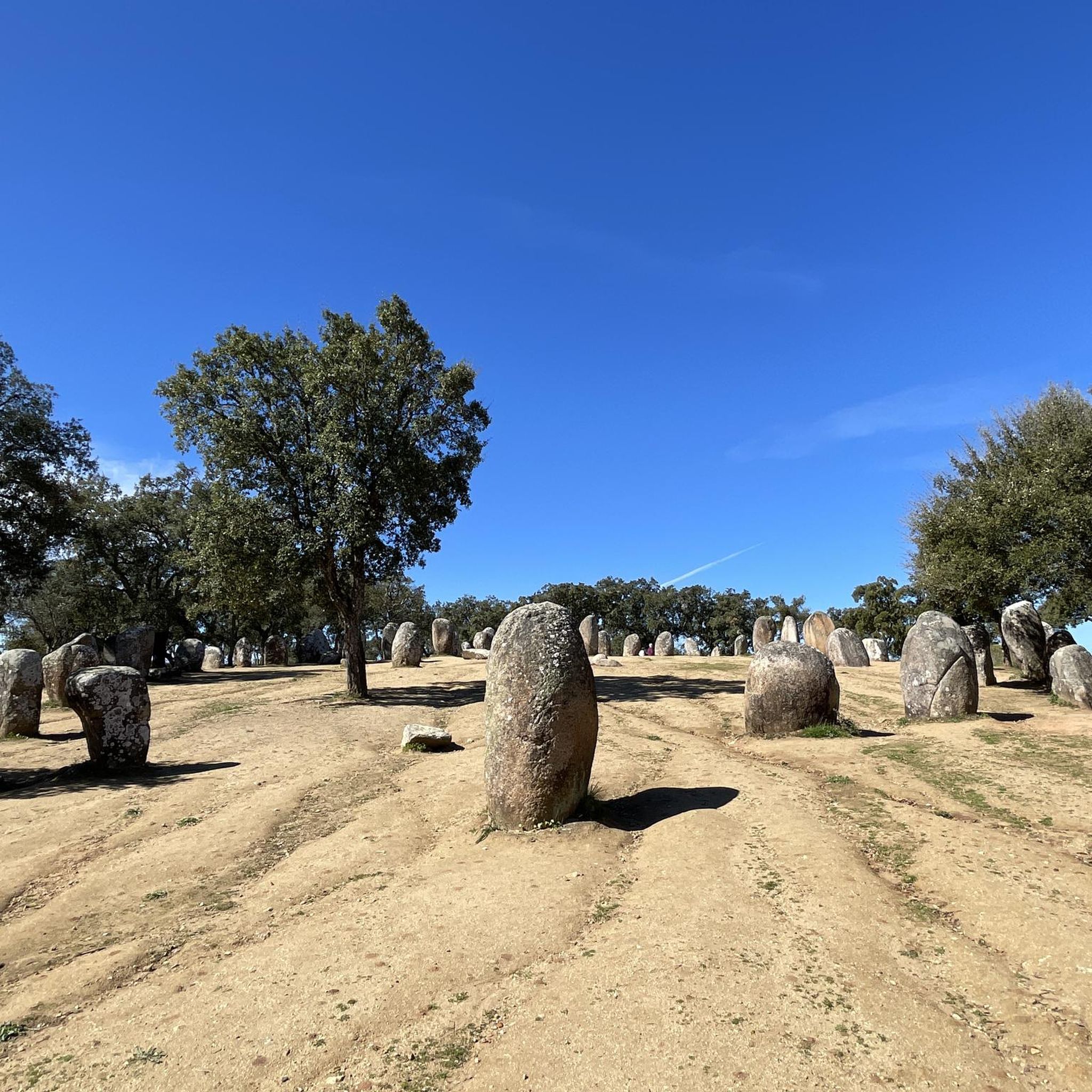
크로멜레크 도스 알멘드레스 해설 센터
하이라이트 • 역사적 장소
번역자 Google •
팁에 의해

오늘 무료 계정으로 시작하세요
다음 모험이 기다리고 있어요.


커뮤니티 팁

Montemor-o-Novo와 Évora 사이의 중간 지점에 있는 훌륭한 휴식 장소입니다. 이곳에는 샘물, 화장실, 카페-레스토랑이 있습니다. 파탈림 샘과 히베이라 강 물은 수세기 동안 이 농촌 지역의 인간 생존과 정착을 형성해 온 중심 요소입니다. 지리: 이 지역은 수세기 동안 들판의 비옥함을 보장해 온 수로인 파탈림 강으로 교차됩니다. 정차 지점: 파탈림 샘은 이 지역을 여행하는 사람들에게 수세기 동안 필수적인 보급 및 휴식 장소 역할을 했습니다. 파탈림 매점과 왕실 경로 Montemor-o-Novo와 Évora를 잇는 축에 위치했기 때문에 이 지역은 상업적 측면과 여행자 지원을 발전시켰습니다. 역사적인 여관: 역사 문서는 숙박 및 무역 장소인 파탈림 매점의 존재를 밝힙니다. 왕실 통행: 1619년 5월, 포르투갈의 펠리페 3세(스페인의 펠리페 4세) 왕의 수행단이 Montemor-o-Novo로 가는 길에 파탈림 매점을 정확히 지나갔습니다.
17
0

Located in the village of Guadalupe, near the Almendres Cromlech, this is a space we created in partnership with the Évora City Council. Its main objective is to support visits to the Almendres Cromlech with educational services and interpretative content on archaeology and nature. We also have an educational park that includes reproductions of Paleolithic shelters and a Neolithic hut (full-scale and built with the original materials and techniques), as well as the corresponding everyday equipment, such as hunting weapons, chipped and polished stone tools, ceramics, votive objects, among many others. We also have a collection of 3D replicas of skulls of the main members of the human evolutionary line. This space aims to create the most immersive educational experience possible. We decided to do without all modern interpretation equipment and bring our visitors back to the landscape and the material. We believe that, as Aristotle argued, the most effective way to learn is through experimentation and the use of all the senses.
4
0
The Montado is an agrosilvopastoral system explored at several levels – trees, bushes and herbs – according to the potential of each region. On the tree level it can be made up of oaks like cork oak (Quercus suber), holm oak (Q. rotundifolia) and less frequently pyrene oak (Q. pyrenaica) and portuguese oak (Q. faginea), in pure or mixed populations with variable densities. The ground cover is occupied by pastures used by cattle or is used for dry land crops on a rotation system. The natural pastures can be occupied by shrubs, in variable proportions. Humans are an integral and fundamental part of this ecosystem. It was through our clearing action that the montados were created, ever since we started intervening on our natural surroundings. Human management is necessary, in a more or less intensive way, in order to maintain the montado. Without this intervention, the system evolves, naturally to form a dense forest, where people have more difficulty obtaining resources. The way this process of transformation of the Mediterranean forest developed influenced the structure of the system as it presents today. Some older practices still persist, now without context, making more difficult the adaptation of the system to the new ways of agrarian production. Other ways emerged, some well adapted to the system, other causing more or less serious disturbances. The montado is a system for using the soil developed on a physical background that involves climate, pedological and geomorphological factors with specific characteristics. It is why this ecosystem is restricted to such a limited area, when compared to other ecosystems in our planet.
5
0
Typical Alentejo farm. Private property. Not open to visitors...
3
0

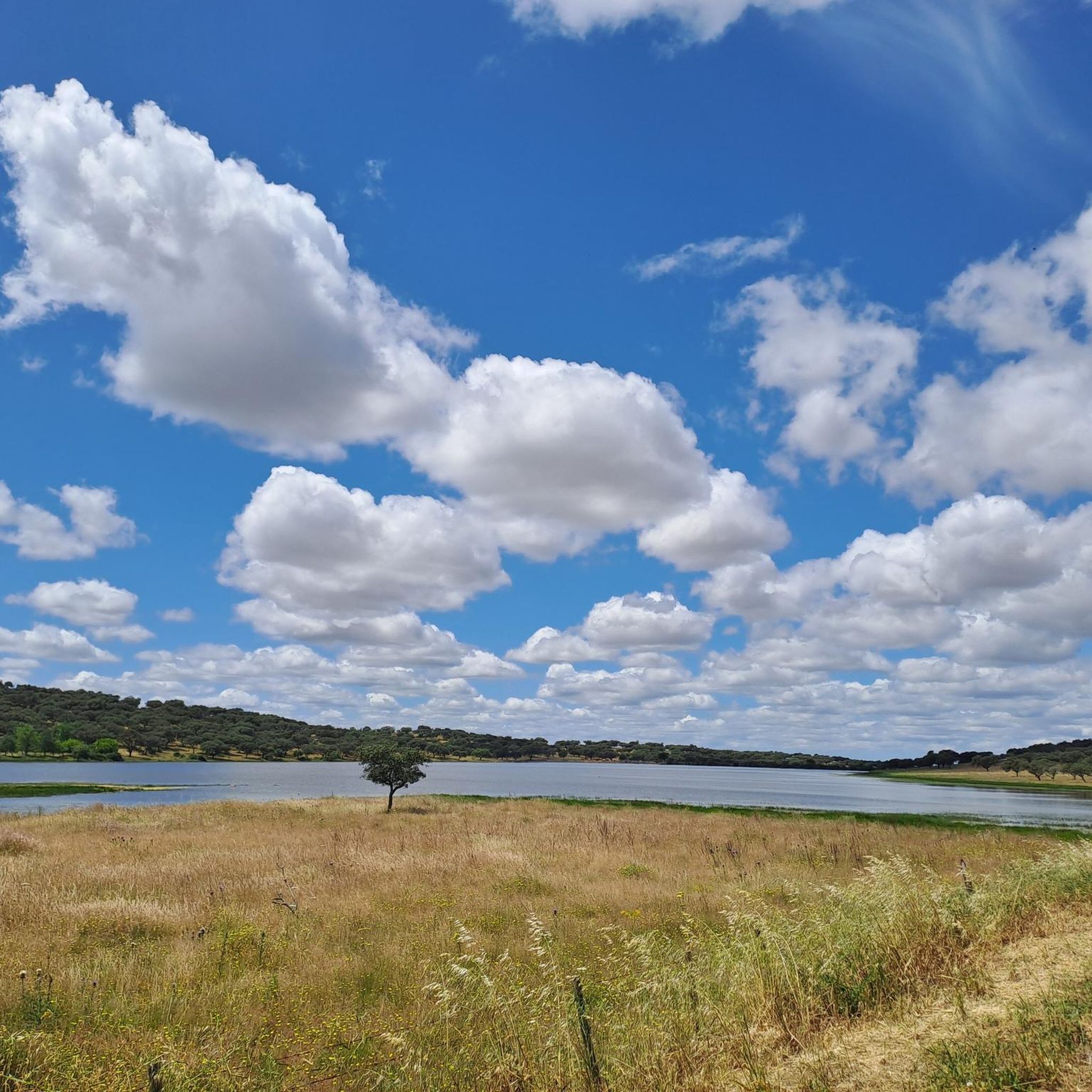
Beautiful path and landscape with a view of the local nature.
2
1

Here you can watch up close how the cork is harvested and slowly grows back.
4
1

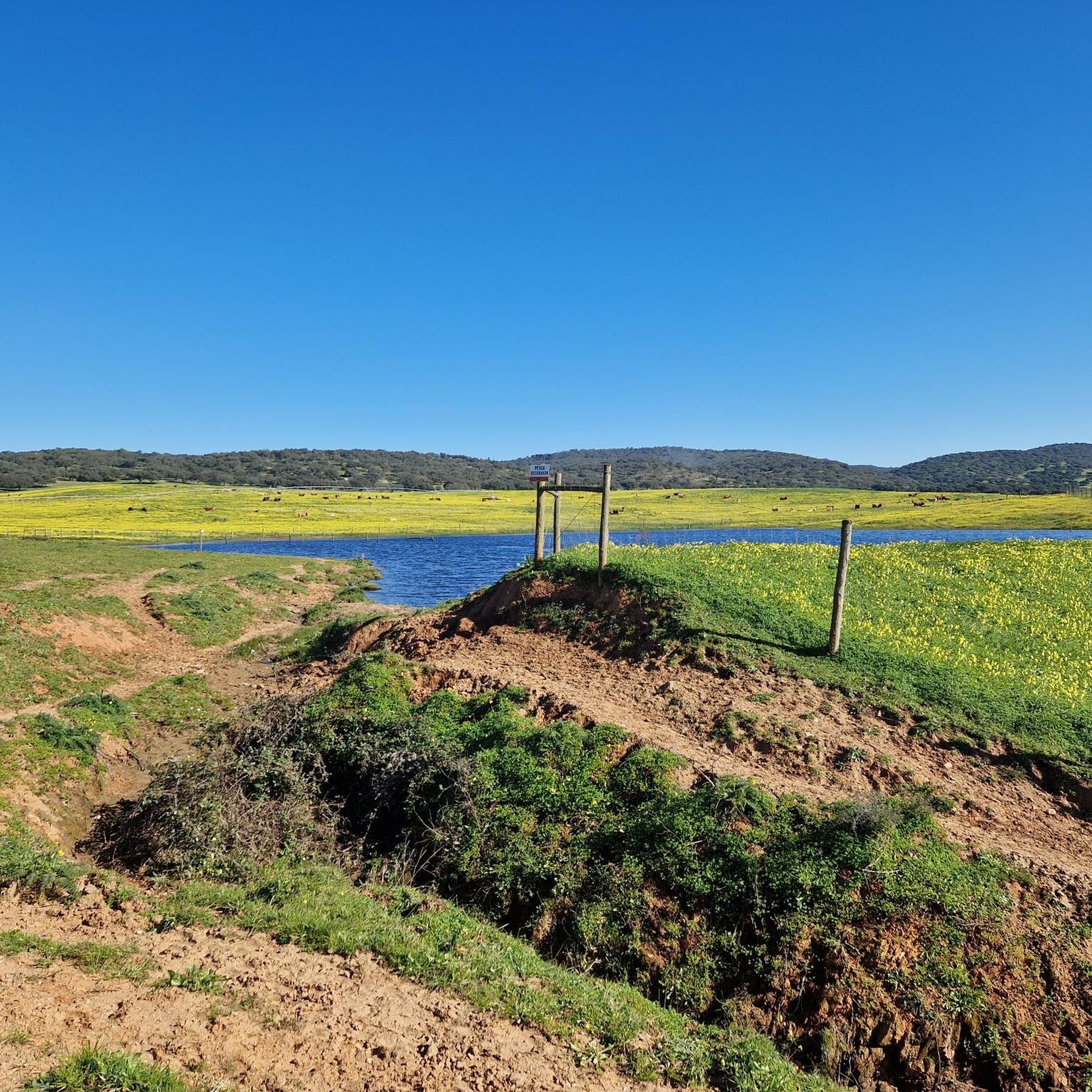
Beautiful pasture landscape that blooms fragrantly in spring.
3
1

This ecopista (old railway turned into cycling path) goes from the city of Montemor-o-novo to Torre de gadanha, which is just a train station where trains don't stop anymore. The track is paved until km4, from where turns to a compact gravel. The landscape is of montado (typical landscape of Alentejo region) with lots of cork trees shadowing the path (which is desirable in this hot region). There is a café next to an old train station of Paião at km8, but the rest of the ecopista is pretty isolated with no water or other services along the way. It is best done on spring when the fields are still green and flowers blossoming. Cattle can also be seen along the way (sheeps, horses and cows).
2
0
몬후라도 주변에서 가장 인기 있는 명소


더 살펴보기
찾고 있는 하이라이트를 아직 못 찾으셨나요? 다른 지역의 주요 명소 가이드를 확인해보세요:
