성을 방문하는 건 언제나 특별한 일이에요. 하이킹을 하다가 잠깐 들를 때도, 가이드를 따라 제대로 둘러볼 때도 말이죠. 보클뤼즈에 있는 아름다운 성 20
곳을 아래에서 살펴본 후에 마음에 드는 성을 다음 모험 때 만나보세요!
마지막 업데이트: 4월 24, 2026
하이라이트 • 전망대
번역자 Google •
팁에 의해
하이라이트 • 다리
번역자 Google •
팁에 의해
이런 장소를 발견하려면 지금 가입하세요
최고의 싱글 트랙, 봉우리 및 다양한 흥미로운 야외 장소에 대한 추천을 받아보세요.
무료 회원 가입
하이라이트 • 역사적 장소
번역자 Google •
팁에 의해
하이라이트 • 성
번역자 Google •
팁에 의해
오늘 무료 계정으로 시작하세요
다음 모험이 기다리고 있어요.
로그인 또는 가입하기
보클뤼즈 주변 인기 장소
트라이어슬롱 360 – 나의 세계 일주
모양새 교차 - Jura에서 중지해 지중해까지 GR 9
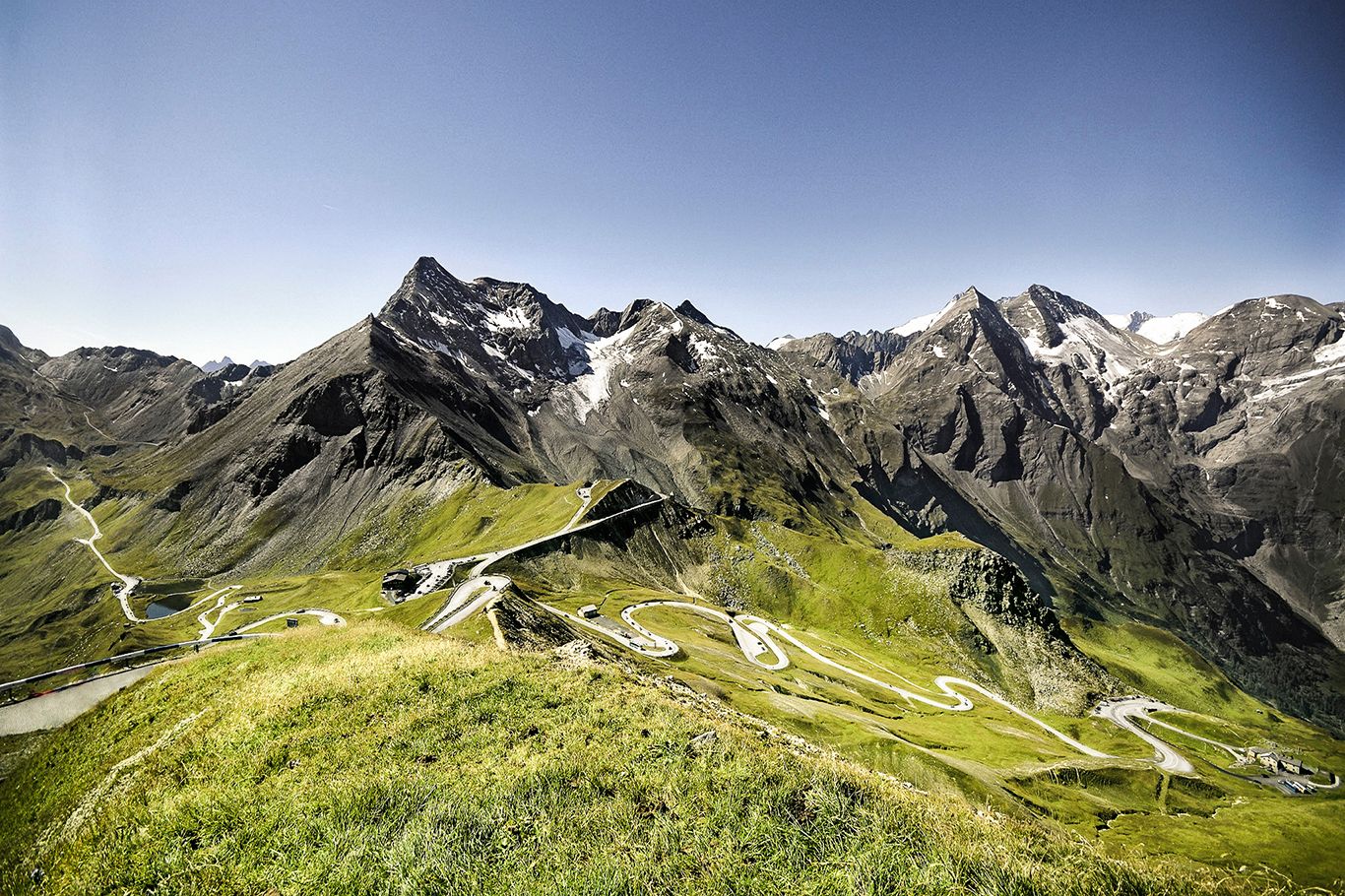
Three Peaks Bike Race — 비엔나에서 니스
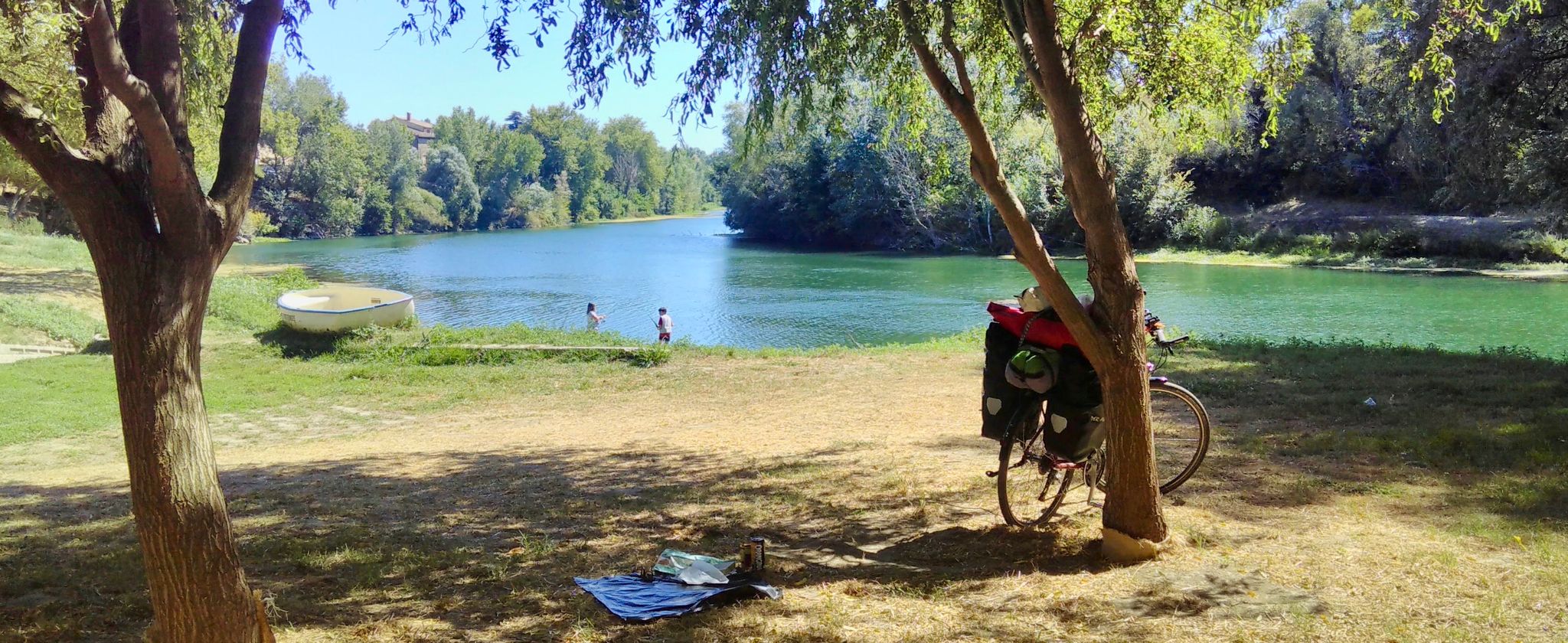
Via Rhôna — 리옹에서 지중해까지 론 계곡 사이클링
GR 91 - 베르코르 고원에서 프로방스까지
훌륭한 자연 경관 — La Grande Traversée de Vaucluse à VTT
Hiking in the Luberon – Biosphere Reserve and UNESCO Geopark
넷 대 산맥 — Gravel Tour de la Provence
자전거를 타고 프랑스 루베롱 지방 자연 공원 탐험
프랑스 프로뱅스 크로스링 루베롱
The Château de Châteauneuf-du-Pape is situated on a hill with panoramic views over the Rhône plain. The castle ruins date back to the 14th century and showcase medieval papal architecture. Wine lovers can sample the appellation's famous red wines in the surrounding area. The grounds offer numerous hiking trails between vineyards and lavender fields. Visitors gain insights into the history of the papal summer residence and the regional culture of Provence.
0
0
It's just a short walk up to the castle. Even though the path is steep and partly rocky, it's well worth it! From the ruins, you have fantastic views down to the town, the river, and the entire surrounding area. Be careful when climbing on the walls; it's extremely steep down!
1
0
Born from the conflicts between the counts of Toulouse and the episcopal power, the castle of Vaison-la-Romaine, built between the 12th and 14th centuries, still dominates the entire town.
0
0
Bad Google translation of Brigitte Roth's comment. It should read 800 m of elevation gain.
0
0
Great place to picnic at the top with the option of a quick vin rouge at the tasting at the top
0
0
The question that now arises is why the inhabitants of Vaison came to settle near the castle instead of staying below. We have seen that the Vaisonnais were burdened with royalties by the Bishop, yet the Count didn't ask for much: only a few pennies for their house located near the castle... The population clearly didn't hesitate in 1253; more than 100 houses were located there... A study as part of a master's thesis in medieval archaeology by Isabelle Cartron in 1989 reported the presence of 37 "notched huts" distributed across three sectors with notches up to 1.30 meters deep, as well as the outline of an old pipe or drain. Four huts retained the marks of postholes. Exterior staircases are also visible in two places. This reproduction shows the location of two areas to the west of the castle that correspond to the aerial photo. Whether these were dwellings, storage areas, or temporary animal shelters, no scientific research has been conducted to date to elucidate these developments. To the right of the castle, you can see "stairs" or "steppes" corresponding to the foundations of the houses around the castle. It is therefore reasonable to imagine that there were several houses around the castle. "In 1209, with the Council of Saint Gilles, the Count was dispossessed of everything. The Bishop of Vaison then probably occupied the castle until 1251, when he returned it to the Count. These two facts explain the development of the "upper town." The Count showed ingenuity by establishing a castle next to the town of Vaison, encouraging the migration of inhabitants near him. Thus, at the end of the 12th century, the city on the plain, after having existed for more than 12 centuries, disappeared... The conflict was not definitively settled until 1253, when rights were divided between the Count and the Bishop. Everything took a different turn in 1274, when the Popes took possession of the Comtat Venaissin. An agreement was then reached between the bishops and the latter, and a garrison was placed in the castle. Thus, the episode of the Counts of Toulouse changed the landscape of Vaison. Without them, our "upper town" would never have existed.
0
0
“In Vaison, the bishop has owned the town of Vaison, its market, its oven, its mill, and the surrounding lands since 1108. He exercises domination over the population, which is overwhelmed by taxes, corvées of oats and wine, house taxes, tithes, champart, etc. The bishop in his “Palatium” is both master and judge. Thus, around 1160, the Count of Toulouse, Raymond V, intervened against this domination. It is said that he attacked the town, then on the plain (the 12th-century city is around the cathedral; these are indeed medieval buildings and not a reoccupation of Gallo-Roman houses). Between 1160 and 1170, there was a lull. Raymond VI returned around 1175, employing a different strategy. Instead of seizing the lower town, he attempted to create another on the hill that was his face. This is why he decided to build a castle there.” “Originally, therefore, this castle had nothing to do with military matters; it was a symbol of power. In 1175, the Count began by building a wooden castle, perhaps a motte (a conical mound on which a wooden tower was built). Observing the current construction, we believe we have discovered the remains of this motte, carved into the rock, on top of which the stone keep was later built. The Count used this type of “archaic” fortification for its speed of execution but also because it is symbolic.” “With this motte, the Count settled in Vaison. Very quickly, around 1180-85, the wooden tower was replaced by the stone keep, in the construction of which the men of Vaison participated: “every man is obliged, at one time or another, to work on the tower.” “The keep is the castle's most beautiful architectural feature: it is a 9-meter by 8-meter tower with two levels of pointed barrel vaulting. It was accessed from the south through a system of high doors and hidden staircases, characteristic of Roman keeps. It was surrounded by a rectangular wall, within which two buildings were later added to the north and west before 1200.” These buildings housed residential rooms on the ground floor, outbuildings and a cistern on the first floor, a large room, the “aula,” and a large bedroom. This was where the Count's bailiff lived. The Count owned little in Vaison. Besides some land, he owned the castle, the bridge toll, a furnace, and a mill.
0
0
보클뤼즈의 최고의 성을 지역별로 탐험해보세요:
다른 곳에서 최고의 성을 찾고 계신가요? 다른 가이드를 발견해보세요 보클뤼즈:
무료로 가입하기