브라티슬라바에서 가장 멋진 20개의 동굴
성을 방문하는 건 언제나 특별한 일이에요. 하이킹을 하다가 잠깐 들를 때도, 가이드를 따라 제대로 둘러볼 때도 말이죠. 브라티슬라바에 있는 아름다운 성 20
곳을 아래에서 살펴본 후에 마음에 드는 성을 다음 모험 때 만나보세요!
마지막 업데이트: 10월 25, 2026

성 마르틴 대성당(브라티슬라바)
하이라이트 • 종교적 장소
The Gothic three-aisled church from the 15th century is considered the coronation church of the Hungarian kings.
The three-aisled Gothic cathedral of Bratislava was …
번역자 Google •
팁에 의해

이런 장소를 발견하려면 지금 가입하세요
최고의 싱글 트랙, 봉우리 및 다양한 흥미로운 야외 장소에 대한 추천을 받아보세요.


대주교 궁전 (Primaciálny Palác)
하이라이트 • 역사적 장소
St. George's Fountain with a Dragon
The Renaissance fountain in the courtyard of the Primate's Palace depicts the fight of St. George with the dragon.
It …
번역자 Google •
팁에 의해
Biely Kameň 성 유적지
하이라이트 • 성
2021년부터 Castrum Sancti Georgii 시민 협회는 성 유적 보존을 위해 노력해 왔습니다. 자원봉사자들은 담쟁이덩굴과 무성한 나무를 제거하고, 방문객을 위한 …
번역문 보기
팁에 의해

에스터하지 궁전 – 슬로바키아 국립미술관
하이라이트 • 역사적 장소
번역자 Google •
팁에 의해

파이슈툰 성 유적지
하이라이트 • 성
번역자 Google •
팁에 의해

철의 장막 기념비 – 데빈
하이라이트 • 기념물
번역자 Google •
팁에 의해

무료로 가입하여 브라티슬라바의 더 많은 성을 발견하세요.
이미 komoot 계정이 있나요?




커뮤니티 팁

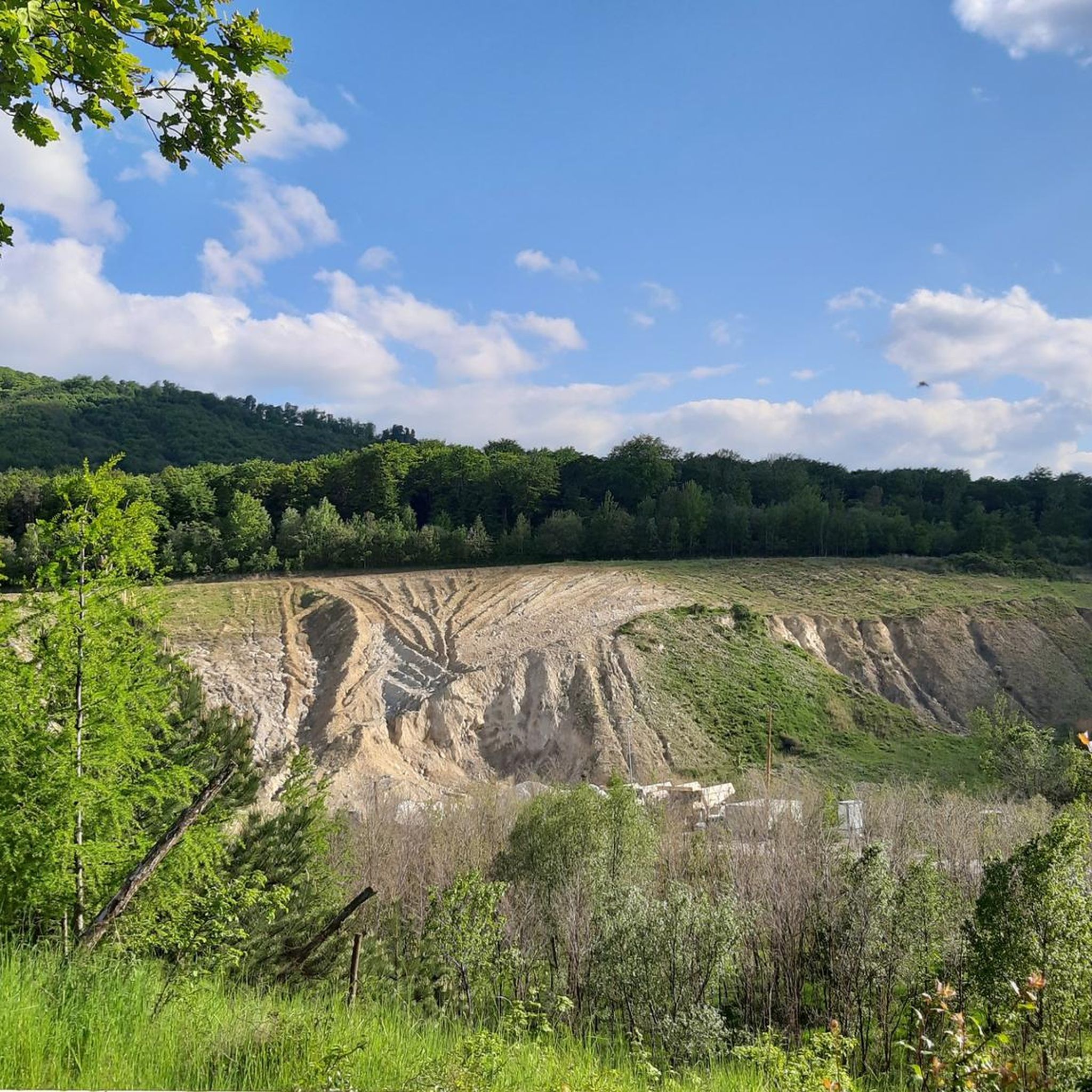
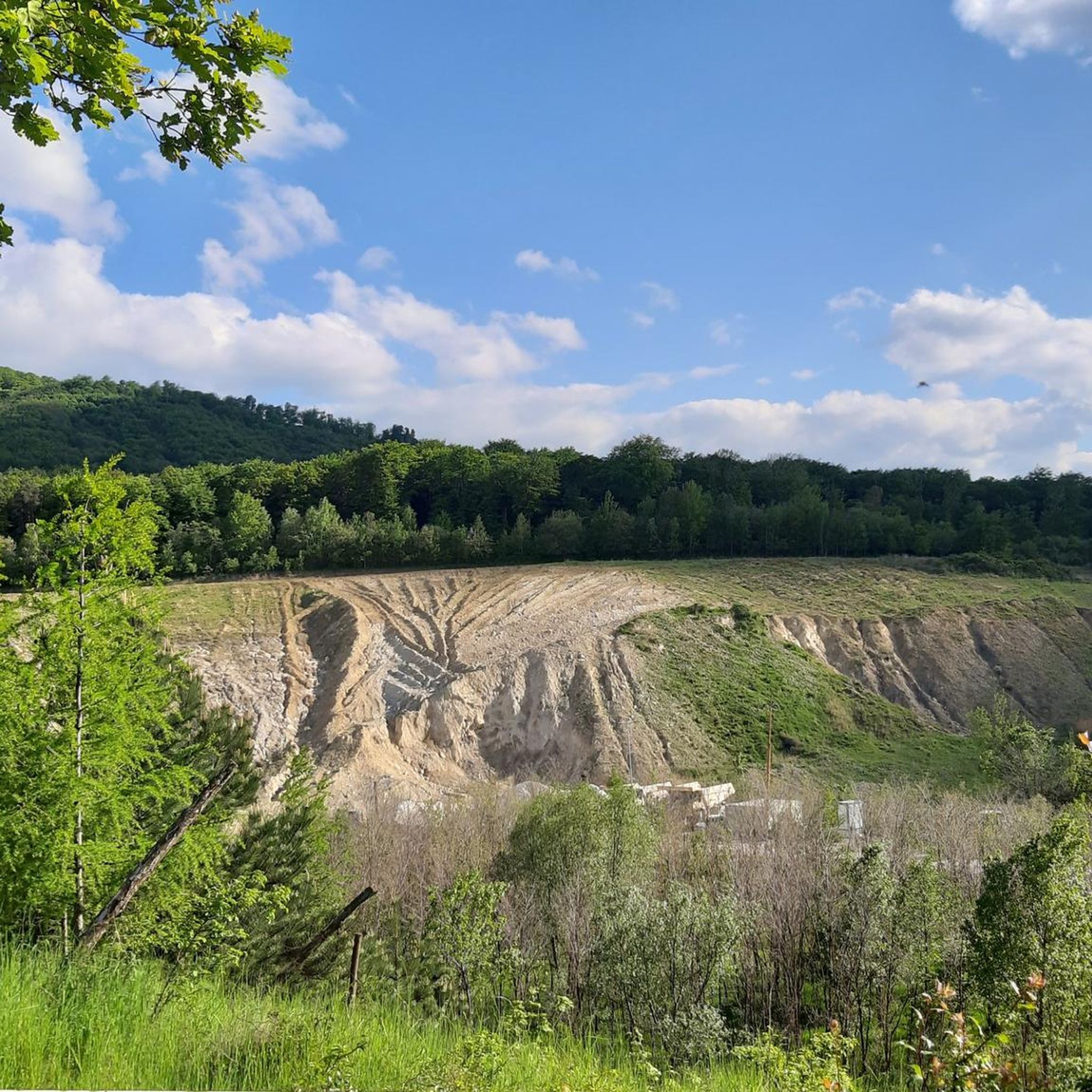
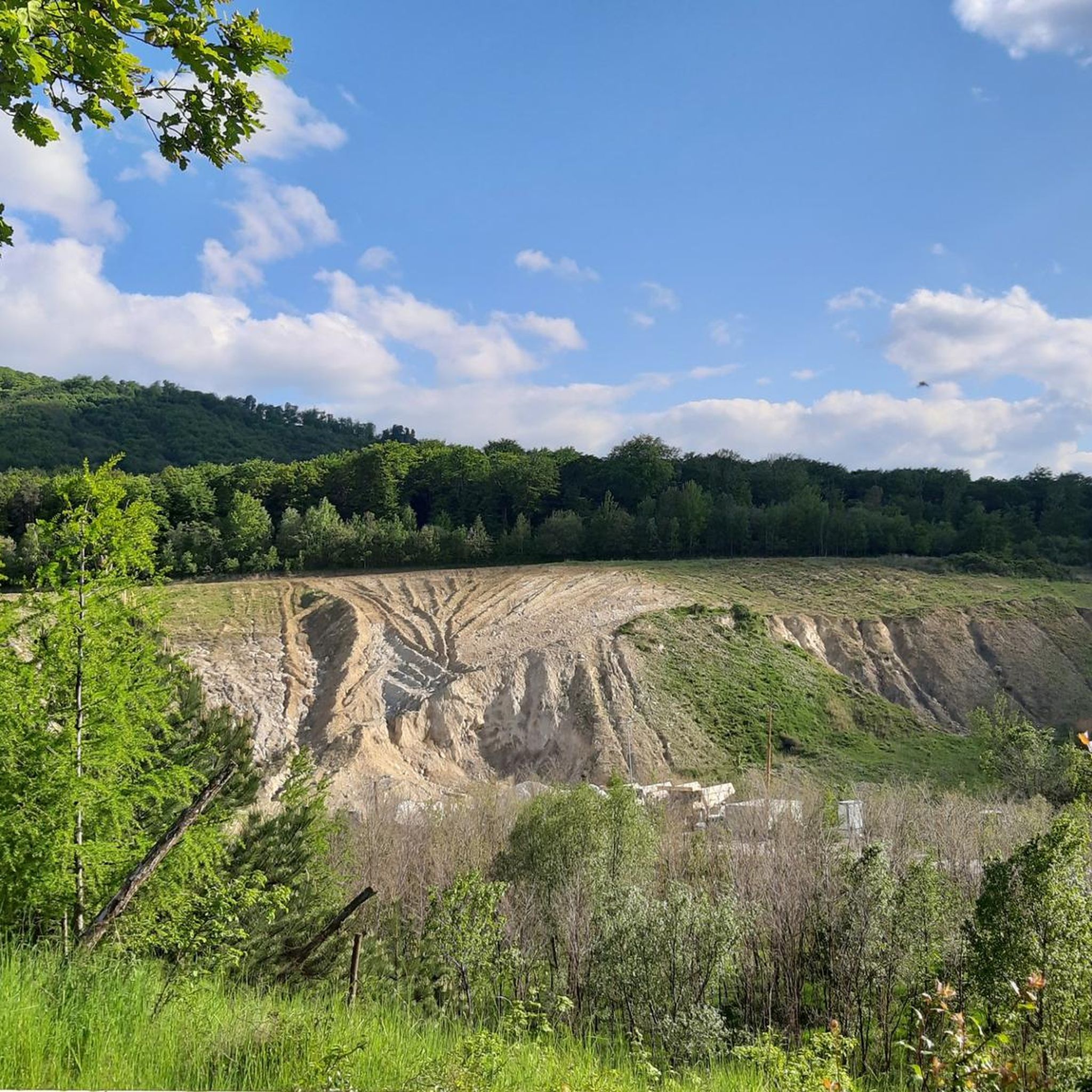
라노기엔 성은 1241/42년 타타르족의 침입 이후 현지 백작인 스베티 유르와 페지노크의 훈트-포즈나노브치 가문에 의해 건설되었습니다. 1271년에 처음 문서화된 이 성은 점차 맞은편 계곡에 있던 대모라비아 성(요새)의 정착 및 방어 기능을 인수하여 성장하는 영지의 중심지가 되었습니다. 이곳은 작은 카르파티아 산맥 시스템의 일부였습니다. 14세기에 재건축된 후, 성은 내부와 외부 부분으로 구성되었습니다. 입구는 건조한 해자를 건너는 도개교를 통해 이루어졌으며, 이 해자는 성벽과 함께 성을 둘러싸고 있었습니다. 내부 성에는 두 개의 거주 건물과 궁전 건물이 있었는데, 그중 하나는 감옥으로 사용되었습니다. 백작 가문의 거주 공간 외에도 궁전에는 선술집, 침실, 지하실, 주방, 빵집 건물이 있었습니다. 외부 성에는 물탑을 포함한 세 개의 탑이 있었습니다. 식수는 도자기 파이프 시스템과 저수지를 통해 공급되었습니다. 성에는 또한 방어벽으로 둘러싸인 성채가 있었습니다. 아치형 구조물의 잔해는 르네상스 시대의 재건축 시대로 거슬러 올라갑니다. 1609년 스베티 유르와 페지노크 백작의 후계자인 카타리나 팔피요바와 그녀의 남편 슈테판 일레샤지 남작이 영주관을 건설하면서 영지의 본거지는 영구적으로 도시로 이전되었습니다. 이로 인해 성은 원래의 기능을 잃고 점차 쇠퇴했습니다. 투르크족의 봉기 동안에는 주변 주민들에게 피난처와 임시 거처를 제공했습니다. 1663년 투르크족의 파괴적인 공격 이후 성은 완전히 폐허가 되었습니다. 2002년에 비엘리 카멘 성은 국가 문화 기념물로 선포되었습니다. 발굴지의 유물은 페지노크에 있는 카르파티아 박물관의 지부인 스베티 유르의 문학 및 지역사 박물관에서 볼 수 있습니다. 비엘리 카멘 성이 브라티슬라바에서 트르나바로 가는 중요한 무역로에 위치했다는 사실을 알고 계셨나요? 또한 스투파바와 로르노로 가는 산악 도로도 통제했습니다.
1
0
이 유적지는 현재 시민 단체의 헌신적인 자원봉사로 복원 작업이 진행 중입니다. 2021년부터 Castrum Sancti Georgii 시민 협회는 성 유적 보존을 위해 노력해 왔습니다. 자원봉사자들은 담쟁이덩굴과 무성한 나무를 제거하고, 방문객을 위한 접근로와 벤치, 안전을 위한 계단을 설치했습니다. 그들은 17 x 6.5m 크기의 인상적인 아치형 공간을 청소했습니다. 협회는 유적지에 대한 측량과 성의 3D 모델 제작을 의뢰했습니다. 이후 개별 구조물에 대한 구조 평가와 기념물에 대한 건축사적 조사가 이루어졌습니다. 개발된 복원 개념을 바탕으로 협회는 성의 가장 위험한 부분에 대한 복원을 시작했습니다. 먼저 반쯤 파괴된 지배적인 서쪽 방어탑이 복원되었습니다. 복원 진행 상황은 웹사이트 www.hradbielykamen.sk에서 확인할 수 있습니다. Castrum Sancti Georgii 시민 협회의 성 복원 작업을 자발적인 기부를 통해 지원할 수 있습니다.
1
0

다뉴브 강과 주변 지역 전체의 숨 막힐 듯한 전망을 자랑하는 브라티슬라바 위의 눈에 띄는 성입니다. 풍부한 역사와 아름다운 안뜰을 갖춘 역사적인 요새로, 산책과 탐험에 완벽합니다.
0
0

From the "UFO Bridge" you can see the castle very well.
0
0


철의 장막 희생자들을 위한 기념비입니다. 녹슨 색의 철제 조각상으로, 의도적으로 구멍 뚫린 경계 요소를 연상시키는 거칠고 각진, 개방적인 형태를 띠고 있습니다. 체코슬로바키아에서 서방으로 탈출하려다 목숨을 잃은 사람들의 이름과 날짜가 새겨져 있습니다. 이 기념비는 한때 오스트리아 중립 지대와의 삼엄한 경계선이었던 모라바 강변에 서 있습니다. 오늘날 이곳은 다뉴브 강, 데빈 성, 그리고 탁 트인 국경 지대를 조망할 수 있는 작은 추모 구역의 일부가 되었습니다. 이곳은 절제된 디자인과 거친 소재를 통해 분단의 아픔을 시각화하고, 동시에 자유를 향한 희망을 기리는 조용한 추모의 장소입니다.
1
0

The Primate's Palace, built at the beginning of the 19th century in the neoclassical style, captivates with its delicate pink façade and the elegant columns at the main entrance. Inside, the magnificent Hall of Mirrors impresses, reflecting eight enormous tapestries depicting scenes from Hungarian history. A stroll through the tranquil courtyard and manicured gardens invites you to take a breather before continuing on to the neighboring Jesuitengasse and into the winding alleys of the Old Town. The palace is not only architecturally remarkable, but also a site of historical significance: It was here that Napoleon signed the Peace of Pressburg after his coronation in 1805.
2
0

The terrace in front of the castle's main building offers a beautiful view of the city and the Danube. But the area around the castle walls also offers several vantage points.
10
0
브라티슬라바에서 가장 인기 있는 명소


찾고 계신 것을 찾지 못하셨나요?
브라티슬라바의 최고의 성을 지역별로 탐험해보세요:
