공중제비에서 가장 멋진 14개의 동굴
성을 방문하는 건 언제나 특별한 일이에요. 하이킹을 하다가 잠깐 들를 때도, 가이드를 따라 제대로 둘러볼 때도 말이죠. 공중제비에 있는 아름다운 성 14
곳을 아래에서 살펴본 후에 마음에 드는 성을 다음 모험 때 만나보세요!
마지막 업데이트: 8월 30, 2026


이런 장소를 발견하려면 지금 가입하세요
최고의 싱글 트랙, 봉우리 및 다양한 흥미로운 야외 장소에 대한 추천을 받아보세요.
무료 회원 가입
캐슬 네로치 철기 시대 언덕 요새
하이라이트 • 성
팁에 의해

Farleigh Hungerford 성
하이라이트 • 성
팁에 의해

Birnbeck 요새 유적지
하이라이트 • 전망대
팁에 의해
Taunton Castle
하이라이트 • 역사적 장소
팁에 의해

배츠 캐슬 철기 시대 언덕 요새
하이라이트 • 역사적 장소
팁에 의해
비숍스 팰리스, 웰스
하이라이트 • 역사적 장소
팁에 의해

Farleigh Hungerford 성
하이라이트 • 성
팁에 의해

무료로 가입하여 공중제비의 더 많은 성을 발견하세요.
무료 회원 가입
이미 komoot 계정이 있나요?
오늘 무료 계정으로 시작하세요
다음 모험이 기다리고 있어요.
로그인 또는 가입하기
공중제비 주변 인기 장소
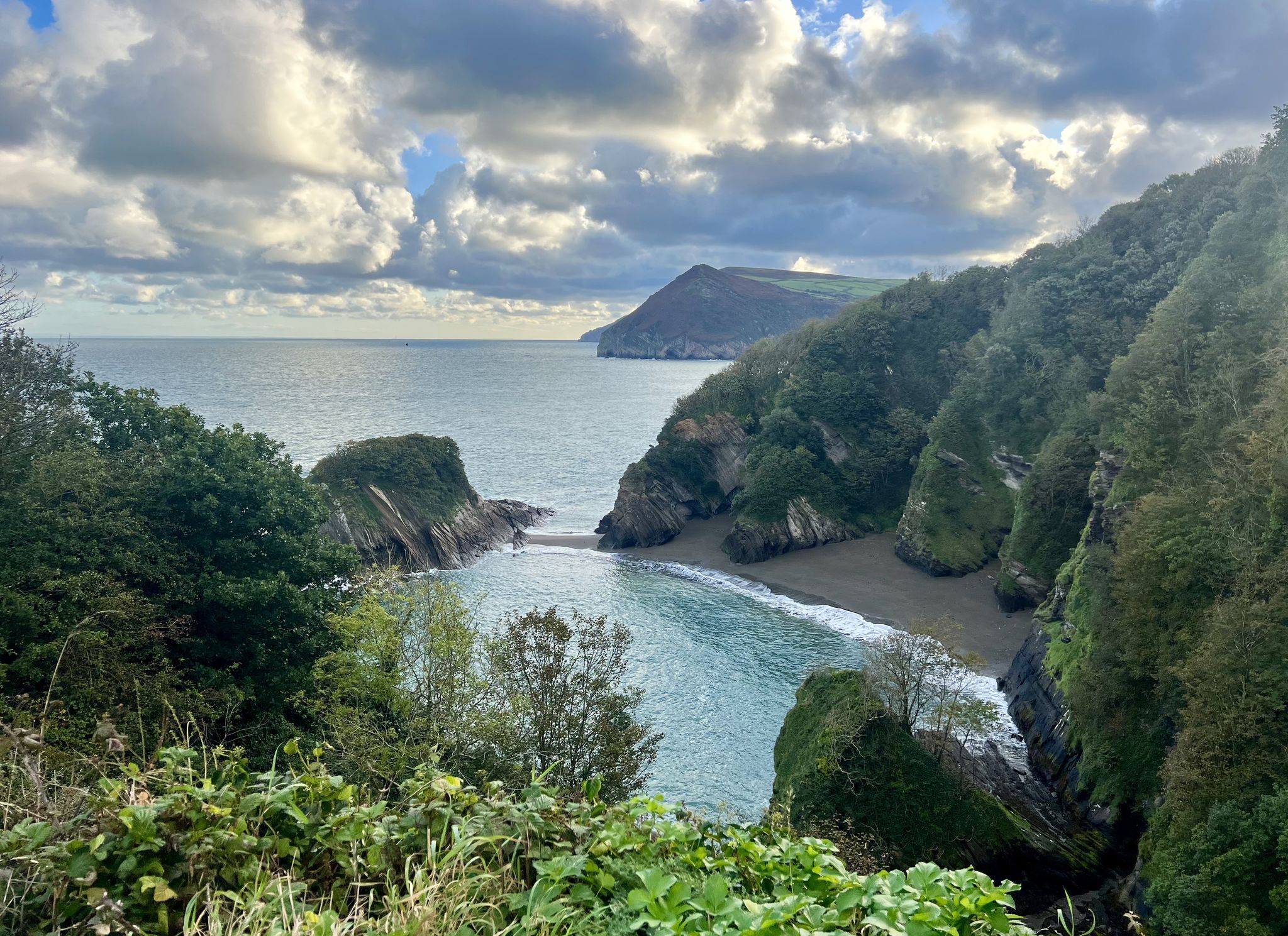
공원을 걷다 - 익스무어 국가공원을 교차하며
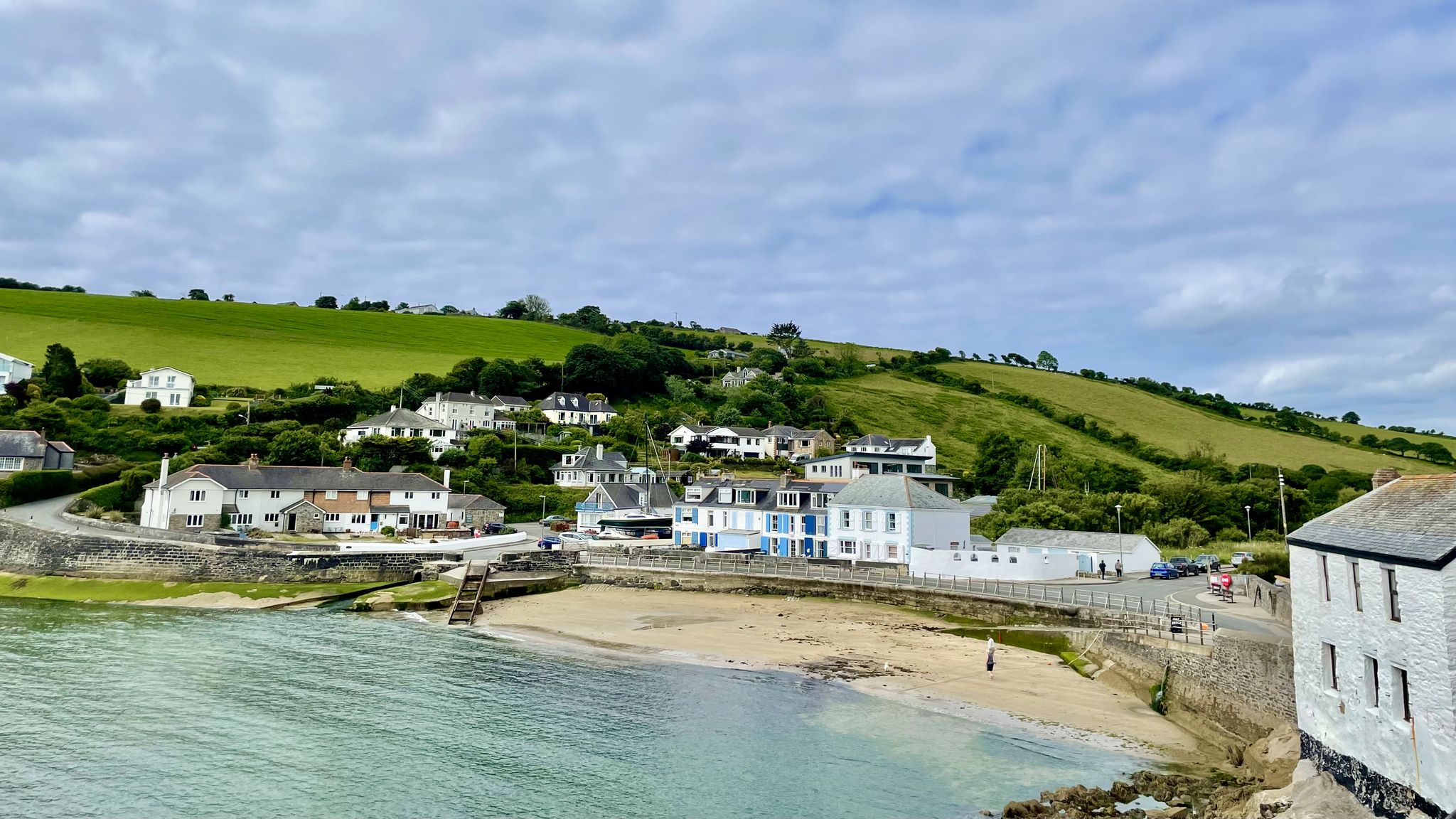
랜드 엔드에서 브리스톨로 — 국가 자전거 네트워크 경로 3
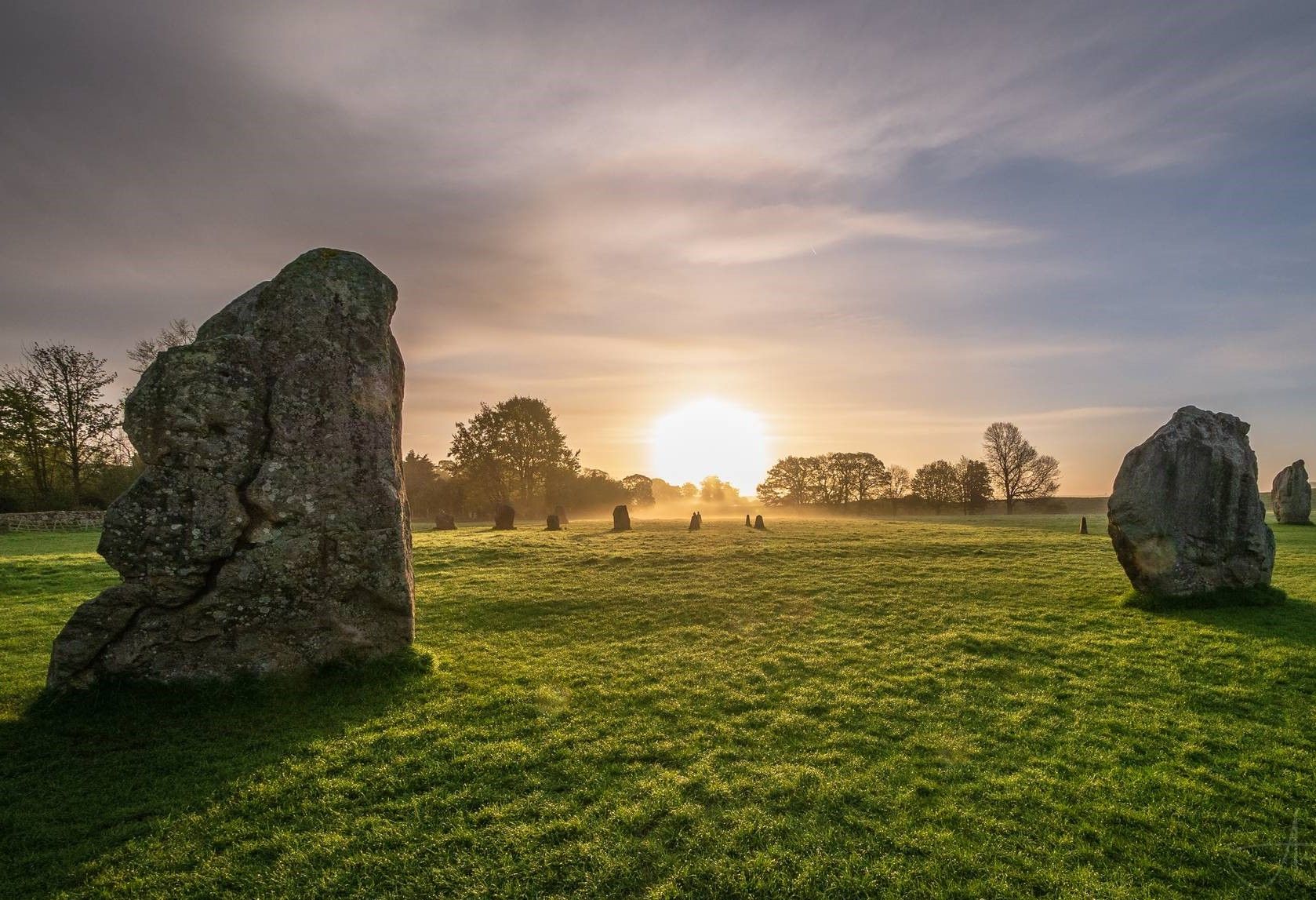
전설적인 선교 여정을 통해 원시 시대와 야생의 아름다움 - Celtic Way
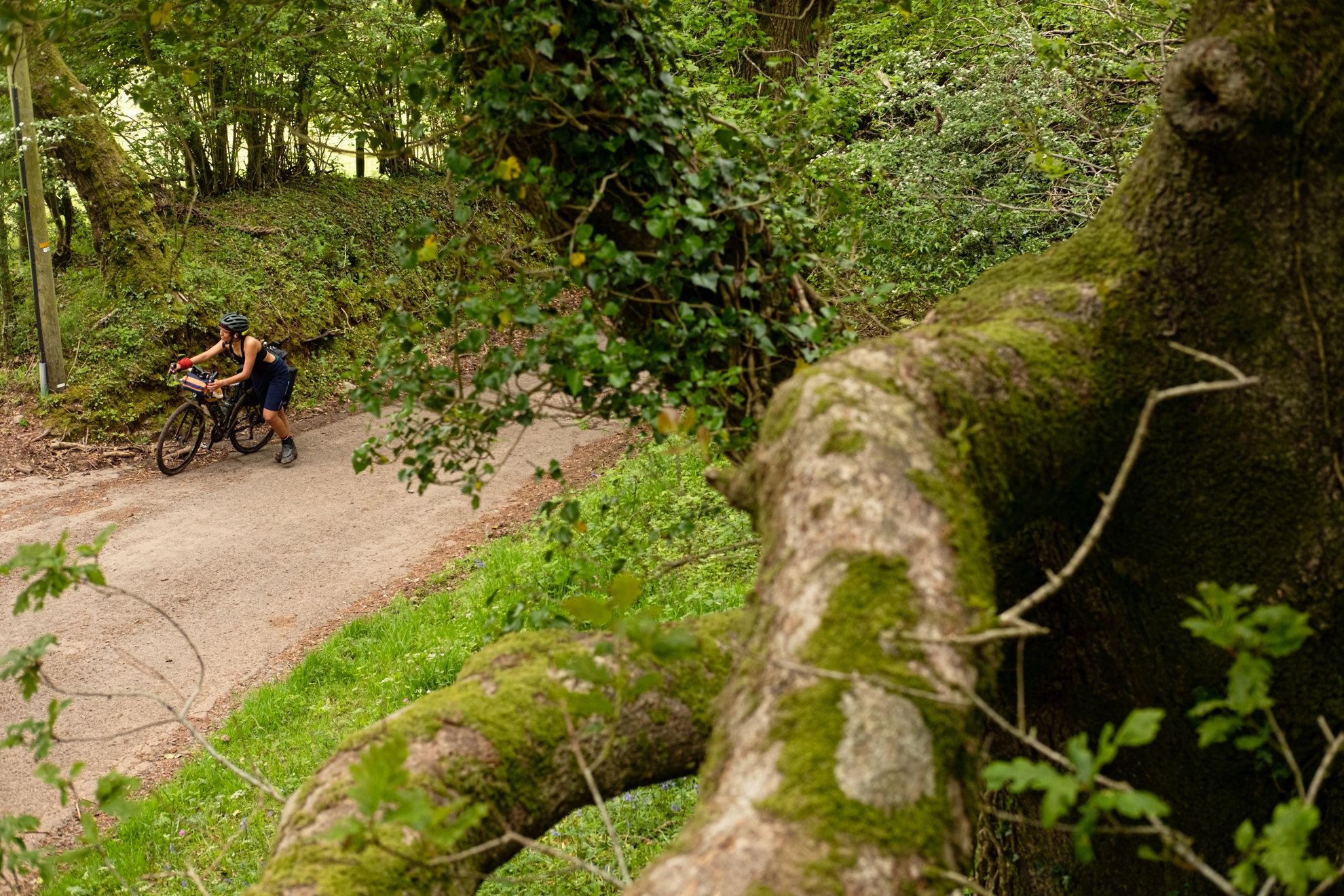
방황하다 — 자전거를 타고 남서부의 최고를 탐험하다
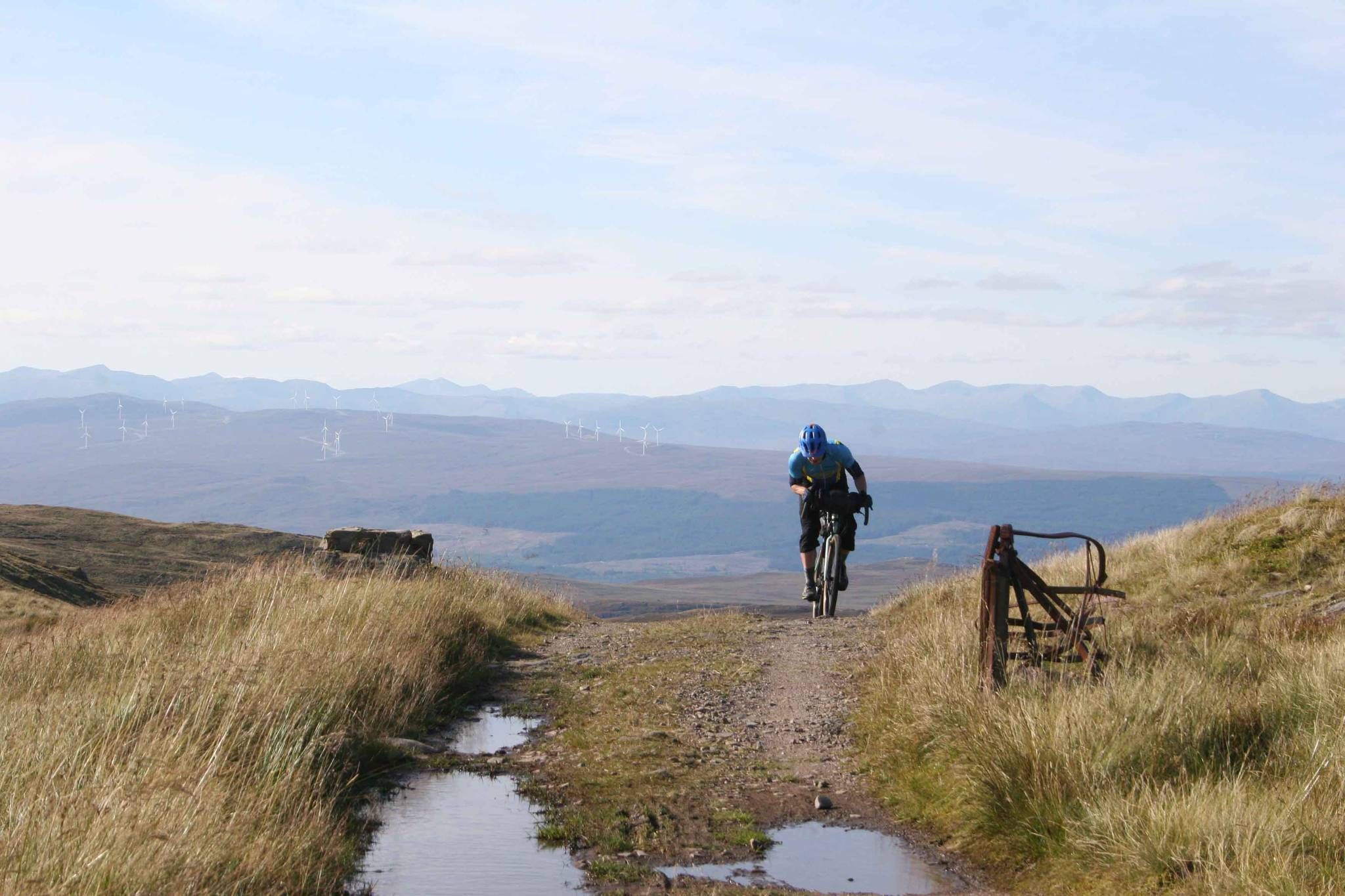
GBDURO - 대리스타일 일력 아니다 일제목록 GB 작동
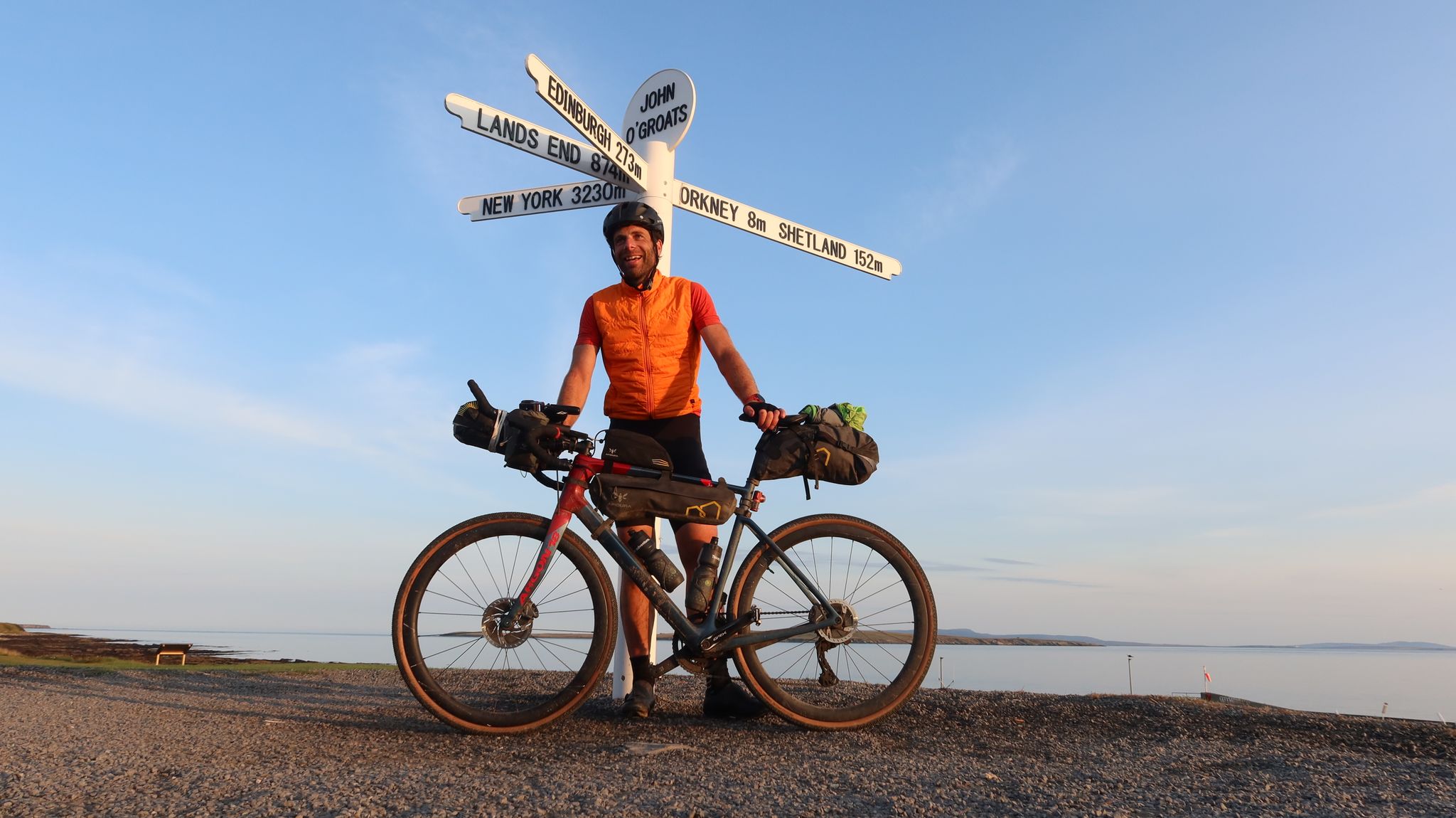
랜드스 엔드에서 존 오그로츠까지 그래벌 레이싱 — GBDURO 2021
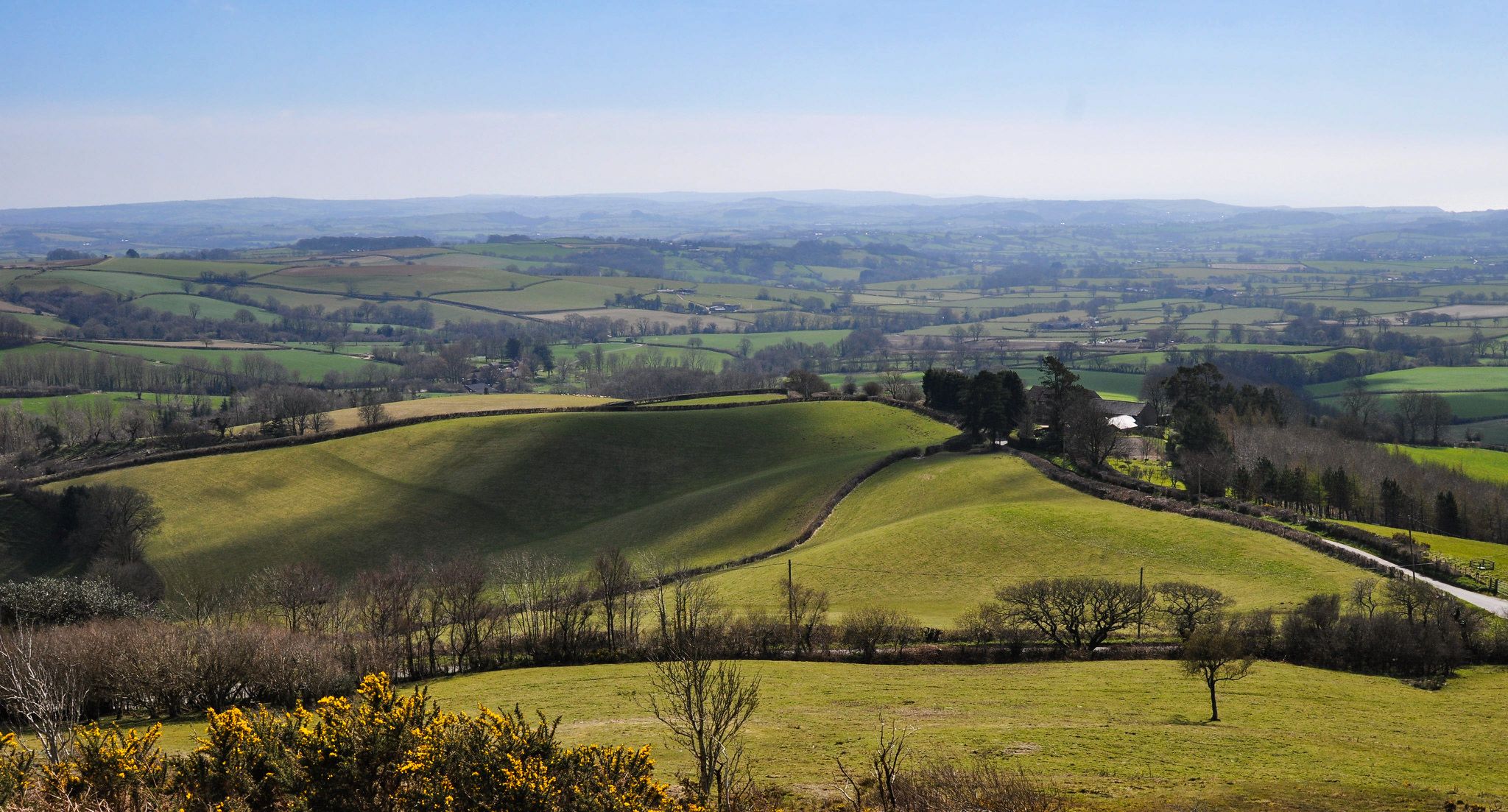
남영국 왕의 자취를 따라 — 오렌지 길 하이킹
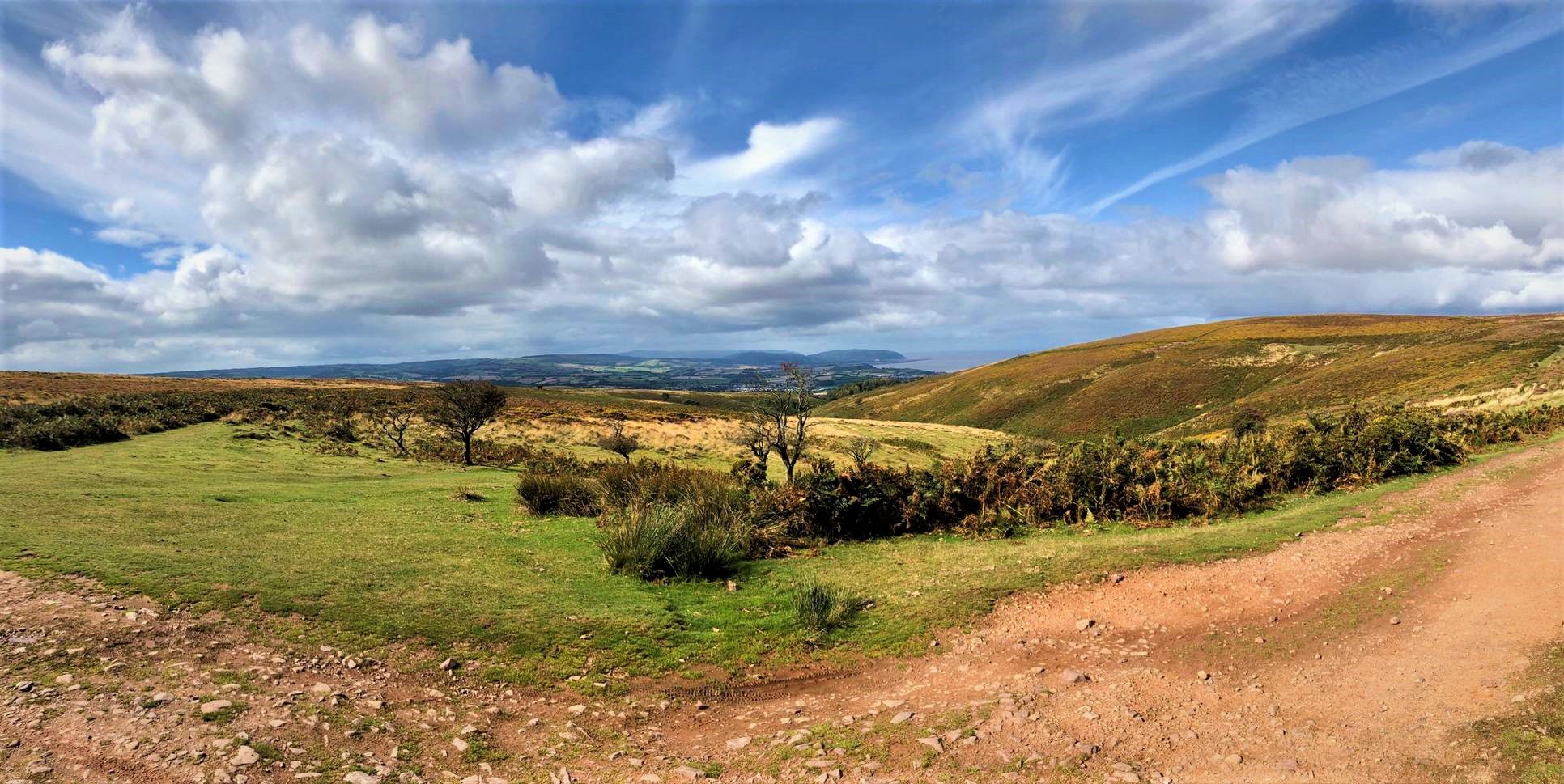
란티크 시와 엑스무어의 로맨틱 시인 콜리지의 궁극의 하이킹
영국의 최장 내륙 트레일을 정복하세요 — Monarch’s Way: 파트 3
영국의 최장 내륙 트레일을 정복하세요 — Monarch’s Way: 파트 2
공중제비의 다른 모험


커뮤니티 팁


Brean Down Fort was a Victorian naval fortification designed to protect the Bristol Channel. It was built 60 feet (18 m) above sea level on the headland at Brean Down, 9 miles (14 km) south of Weston-super-Mare, Somerset, England. Wikipedia.
0
0

I don’t usually like audio guides but this was really well done. Interesting castle history, but also the characters and stories. And the chapel at the end is an excellent finale. I spent almost an hour here. No cafe but you can get tea/coffee/ ice cream. A good stop!
0
0

Great walk out steady climb to start with but then level ish all the way
1
0

Great view looking back towards Weston, a site of some historical significance and a bracing walk😀
3
0

This picturesque moated medieval castle was built in the 1370s by Sir John de la Mare. It's heavily influenced by French design and features a compact layout with four round corner towers and thick defensice walls.
2
0

About the patronage of this church: Saint ANDREW is one of the twelve apostles that Jesus Christ called to follow him. However, in the biblical accounts he is usually somewhat overshadowed by his much more famous brother: Saint Peter. In the Gospels we find the calling of the two siblings presented in different ways. According to the text of the Gospel of John (John 1:40-42), Andrew is called first (together with another disciple whose name is not mentioned). Later he tells his brother that he has found the Messiah. The feast of Saint Andrew in the calendar of saints is on November 30th in all major Christian denominations. The X-shaped white "St. Andrew's Cross" on which he was executed forms the national flag of Scotland against a blue background and has also found its way into the national flag of the United Kingdom of Great Britain.
2
1

Norman castle The earthworks at the site are larger than would normally be found in a castle from the Norman period, raising speculation that it reused previously developed features. The castle was probably built by Robert, Count of Mortain in the 11th century. Archaeological evidence suggests it was built in several stages. During the first a rampart enclosing 7.5 acres (3.0 ha) was built. Soon after the Norman Conquest a smaller inner ringwork was constructed. The site was later converted into a motte and bailey, with a corner of the 20 feet (6.1 m) high motte serving as a barbican. By the early 12th century the castle was no longer in regular use. However, its use was resumed during The Anarchy, a period of civil war and unsettled government during a succession dispute between the supporters of King Stephen (1135–1154) and those of his cousin, the Empress Matilda. Continued use in the later 12th century may have been by administrators of the surrounding royal forest as a base for operations against poachers.
2
1


더 살펴보기
다른 곳에서 최고의 성을 찾고 계신가요? 다른 가이드를 발견해보세요 공중제비:
