20의 파르누가지 명소 & 주요 장소
파르누에는 둘러볼 만한 장소가 많답니다. 하이킹 또는 사이클링을 좋아한다면 파르누에 숨겨진 20
가지 보석을 만날 수 있을 거예요. 이 지역의 주요 명소를 살펴보면서 다음 모험을 계획해보세요.
마지막 업데이트: 10월 23, 2026

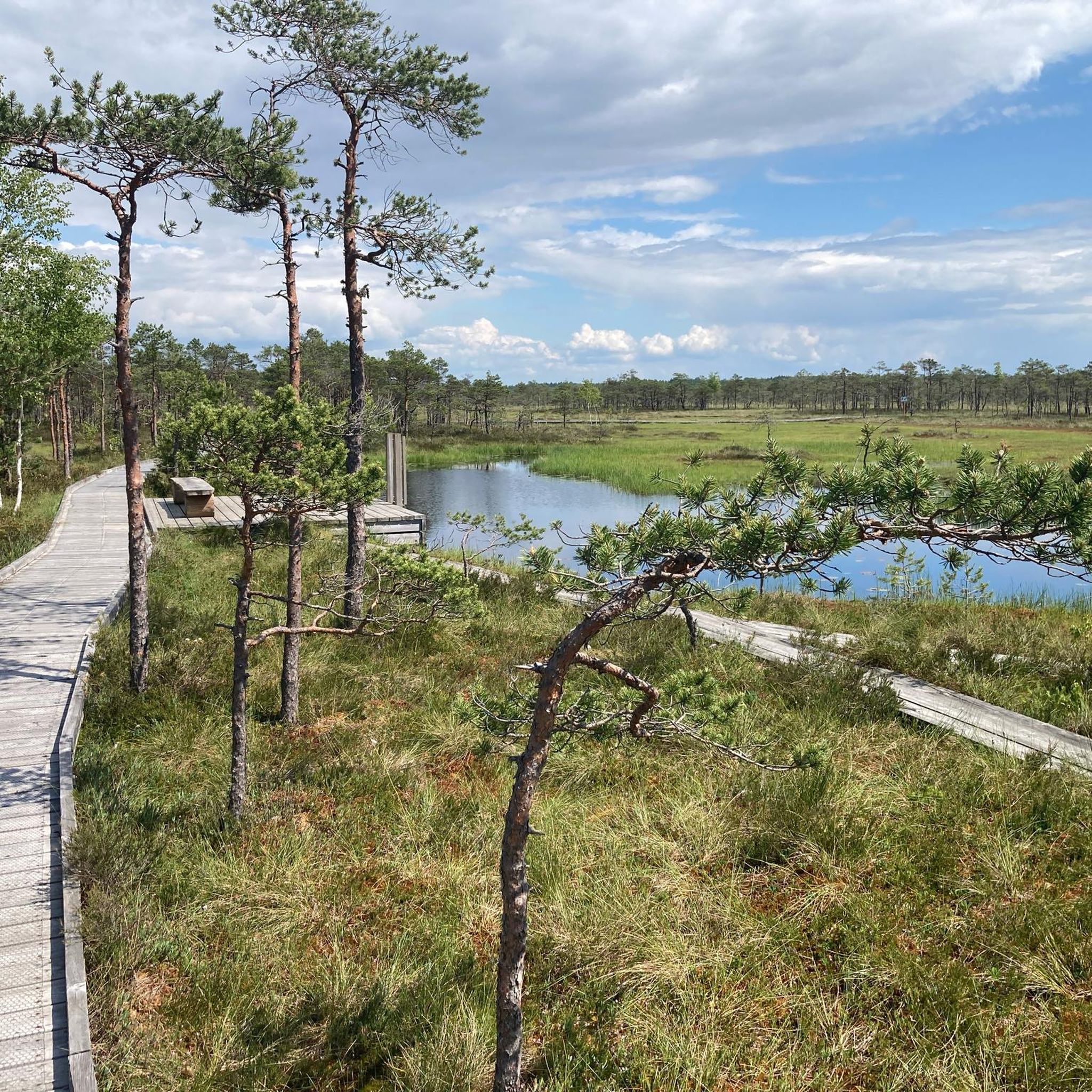
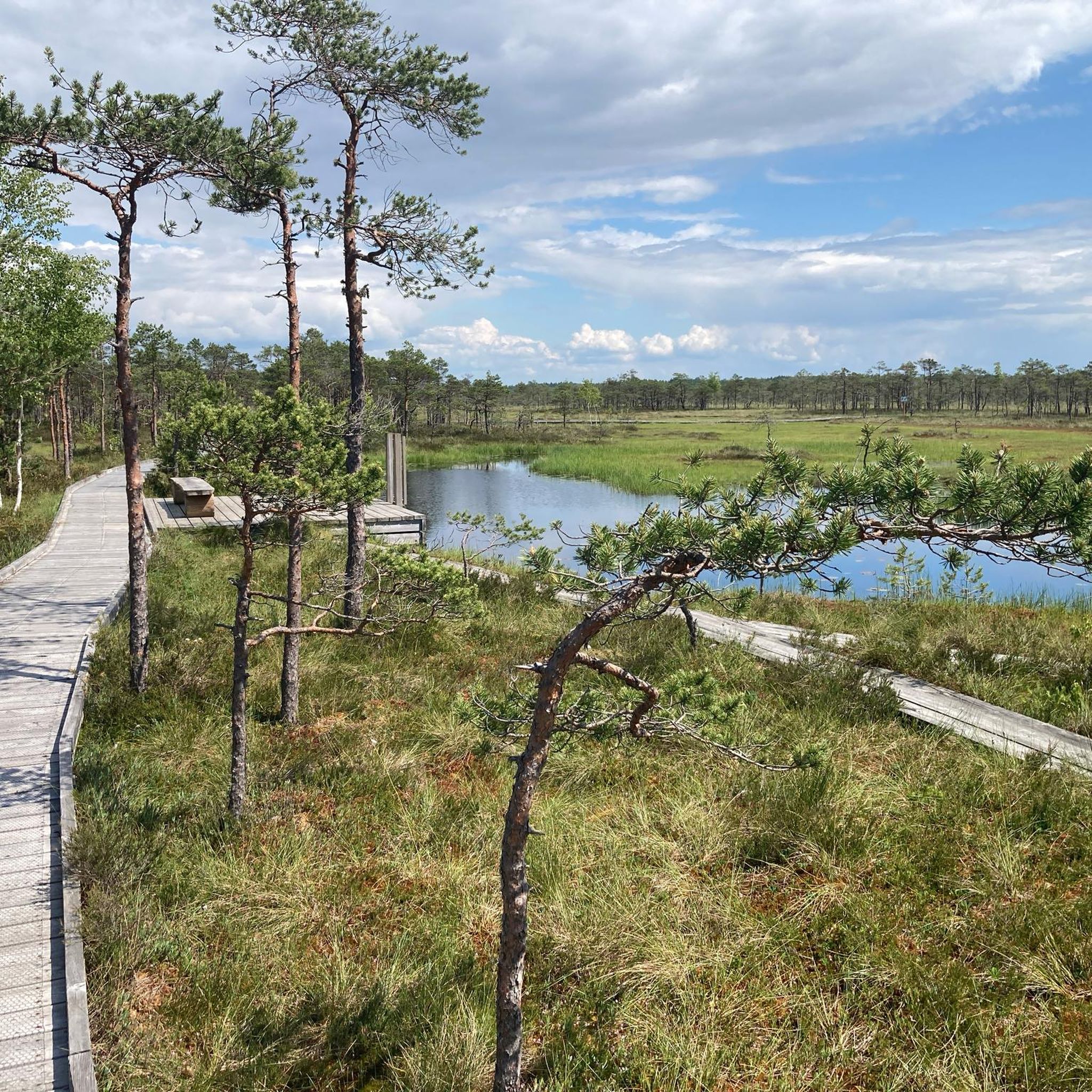
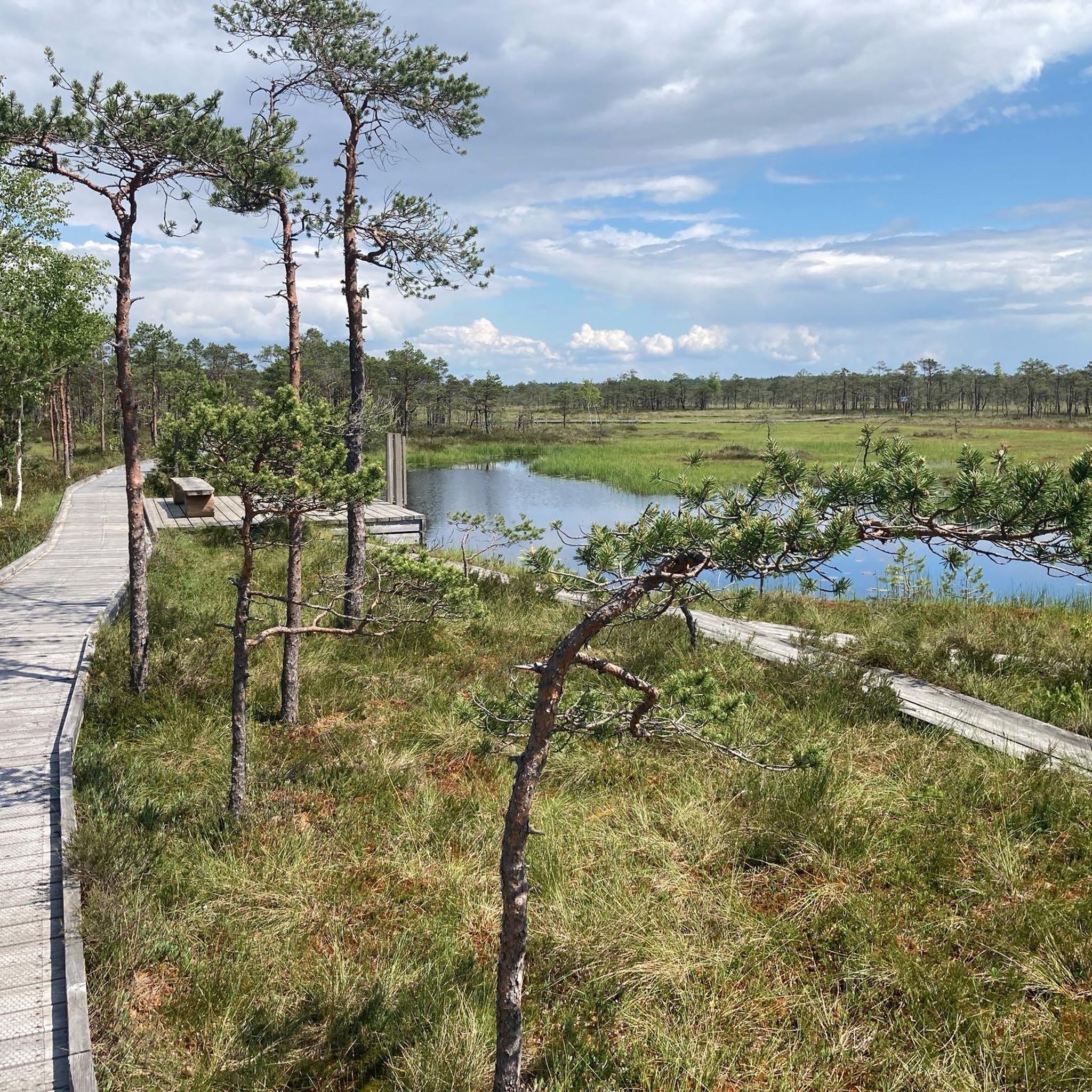
수오마 국립공원의 이탄 웅덩이
하이라이트 • 호수
번역자 Google •
팁에 의해

이런 장소를 발견하려면 지금 가입하세요
최고의 싱글 트랙, 봉우리 및 다양한 흥미로운 야외 장소에 대한 추천을 받아보세요.

페르누 보행자 거리
하이라이트 • 정착지
번역자 Google •
팁에 의해

성 카타리나 정교회 (페르누)
하이라이트 • 종교적 장소
번역자 Google •
팁에 의해
페르누 탈린 게이트
하이라이트 • 기념물
번역자 Google •
팁에 의해

페르누의 역사적인 목조 주택
하이라이트 • 역사적 장소
번역자 Google •
팁에 의해

리사 보드워크와 전망대
하이라이트 • 트레일
번역자 Google •
팁에 의해
성 미카엘 교회, 헤데메에스테
하이라이트 • 종교적 장소
번역자 Google •
팁에 의해

무료로 가입하여 파르누의 더 많은 명소를 발견하세요.
이미 komoot 계정이 있나요?
오늘 무료 계정으로 시작하세요
다음 모험이 기다리고 있어요.
파르누 주변 인기 장소
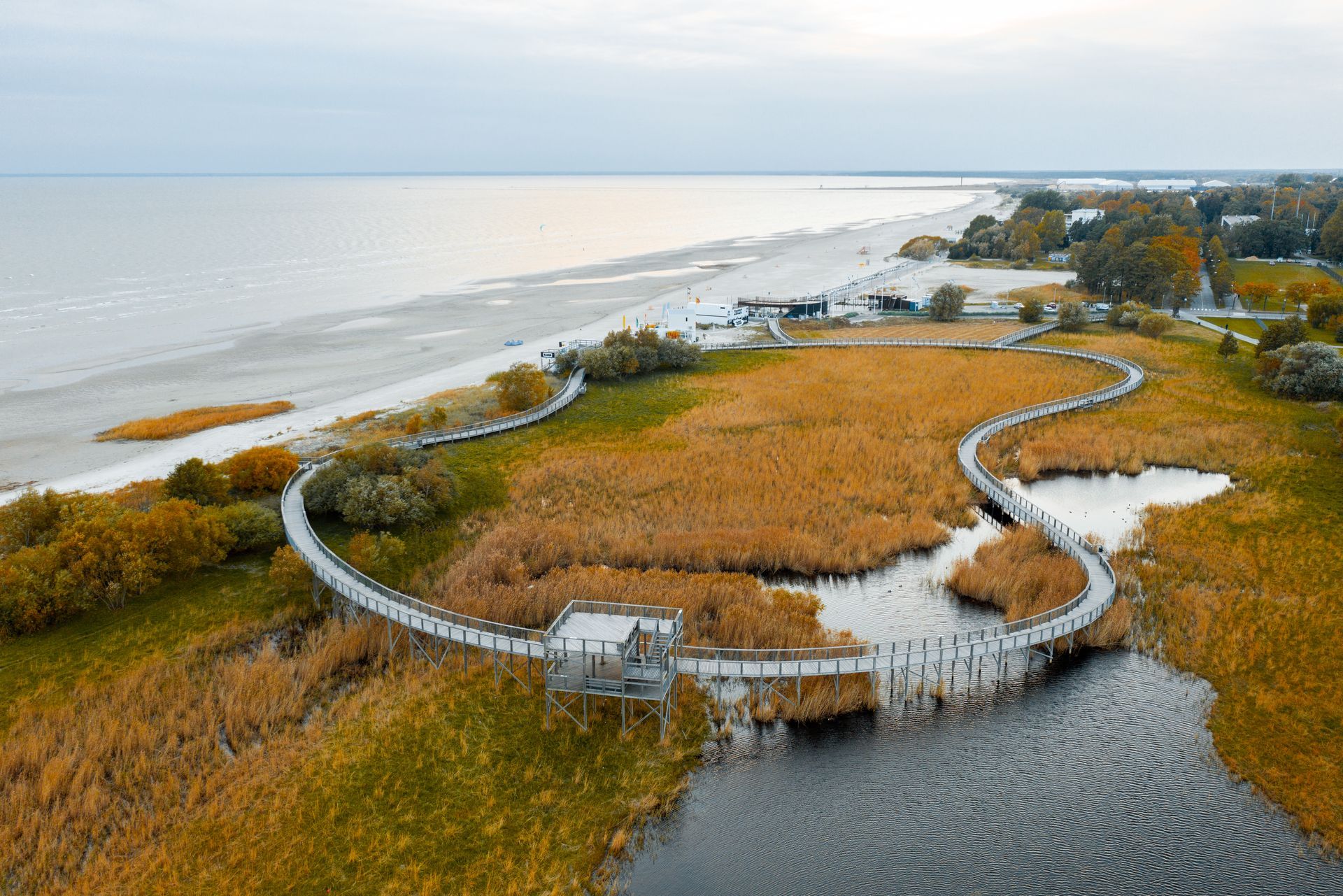
National Cycling Routes of Pärnumaa – Forest Trails, River Valleys and Coastal Roads of Western Estonia
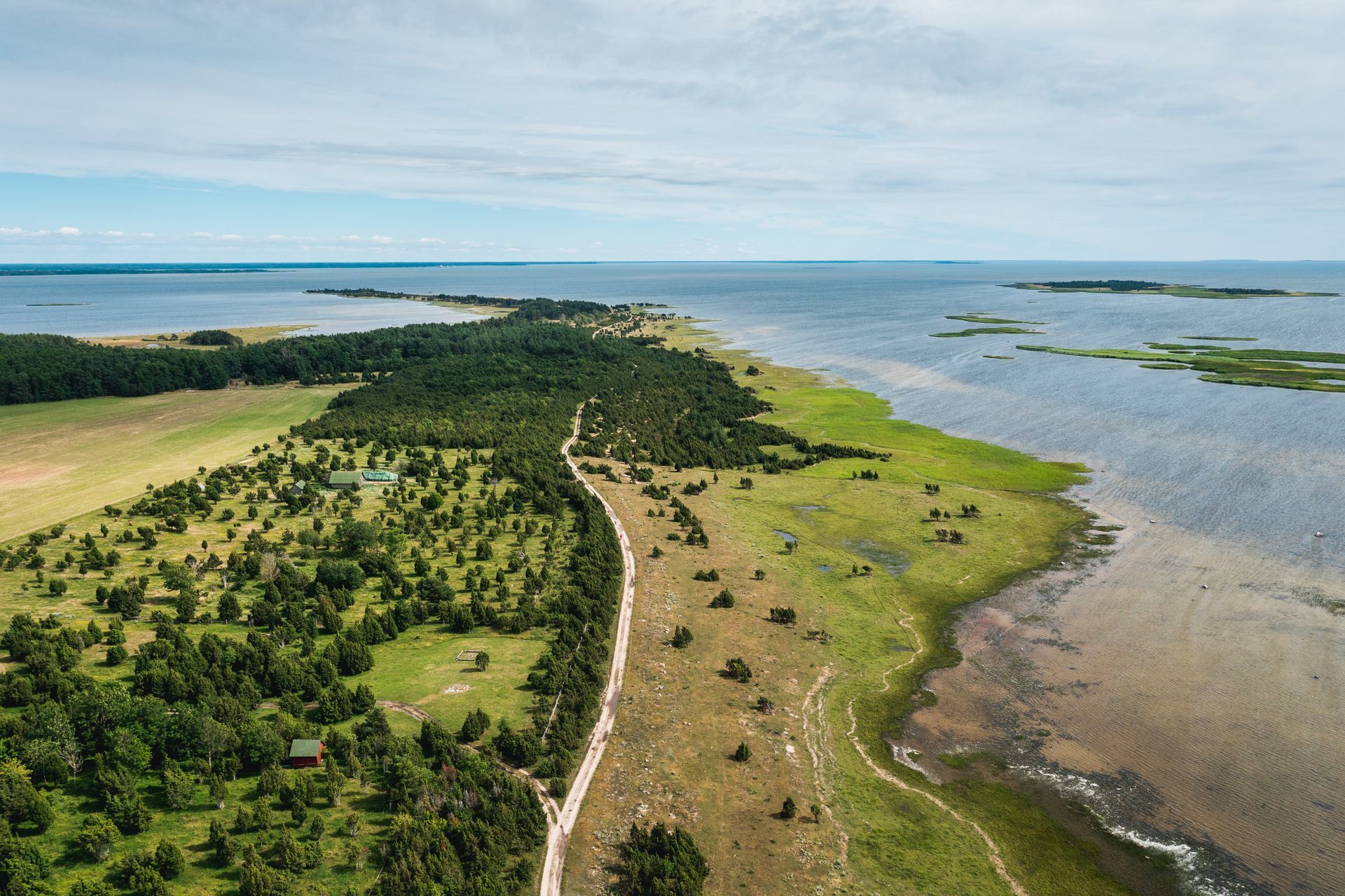
Best of national cycling routes of Estonian Islands
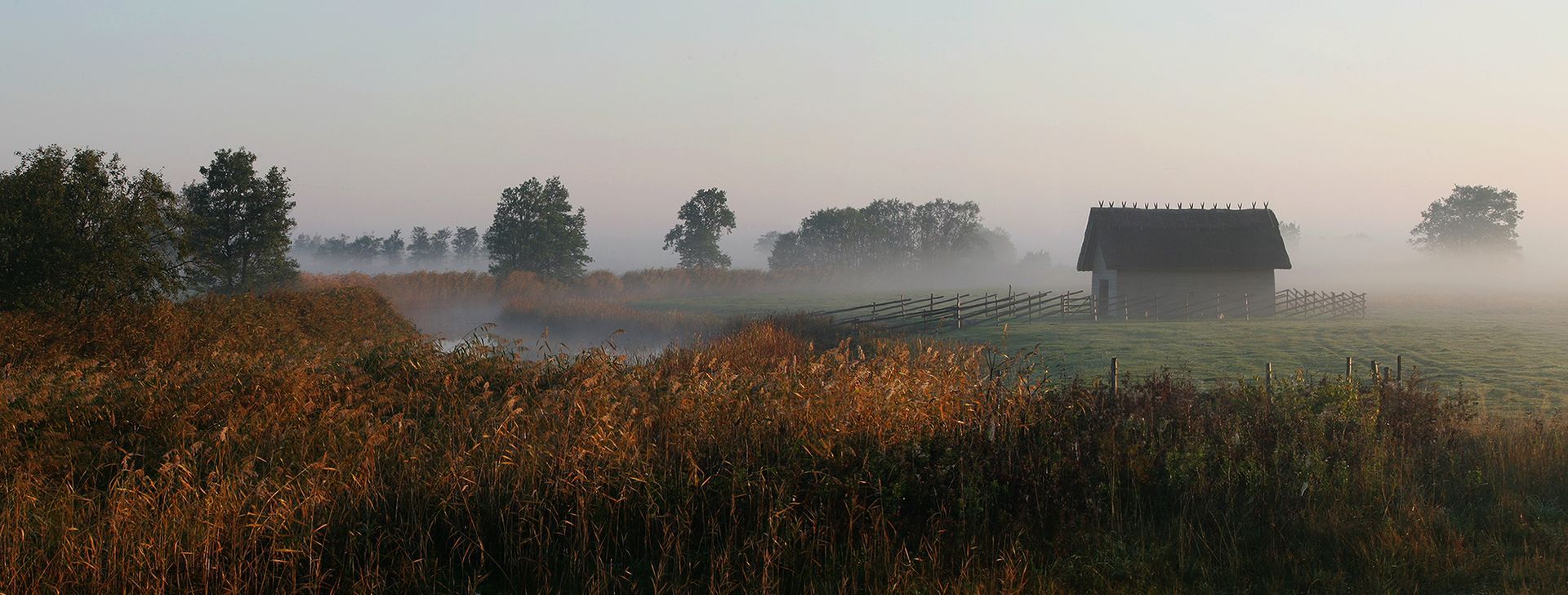
Best Cycling Routes in Western Estonia and Matsalu National Park – Coastal Nature, Wetlands & Nordic Heritage
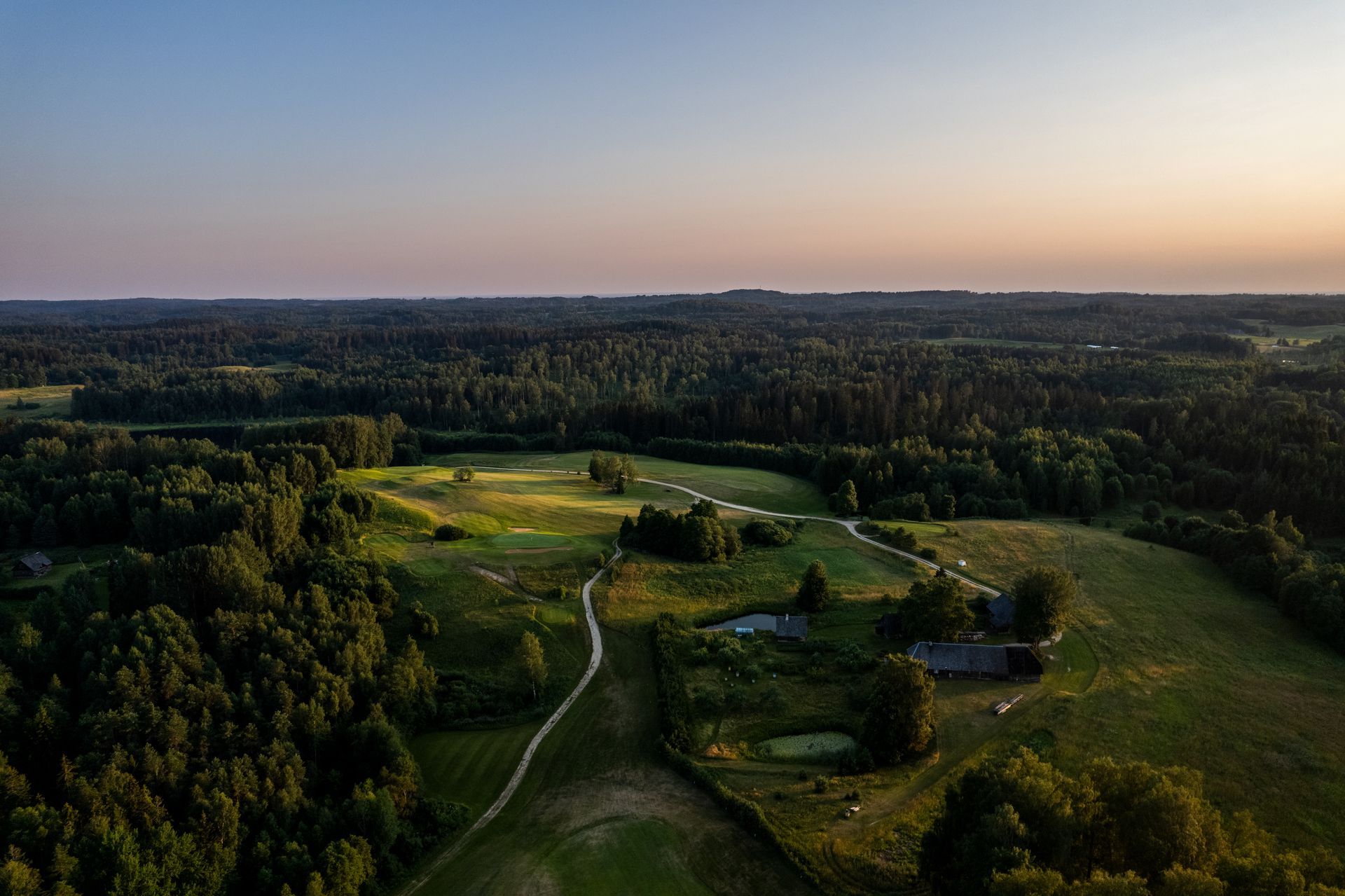
Best of National Cycling Routes in South Estonia
Best National Cycling Routes in Central Estonia and Rapla County (Raplamaa)
파르누 러닝 트레일
파르누 하이킹
파르누 사이클링
파르누 로드 사이클링 경로
파르누 MTB 트레일
파르누의 다른 모험

커뮤니티 팁


This pedestrian zone was anything but busy. Perhaps it was the time of year? Many houses were abandoned or surrounded by construction fences. There were a few nice shops, but it seemed as if they had replaced this pedestrian zone with a nicer and newer one a few streets further toward the river.
6
0
St. Catherine's Church, completed in 1768, is the most authentic and magnificent Baroque church in Estonia. The design of the facade is typical of the Baroque style. It is in relief and consists of several parts, the slender tips of the tower roofs give the building lightness and solemnity. Since the church was built a century earlier than most Orthodox churches, it differs in its architecture and at the same time influenced the development of Orthodox church architecture throughout the Baltics. Interesting to know: St. Catherine's Church in Pärnu was built on the instigation of the Russian Tsarina Catherine II and was also financed by her. The Russian community of Pärnu is still active in the church today.
7
0

Pärnu's classic wooden houses are more than just pretty facades - they are living testaments to the city's history. Many of these buildings date from the 18th and 19th centuries, when Pärnu flourished as a major port and spa town. Their architecture reflects the influence of the Hanseatic period and Scandinavian styles, which have long played a major role in Baltic architecture. These wooden houses survived wars, occupations and even the Soviet era, when many historic buildings were left to decay. Thanks to careful restorations in recent decades, they now shine in their former glory and testament to the city's resilience. The restored timber-framed buildings and ornamentation are not only decorative, but also express the traditional crafts that have been cultivated here for generations. As you stroll through the streets, you feel the connection to the past. It's easy to imagine how merchants and craftsmen once conducted their business here as carriages rolled over the cobblestones. Today, history mixes with modern life, and the wooden houses provide an atmospheric backdrop for the small cafes, boutiques and galleries that are housed within them.
1
0
구 파르누 시청은 노란색 외관뿐만 아니라 섬세한 장식이 돋보이는 웅장한 현관문 때문에 즉시 눈길을 사로잡습니다. 좁은 골목길을 거닐다 보면 시간이 이곳에서는 조금 더 천천히 흐르는 듯한 느낌을 받습니다. 우아한 기둥 현관을 지나며 과거 이곳에서 도시의 업무가 어떻게 처리되었을지 상상하면 역사의 숨결을 느낄 수 있습니다. 이 건물은 18세기부터 도시 생활의 중심지 역할을 해왔으며 많은 변화를 겪었습니다. 오늘날에는 도시의 예술 정신을 반영하는 갤러리가 자리하고 있습니다. 역사적인 가로등과 예술적으로 조각된 목공예품을 자세히 감상하기 위해 잠시 들를 가치가 있습니다. 주변 지역은 현대화되었지만, 시청은 고전적인 매력을 유지하고 있으며, 주변의 자갈길에는 잠시 머물고 싶게 만드는 작은 카페들이 있습니다.
1
0
Pärnu's pedestrian zone, with its colorful house facades and old cobblestone streets, invites you to take a relaxing stroll. The mix of lovingly restored buildings and small shops creates a pleasant atmosphere that stands out clearly from the modern shopping streets. Strolling here, you might easily get the impression that time has stood still – partly due to Pärnu's rich heritage, which can still be felt today in the small details of the streets and alleys. The proximity to the narrow-gauge railway monument, which commemorates the historic Valga–Ruhja–Pärnu railway, is interesting. This railway line, opened over a century ago, not only brought economic prosperity but also shaped the cityscape. Today, the old train is an eye-catcher and highlights the importance of rail for the region. Here, history meets the present, and the walk becomes a short journey back in time. It's worth taking a break in one of the cafés or small shops along the street and soaking up the lively atmosphere.
1
0
The Russian Orthodox Church in Pärnu exudes a quiet elegance that immediately catches the eye. With its green onion domes and bright facades, it blends gently into the cityscape without being obtrusive. The typical Russian domes give the building a characteristic silhouette that you can recognize from afar. As you approach the old town through the small streets, you will notice how the church flashes out between the houses. It is a place that breathes history - from the time when Pärnu was still part of the Tsarist Empire to today. The quiet atmosphere around the church invites you to linger for a moment to explore the architectural details or simply enjoy a moment of silence. The surrounding buildings in the typical wooden house style of the region are a reminder that different eras and cultures meet here.
2
0
The city gate is a striking relic from the days when Pärnu was surrounded by massive fortifications. Built in the 17th century, it was part of the Swedish bastion fortifications that were designed to protect the city from enemies. Today, the gate stands like a silent sentinel, telling of the old days when soldiers stood guard here and merchants walked the cobbled streets with their goods. As you pass through the gate, you can feel history beneath your feet, while the imposing arches take you back in time. Right next to the old moat that once served as a defensive structure, you have the opportunity to pause and trace the traces of the past - a striking contrast to the modern city that stretches beyond the walls.
0
0


