쉬운 바트 로텐펠데 주변 하이킹 및 워킹 코스
4.5
(13163)
46,935
등산객
135
하이킹
도보로 바트 로텐펠데 주변을 탐험하며 자연과 하나 되는 경이로운 경험을 해보세요. 모험을 온전히 즐길 수 있도록 쉬운 난이도로 엄선한 바트 로텐펠데 주변 최고의 하이킹과 워킹 경로를 살펴보세요. 가벼운 하이킹, 자녀와 함께하는 탐험, 가족이 함께하기 좋은 야외 활동을 위한 완벽한 선택. 모두를 위한 경로가 준비되어 있답니다.
마지막 업데이트: 10월 17, 2026
4.5
(153)
562
등산객
6.00km
01:40
110m
110m
초급용 하이킹. 모든 체력 수준에 적합. 실력과 관계없이 누구나 쉽게 갈 수 있는 길.
4.6
(95)
329
등산객
5.39km
01:30
90m
90m
초급용 하이킹. 모든 체력 수준에 적합. 실력과 관계없이 누구나 쉽게 갈 수 있는 길.

4.3
(45)
393
등산객
초급용 하이킹. 모든 체력 수준에 적합. 실력과 관계없이 누구나 쉽게 갈 수 있는 길.
4.3
(45)
147
등산객
4.09km
01:08
70m
70m
초급용 하이킹. 모든 체력 수준에 적합. 실력과 관계없이 누구나 쉽게 갈 수 있는 길.
4.3
(16)
72
등산객
4.03km
01:02
20m
20m
초급용 하이킹. 모든 체력 수준에 적합. 실력과 관계없이 누구나 쉽게 갈 수 있는 길.
더 다양한 경로와 다른 탐험가들의 추천을 살펴보세요.
이미 komoot 계정이 있나요?
투어 추천은 다른 사람들이 komoot에서 완료한 수천 개의 활동을 바탕으로 구성되어 있습니다.
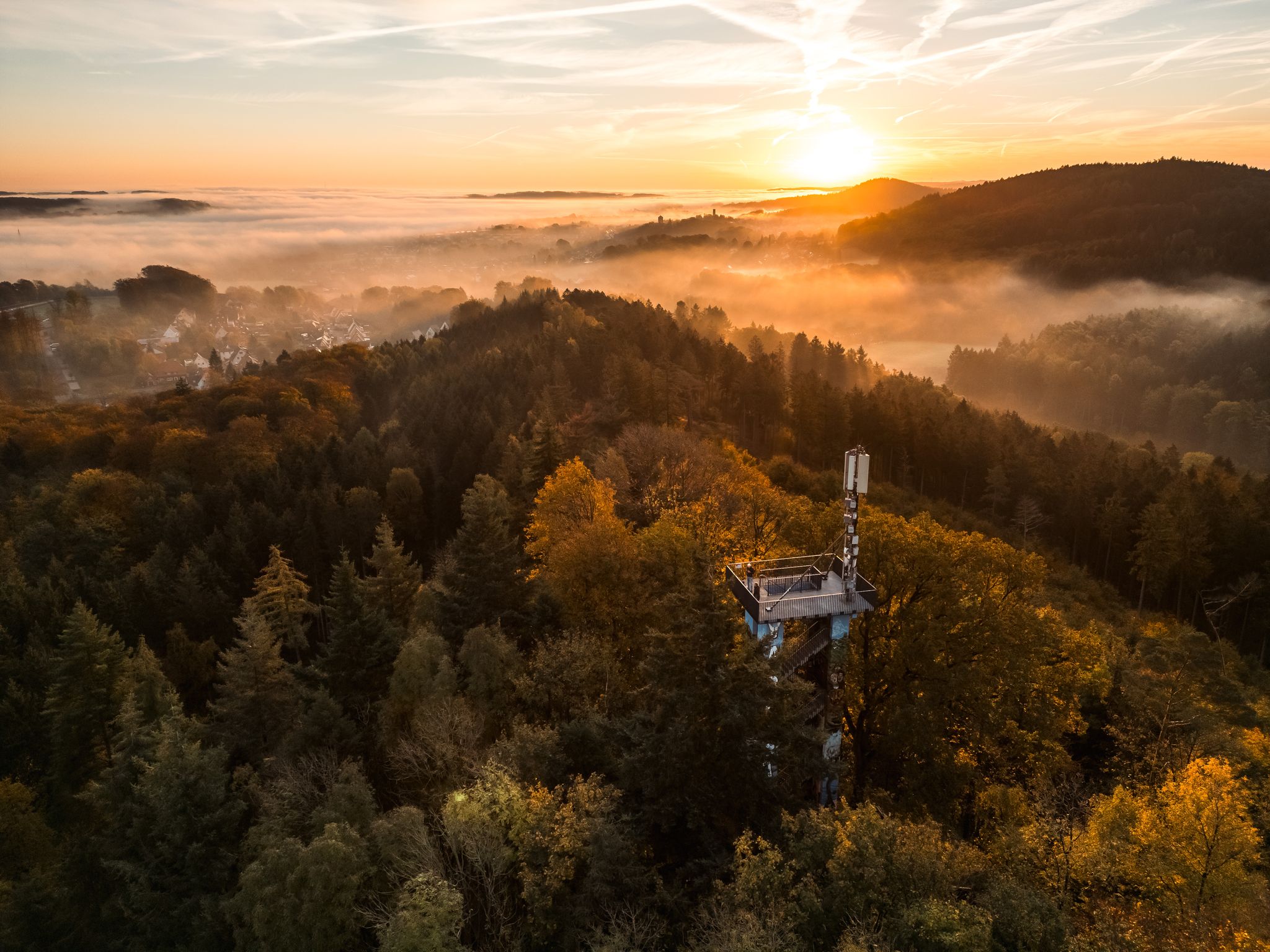
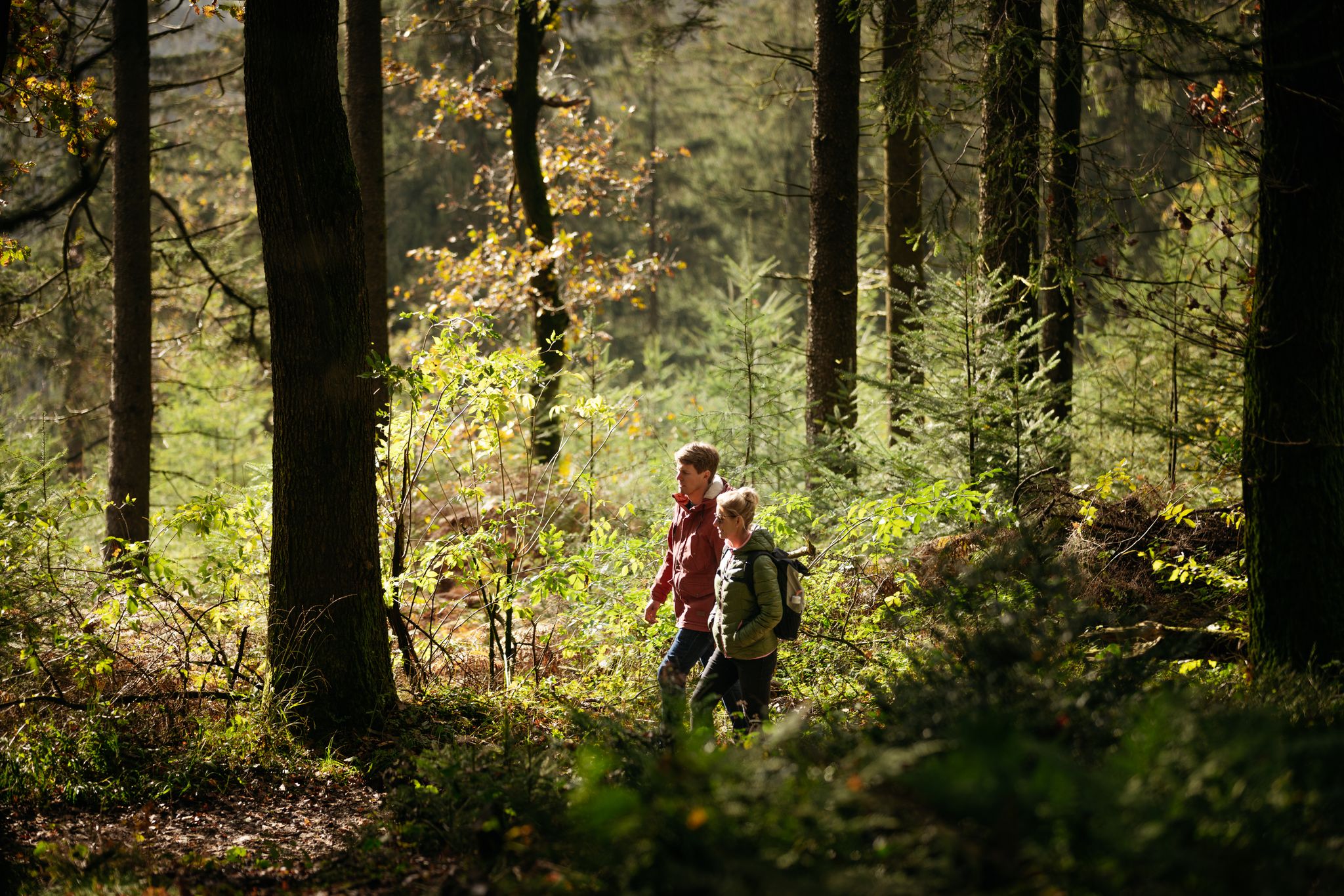
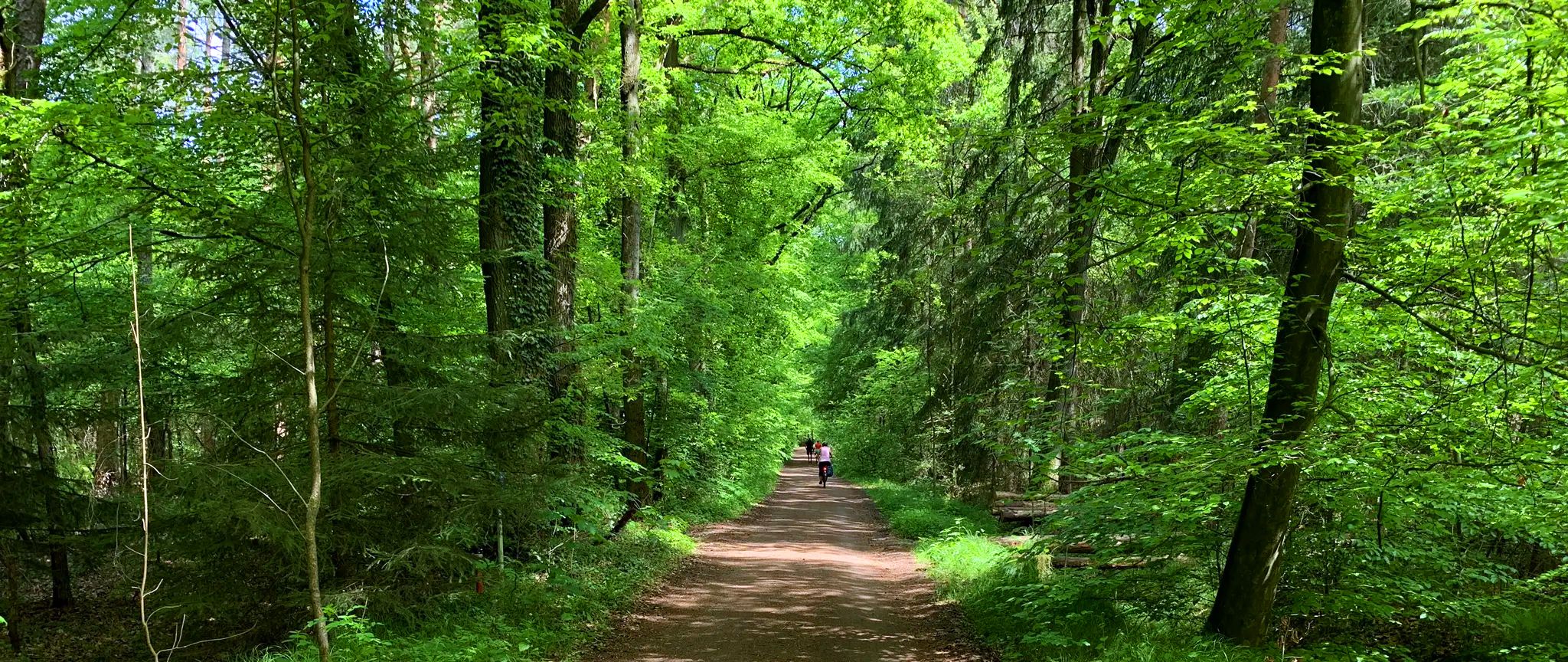
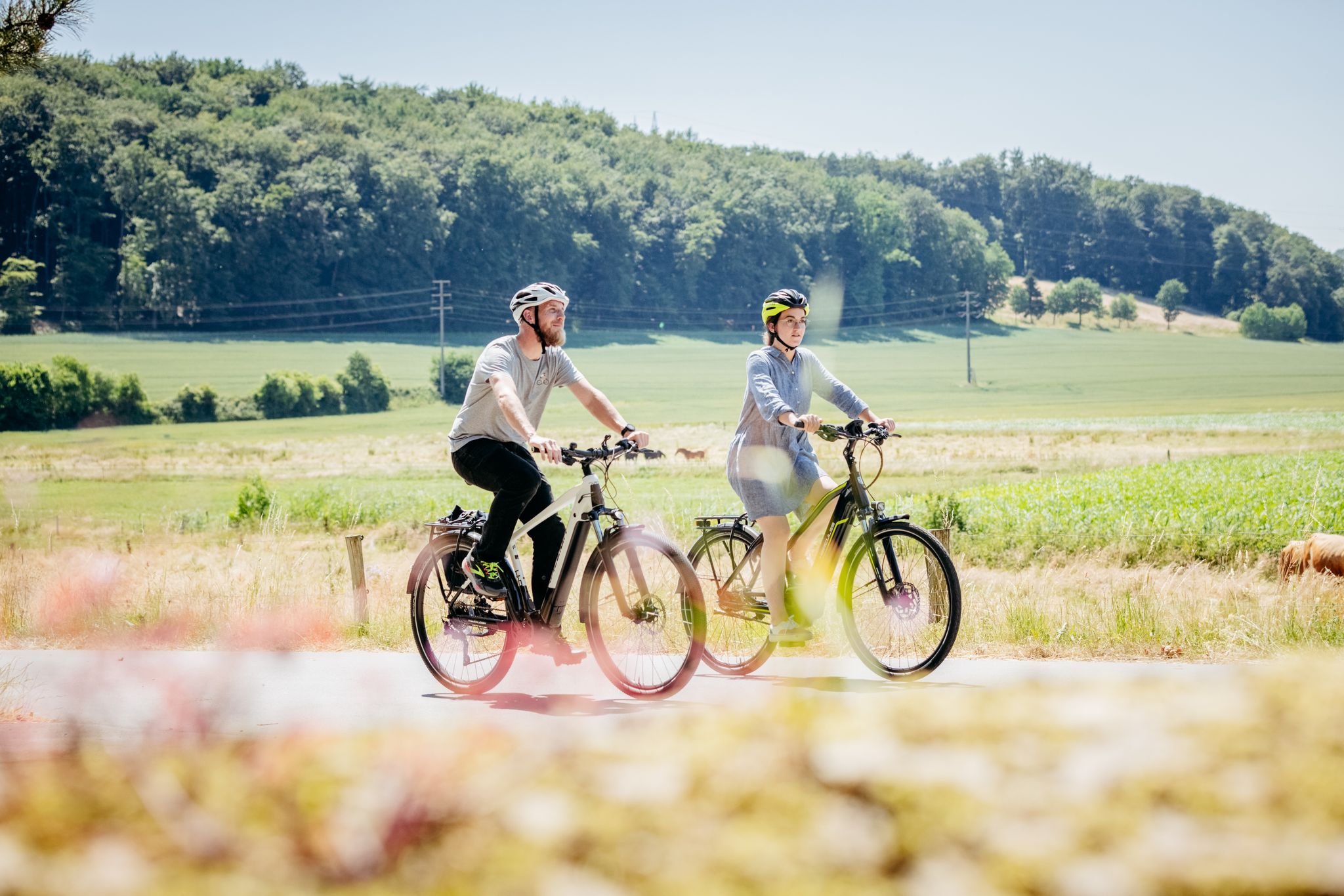
바트 로텐펠데 주변의 다른 모험


커뮤니티 팁

콘서트 가든 게이트는 훌륭한 건축물로, 아마도 스파 마을에서만 볼 수 있을 것입니다.
5
0
아름다운 신바로크 양식의 쿠르미텔하우스는 바트 로텐펠데의 특히 인상적인 역사적인 쿠르 건물 중 하나입니다.
8
0
Bad Rothenfelde의 새로운 Gradierwerk은 이미 거대해 보입니다. 둘레는 거의 1km입니다. 짠 공기가 좋습니다.
8
0


이 1913년의 장난스러운 게이트하우스는 건축가 칼 프라이가 디자인했습니다. 세기말의 그의 다른 프로젝트에 비해 거의 정원 가옥과 같습니다. 정원에 걸맞게 울타리도 빠질 수 없었습니다. 오늘날 이러한 수많은 뾰족한 철제 울타리가 다시 유행하고 있습니다. 당시 콘서트 가든, 완델할레, 그라디어르베르크의 전체 구역이 이 울타리로 둘러싸여 있었습니다. 음악, 신선한 공기, 또는 단순히 완델할레를 산책하는 것을 즐기려는 모든 사람은 매표소, 즉 이 게이트하우스에서 입장료를 지불했습니다. 하지만 곧 매표원들에게 수익성 좋은 시대는 끝났습니다. 제1차 세계 대전이 발발했고, "나는 빵을 위해 철을 주었고 - 나는 철을 위해 금을 주었다"는 모토에 따라 울타리의 일부가 군사 장비 자금 조달에 사용되었습니다. 1922년에 콘서트 가든을 둘러싼 새롭고 훨씬 더 짧은 울타리가 생겼습니다. 하지만 44년 후 이 울타리도 수명을 다하고 완전히 사라졌습니다. 이 요소들이 어디로 사라졌는지는 어떤 기록에도 나와 있지 않은 것 같습니다. 출처: https://www.historische-schaufenster.de/index.php/Schaufenster/konzertgarten.html
3
0
Between the laying of the foundation stone in 1868 and its final sale to an investor group in 1997, 25 years tell of changes. It is arguably the building in Bad Rothenfelde with the most varied history. Dining and concert halls (the famous Red Hall), dance floors, wine cellars, terraces, a bar, hotel rooms, staff quarters, kitchens, and cellars—all of this was housed within its walls, and much was subsequently destroyed by fire. Just as the owners changed hands frequently, so too did the names. Built as the "Höckersches Badehotel," it was known as the Kurhaus (spa hotel) from 1881 to 1952, then the Kurklinik Nollmann (Nollmann spa clinic), and subsequently the Kurhaussanatorium with a hotel in the spa park. From 1969 onward, the operation of the hall and hotel was managed directly by the spa administration. Later, after further renovations and fires, and as long as it remained under the spa administration's ownership, the guest complex was called the Residenzhotel (Residence Hotel). The hotel's history finally came to a close in 1985 when the guest rooms were converted into condominiums. The adjacent halls and bars have been managed and leased by an investor group since 1997. The hotel in the spa park and the small concert hall were demolished. The residents of Rothenfelde are quite used to that sort of thing. The senior citizens' residence in the spa park now stands on this site, and its residents have the privilege (or rather, must accept) of having a box seat at all the festivals in the concert garden. But the townspeople still gather in the Kurhaus every year for the Bad Rothenfelde meal, and every Sunday, lively couples dance, replenishing their calorie expenditure with cream cakes. Source: https://www.historische-schaufenster.de/index.php/Schaufenster/ehemaliges-kurhaus.html
1
0
Bad Rothenfelde의 5개 테마 정원 중 가장 오래된 곳은 이 지역의 요람으로 여겨지는 콘서트 가든(Konzertgarten)입니다. 이곳에서 18세기에 Alte Quelle와 함께 소금 생산이 시작되었기 때문입니다. 19세기 중반, 최초의 여름 휴가객들이 염수(Sole)의 치유력을 이용하기 위해 찾아왔고, 이전의 작업장이 아케이드, 연못, 콘서트 파빌리온이 있는 정원으로 변모했습니다. 오늘날의 콘서트 쉘(Konzertmuschel)과 매표소는 벨 에포크 시대의 특징을 뚜렷하게 보여주며, 정기적으로 와인 축제, 크리스마스 마켓, 그리고 물론 여름철 매일의 치료 음악의 배경이 됩니다. 출처: https://www.osnabruecker-land.de/erlebnisse/kurpark-bad-rothenfelde
1
0
The Weidtmanshof was built in 1917/18 as a health resort for the Bochum General Miners' Association. Mining workers could breathe healthy forest air and saline air at the graduation towers here, on the edge of the "Little Mountain." The 50-bed sanatorium was named after Dr. Viktor Weidtman, chairman of the Reich Miners' Association. Weidtman was particularly concerned with the well-being of the miners and pursued the goal of merging all Prussian miners' associations into a reinsurance association. Thus, the "Weidtmanshof" was built in 1917-1918 on Parkstrasse as a sanatorium and health resort for the Bochum General Miners' Association. Mining workers could recover here from their work. On December 17th... In 1926, Viktor Weidtman died suddenly of a heart attack in Berlin, leaving behind his wife Adele Weidtman (née Grach), after whom the Adelenblick viewpoint in Bad Rothenfelde is named, several children, and grandchildren. In 1999, heristo AG acquired the "Weidtmanshof" estate for its business and administrative headquarters. Source: https://www.historische-schaufenster.de/index.php/Schaufenster/weidtmanns-hof.html
1
0
바트 로텐펠데 주변에서 가장 인기 있는 명소


더 살펴보기
다른 지역의 최고의 하이킹를 살펴보세요.
