부종 주변 최고의 그래블 라이딩 코스
3.5
(6)
35
자전거 타는 사람
17
라이딩
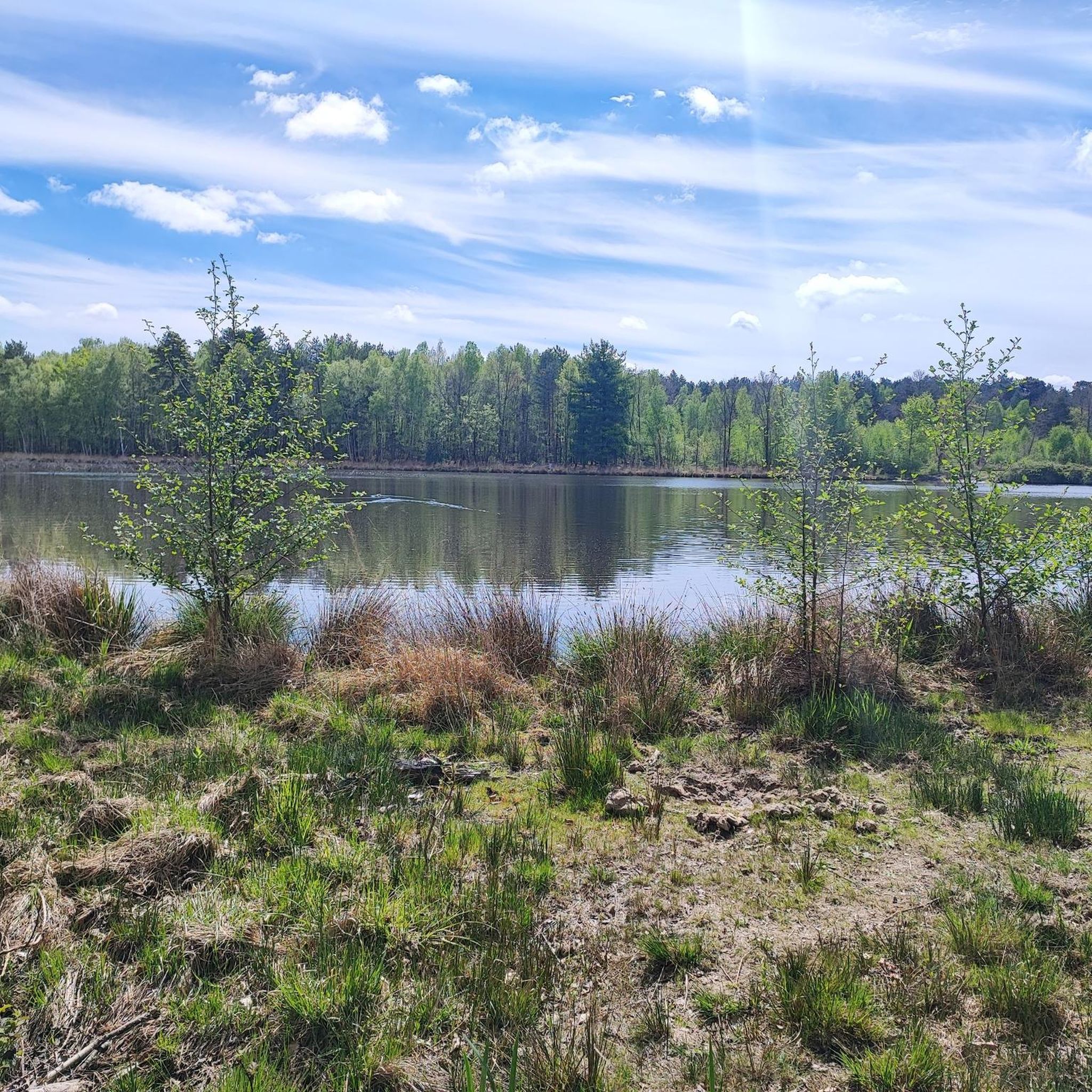
그래블 바이크 라이딩은 프랑스 부종(Vouzon) 주변의 솔론(Sologne) 지역을 통과하는 경로를 제공합니다. 이 지역은 광활한 삼림, 연못, 황야가 특징입니다. 지형은 점토-모래와 돌이 섞인 길로 구성되어 있으며 고도 변화가 거의 없어 그래블 바이크에 적합한 다양한 노면을 제공합니다. 라이더들은 농장 길, 숲길, 작은 보조 도로가 이어지는 것을 기대할 수 있습니다. 이 풍경은 다양한 그래블 바이크 경험에 이상적인 숲길과 탁 트인 구간의 조합을 제공합니다.
부종 주변 최고의 그래블 바이크 코스
- 가장 인기 있는 그래블 바이크 코스는 라 페르테 생토뱅(La Ferté Saint-Aubin) 출발 샤토 드…
마지막 업데이트: 9월 9, 2026
4.0
(1)
7
자전거 타는 사람
47.0km
03:10
170m
170m
보통 자갈길 타기. 좋은 체력 필요. 대부분 포장된 지면. 실력과 관계없이 누구나 갈 수 있음.
3.5
(2)
6
자전거 타는 사람
보통 자갈길 타기. 좋은 체력 필요. 대부분 포장된 지면. 실력과 관계없이 누구나 갈 수 있음.

3.5
(2)
6
자전거 타는 사람
46.9km
02:54
140m
140m
보통 자갈길 타기. 좋은 체력 필요. 대부분 포장된 지면. 실력과 관계없이 누구나 갈 수 있음.
3
자전거 타는 사람
47.4km
03:26
160m
160m
보통 자갈길 타기. 좋은 체력 필요. 대부분 포장된 지면. 실력과 관계없이 누구나 갈 수 있음.
7
자전거 타는 사람
80.1km
04:49
250m
250m
보통 자갈길 타기. 좋은 체력 필요. 대부분 포장된 지면. 실력과 관계없이 누구나 갈 수 있음.
더 다양한 경로와 다른 탐험가들의 추천을 살펴보세요.
이미 komoot 계정이 있나요?
투어 추천은 다른 사람들이 komoot에서 완료한 수천 개의 활동을 바탕으로 구성되어 있습니다.
오늘 무료 계정으로 시작하세요
다음 모험이 기다리고 있어요.
커뮤니티 팁

나폴레옹 3세의 발자취를 따라가는 순환 코스입니다. 그는 19세기에 보아르네 가문이 소유했던 라 그리예르 성을 다시 구입하고 그의 할머니 조세핀을 기리기 위해 이 성을 복원했습니다. 이 경로는 시골길과 교통량이 적은 도로를 이용합니다. 여름 시즌을 제외한 기간에는 일부 구간에 적합한 장비가 필요할 수 있습니다. 산악 자전거 및 모든 지형 자전거 사용을 권장합니다. 하이킹 출발점: 시청 또는 교회 주차장
0
0
2026년 5월 12일, Cosson 강변의 길, Boucles 02 및 16 출발 지점 근처, 성 근처는 통행이 불가능합니다. 공사 중인가요?
0
0

The parish church, dedicated to Saint Stephen, belonged in the 13th century to the Abbey of Micy near Orléans. It was rebuilt at the end of the 15th and beginning of the 16th centuries. It consists of a long nave, 35 meters in length and over 9 meters wide, ending in a three-sided apse. Its walls, built of rubble and rendered brick, are reinforced by dressed stone buttresses. The cornice at the base of the roof and the window and door surrounds are also made of molded dressed stone. The double-lancet windows with trefoil topped by a figure-eight shaped bilobe are identical, except for those on the west facade and the central window, which are more elaborate, featuring three lancets while retaining the same molding. An addition was made at the beginning of the 16th century. On the north side stands an imposing seigneurial chapel and a massive bell tower with eight flat buttresses, two on each face, all built of brick. Ashlar is reserved for the buttresses of the bell tower and alternates with brick in the buttresses of the chapel; it is used for framing the openings, the windows, and the sloping sides of the chapel's gable. A lozenge-shaped decoration of black bricks on a background of pink bricks has been preserved on the lower level and on part of the gable of this chapel. The chapel was the only vaulted part of the church, undoubtedly financed by Jean or Claude d'Estampes, lord of La Ferté-Nabert. The rest of the building was covered by a panelled vault, the replacement of which with a false ribbed vault of plaster resulted in the disappearance of the tie beams and king posts and ruined the structural integrity of the roof frame. This artificial, cold, and superficial decoration of the upper sections deprives the interior of the interplay of tie beams and king posts. These, in their rhythm, corresponded to the lateral openings and reflected the robust structure of the timber frame that protected the building. A comprehensive restoration is planned. Initially, for the north chapel—masonry, roofing, and timber frame—the French Heritage Society (Sauvegarde de l’Art français) provided €30,490 in 2001.
0
0
"A very old church; two buttresses would allow us to date it to the 11th century," we learn. "Rebuilt in the 13th century, damaged during the Hundred Years' War, it was rebuilt again in the 16th century before being burned down during the Wars of Religion and then looted during the Revolution. Its last restoration dates back to 2014."
0
0
Built from 1900 to 1903 by Clavier, an entrepreneur in Vienne-en-Val, based on plans by Henri Rapine, an architect in Paris, this Saint Martin church is the second in Vienne-en-Val. The first church, dating from the 14th century, was destroyed. Inside, the base of the church's lectern depicts various scenes from the life of Saint Martin. The base bears the date 1613, while the eagle, which is said to have come from Férolles, is probably from the 19th century.
0
0

Indeed a nice cool route, a little sheltered from the wind.
0
0

At this location, during sanitation work in 1968, a certain number of ancient and medieval remains were unearthed, witnesses to the occupation of this site since Antiquity. Vienne-en-Val is also located on the Roman road from Orléans to Sancerre. The presence of two churches, one Merovingian and one dating from the 10th century, was revealed by surveys. The remains found, in particular sculpted blocks reused in these later constructions, attest that a sanctuary from the Early Roman Empire existed in the area but its location has not yet been discovered. You can discover these ancient blocks nearby, in a community hall which serves as a lapidary museum.
0
0
Built in the 16th century then reworked in the 19th century, this castle surrounded by a moat belonged to Napoleon III after passing into the hands of his ancestor, François de Beauharnais and then the French ambassador to Constantinople, the Count of Choiseul-Gouffier. It is now private property.
0
0
부종 주변에서 가장 인기 있는 명소


더 살펴보기
다른 지역의 최고의 그래블 라이딩를 살펴보세요.
