몽소로 주변 최고의 그래블 라이딩 코스
4.2
(50)
432
자전거 타는 사람
48
라이딩
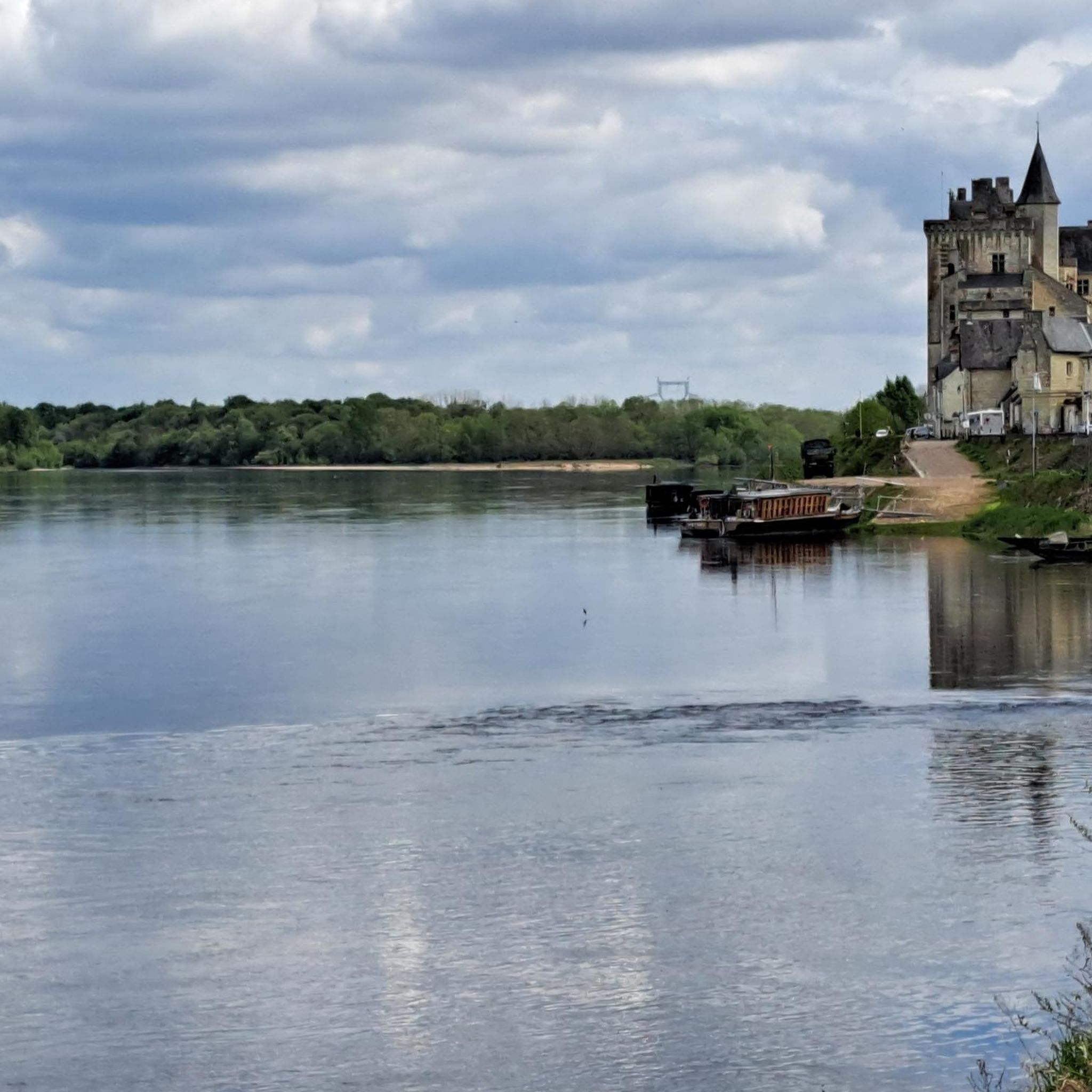
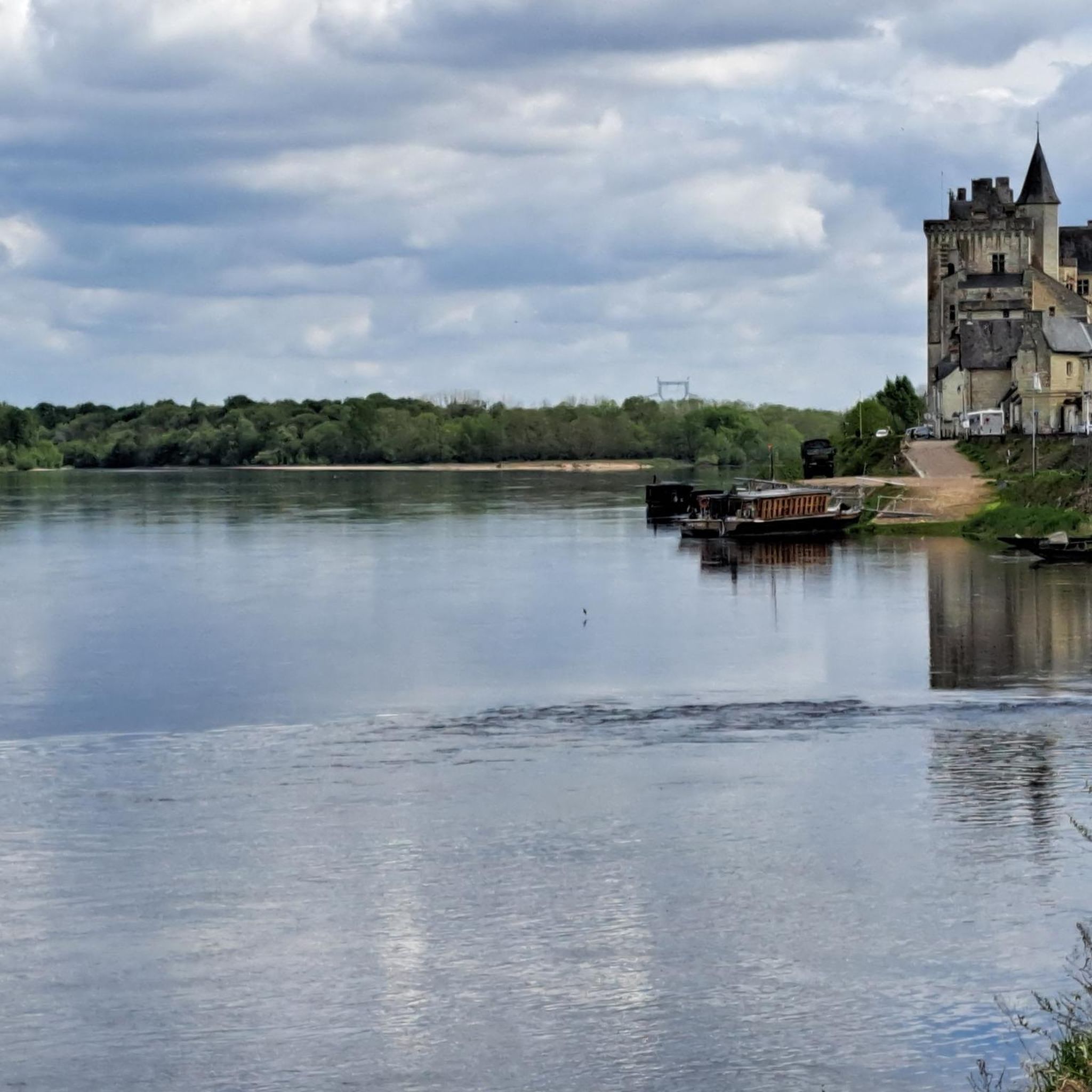
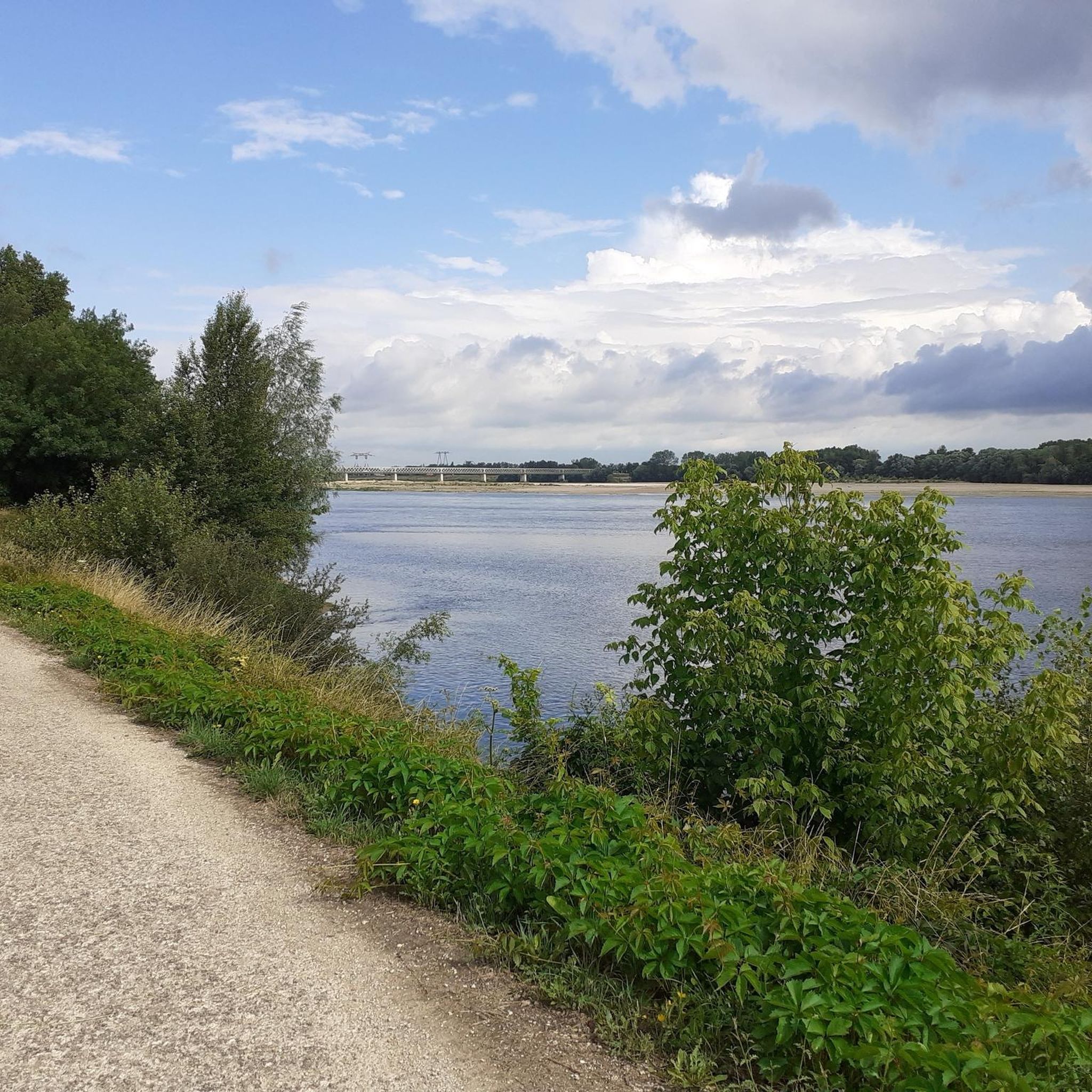
몽소로 주변의 그래블 바이크 코스는 주로 루아르 강을 따라 이어지며, 평탄하거나 완만한 구릉 지형이 특징입니다. 이 지역은 루아르-앙주-투렌 지역 자연공원 내에 위치하며, 포도밭과 강변 길 등 다양한 풍경을 제공합니다. 절벽을 배경으로 한 몽소로의 동굴 거주지는 풍경에 독특한 요소를 더합니다. 고도 상승은 일반적으로 적당하여 다양한 수준의 라이더에게 접근성이 좋습니다.
몽소로 주변 최고의 그래블 바이크 코스
- 가장 인기 있는 그래블 바이크 코스는 루아르 강변 그래블 코스 – 몽소로 출발 사뮈르 루프로, 16.0마일(25.8km)이며 완료하는 데 1시간 24분이 소요됩니다. 이 경로는 루아르 강을…
마지막 업데이트: 9월 22, 2026
4.4
(7)
82
자전거 타는 사람
52.5km
02:57
170m
170m
어려운 자갈길 타기. 좋은 체력 필요. 투어 중 자전거를 끌고 가야 하는 구간이 있을 수 있음.
4.4
(11)
76
자전거 타는 사람
26.5km
01:22
140m
140m
어려운 자갈길 타기. 모든 체력 수준에 적합. 투어 중 자전거를 끌고 가야 하는 구간이 있을 수 있음.

4.7
(3)
32
자전거 타는 사람
38.7km
02:22
340m
340m
보통 자갈길 타기. 좋은 체력 필요. 대부분 포장된 지면. 실력과 관계없이 누구나 갈 수 있음.
4.6
(5)
58
자전거 타는 사람
26.6km
01:20
140m
140m
초급용 그래블 라이딩. 모든 체력 수준에 적합. 대부분 포장된 지면. 실력과 관계없이 누구나 갈 수 있음.
4.4
(5)
25
자전거 타는 사람
38.9km
02:14
130m
130m
보통 자갈길 타기. 좋은 체력 필요. 대부분 포장된 지면. 실력과 관계없이 누구나 갈 수 있음.
더 다양한 경로와 다른 탐험가들의 추천을 살펴보세요.
이미 komoot 계정이 있나요?
투어 추천은 다른 사람들이 komoot에서 완료한 수천 개의 활동을 바탕으로 구성되어 있습니다.
오늘 무료 계정으로 시작하세요
다음 모험이 기다리고 있어요.


커뮤니티 팁


The sights are good but the terrain is not especially after high winds and heavy rain. Some people might find it tricky to navigate.
0
0

For those who want to discover some art objects.
0
0


The Royal Abbey of Fontevraud is one of the largest monastic communities in Europe dating back to the Middle Ages. It is a place with a rich history, located in the heart of the Loire Valley and listed as a UNESCO World Heritage Site. The abbey is a unique cultural site! An abbey with a royal destination, a formidable prison is today a place of creation (museum of modern art).
3
0
Fontevraud-l'Abbaye is located in the natural region of the Loire Valley, listed as a "living cultural landscape" by UNESCO. As its name suggests, the history and present of the municipality are closely linked to the Abbey of Notre-Dame, founded in 1099. The abbey presents the originality of being part of a mixed order, but led by abbesses until the Revolution. was the necropolis of the Plantagenet dynasty. The recumbent figures of Richard the Lionheart, Henry II and Eleanor of Aquitaine are still preserved there. The vast abbey complex was transformed by Napoleon I into a penal colony and then into a "central house". This extraordinary prison closed its doors in 1963. While the abbey church and the various monastic sites were rehabilitated, the entire old abbey has since housed a prestigious cultural centre with, among other things, a renowned art museum, welcoming meetings and artists in residence. Art, history and heritage are highlighted throughout the year.
4
0
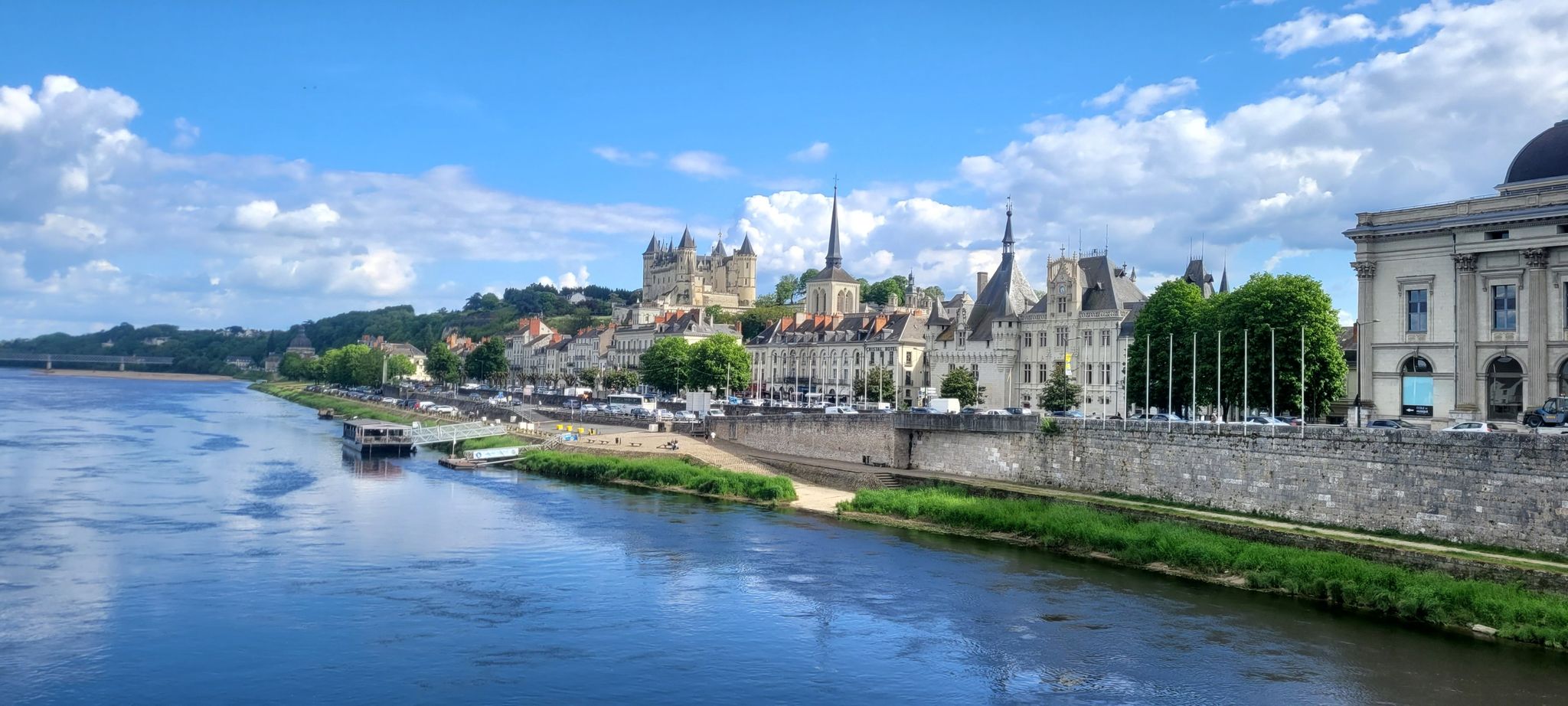
A castle-palace of the Dukes of Anjou in the 19th and 19th centuries, the Château de Saumur, where King René resided, is the last example of the princely palaces built by the Valois dynasty. It served as the residence of the city's governors, a prison, and later an arms and ammunition depot. It was purchased by the city in 1906 to house the municipal museum, now the Musée de France. Today, we discover the rich collections scattered throughout the former apartments of the Dukes of Anjou in an educational museography. Want to know more? Click here: https://www.ot-saumur.fr/en/castles-and-country-houses/Saumurcastle-5261718/
3
0
몽소로 주변에서 가장 인기 있는 명소


더 살펴보기
다른 지역의 최고의 그래블 라이딩를 살펴보세요.
