케르셴바흐에서 가장 멋진 4개의 동굴
Kerschenbach 주변의 성들은 아이펠 지역의 역사와 건축 유산으로의 여정을 선사합니다. Kerschenbach 자체에는 성이 없지만, 주변 지역을 통해 여러 역사 유적지에 접근할 수 있습니다. 이 지역은 계곡과 숲이 우거진 풍경을 특징으로 하며, 이러한 고대 구조물에 그림 같은 배경을 제공합니다. 방문객들은 잘 보존된 중세 요새부터 인상적인 폐허에 이르기까지 다양한 성을 탐험할 수 있습니다.
Kerschenbach 주변 최고의 성들
- 가장 인기 있는 성은 원래 해자 성으로 지어진 슈미트하임 성(Schmidtheim Castle)입니다. 해발 545미터에 위치한 이곳은 라인란트에서 가장 높은 해자 성입니다.
- 또 다른 꼭 방문해야…
마지막 업데이트: 10월 16, 2026


이런 장소를 발견하려면 지금 가입하세요
최고의 싱글 트랙, 봉우리 및 다양한 흥미로운 야외 장소에 대한 추천을 받아보세요.

크로넨부르크의 역사적 중심지
하이라이트 • 역사적 장소
번역문 보기
팁에 의해

오늘 무료 계정으로 시작하세요
다음 모험이 기다리고 있어요.
커뮤니티 팁

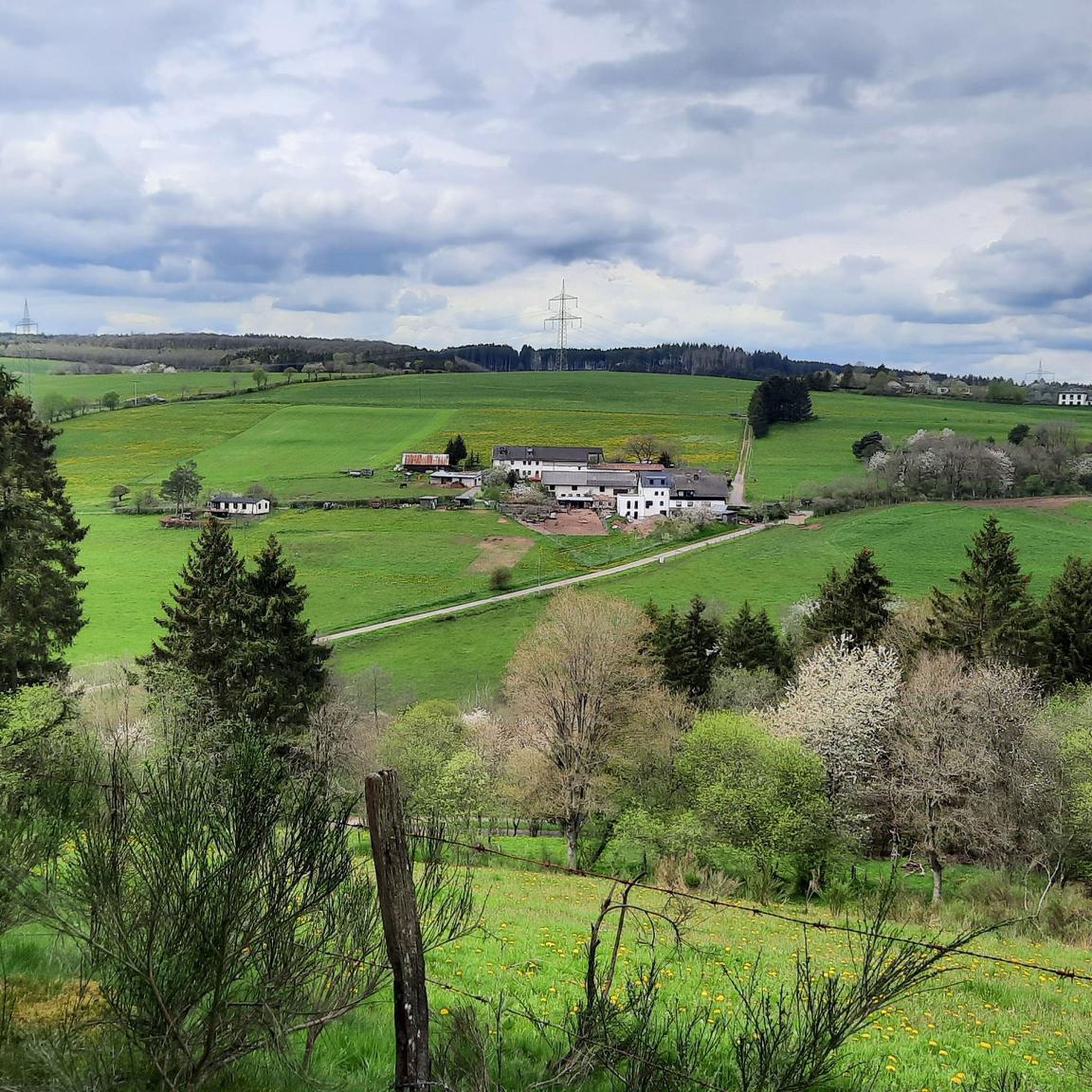
크로넨부르크의 역사적인 중심지는 꼭 볼 가치가 있습니다. 그것은 크로넨부르크 호수 위, 파괴된 성터 바로 옆에 있습니다.
8
0

rtseite 슐로스 슈미트하임 슐로스 슈미트하임 다엘렘 이 성은 녹지 한가운데 그림처럼 자리 잡고 있으며 해자로 둘러싸여 있습니다. 오늘날 이 성은 지역의 중요한 랜드마크일 뿐만 아니라 문화 행사 장소이기도 합니다. 성의 건축은 르네상스와 바로크 양식의 요소를 결합하여 이 지역의 건축사에 대한 매혹적인 사례가 됩니다.
0
0

For information on the castle ruins, see, for example, https://www.juenkerath.de/freizeit-und-tourismus/burgruine. An interesting detail about a special "stone" that was once found at the castle's gate and is now incorporated into a house wall can be found at https://www.heimatjahrbuch-vulkaneifel.de/VT/hjb1993/hjb1993.58.htm
0
0

The palace complex was built between the 16th and 18th centuries. The distinctive residential tower was built first. The complex was then expanded to include an outer bailey with a farmyard, two side wings, and a four-part fountain basin in the courtyard. The moats of the former two-part moated palace have now been filled in. The palace is still privately owned by the Count Beissel von Gymnich family. On the southeast wing, a coat of arms for Friedrich Wilhelm Beyssel von Gymnich (born 1638, died 1710) and Maria Magdalena von Metzenhausen (died 1716) is affixed to the exterior. In the outer bailey, a coat of arms is placed above the gateway for Georg Anton Dominikus Beyssel von Gymnich (born 1683, died 1754), Privy Councilor and Chamberlain of the Electorate of Trier, Chief Bailiff of Prüm, Schönecken, and Schönberg, and his second wife, Maria Anna Franziska Ludovika Baroness Raitz von Frentz zu Kendenich. Today, guests can stay overnight in the castle's holiday home and vacation apartment, and they can also have a civil wedding in the Blue Salon. It is also suitable for celebrations and conferences.
1
0

The castle complex was built between the 16th and 18th centuries. The particularly striking residential tower was built first. The complex was then expanded to include a bailey with a farm yard, two side wings and a four-part fountain basin in the courtyard. The ditches of the former two-part moated castle are now filled in. The castle is still privately owned by the Count Beissel von Gymnich family. Source: Wikipedia
4
0

Very beautiful castle, you can also rent holiday apartments here. For 4 - 14 people
3
0

Great little spot below the castle ruins - definitely worth a walk!
10
0
The short climb to the ruins is worth it just for the view - so you're rarely alone here.
10
0
케르셴바흐 주변에서 가장 인기 있는 명소


더 살펴보기
다른 곳에서 최고의 성을 찾고 계신가요? 다른 가이드를 발견해보세요 케르셴바흐 주변:
