빌렌바흐에서 가장 멋진 5개의 동굴
성을 방문하는 건 언제나 특별한 일이에요. 하이킹을 하다가 잠깐 들를 때도, 가이드를 따라 제대로 둘러볼 때도 말이죠. 빌렌바흐에 있는 아름다운 성 5
곳을 아래에서 살펴본 후에 마음에 드는 성을 다음 모험 때 만나보세요!
마지막 업데이트: 9월 7, 2026

회흐슈테트 성의 다리
하이라이트 • 다리
번역자 Google •
팁에 의해

이런 장소를 발견하려면 지금 가입하세요
최고의 싱글 트랙, 봉우리 및 다양한 흥미로운 야외 장소에 대한 추천을 받아보세요.

Schloss Laugna
하이라이트 • 성
On the archway of the foundation's forest office in Laugna …
번역자 Google •
팁에 의해


오늘 무료 계정으로 시작하세요
다음 모험이 기다리고 있어요.
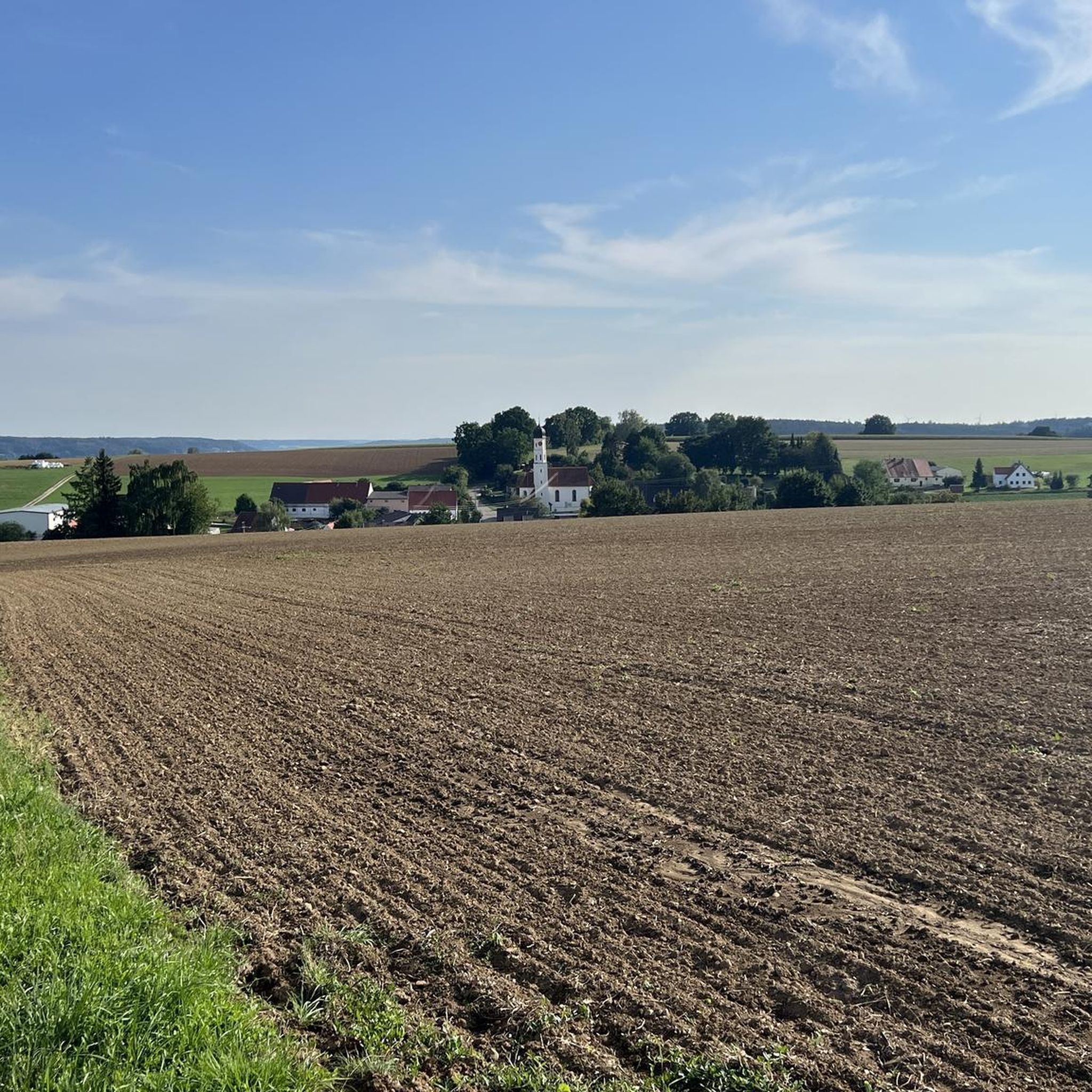
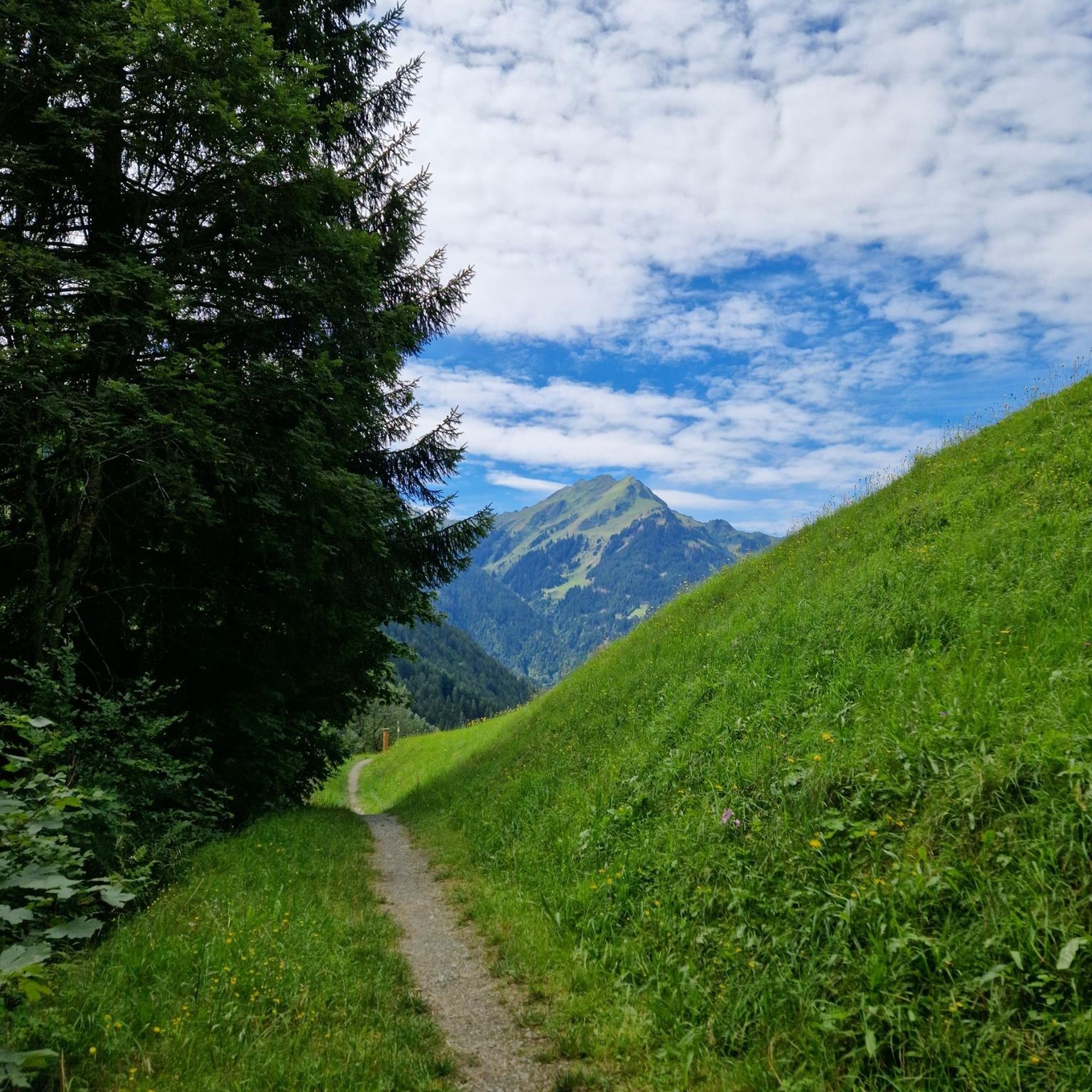
커뮤니티 팁

잘 보존된 환호는 아우크스부르크 영지에서 가장 크고 중요한 지상 기념물 중 하나입니다. 지질학적 구조는 머르겔질의 모래로 구성되어 있으며, 그 위에는 덮개 자갈이 쌓여 있습니다. 이 자갈은 부분적으로 굳어져 이곳에서는 나겔플루(Nagelfluh)로 나타납니다. 둘레 약 600미터의 불규칙한 고리 모양의 요새는 헝가리 침입 시대에 피난처로 사용되었을 가능성이 높으며, 청동기 시대로 거슬러 올라갈 것으로 추정됩니다.
0
0

웰덴(아우크스부르크 군, 바이에른)의 슈네부르크는 9세기에서 10세기에 헝가리 침입에 대항하기 위한 피난처로 사용되었던 초기 중세 시대의 고리 모양 성채입니다. 이 유적지는 웰덴에서 남쪽으로 약 1.5km 떨어진 라우겐탈 계곡이 내려다보이는 돌출된 지형 위에 위치해 있습니다. 이곳은 주민들을 보호하고 군대를 집결시키는 중요한 방어 시설이었습니다. 성벽은 나무와 흙으로 만들어진 구조물과 해자로 구성되었으며, 동쪽 면은 마자르 기마병에 대항하기 위한 전형적인 계단식 방어 구조를 특징으로 했습니다. 오늘날에는 흙으로 된 구조물과 해자가 지상 유적으로 보존되어 있으며, 루트비히 강호퍼 순환 하이킹 코스가 이 지역을 통과합니다.
0
0

The ringfort of Schneeburg is not the remains of a castle, but rather an archaeological monument that only reveals itself upon closer inspection. There were never any towers or stone walls here – the fortification consisted of earthworks, wooden palisades, and timber structures. Today, primarily ditches, ramparts, and the shape of the site are visible in the landscape. Historians assume that the oldest traces of Schneeburg date back to the Bronze Age. In the Middle Ages, it offered the local population protection from Hungarian invasions.
1
0


Two-story gable-roof building with octagonal corner tower with onion dome, built in 1613, altered in 1730; associated garden; 18th-century walling
1
0

From here you can take good photos of the castle
2
0

Höchstädt Castle in Höchstädt on the Danube is one of the most valuable buildings from the German late Renaissance. The castle was built between 1589 and 1603 at the request of Count Palatine Philipp Ludwig of Palatinate-Neuburg according to designs by Lienhart Grieneisen by court architect Sigmund Doctor as a three-storey building on a rectangular floor plan with more than 120 rooms, gables, stair towers and four round corner towers. The Gothic keep of a previous building was incorporated and defies symmetry. The castle served as a widow's residence for Philipp Ludwig's wife Anna von Jülich-Kleve-Berg, who lived there from 1615 to 1632. In contrast to her son Wolfgang Wilhelm, she remained a Protestant, as the painting in the castle chapel still testifies today. Wall paintings from the time of construction, stuccoed ceilings and inlaid portals have been preserved in the rooms. The castle later served as a district court with prison cells and, during the Nazi era, as a home for the Reich Labor Service. The Reich Leader Rosenberg Task Force (ERR), which was tasked with the theft of art in Europe, deposited over 550,000 objects of cultural property and scientific material, 14 railway wagons from Ukraine and 4 wagons of museum items from Minsk, in the castle in 1944 and employed a group of Ukrainian scientists to inventory them. The company was led by Paul Grimm, who was appointed curator, and by the directors Rudolf Stampfuß and Werner Hülle. In 1945, the objects were transported to the Central Collecting Point in Munich and restituted to the Soviet Union in 1946. The Bavarian Palaces and Lakes Administration began restoration in the 1980s. Since 2004, almost the entire castle has been restored and is accessible. Only the Duchess's bedrooms are still incomplete (as of 2007). Today (2007) the castle houses exhibition rooms for various traveling exhibitions, the Knights' Hall and the castle chapel as a concert hall, various seminar and conference rooms and the castle cellar as a venue for weddings, birthday parties, etc. Not least because of these numerous possible uses, the castle has developed into a cultural center for the community in recent years. In 2009, 12,900 visitors came. Source: https://de.wikipedia.org/wiki/Schloss_H%C3%B6chst%C3%A4dt
2
0

Around 1590/95, the Augsburg patrician Albrecht von Stetten had a so-called manor house built. The castle, which still exists in its basic structure today, was probably built in 1613 when the Fuggers bought the Bocksberg estate at the beginning of the 17th century. As the stucco ceilings in the hallway on the upper floor prove, the building was designed around 1830 according to the taste of the time. From 1811 to 2005, the castle housed the Princely and Countal Fugger Foundation Forestry Office and was the exclusive center of the extensive Fugger forestry districts. The Fugger coat of arms embedded in the front of the corner tower is reminiscent of the history of the Laugna Forestry Office. Source: https://de.wikipedia.org/wiki/Schloss_Laugna
2
0
빌렌바흐 주변에서 가장 인기 있는 명소


더 살펴보기
다른 곳에서 최고의 성을 찾고 계신가요? 다른 가이드를 발견해보세요 빌렌바흐 주변:
