4.5
(128)
4,406
자전거 타는 사람
259
라이딩
Devauden에서 로드 사이클링을 하실 계획인가요? Devauden의 모든 로드 라이딩 중에서 가장 멋진 라이딩 장소를 엄선했으니 Devauden에서 가장 마음에 드는 로드 사이클링 경로를 찾아보세요.
마지막 업데이트: 2월 20, 2026
Google 검색 결과에서 komoot을 선호하는 출처로 추가하세요.
지금 추가
5.0
(1)
31
자전거 타는 사람
55.3km
02:49
730m
730m
보통 도로 자전거 타기. 좋은 체력 필요. 지면 대부분이 잘 포장되어 있고 라이딩하기 쉬움.
5.0
(2)
14
자전거 타는 사람
78.6km
03:46
1,100m
1,100m
어려운 도로 자전거 타기. 우수한 체력 필요. 지면 대부분이 잘 포장되어 있고 라이딩하기 쉬움.
무료 회원 가입
4.0
(1)
14
자전거 타는 사람
41.5km
02:02
590m
590m
보통 도로 자전거 타기. 좋은 체력 필요. 지면 대부분이 잘 포장되어 있고 라이딩하기 쉬움.
11
자전거 타는 사람
22.7km
01:18
360m
360m
보통 도로 자전거 타기. 좋은 체력 필요. 지면 대부분이 잘 포장되어 있고 라이딩하기 쉬움.
14
자전거 타는 사람
20.5km
01:03
300m
300m
초급용 로드 라이딩. 모든 체력 수준에 적합. 지면 대부분이 잘 포장되어 있고 라이딩하기 쉬움.
더 다양한 경로와 다른 탐험가들의 추천을 살펴보세요.
무료 회원 가입
이미 komoot 계정이 있나요?
투어 추천은 다른 사람들이 komoot에서 완료한 수천 개의 활동을 바탕으로 구성되어 있습니다.
Google 검색 결과에서 komoot을 선호하는 출처로 추가하세요.
지금 추가
10월 14, 2024, View of the River Wye from the Bridge
Great crossing point to continue your off road adventures.
0
0
8월 3, 2024, View of the River Wye
The section north of Monmouth on the A40 is deadly. Part of the suggested adjacent road is closed and padlocked.
0
0
7월 10, 2024, The Filling Station Cafe, Tintern
Great little coffee stop for cake and panini,s . Only open Friday to Sunday. Bike Racks outside and log burner inside if cold and wet.
0
0
6월 19, 2024, Kerne Bridge over the River Wye
Great viewpoint gor the river Wye and Goodrich castle.
0
0
12월 17, 2023, B4293 Climb from Chepstow to Devauden
Excellent climb and good surface make up for the heavy traffic on this road.
0
0
11월 5, 2023, Bigsweir Bridge
This is another elegant cast-iron road bridge that has been built over the river Wye. It was constructed in 1827 and is another grade 2 listed building.
0
0
11월 3, 2023, Bigsweir Bridge
This is another elegant cast-iron road bridge that has been built over the river Wye. It was constructed in 1827 and is another grade 2 listed building.
0
0
11월 1, 2023, Kerne Bridge over the River Wye
Quite a local landmark hereabouts, especially if you are on the river. An ancient crossing point that has been about in one way or another since roman times. An important bridge connection on the Wye that at one stage was tolled. Failure to pay the toll made you liable to a £5 fine. Some things have never changed!
0
0
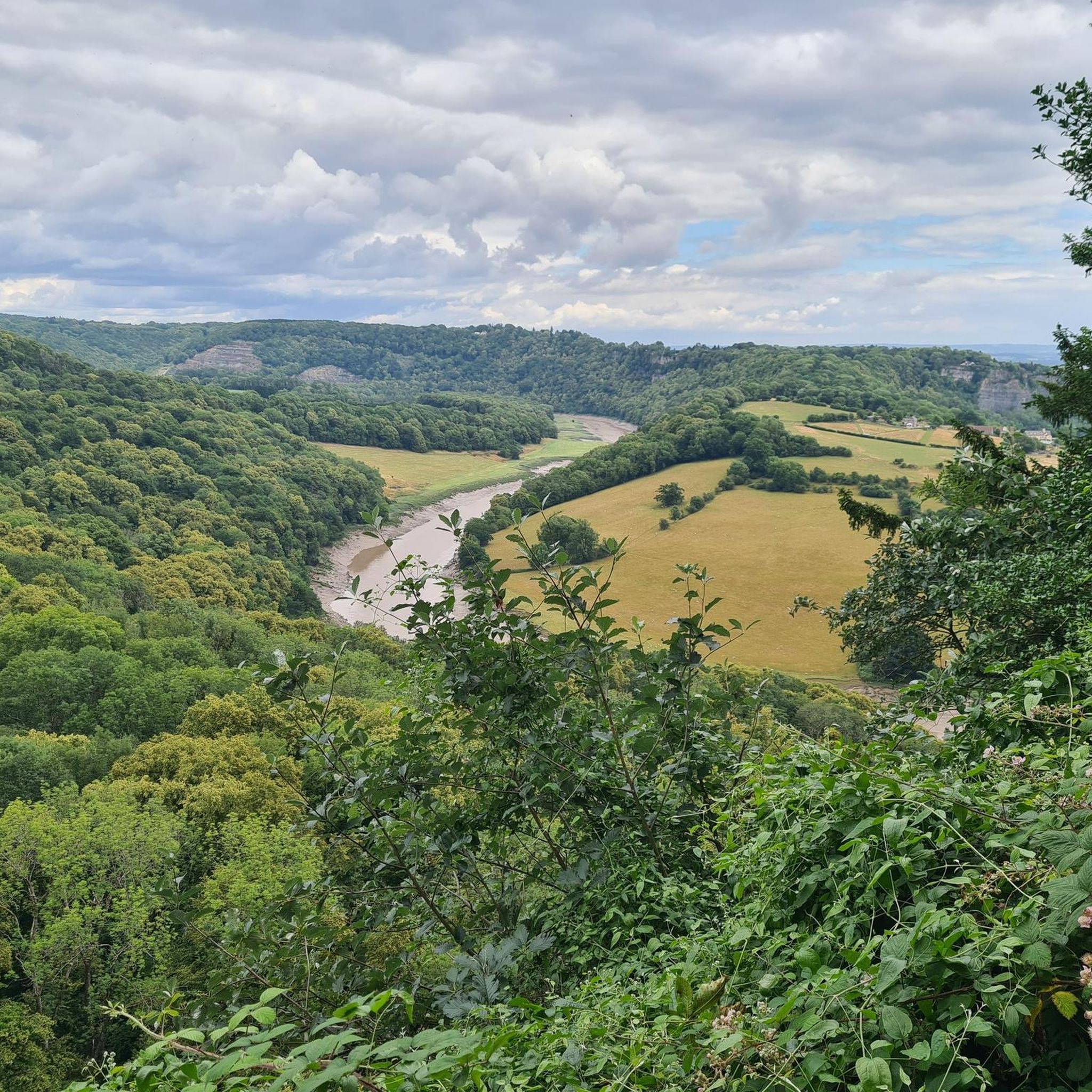
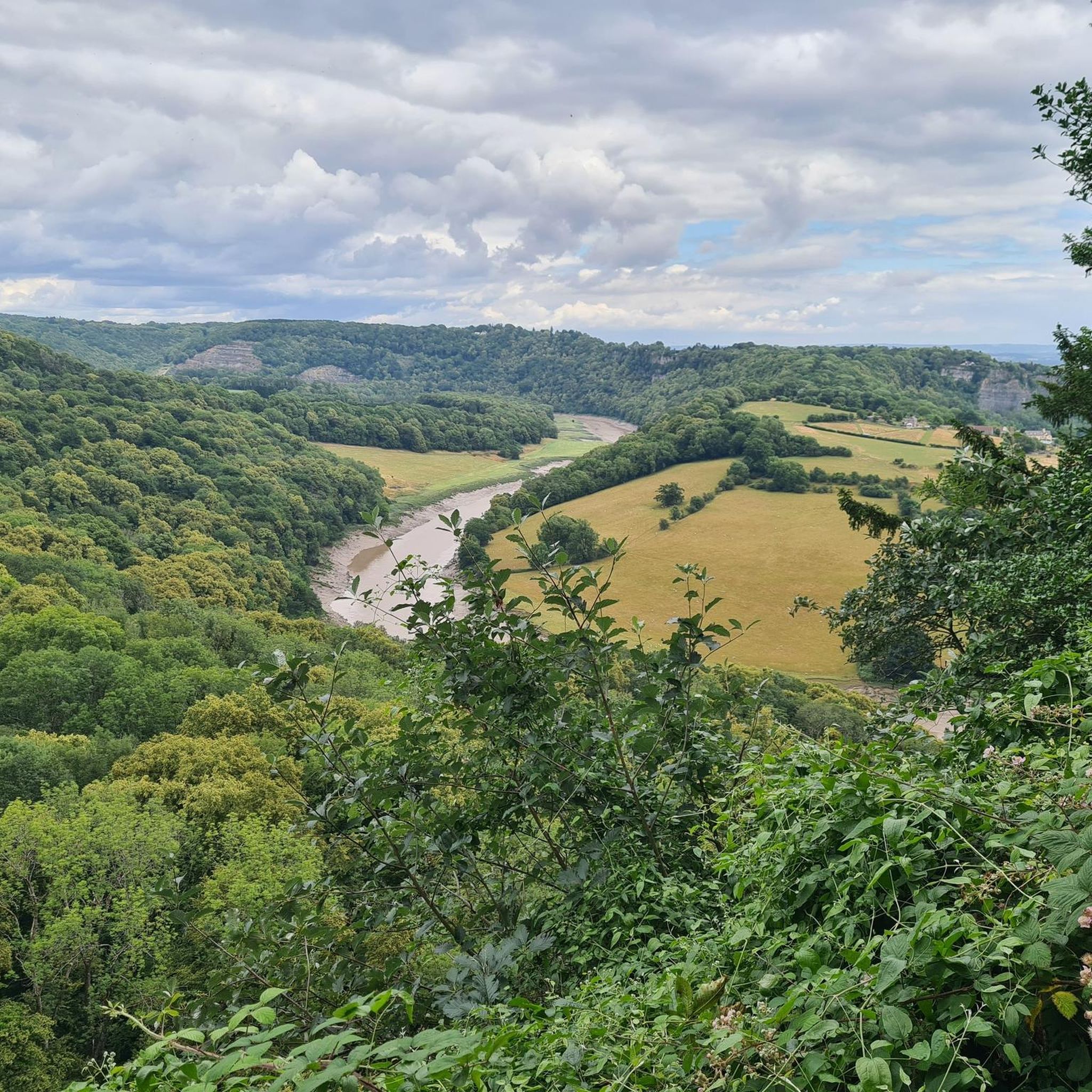
9월 15, 2023, View of the River Wye
Fantastic road route though Wye Valley between Chepstow and Monmouth can be busy but fairly cycling friendly.
0
0
9월 15, 2023, The Filling Station Cafe, Tintern
Best coffee and cake around 😋 very friendly bike and hike cafe highly recommended
1
0
8월 21, 2023, Tintern Wireworks Bridge
After a long closure, the new bridge is finished and open to traffic.
0
0
8월 16, 2023, The Filling Station Cafe, Tintern
Another classic cycle friendly cafe stop on the wye valley. It's probably the best.
0
0
5월 30, 2023, Tidenham Chase Climb
This is a long long climb as they go. Each individual ramp is easy but grouped together and with cars and you'll crying out for 3k worth of carbon. Problem is the surface is typical of Gloucestershire B Roads, i.e. not great for speed. kinda cheese gratery, You'll be climbing til you reach the path off to the Devil's Pulpit, and a little descent is followed by a kicker before the Brockweir junction
0
0
5월 28, 2023, Kerne Bridge over the River Wye
Kerne Bridge was built over the River Wye in the County of Herefordshire, England in 1825–28, on the site of an ancient ford crossing known as Flanesford. It is designated as a Scheduled Monument. Carrying the B4229 road, it connects the parishes of Walford on the river's left bank and Goodrich on the right. It is situated in the heart of the Wye Valley Area of Outstanding Natural Beauty and marks the northern end of the Upper Wye Gorge. Kerne Bridge was built on the site of a Pre-Roman ford across the River Wye. This ancient crossing came to be known as Flanesford long before 1346 when the first stone of Flanesford Priory was laid nearby "in loco Flanesford vulgariter nuncupato" (in the place commonly called Flanesford). The origins of the name Flanesford are obscure. It has been suggested that it was derived from an English-Welsh conjunction, the Welsh llan (church or enclosure) joined to the English ford, or possibly the Welsh ffordd (way) but it is more likely the prefix is the Old English flanes from flan (arrow). On the Forest of Dean side of the ford, on the left bank, a primitive manually-operated mill for grinding corn came to be established. This type of mill was known in Old English as a cweorn. The presence of the mill gave the name - The Cweorn - to the small settlement which became established there. Over time the spelling of the name of the settlement was simplified to The Quern. Records show that it was still known that way until at least 1815, but by the mid-1820s spelling simplification had further altered its name to The Kerne. Flanesford became an increasingly crucial river crossing for trade and the delivery of commodities from the Forest of Dean to the city of Hereford and south Herefordshire generally. Of most importance was the transport of iron from the Bishopswood ironworks on the left bank of the Wye just downstream from Flanesford, and of coal from the collieries of the Forest of Dean (particularly as the fast-growing population and industry of Hereford required increasing amounts of coal). As well as iron and coal the 18th and 19th centuries saw a steady growth in south Herefordshire "in the numbers of wagons and carts drawn by horses or oxen. Daily commodities of stone, brick, timber, poles, lathes, lime, ... corn, hay and manure were conveyed.". The ford, however, could only be used when the river was not in flood. While travellers on foot deemed it acceptable to wade across up to armpit depth and horses could be taken across up to chest height the river had a tendency to flood extremely quickly following poor weather upstream, which writers of the early nineteenth century wrote gave the river "a force which defies all the ordinary means of resistance and control". When Flanesford and other fords nearby were unusable, and the local ferries capable of carrying animals were unable to sail, the only alternatives for road transport were the bridges upstream at Wilton, near Ross-on-Wye, and downstream at Monmouth (Trefynwy). They were 21 river-miles apart and because of the poor roads and the mileage involved, diversions via the bridges were long, time-consuming and expensive. An alternative means of transport - using barges on the river - was equally unfeasible at times of flood, or in dry summer when the river bed was "barely covered with the stream". The 35-miles distance to Hereford by the river was also two-thirds further than by road. A further obstruction to trade was that the roads in Herefordshire were historically in a neglected and wretched condition. One Herefordshire historian has described the roads in the county as "impenetrable and impassable, churned into mud by horses hooves and deeply rutted by wheeled vehicles". Though the county's roads were being steadily improved after the mid-eighteenth century by the introduction of turnpike trusts, in 1825 the first few miles of parish roads from Flanesford towards Hereford remained in an appalling state. Source: Wikipedia
0
0
다른 지역의 최고의 로드 사이클링 경로를 살펴보세요.
무료로 가입하기