셀프칸트에서 가장 멋진 20개의 동굴
성을 방문하는 건 언제나 특별한 일이에요. 하이킹을 하다가 잠깐 들를 때도, 가이드를 따라 제대로 둘러볼 때도 말이죠. 셀프칸트에 있는 아름다운 성 20
곳을 아래에서 살펴본 후에 마음에 드는 성을 다음 모험 때 만나보세요!
마지막 업데이트: 8월 29, 2026

Kasteel Terborgh의 진입로
하이라이트 • 성
In het TROOR van de BOKKERIJDERS
Terborgh Castle
Terborgh Castle, probably one of the oldest castle grounds in the province of Limburg, formed one of the new centres …
번역자 Google •
팁에 의해

이런 장소를 발견하려면 지금 가입하세요
최고의 싱글 트랙, 봉우리 및 다양한 흥미로운 야외 장소에 대한 추천을 받아보세요.
무료 회원 가입
스테번스베르트의 역사적인 중심지
하이라이트 • 역사적 장소
번역자 Google •
팁에 의해
오늘 무료 계정으로 시작하세요
다음 모험이 기다리고 있어요.
로그인 또는 가입하기


커뮤니티 팁

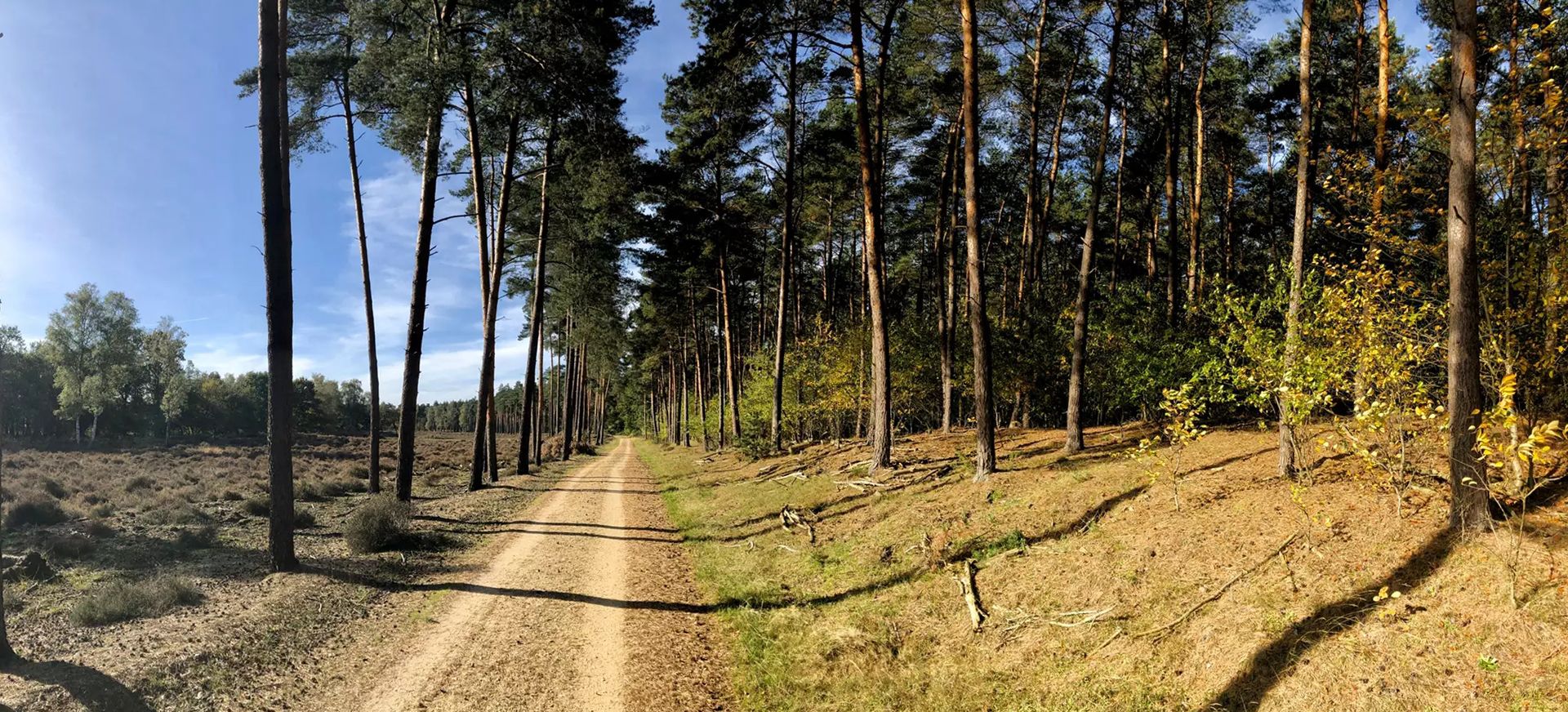
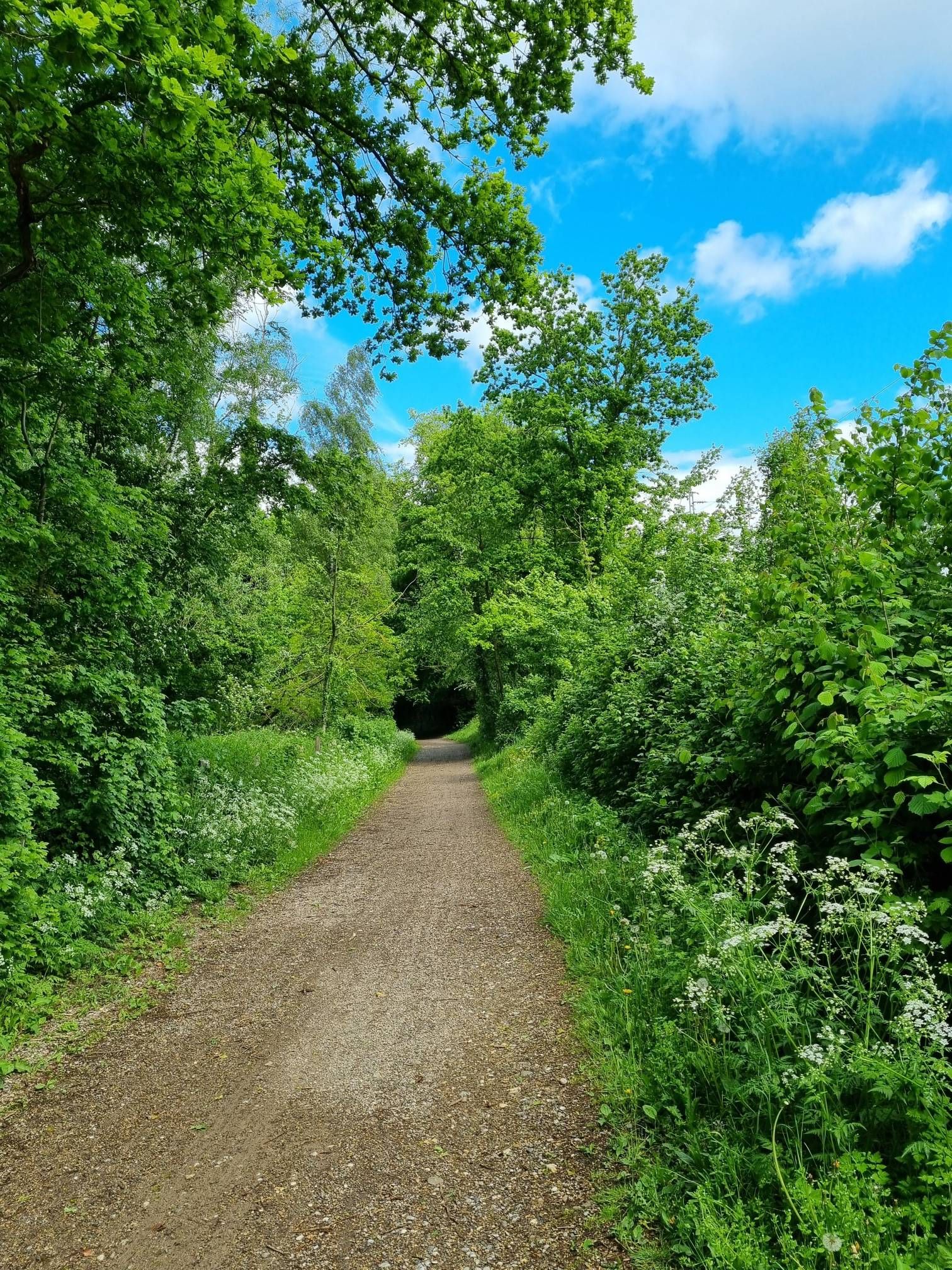
The driveway to Terborgh Castle leads visitors along a stately path into the Geleenbeek Valley. Flanked by tall trees and bordered by greenery, the avenue emphasizes the historic allure of the castle that has dominated the valley since the Middle Ages. As the cobblestones or gravel crunch underfoot or underfoot, the silhouette of the castle and its outbuildings unfolds at the end of the avenue. The driveway not only provides access to the castle but also an atmospheric transition from the village and countryside to the tranquil world around Terborgh.
0
0

The present castle is a building partially surrounded by a moat and consists of three wings around a courtyard. The oldest part is the west wing, originally a fortified house, built between 1554 and 1563 by the brothers Wilhelm and Werner von dem Bongart. This wing contains the original Knights' Hall with a 16th-century fireplace. The south wing and the east wing were built between 1717 and 1719 on the orders of Baron Joseph Clemens von dem Bongart. Around 1726, the entrance gate was raised and in 1775 a domed tower with a lantern was added. Above the entrance gate in the center of the south façade is the coat of arms of the Barony of Von dem Bongart.
3
0

Text board: In het TROOR van de BOKKERIJDERS Terborgh Castle Terborgh Castle, probably one of the oldest castle grounds in the province of Limburg, formed one of the new centres of power in the region from the Eleventh Century onwards. The lordship of Schingen had the high jurisdiction and therefore handled criminal cases itself. The court of aldermen was located in the castle, where a large number of gang members were interrogated, tortured and sentenced. The castle dungeons, where the accomplices of the Gangs of the Bokkerijders were locked up, are still located to the right under the entrance gate. Due to a lack of sufficient prison space, Joannes Catsbergh jr., alias Henske va Nagelbeck, was locked up in the great hall of the castle. Despite the heavy block on his body, he managed to move to the adjacent chapel and walked on ecclesiastical immunity, hoping to escape death in this way. However, this immunity was not granted to him. On January 28, 1751, Geerlingh Daniëls from Wolfhagen died here in the castle dungeon, regarded by the judiciary as one of the leaders of the gangs during the first and second periods.
1
0


Here is a driveway with old trees or a bridge over the water before you reach the building in the courtyard
0
0

A beautiful driveway for parking the car along Terborg Castle.
0
0

In the inner courtyard there is a fine brasserie, very suitable for a break.
14
0
During the Eighty Years' War, the original village of Stevensweert was expanded into a fortified town by the Spanish in 1633. An earthen wall with seven bastions and five ravelins was built. Part of Stevensweert is under town protection. The fortifications can still be seen in the city's unique street pattern. Be sure to take a look at the Stevensweert-Ohé en laak regional museum. In 2007, the reconstruction of a small part of the fortifications began based on historical maps of a bastion, a rave line and the associated north side of Stevensweert.
17
0


