20의 Sousel가지 명소 & 주요 장소
Sousel에는 둘러볼 만한 장소가 많답니다. 하이킹 또는 사이클링을 좋아한다면 Sousel에 숨겨진 20
가지 보석을 만날 수 있을 거예요. 이 지역의 주요 명소를 살펴보면서 다음 모험을 계획해보세요.
마지막 업데이트: 9월 8, 2026
폰트 다 가단냐, 에스트렘오즈
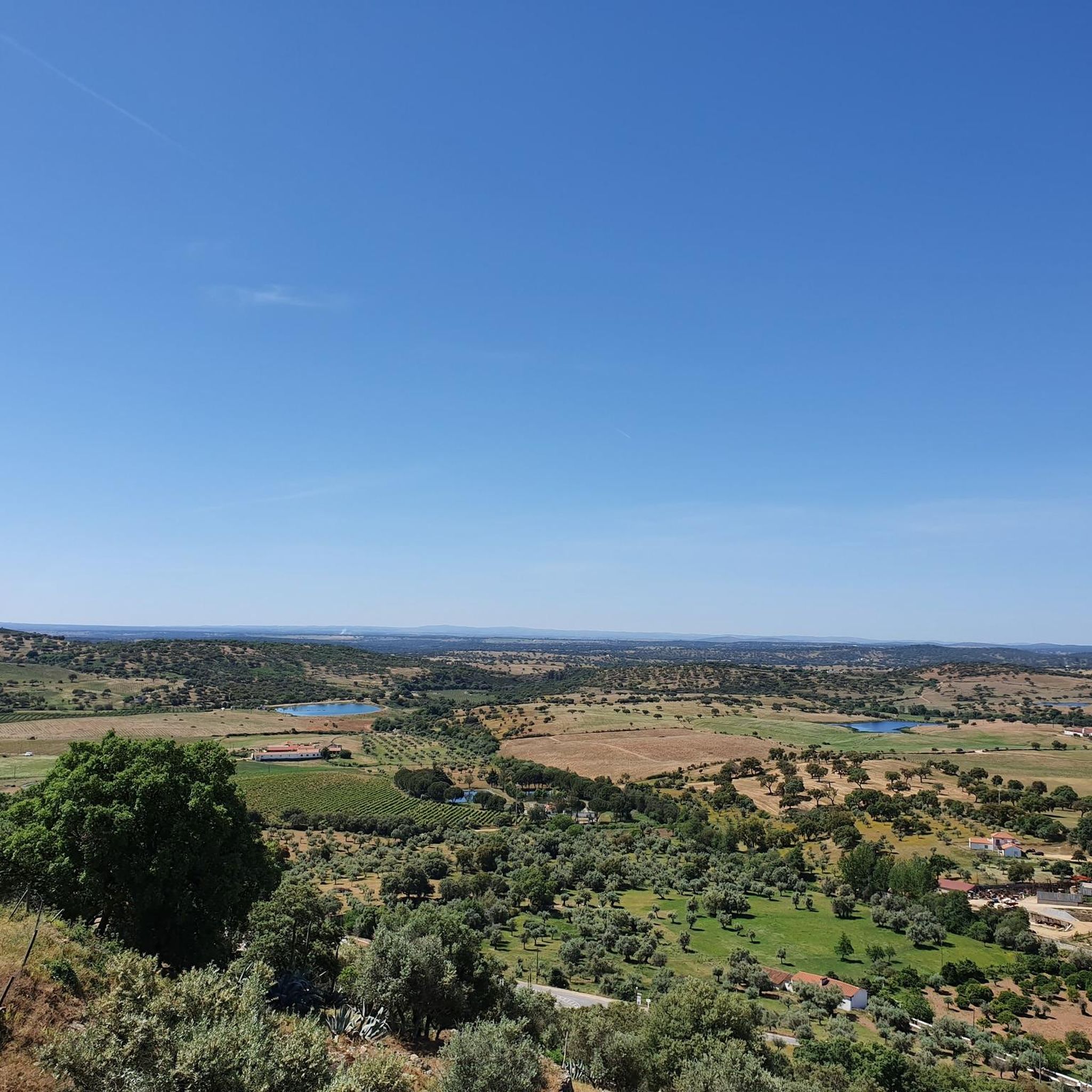
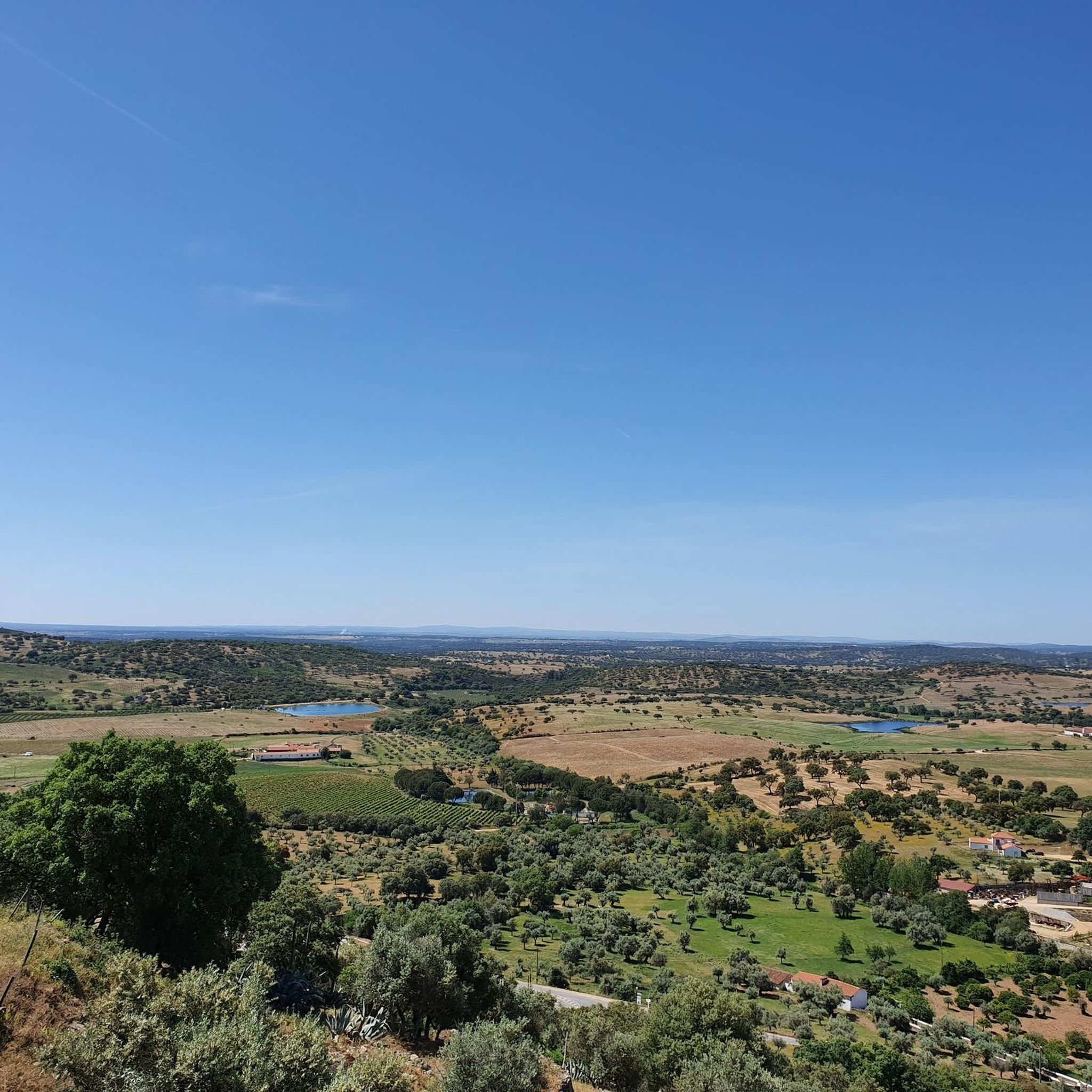
하이라이트 • 기념물
번역자 Google •
팁에 의해


이런 장소를 발견하려면 지금 가입하세요
최고의 싱글 트랙, 봉우리 및 다양한 흥미로운 야외 장소에 대한 추천을 받아보세요.
성녀 이사벨 여왕 동상
하이라이트 • 기념물
번역자 Google •
팁에 의해
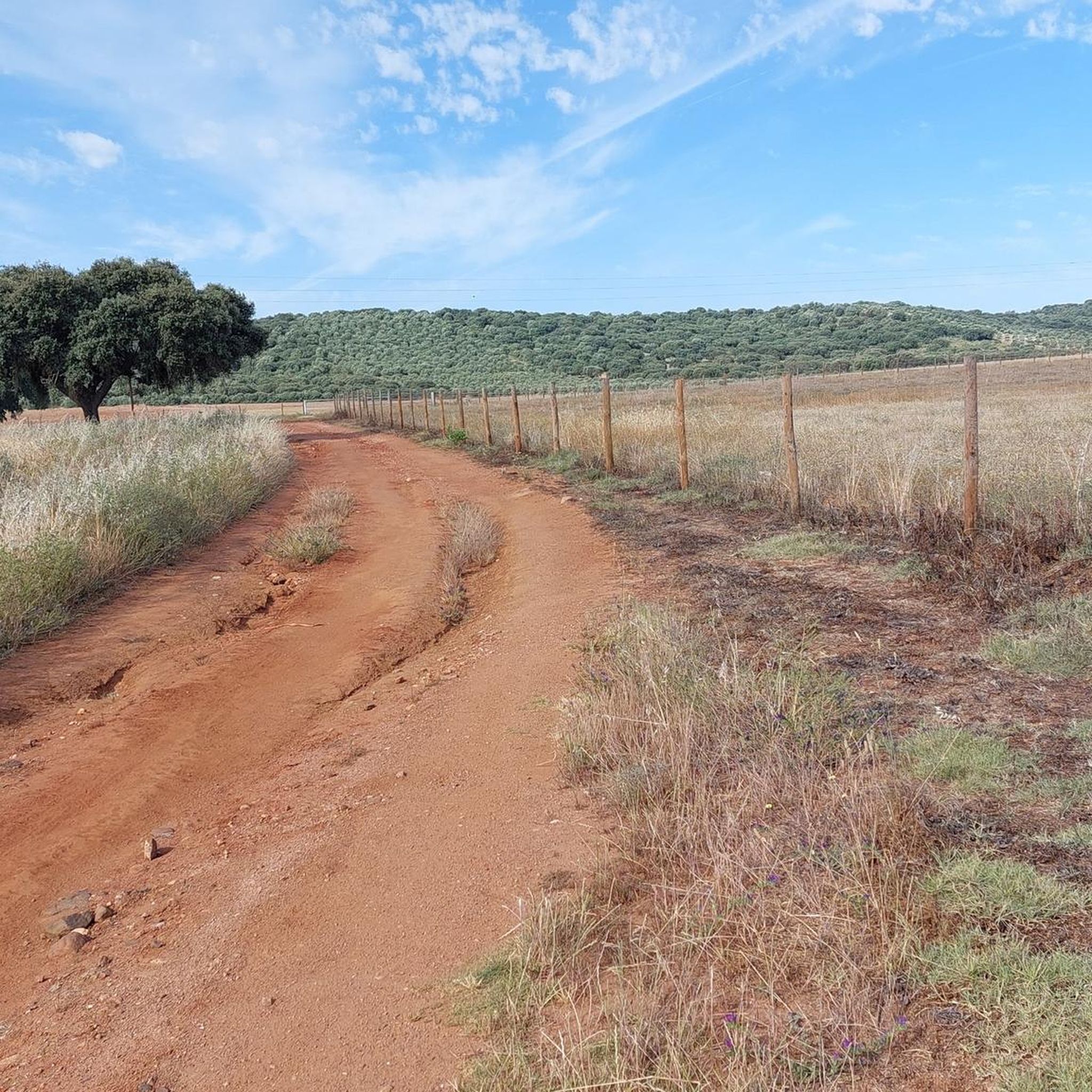
알렌테주 비포장 도로
하이라이트 • 트레일
팁에 의해

에스트렘오즈의 성 프란치스코 수도원 및 교회
하이라이트 • 종교적 장소
번역자 Google •
팁에 의해
무료로 가입하여 Sousel의 더 많은 명소를 발견하세요.
이미 komoot 계정이 있나요?
오늘 무료 계정으로 시작하세요
다음 모험이 기다리고 있어요.
Sousel 주변 인기 장소
커뮤니티 팁

포르투갈 알렌테주의 자갈길과 오솔길은 특별한 자연 경로를 제공합니다. 가장 잘 알려진 구간은 Rota Vicentina(어부의 길과 역사적 길)를 따라 있으며, Évora와 대서양 연안 사이의 시골 내륙의 자갈길에 있습니다.
0
0

The pousada is a castle built by King Dionysius for Queen Elizabeth of Portugal in the 13th century. It is located in the heart of the old town and is considered one of the most beautiful pousadas in Portugal.
3
0
The view of the castle from the west is particularly impressive. There you can clearly see the fortress character with its protruding walls.
5
0
Unfortunately, access to the viewing platform and the statue will be closed in May 2025.
5
1
Fonte da Gadanha Square is dominated by Lake Gadanha. Next to it is the 13th-century Convento São Francisco, dating from the reign of King Afonso III, which served as a barracks after secularization. From here, you have a magnificent view up to the castle and the castle. The square is surrounded by other interesting monuments and fountains.
4
1
It was built on the site where, during the reign of King Afonso III (1248-1279), a chapel dedicated to Saint Bento stood. His coat of arms can be seen at the end of the arch of the main chapel. The building is classified as a National Monument. Inside are the Chapel of the Third Franciscan and the Chapel of Saint Francis of Portugal (also a National Monument).
5
0
The famous statue of "Gadanha," located in the lake, originates from the Congregados Monastery and was only moved to the center of the lake in the mid-19th century. It originally represented the god Saturn, a symbol of abundance. The inscription on the base reads: "Time passes quickly."
3
0

Queen Saint Isabel of Aragon (1270-1336), wife of King D. Diniz (1261-1325), died in the Castle of Estremoz, at the age of 66, on July 4, 1336, from a sudden illness that occurred while she was heading to the border on a mission to bring peace between her son, D. Afonso IV (1291-1357), and her grandson, Alfonso XI of Castile (1311-1350). Against everyone's advice, D. Afonso wanted to fulfill his mother's purpose of being buried in the Monastery of Santa Clara. The long journey took place under the blazing July sun and, to everyone's amazement, despite the intense heat, the coffin gave off such a pleasant perfume that "no one had ever seen such a noble odour", as can be read in her first anonymous biography, known as “Legend or Relation”, written immediately after her death by someone who had been close to her, probably her confessor, Friar Salvado Martins, Bishop of Lamego, or one of the owners of Santa Clara who looked after her during her widowhood. The virtues of the Queen, later considered a Saint, were the reason for her beatification by Leo X (1475-1521) in 1516, with authorisation for her worship to be restricted to the Diocese of Coimbra. In 1556, Pope Paul IV (1476-1559) extended the Elizabethan devotion to the entire Kingdom of Portugal. It would be Pope Urban VIII (1568-1664), given the incorruption of the body and the report of miracles, who would proclaim in 1625, the canonization of Isabella of Aragon as a Holy Queen.
4
1
Sousel에서 가장 인기 있는 경로


더 살펴보기
찾고 있는 하이라이트를 아직 못 찾으셨나요? 다른 지역의 주요 명소 가이드를 확인해보세요:
