바트 츠비셰난에서 가장 멋진 10개의 동굴
성을 방문하는 건 언제나 특별한 일이에요. 하이킹을 하다가 잠깐 들를 때도, 가이드를 따라 제대로 둘러볼 때도 말이죠. 바트 츠비셰난에 있는 아름다운 성 10
곳을 아래에서 살펴본 후에 마음에 드는 성을 다음 모험 때 만나보세요!
마지막 업데이트: 10월 11, 2026


이런 장소를 발견하려면 지금 가입하세요
최고의 싱글 트랙, 봉우리 및 다양한 흥미로운 야외 장소에 대한 추천을 받아보세요.
Westerstede-Felde 비행장 (EDWK)
하이라이트 • 구조물
번역자 Google •
팁에 의해
엘멘도르프 성 언덕 (드라이휘겔-모테)
하이라이트 • 역사적 장소
번역자 Google •
팁에 의해

무료로 가입하여 바트 츠비셰난 주변의 더 많은 성을 발견하세요.
이미 komoot 계정이 있나요?
오늘 무료 계정으로 시작하세요
다음 모험이 기다리고 있어요.
바트 츠비셰난 주변 인기 장소
한레 부버 이터 시작리 - Ammerland 이미리 Jade 통화를
North Sea Hiking Days – between varied coast, moor & seaside towns
평화, 공간 및 신선한 공기 - 엠스-훈테 베그 하이킹
아니일 아스타은 가지 제목 공화리 시 East Frisia
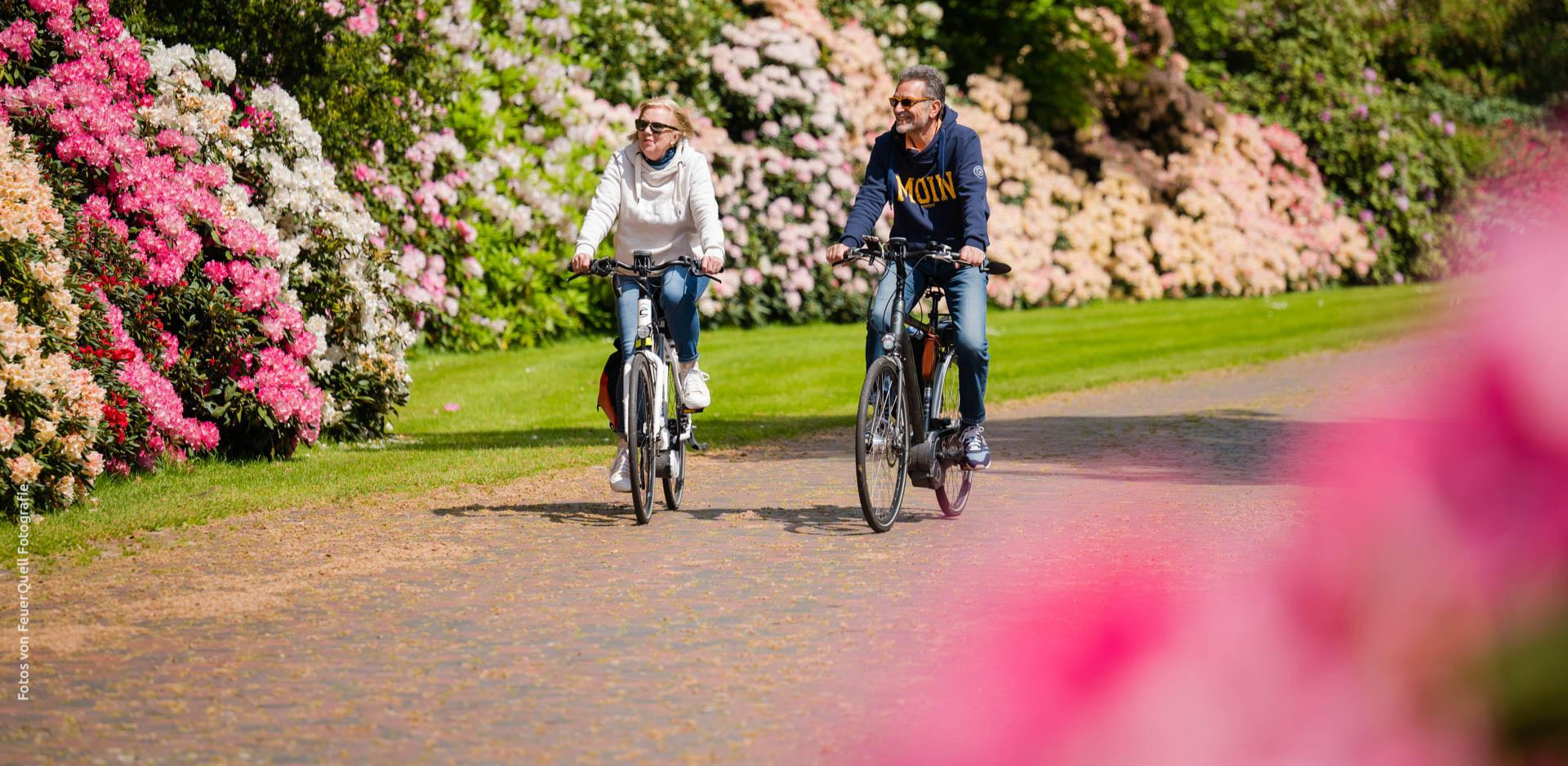
The 15 most beautiful themed Tours in Germany’s Ammerland
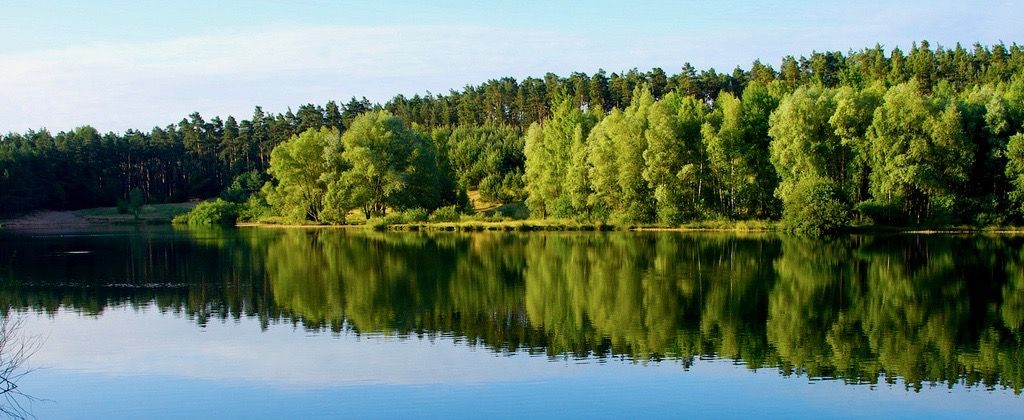
햇살이 좋은 주말을 위한 33개의 호수
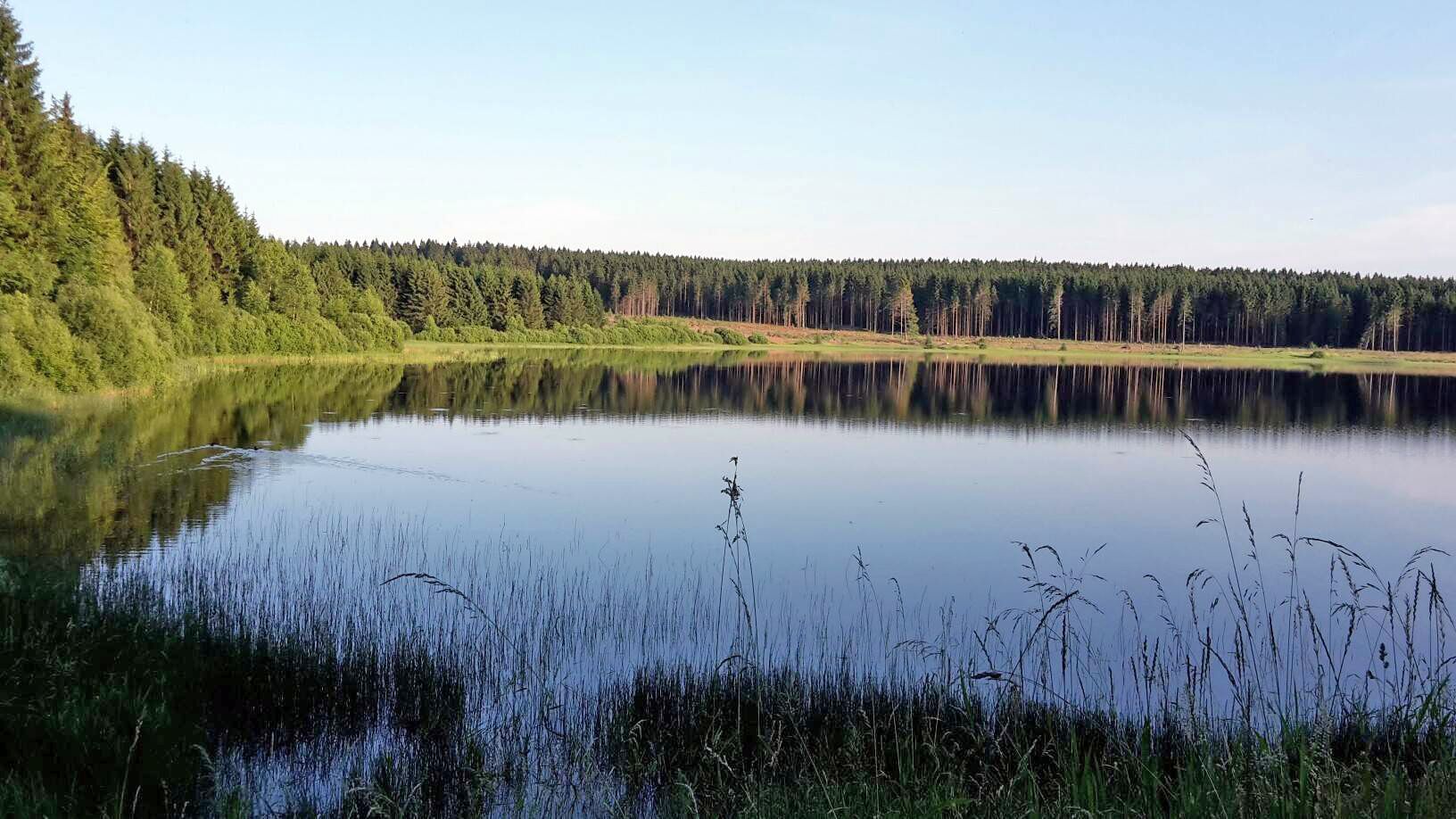
The best swimming lakes in Lower Saxony
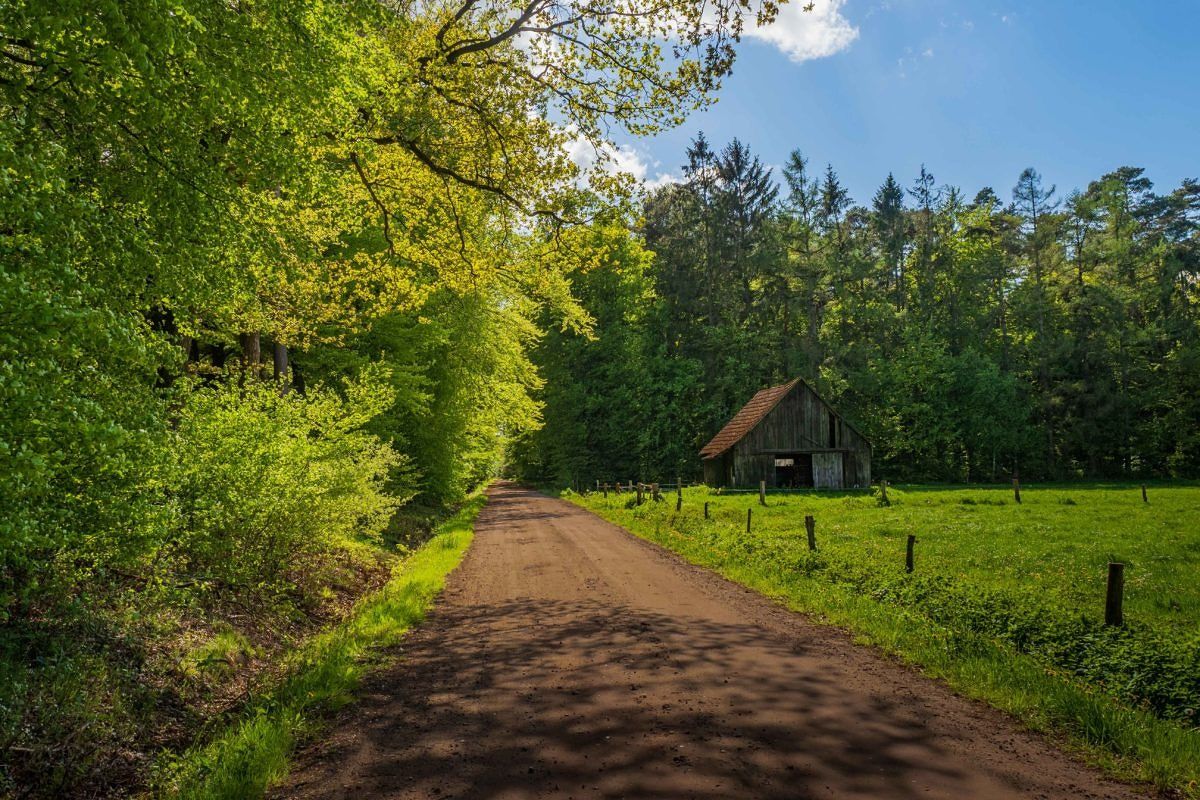
Spazierwanderwege in der Parklandschaft Ammerland
바트 츠비셰난 사이클링
바트 츠비셰난 하이킹
바트 츠비셰난 주변의 다른 모험


커뮤니티 팁


Excavations confirmed the existence of the complex - information boards: Three mountains used to be the Dreibergen castle hill. "Three mountains" stand out in the town of the same name on the northern shore of the sea. Many people have certainly puzzled over the hills. They are - as excavations by archaeologist Dr. Dieter Zoller prove - more than just simple elevations. In the middle of the twelfth century, a castle complex belonging to the Counts of Elmendorf stood here. Information boards present the history. https://www.bad-zwischenahn.de/de/gemeindeportrait/geschichte/Elmendorfer-Burg.php
6
0

As inconspicuous as the castle may be from the outside, it is all the more impressive from the inside. A visit is absolutely worthwhile and even teaches the locals something about "our" history. There are many interesting exhibits to discover. Tip: Drinks are not allowed in the museum. However, we were offered to keep our drinks behind the cashier. Very friendly staff!
5
0

The museum also shows changing exhibitions and has two other locations: the Augusteum houses the Old Masters Gallery, and the Prinzenpalais houses the New Masters Gallery with paintings from the 19th century onwards.
9
0

Historic representative rooms Some of the historic representative rooms in the castle have been largely preserved to this day. These include the Antiquarium, the oval reception room, the tower room, the blue, red and green salon, the Strack Hall, the throne room, the white hall, the marble hall, the idyllic room and the castle hall. The large castle hall was built in the neo-Renaissance style and decorated with ceiling paintings by the Delmenhorst-born painter Arthur Fitger (1840–1909). The oval reception room was designed under Grand Duke Paul Friedrich August in 1836. The room was to be completed the following year for the wedding of his daughter Amalie to the Greek King Otto I. The lavish plan approved by the Grand Duke included a "boiserie" (paneling) made of light satin wood and 48 mirrored panes for the doors. However, to the great annoyance of the Grand Duke, the work was not completed on time.
11
1
History The castle is based on a medieval lowland castle, which was built around 1100 by the Counts of Oldenburg to control a long-distance trade route from Westphalia to East Frisia. It was first explicitly mentioned in 1275, and a keep appears in a document in 1313. At that time, the individual buildings had to be founded on oak piles. Around 1400, the complex, which was laid out in a circle, was given a moat with an outer wall under Count Dietrich the Lucky, and thus became a moated castle. Numerous residential and commercial buildings were gathered in a small area, which housed a court of around 350 people around 1600. In 1573, the castle was considered dilapidated and was therefore renovated piece by piece. The keep in the middle of the courtyard had already become slanted by 1599 due to the marshy ground and was therefore demolished in 1608.
12
0
Elmendorf Castle, also called Elmendorf Castle or Three Hill Motte, is a ruined tower hill castle (motte) in the Dreibergen nature reserve on the northern shore of the Zwischenahner Meer near Elmendorf, a district of Bad Zwischenahn in the Ammerland district in Lower Saxony.
3
0

Köhlmoor Castle was rebuilt in 2014 and is located next to the airfield in Felde - Westerstede. The castle received its name because the “Köhlmoor” was once located in this area. In the 17th/18th In the 19th century, two families lived here and burned high-quality charcoal from the heavy peat. The style of the house is modeled on historic Renaissance country house castles both inside and out. The outer facade - a dream of white and yellow - is decorated with shell and stucco ornaments. A large mural decorates the entrance area.
4
1


