차드 저수지 최고의 MTB 라이딩 경로
8
자전거 타는 사람
6
라이딩
차드 저수지 주변 산악자전거
차드 저수지 주변의 산악자전거는 탁 트인 물가, 야생화 초원, 삼림 가장자리를 특징으로 하는 다양한 풍경을 가로지르는 경로를 제공합니다. 이 지역은 습지 삼림과 갈대밭을 포함한 다양한 서식지가 혼합되어 있어 라이딩에 다채로운 경치를 선사합니다. 트레일은 포장된 구간과 비포장 구간을 모두 포함하며, 종종 주변 경로와 옛 철도 노선을 활용합니다. 이러한 지형은 야외 활동에 역동적인 배경을 제공합니다.
차드 저수지 주변 최고의 산악자전거 트레일
- 가장 인기 있는 산악자전거 트레일은 일민스터 출발 도냐트 홀트 – 차드 저수지 자연 보호 구역 루프로,…
마지막 업데이트: 10월 13, 2026
1
자전거 타는 사람
38.0km
03:17
940m
940m
어려운 산악 자전거 타기. 우수한 체력 필요. 실력과 관계없이 누구나 갈 수 있음.
2
자전거 타는 사람
23.7km
01:38
340m
340m
보통 산악 자전거 타기. 좋은 체력 필요. 실력과 관계없이 누구나 갈 수 있음.

3
자전거 타는 사람
39.4km
02:51
600m
600m
보통 산악 자전거 타기. 좋은 체력 필요. 실력과 관계없이 누구나 갈 수 있음.
18.1km
01:11
250m
250m
초급용 산악자전거 라이딩. 모든 체력 수준에 적합. 실력과 관계없이 누구나 갈 수 있음.
2
자전거 타는 사람
27.2km
01:50
350m
350m
보통 산악 자전거 타기. 좋은 체력 필요. 실력과 관계없이 누구나 갈 수 있음.
투어 추천은 다른 사람들이 komoot에서 완료한 수천 개의 활동을 바탕으로 구성되어 있습니다.
오늘 무료 계정으로 시작하세요
다음 모험이 기다리고 있어요.
차드 저수지 주변 인기 장소

커뮤니티 팁


만약 "King of the Hill" 게임을 하고 싶다면, 네로체 성은 블랙다운 힐스에 숨겨진 최고의 놀이터가 될 것입니다. 이곳은 흔한 동화 속 돌 крепость가 아니라 거대한 녹색 다층 케이크처럼 보이는 거대한 노르만 "모트 앤 베일리" 토공입니다. 고대 토공: 가파른 둑을 기어 올라 거의 1,000년 전에 침략자들을 막았던 인상적인 방어 도랑을 확인하세요. 웅장한 전망: 맑은 날에는 정상에서 콴톡 힐스와 브리스톨 해협까지 뻗어 있는 "세상 꼭대기"의 경치를 감상할 수 있습니다. 숲 속 산책: 주변 숲은 소나무 숲을 통해 그림자가 드리워진 분위기 있는 산책을 즐기기에 완벽합니다.
1
0

An informative 3D view of the geology under the landscape of Neroche and Staple Hill
0
0
Castle Neroche is a significant historical site in Somerset, England, located on the northern escarpment of the Blackdown Hills. It is not a standing stone castle today, but rather a complex of impressive earthworks that reveal a long history of use.
1
0

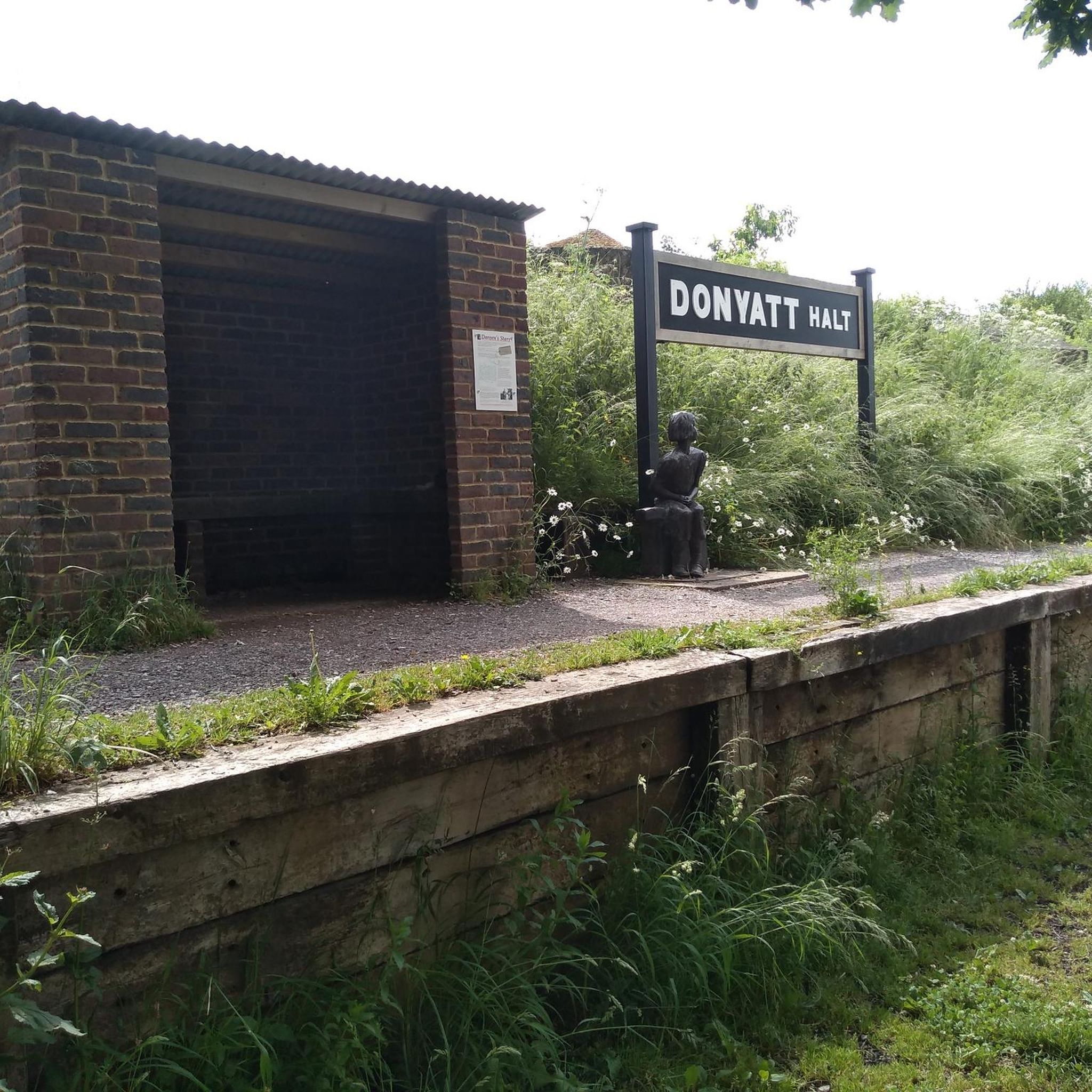
Donyatt Halt Records for Donyatt Halt state: "This halt, opened on May 5th, 1928, has a single platform edged with wooden sleepers, and a small wooden shelter. A pathway leads up from the platform to the road, which crosses the line by an overbridge at the Ilminster end of the platform. An ornate oil lamp stands at the top of the path and there are various posts with brackets for hanging oil lamps in winter." It would be the guard's duty to light and extinguish these lamps. Five trains a day operated in each direction taking about 45 minutes for the 15 - mile journey from Taunton to Chard, having made stops at Thornfalcon, Hatch, Ilton, Ilminster and Donyatt. Donyatt.com
0
0

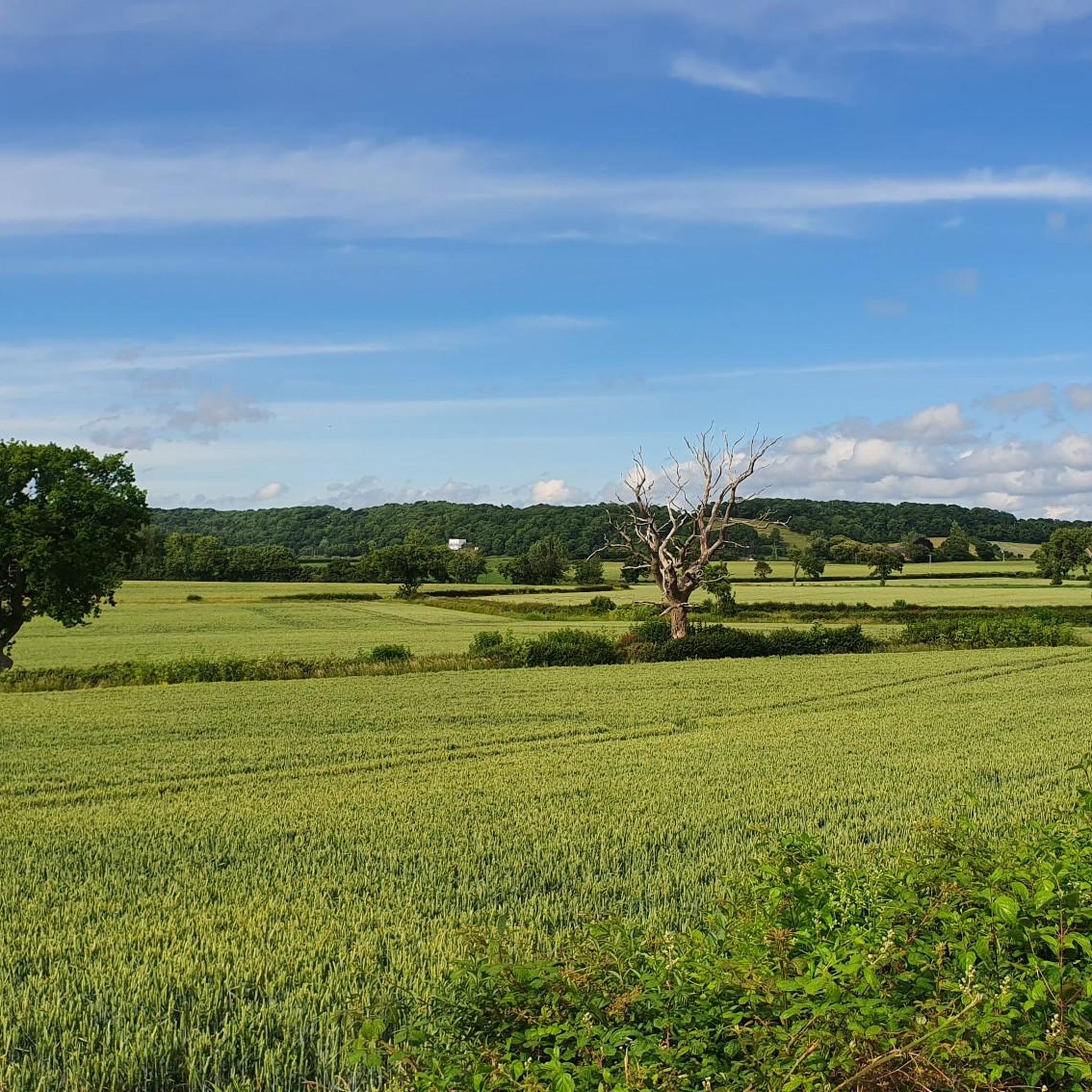
Perfectly placed after a steep climb with wonderful views across the levels and beyond...
0
0


더 살펴보기
다른 지역의 최고의 MTB 트레일를 살펴보세요.
