구츠제 최고의 워킹 & 하이킹 경로
4.5
(2336)
8,090
등산객
348
하이킹
구츠제 최고의 하이킹과 워킹을 찾으시나요? 그렇다면 아름다운 다메 레이크랜드 호수 주변에 있는 경로 컬렉션을 아래에서 살펴보세요. 구츠제에 있는 하이킹 트레일 중에서 마음에 드는 곳을 선택해 언제든지 야외 활동을 하면 돼요.
마지막 업데이트: 8월 20, 2026
4.3
(4)
13
등산객
3.23km
00:49
10m
10m
초급용 하이킹. 모든 체력 수준에 적합. 실력과 관계없이 누구나 쉽게 갈 수 있는 길.
4.7
(3)
10
등산객
보통 하이킹. 좋은 체력 필요. 실력과 관계없이 누구나 쉽게 갈 수 있는 길.

무료 회원 가입
5.0
(1)
3
등산객
5.77km
01:28
20m
20m
초급용 하이킹. 모든 체력 수준에 적합. 실력과 관계없이 누구나 쉽게 갈 수 있는 길.
1
등산객
8.84km
02:18
60m
60m
보통 하이킹. 좋은 체력 필요. 실력과 관계없이 누구나 쉽게 갈 수 있는 길.
4.8
(6)
26
등산객
14.0km
03:34
30m
30m
보통 하이킹. 좋은 체력 필요. 실력과 관계없이 누구나 쉽게 갈 수 있는 길.
더 다양한 경로와 다른 탐험가들의 추천을 살펴보세요.
무료 회원 가입
이미 komoot 계정이 있나요?
투어 추천은 다른 사람들이 komoot에서 완료한 수천 개의 활동을 바탕으로 구성되어 있습니다.
오늘 무료 계정으로 시작하세요
다음 모험이 기다리고 있어요.
로그인 또는 가입하기
구츠제 주변 인기 장소
커뮤니티 팁


The Prieros fire station stood empty during the war before the school used it as a milk house until shortly before the fall of the Berlin Wall, where the children received their daily milk. The Prieros 1926 Fire Brigade Association, founded in 1995, renovated the building and has since maintained the small fire brigade museum “Fire Station anno 1926” at its historic location. The museum houses the Prieros fire brigade's first fire engine, which is still operational.
1
0
The local history museum in Prieros is a half-timbered house over 250 years old, located directly on the village green. It houses an exhibition on rural life and culture, as well as local history. The centerpiece is the "black kitchen" with its imposing chimney. Art enthusiasts can also learn about the painter Max Lingner, who lived in a summer house in Prieros during the last years of his life. In the early 1950s, the house had become dilapidated and was slated for demolition. Thanks to the initiative of Arnold Breithor (1883-1955), a Berlin bank official who had worked as a chronicler in the village during the 1920s, the plans were averted. Together with the village schoolteacher Heinz Schulz, the archaeologist Karl Hohmann, and other community representatives, including Rudolf Noack, he campaigned for the preservation of the house. In the early 1950s, the building was placed under historical monument protection. The museum was officially opened on August 14, 1955. Since then, the building has been used as a local history museum. Source, among others: https://de.wikipedia.org/wiki/Fachwerkwohnhaus_(Prieros)
0
0

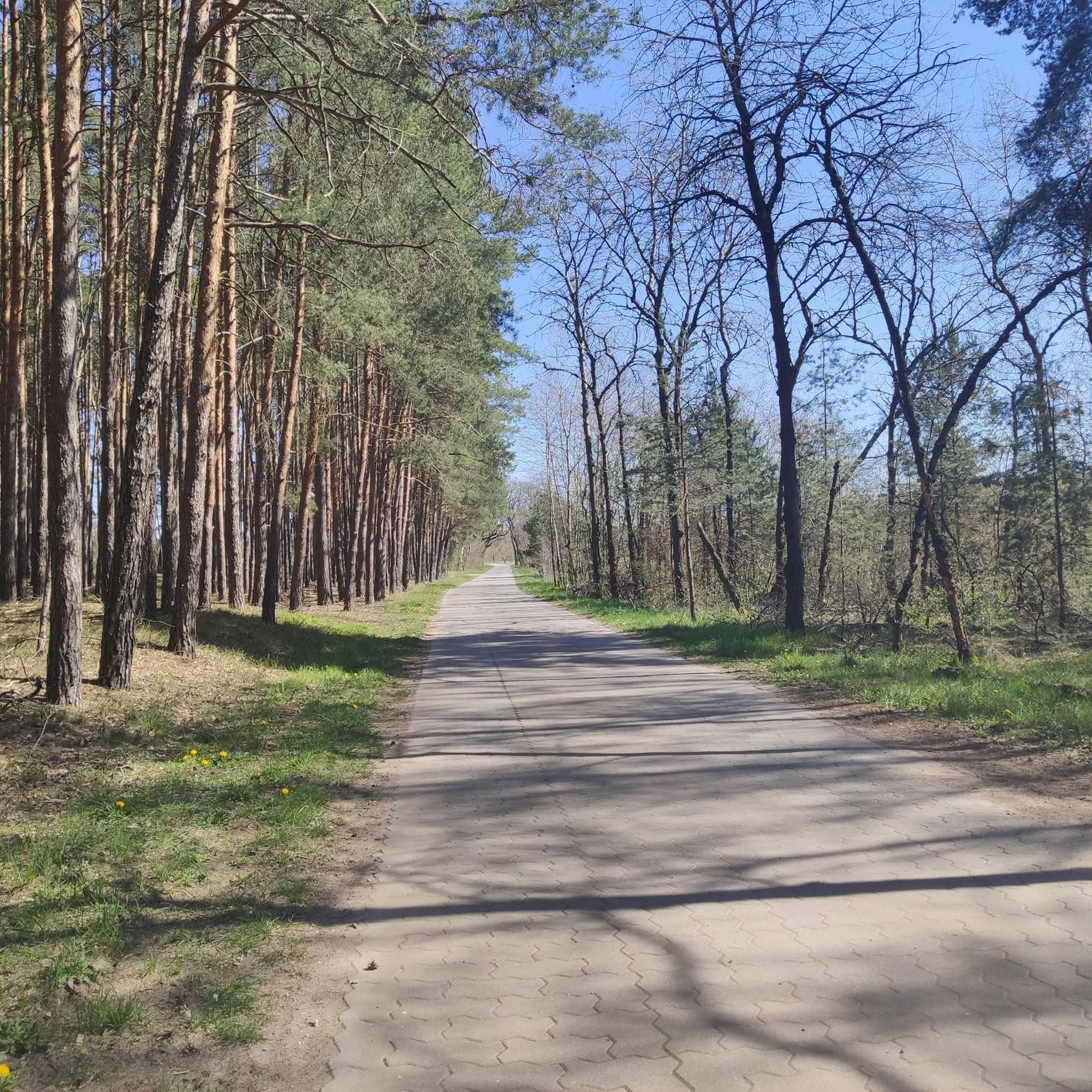
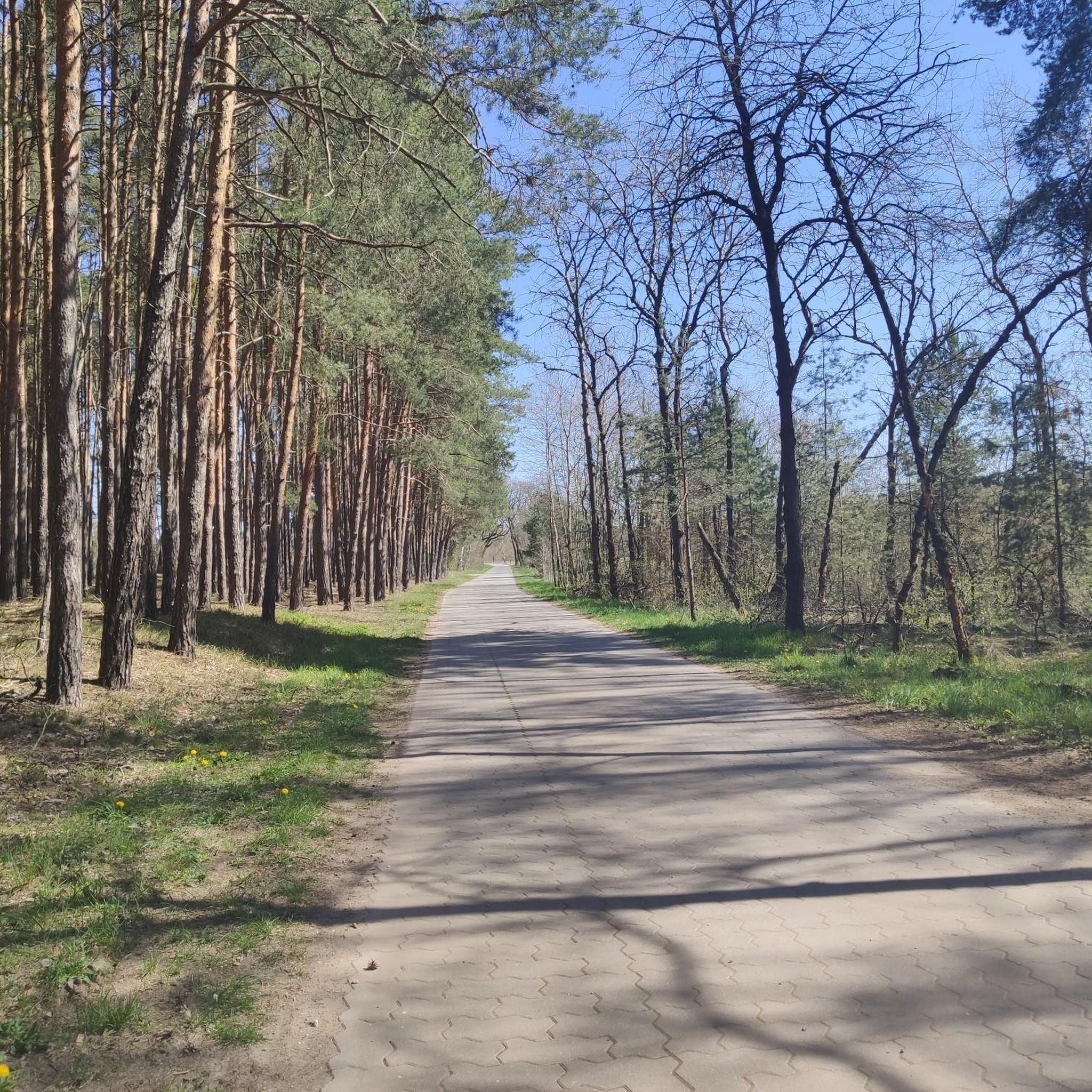
Paved bike path. Double lane
0
0


The over 250-year-old historic half-timbered house's permanent exhibition showcases the rural lifestyle and local history of Prieros. The museum also displays archaeological finds from the Stone and Bronze Ages, as well as objects from the region's everyday culture. It also introduces visitors to historical working methods and craft techniques. The Dahme-Heideseen Nature Park is also featured in the exhibition. Opening hours and admission: www.heimatverein-prieros.de
0
0

A beautiful, wide view over the huge forest area to Tropical Islands, a good covered rest area, but only accessible by mountain bike or gravel bike, and even that is borderline 😬
0
0

Streganz is a typical circular village with preserved fieldstone buildings and an old tree population on the village green. Archaeological finds show that Streganz was founded around 1100 at the earliest. There was a Bronze Age settlement, but after that the Streganz area was uninhabited for more than a thousand years. The first settlers were a family called Stregan, after whom the place was named. The descendants' names changed over the next few centuries to Strenga and then to Strenge. The core of the settlement was the village meadow with the farms that were under the jurisdiction of the Storkow office. In 1514, a manor was added as a fief, which was managed by farmers and cottagers who lived on the village street. A manor house was not built until 1745. The inhabitants of the village were under the jurisdiction of their respective lords, i.e. the Storkow office or the lord of the manor. It was only after 1811 that the residents were able to purchase the farms as property in exchange for a cash payment. The purchase price was usually ten times the value of the annual dues to the employer. In 1840, almost all of the buildings in the village were made of timber-framed wood, including the old manor house. Only on the Lehnschulzenhof, Dorfaue 20, were there two stone buildings. The Lehnschulze was the "mayor" of the Storkow district. After one of the Silesian Wars between 1740 and 1763, a peace oak was planted on the Dorfaue, today an impressive tree in good condition. The layout of the individual plots on the Dorfaue and Dorfstraße has been preserved over the centuries, only the buildings have been gradually renovated. Streganz has changed very little to this day.
0
0


더 살펴보기
다른 지역의 최고의 하이킹를 살펴보세요.
