마르케사도 최고의 사이클링 경로
4.4
(3284)
70,994
자전거 타는 사람
678
라이딩
마르케사도에서 하이킹하며 알리칸테 구석 부분까지 살펴볼까요? 마르케사도에 있는 모든 하이킹 및 워킹 경로 컬렉션 중 가장 멋진 하이킹 경로를 엄선하여 소개해드릴게요. 다른 하이커가 공유한 실제 팁과 사진을 살펴보고 후기를 읽으며 마음에 드는 마르케사도 워킹 경로를 찾아보세요.
마지막 업데이트: 10월 10, 2026
4.1
(64)
247
자전거 타는 사람
34.1km
02:11
420m
410m
Cycle 21.2 miles (34.1 km) through Parque Natural del Montgó from Dénia to Jávea, enjoying coastal views and the Cap de Sant Antoni Lighthou
4.4
(68)
229
자전거 타는 사람
20.3km
01:13
60m
60m
This easy 12.6-mile touring cycling route in Dénia combines the flat Vía Verde with a scenic coastal return, offering diverse landscapes.

4.3
(13)
275
자전거 타는 사람
34.9km
02:25
520m
520m
This difficult 21.7-mile touring cycling route from Benissa offers stunning coastal views, vineyards, and landmarks like the Cap Blanc Cliff
4.6
(14)
2,648
자전거 타는 사람
25.1km
01:33
250m
250m
보통 자전거 타기. 좋은 체력 필요. 대부분 포장된 지면. 실력과 관계없이 누구나 갈 수 있음.
4.7
(9)
2,802
자전거 타는 사람
27.4km
01:44
260m
260m
보통 자전거 타기. 좋은 체력 필요. 대부분 포장된 지면. 실력과 관계없이 누구나 갈 수 있음.
4.3
(11)
2,409
자전거 타는 사람
28.6km
01:56
450m
450m
어려운 자전거 타기. 우수한 체력 필요. 대부분 포장된 지면. 실력과 관계없이 누구나 갈 수 있음.
4.4
(25)
124
자전거 타는 사람
29.3km
01:54
360m
360m
Cycle a moderate 18.2-mile (29.3 km) route from Pedreguer, passing the Gorgos River Viaduct and the Greenwich meridian marker.
4.2
(18)
59
자전거 타는 사람
32.9km
02:23
620m
620m
어려운 자전거 타기. 우수한 체력 필요. 대부분 포장된 지면. 실력과 관계없이 누구나 갈 수 있음.
1,993
자전거 타는 사람
30.2km
02:15
730m
730m
어려운 자전거 타기. 우수한 체력 필요. 대부분 포장된 지면. 실력과 관계없이 누구나 갈 수 있음.
4.6
(21)
80
자전거 타는 사람
22.9km
01:44
550m
550m
어려운 자전거 타기. 우수한 체력 필요. 대부분 포장된 지면. 실력과 관계없이 누구나 갈 수 있음.
더 다양한 경로와 다른 탐험가들의 추천을 살펴보세요.
이미 komoot 계정이 있나요?
투어 추천은 다른 사람들이 komoot에서 완료한 수천 개의 활동을 바탕으로 구성되어 있습니다.
오늘 무료 계정으로 시작하세요
다음 모험이 기다리고 있어요.
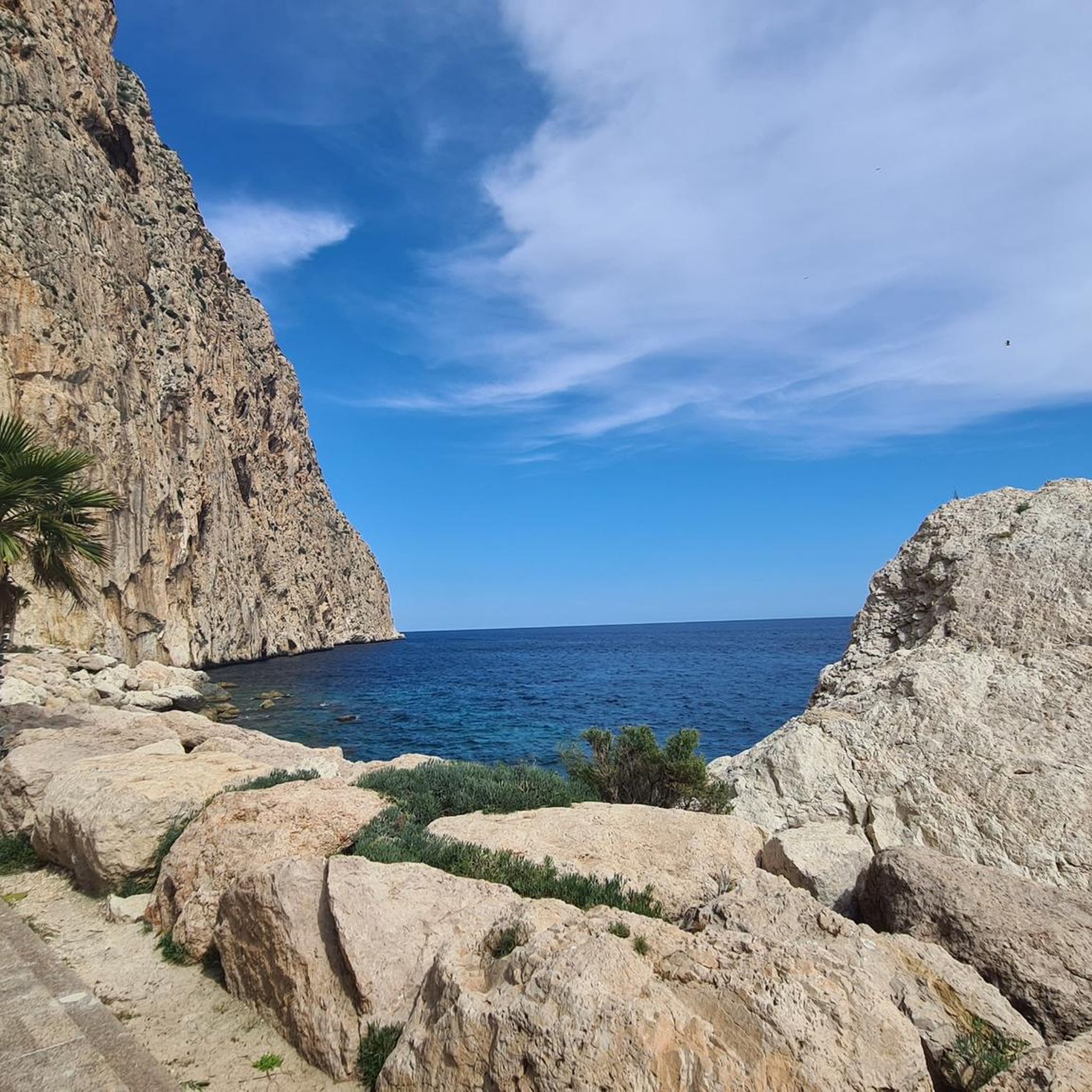
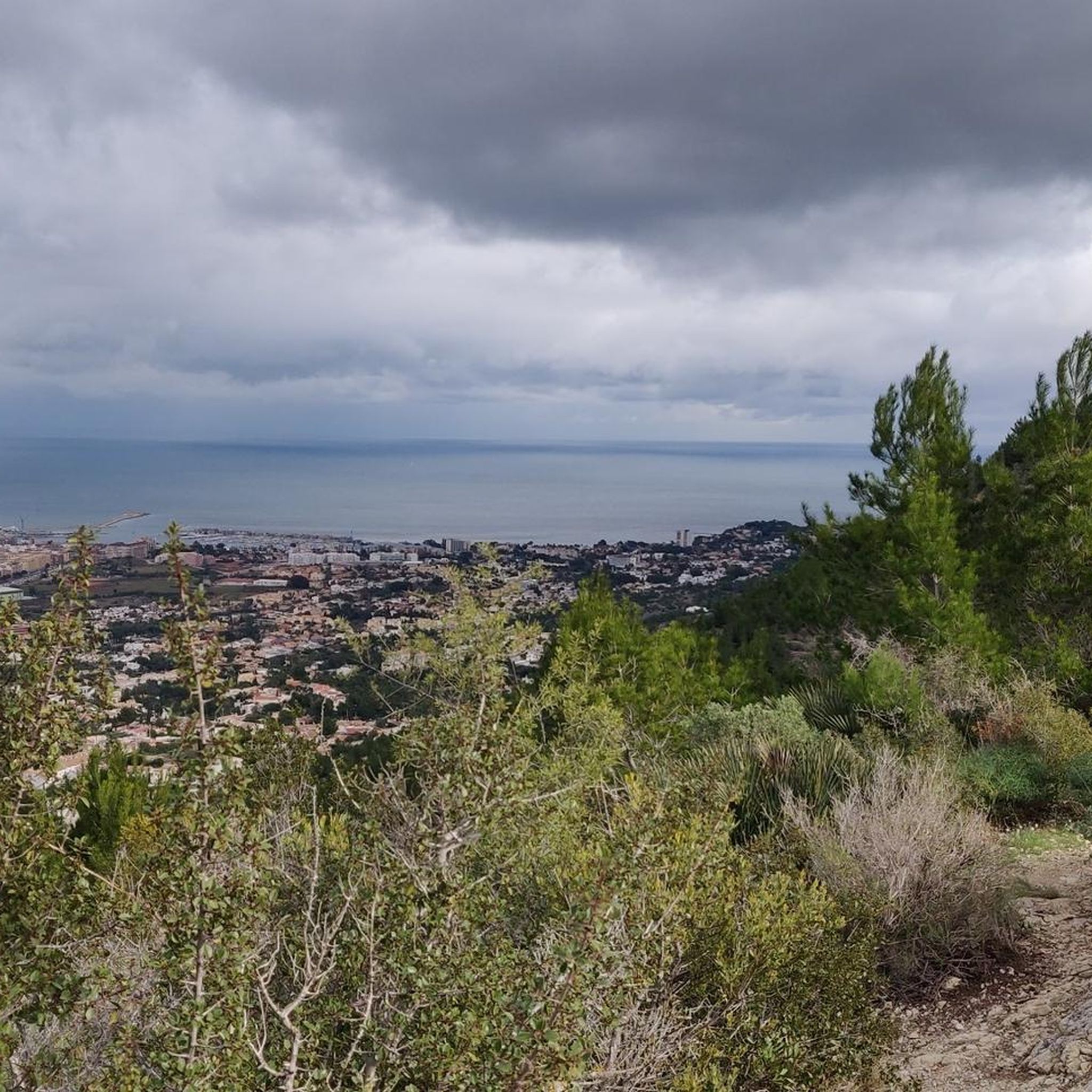
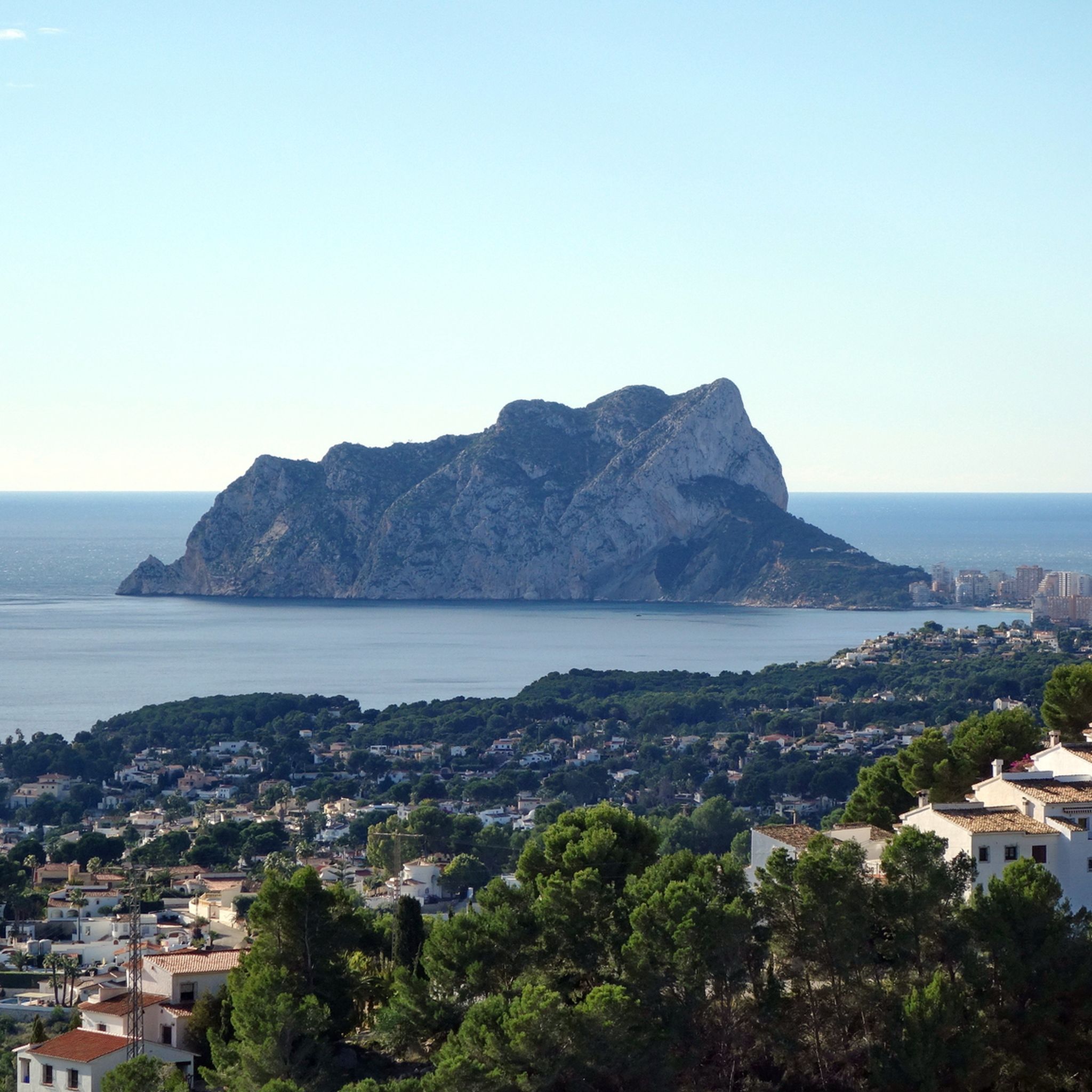
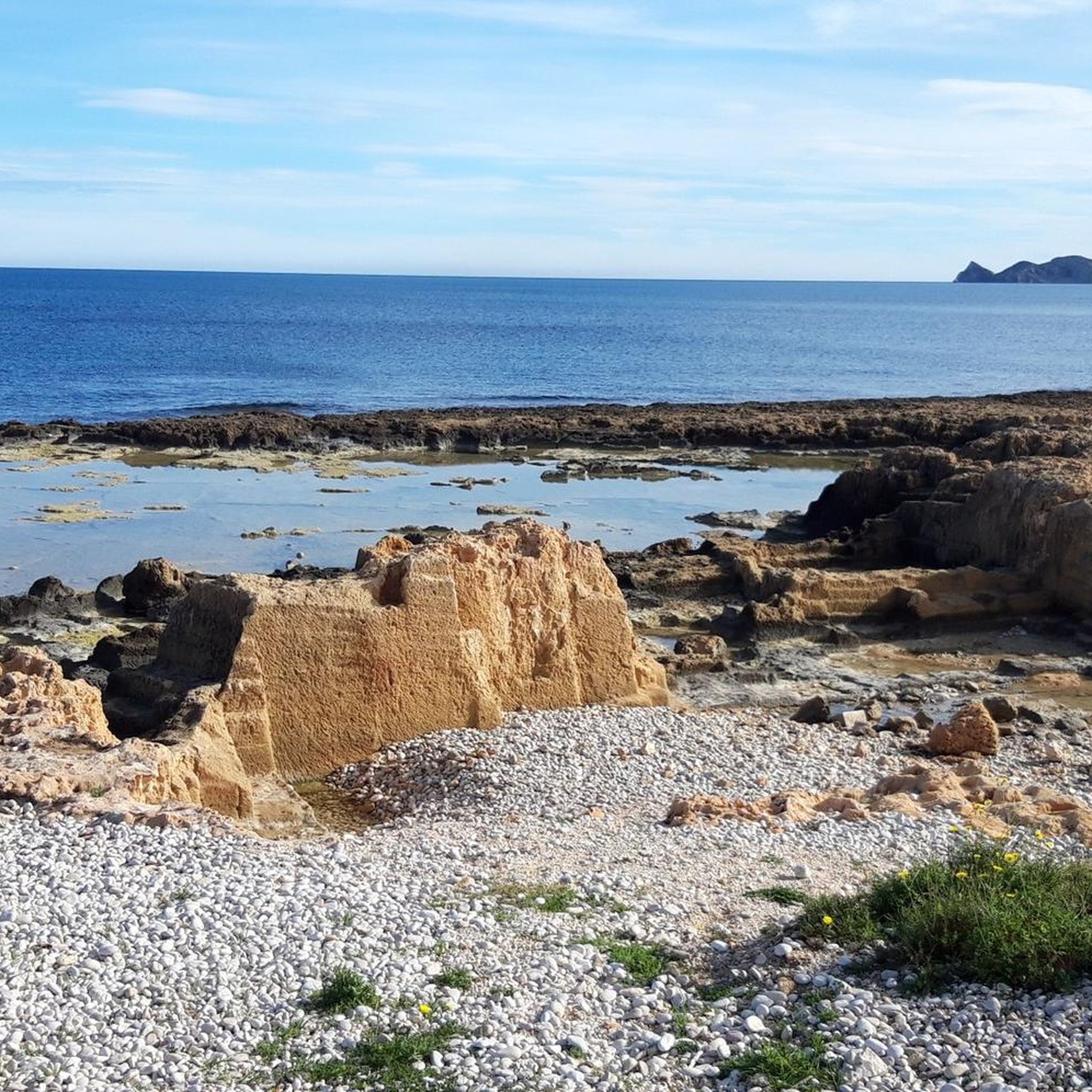
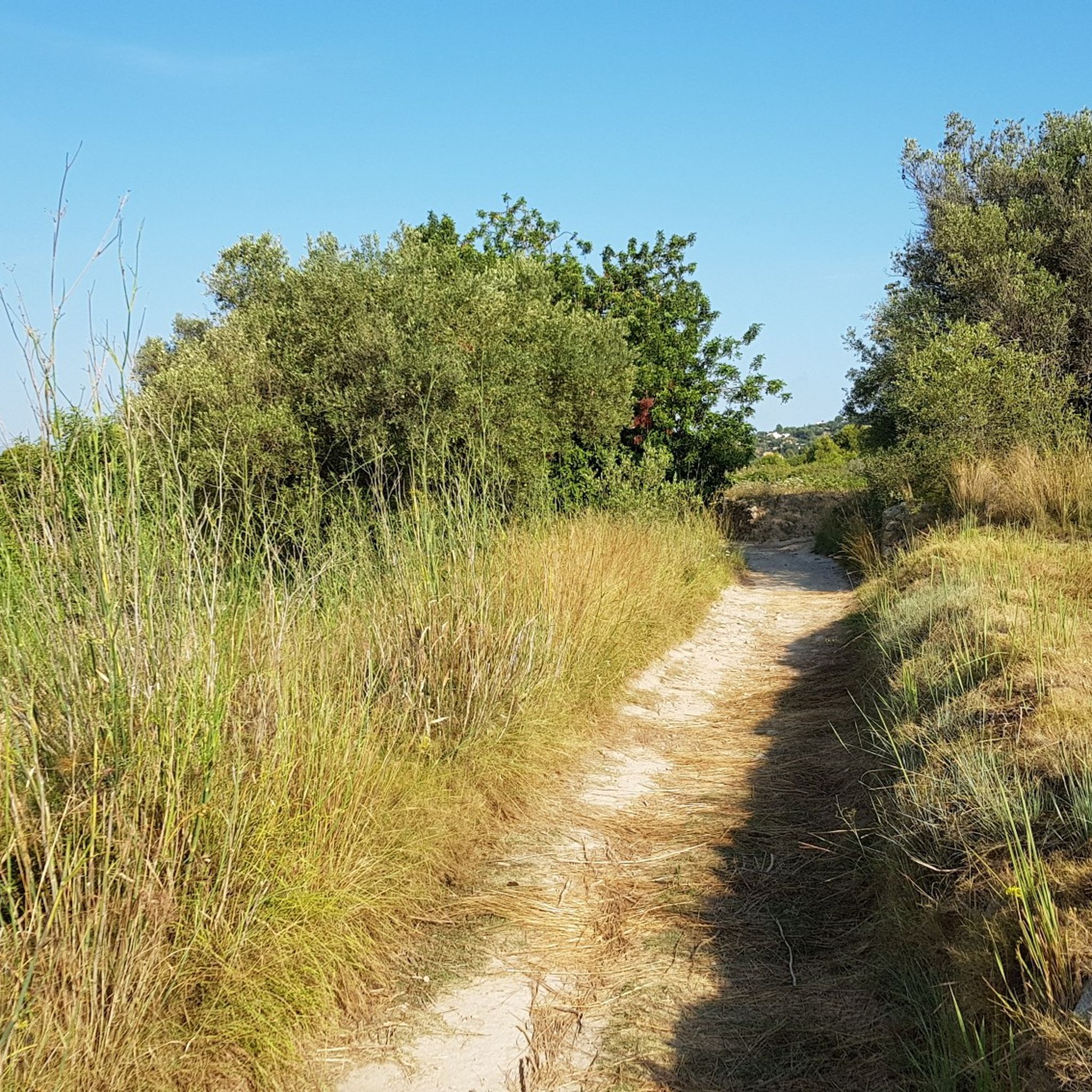
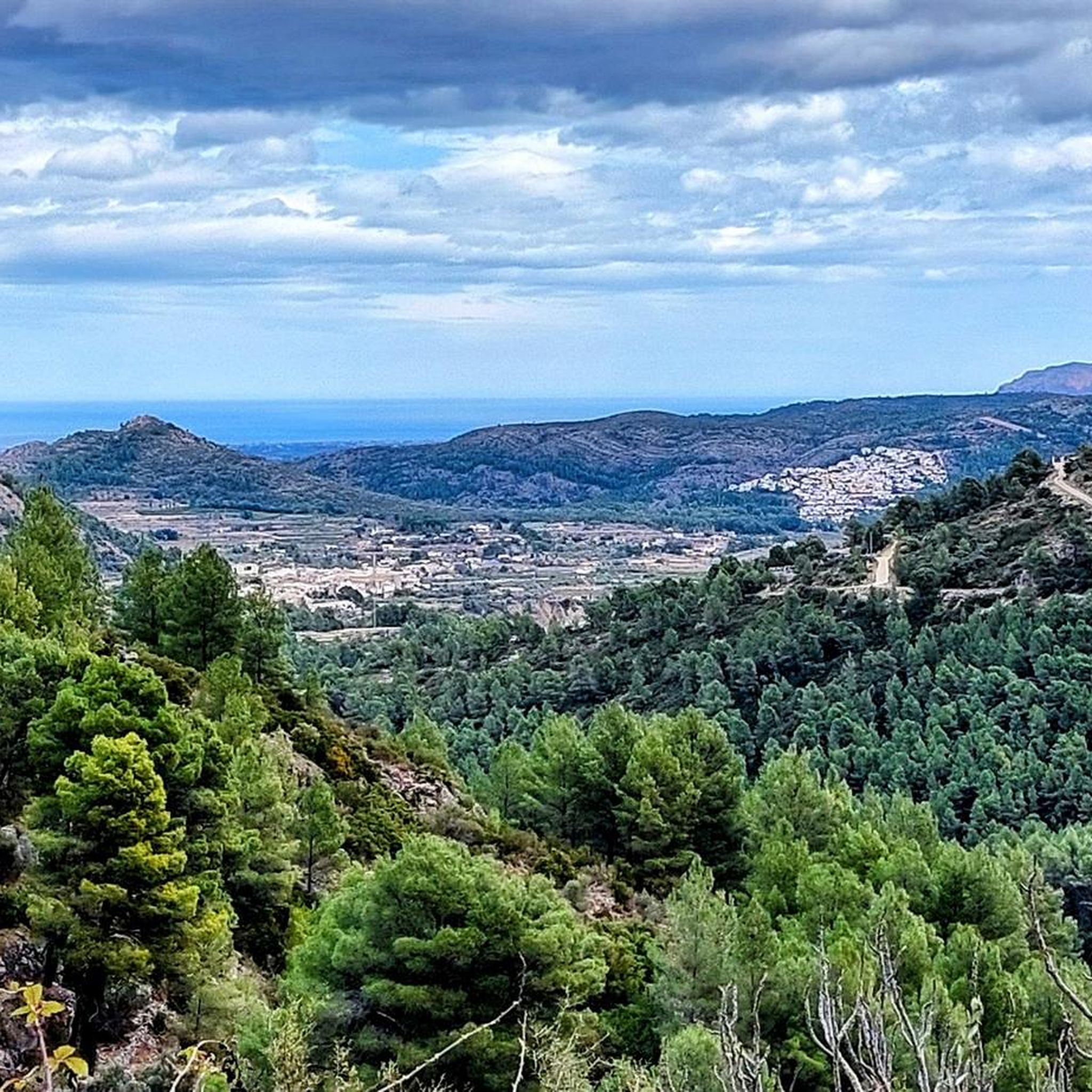
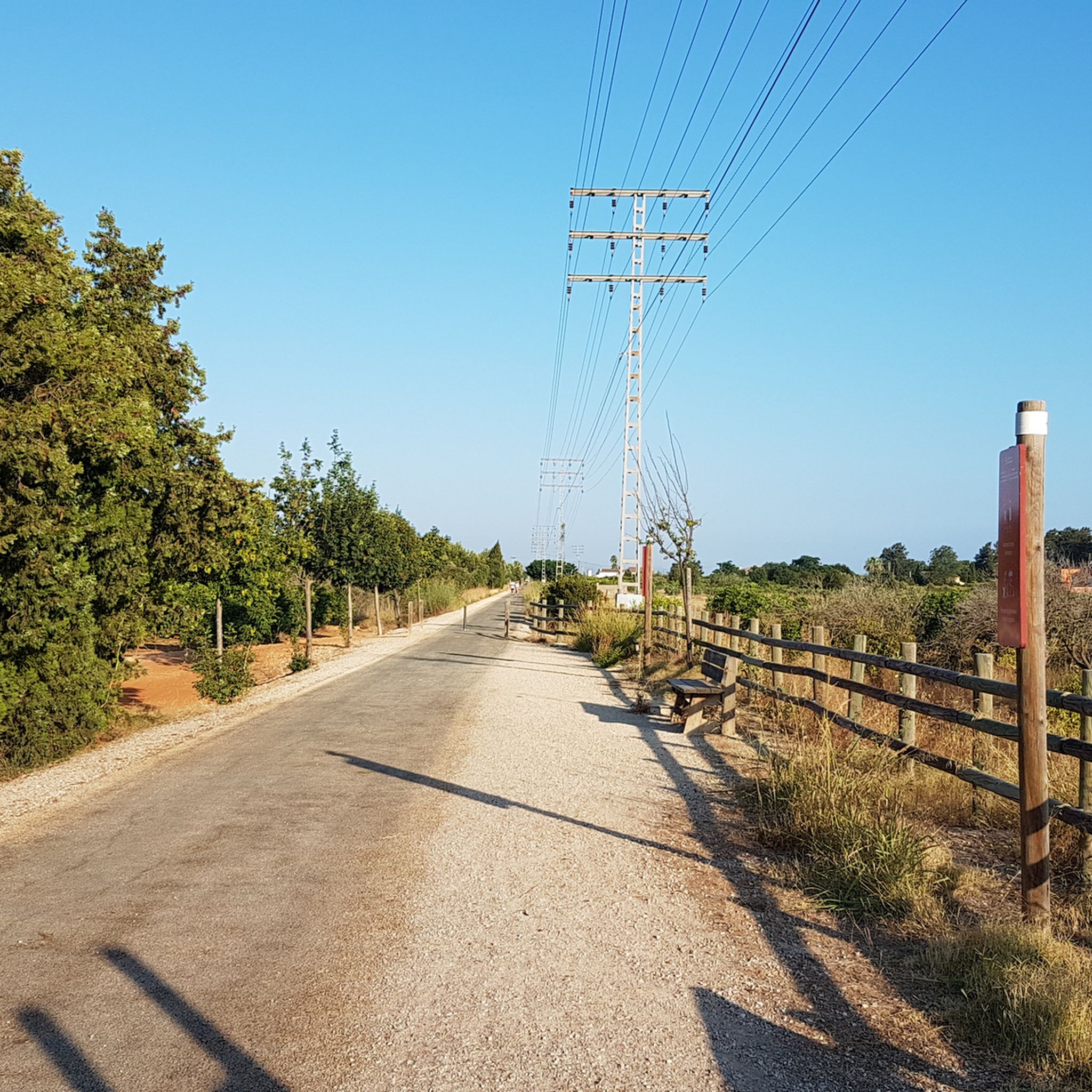
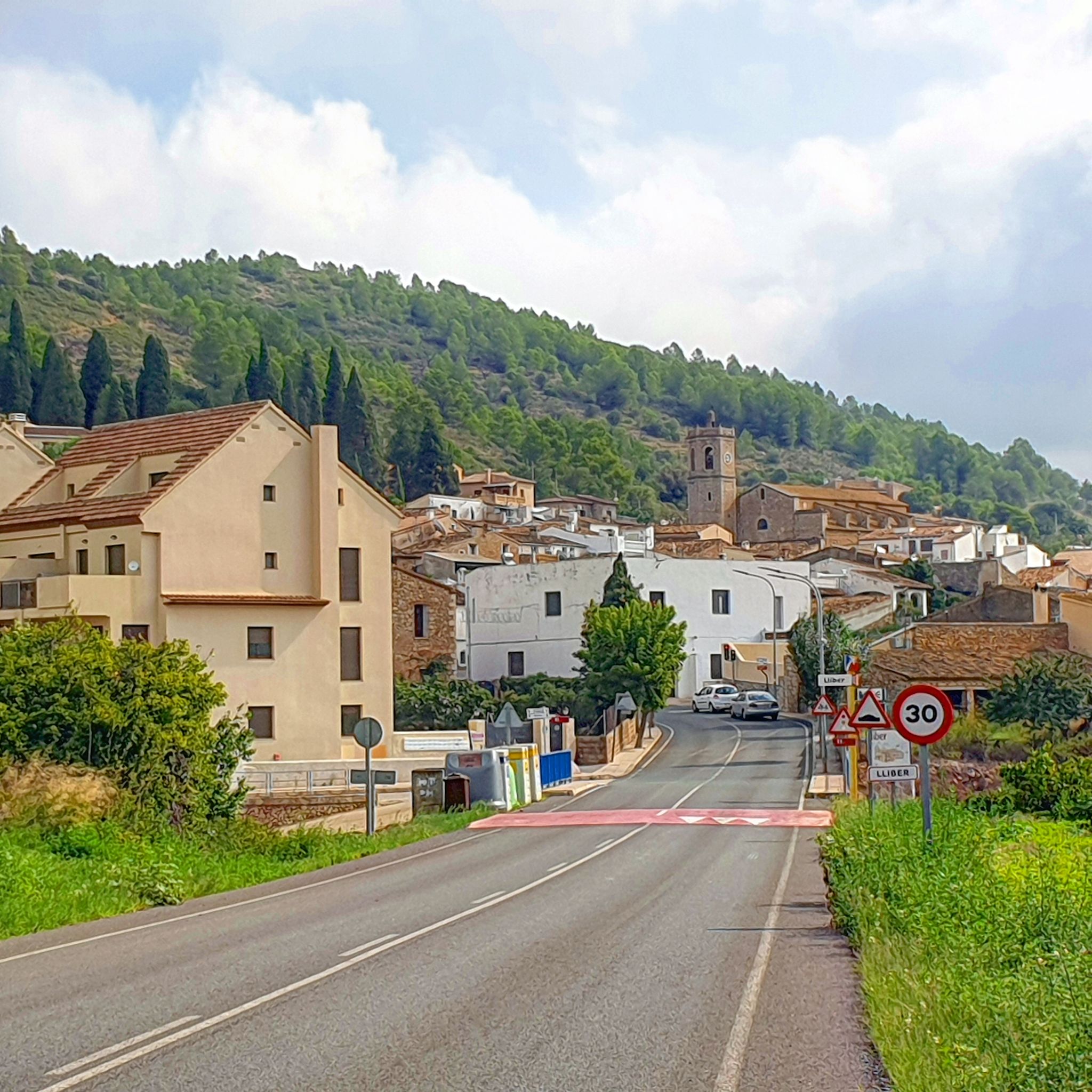
마르케사도 주변의 다른 모험


커뮤니티 팁


Calpe (발렌시아어로 Calp)는 스페인 알리칸테 지방에 위치한 아름다운 해안 도시로, 유명한 코스타 블랑카의 중심부에 자리 잡고 있습니다. 과거에는 오래된 어촌 마을로 알려졌으나, 오늘날에는 발렌시아 공동체의 가장 유명한 관광지 중 하나가 되었습니다. 고운 모래 해변, 현대적인 건축과 고고학적 유적의 조화, 그리고 풍경을 지배하는 상징적인 바위 절벽으로 유명합니다.
6
0

칼페는 바다, 자연, 미식을 결합하고자 하는 사람들에게 매우 추천할 만한 경험입니다. 코스타 블랑카의 이 도시는 도시의 상징이자 지중해에서 가장 상징적인 자연 공간 중 하나인 인상적인 페뇬 데 이파치로 유명합니다. 또한, 플라야 데 라 포사(Playa de la Fossa)와 플라야 델 아레날-볼(Playa del Arenal-Bol)과 같은 고운 모래 해변은 휴식을 취하고 좋은 날씨를 즐기기에 이상적입니다.
19
0

베니사는 2025년 4월 25일 금요일부터 5월 4일 일요일까지 Puríssima Xiqueta를 기리는 수호 성인 축제인 주요 축제를 기념합니다.
7
0


찾고 계신 것을 찾지 못하셨나요?
마르케사도에서 더 많은 자전거 경로를 확인하고 목적지에서 완벽한 경로를 찾아보세요.
