11의 푸엔테 데 산 에스테반가지 명소 & 주요 장소
푸엔테 데 산 에스테반에는 둘러볼 만한 장소가 많답니다. 하이킹 또는 사이클링을 좋아한다면 푸엔테 데 산 에스테반에 숨겨진 11
가지 보석을 만날 수 있을 거예요. 이 지역의 주요 명소를 살펴보면서 다음 모험을 계획해보세요.
마지막 업데이트: 10월 11, 2026
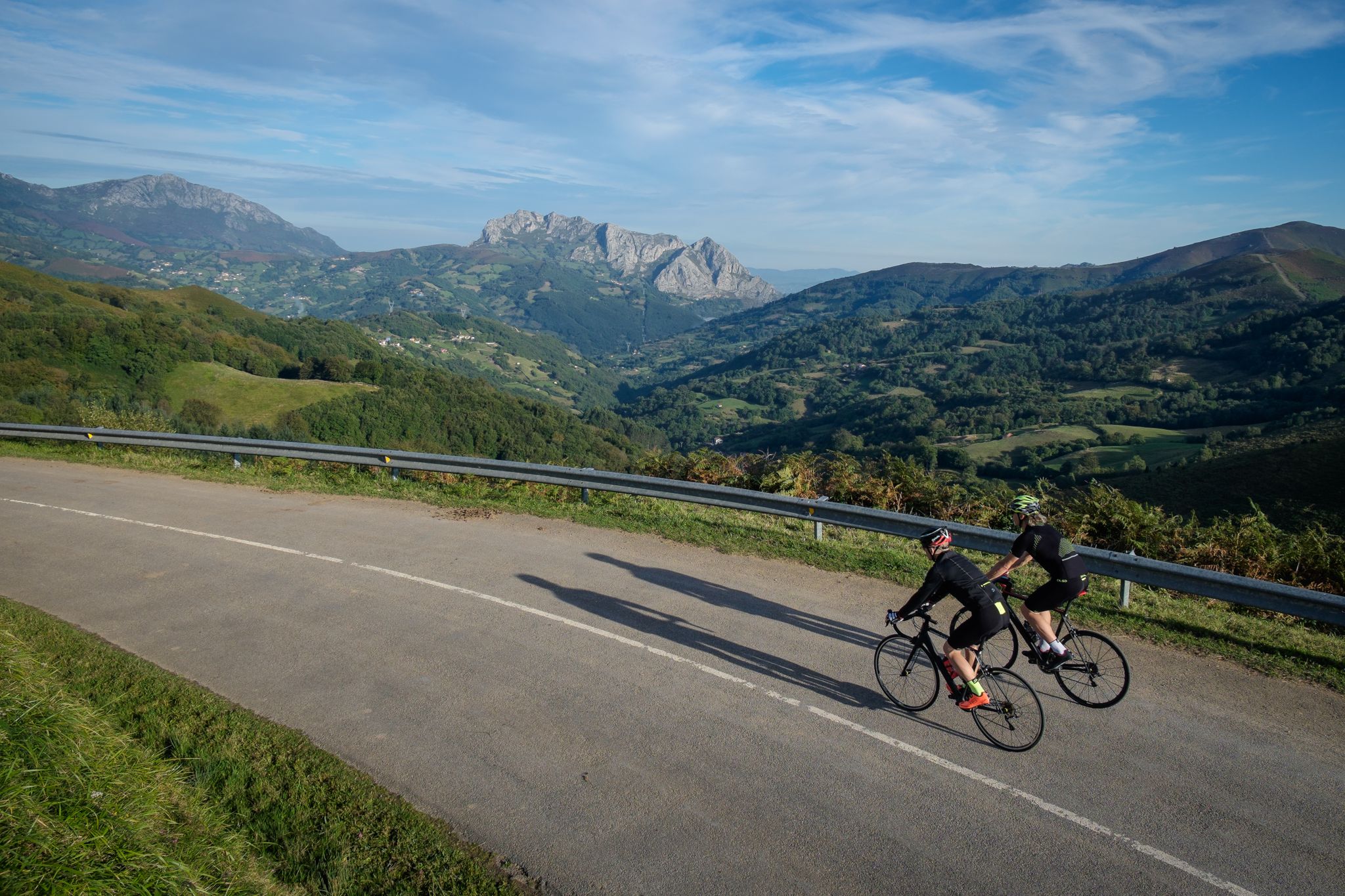
Frades de la Sierra로 오르는 길
하이라이트 (구간) • 등반
번역자 Google •
팁에 의해

Iglesia de San Pedro de Rozados
하이라이트 • 종교적 장소
번역자 Google •
팁에 의해

이런 장소를 발견하려면 지금 가입하세요
최고의 싱글 트랙, 봉우리 및 다양한 흥미로운 야외 장소에 대한 추천을 받아보세요.
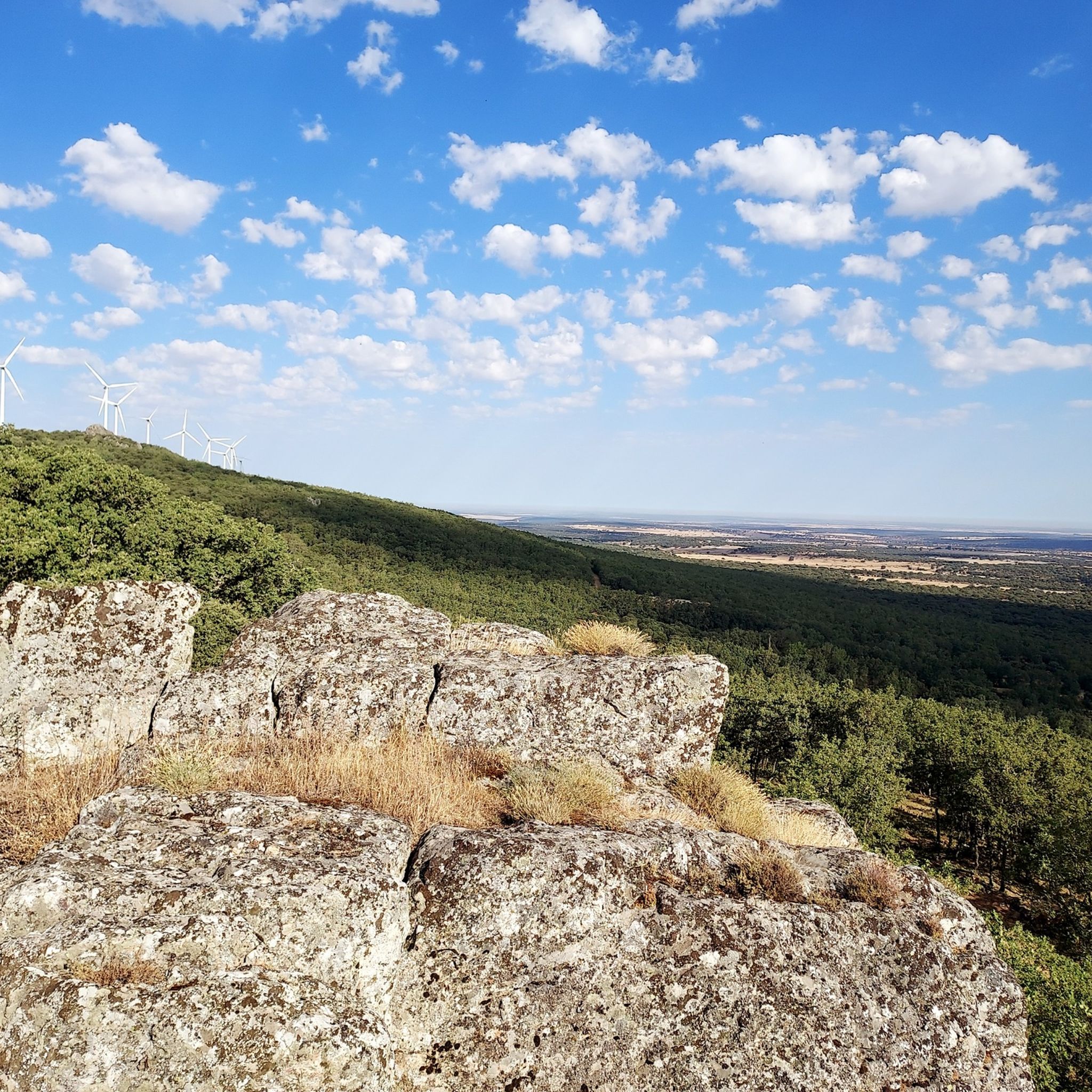
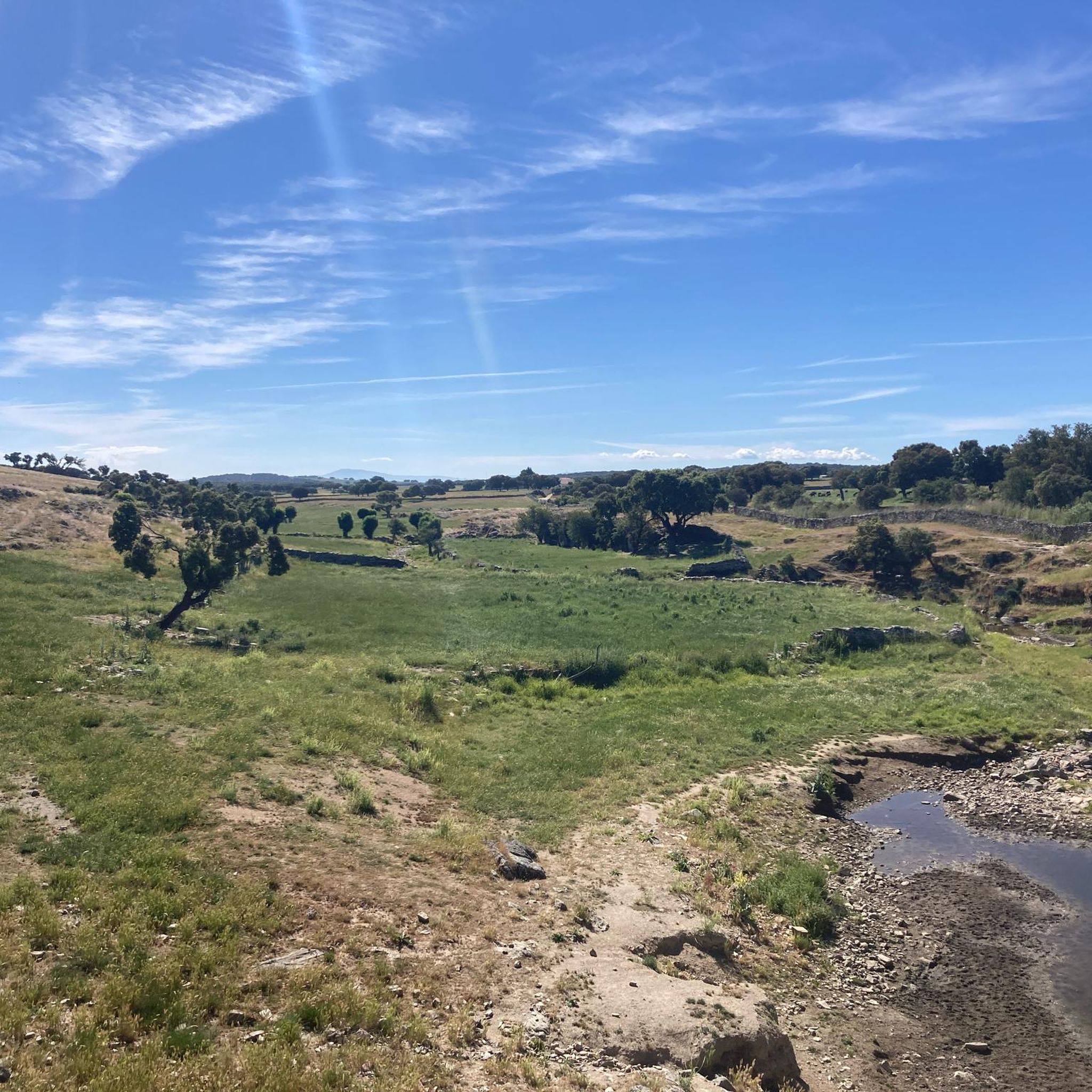
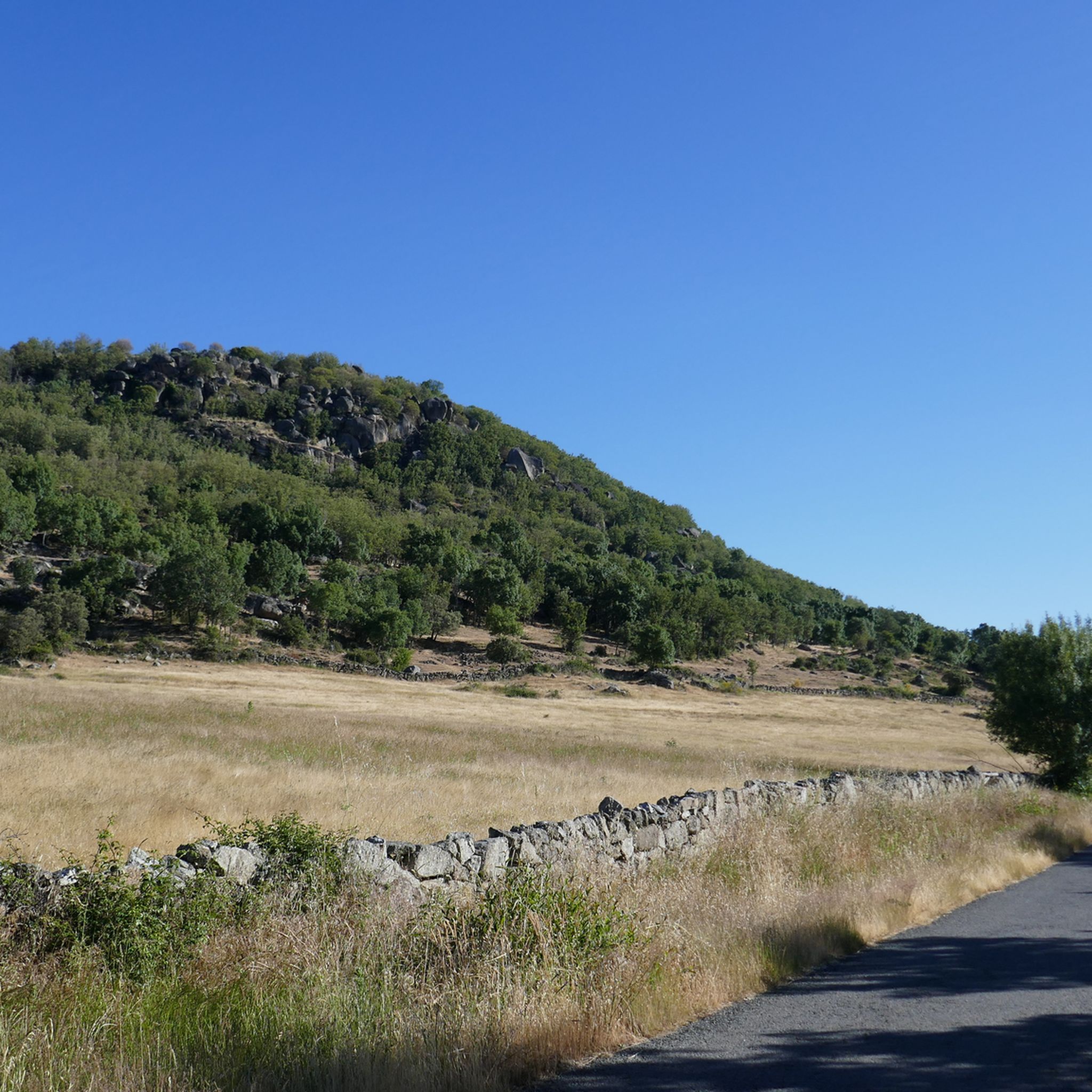
데헤사 목초지와 암석 지형
하이라이트 • 자연
번역자 Google •
팁에 의해

카스티요 데 산타 크루스 데 나바가예가
하이라이트 • 성
번역자 Google •
팁에 의해


Berrocal de Huebra
하이라이트 • 정착지
번역자 Google •
팁에 의해
타마메스의 옛 공중 세탁장
하이라이트 • 역사적 장소
번역자 Google •
팁에 의해
Garcirrey
하이라이트 • 정착지
번역자 Google •
팁에 의해
오늘 무료 계정으로 시작하세요
다음 모험이 기다리고 있어요.



커뮤니티 팁

It's a place well worth a visit. "The Morille Art Cemetery (Museum-Mausoleum) was initiated by artists Domingo Sánchez Blanco and the late Javier Utray. Receptive to the proposal, the Morille City Council Plenary, in a session held on April 11, 2005, approved the allocation of a 50,000 m2 plot for this purpose (in the Centeneros de la Iglesia area) and to actively participate in its development and operation. The basic purpose of the Morille Art Cemetery is the burial of pieces of recognized artistic value and/or directly linked to the field of avant-garde art, understanding that the process leading to the burial is no less important than the burial itself. Each burial (each process) is cataloged and documented in its basic outlines, with a view to the future creation of a Documentation Center that would allow complete and rigorous access to the various works. This is an ambiguous, complex, and plural proposal: for some, it is a "permanent repository of "art"; for others, a "museum-mausoleum," an "underground art center," and even a "concave museum"; although the term "art cemetery" has prevailed over the others, perhaps due to the forcefulness of the terms. The plurality of approaches places the Morille Art Cemetery precisely at the crossroads that discusses the very essence of artistic creation (its nature and social function, among other considerations), not without an evident critical dimension regarding the foundations of current museology. The project's wide impact is one indication of the interest it has aroused among both the general and specialized public.
0
0

nice little place with a very friendly run hotel. Optimal to spend the night on a pilgrimage.
1
0

Tamames stands in the middle of Campo Charro. It is a municipality whose first settlement must be traced back to the Lower Palaeolithic, a period from which some carved stone tools were discovered. At the entrance of the town you can see the public laundry that existed in past times in this town.
0
0
Berrocal de Huebra is a small municipality located in the center of the province of Salamanca, belonging to the Campo Charro region, halfway between the towns of Tamames and Vecinos, with a great bullfighting tradition. It has six districts, only half of them being inhabited, in some cases with only two people.
0
0
La Sagrada is a Spanish municipality and town in the province of Salamanca. In the town is the Parochial Church of San Miguel and a Monument in memory of the Muñoz level crossing accident in 1978. The schoolchildren of the municipality, who were traveling in the school bus that was hit by a locomotive and that is why a statue in his memory.
0
0
Garcirrey is a Spanish municipality and town in the province of Salamanca. Its municipal term is made up of the towns of Alcornocal, Ardonsillero, Berrocalejo, Casasola, Garcirrey, Moral de Castro, Valdelama, Vilvis and Villarejo, the latter depopulated.
0
0

The symbol of the town of Tamames, this tower was part of the Tamames fortress dating from the 13th century. Today they are on private property but can be visited.
1
0
The castle ruins are of great historical and tourist interest in the Peña de Santa Cruz area and also offer beautiful views. The origin of it is unknown for sure, but it is considered to be from pre-Roman times, and which later formed part of a larger group to defend the lands at the beginning of the 10th century and which was rebuilt in this century by King Ramiro II of León .
1
0


찾고 계신 것을 찾지 못하셨나요?
근처의 멋진 장소를 더 탐험하고 싶으신가요? 우리의 가이드를 살펴보세요:
더 살펴보기
찾고 있는 하이라이트를 아직 못 찾으셨나요? 다른 지역의 주요 명소 가이드를 확인해보세요:
