역류저수지 최고의 MTB 라이딩 경로
4.7
(11)
47
자전거 타는 사람
8
라이딩
역류저수지 최고의 산악자전거 라이딩을 찾으시나요? 그렇다면 아름다운 앵거스 호수 주변의 MTB 라이딩 컬렉션을 아래에서 살펴본 후, 역류저수지의 여러 가지 모습을 직접 만나보세요.
마지막 업데이트: 9월 1, 2026
4.0
(3)
8
자전거 타는 사람
35.1km
03:14
820m
820m
This 21.8-mile mountain bike loop from Blackwater Reservoir to Prosen Village and Turf Hill offers a moderate ride in Angus, Scotland.
5
자전거 타는 사람
40.3km
03:13
670m
670m
보통 산악 자전거 타기. 좋은 체력 필요. 실력과 관계없이 누구나 갈 수 있음.

무료 회원 가입
4.0
(2)
4
자전거 타는 사람
13.8km
01:01
210m
210m
초급용 산악자전거 라이딩. 모든 체력 수준에 적합. 실력과 관계없이 누구나 갈 수 있음.
5.0
(1)
2
자전거 타는 사람
25.3km
02:13
500m
490m
보통 산악 자전거 타기. 좋은 체력 필요. 뛰어난 라이딩 실력이 필요함.
5.0
(1)
2
자전거 타는 사람
23.4km
01:25
260m
260m
초급용 산악자전거 라이딩. 모든 체력 수준에 적합. 실력과 관계없이 누구나 갈 수 있음.
더 다양한 경로와 다른 탐험가들의 추천을 살펴보세요.
무료 회원 가입
이미 komoot 계정이 있나요?
투어 추천은 다른 사람들이 komoot에서 완료한 수천 개의 활동을 바탕으로 구성되어 있습니다.
오늘 무료 계정으로 시작하세요
다음 모험이 기다리고 있어요.
로그인 또는 가입하기

커뮤니티 팁

Glenisla Kirk, a small Gothic church built in 1821, is located at the west end of Kirkton of Glenisla on the B951. Originally part of a religious site dating back to the 13th century, it was first gifted to the Abbey of Cambuskenneth by King William the Lion and later transferred to the Abbey of Coupar Angus in 1311. After numerous repairs, the original church was replaced with the current structure. Now owned by the Glenisla Church Trust, it continues to serve the community with monthly informal evening services (April to December) and a Christmas Eve Watch Night Service. It also offers a venue for weddings and funerals, with local venues providing additional support.
0
0
Kirkton of Glenisla, an ancient farming community with Bronze Age and Pictish remains, has a deep ecclesiastical heritage reflected in its name, meaning "church town." From the 14th to 16th centuries, it was part of the lands of Coupar Angus Abbey, which influenced the area's farming development. After the Reformation, the lands were feued to the Ogilvy family, later Earls of Airlie, with Forter Castle remaining as a historical landmark. In the 19th century, the area became a romantic destination, attracting Queen Victoria and Prince Albert. Glenisla also saw the construction of Brackny Bridge in 1824, designed by John Justice, marking a significant moment in the area's architectural history.
0
0
Built in 1824 by Dundee engineer John Justice, this 19-meter iron suspension bridge is the oldest of its kind in Scotland and served as a prototype for a larger version at the Haughs of Drimmie. Featuring a sheep gate at one end, it was likely built to help children from Auchenleish cross the River Isla to reach school. Damaged by extreme weather in 2021, it has since been repaired. Previously, a ford behind the manse allowed passage along the Coffin Road, used to transport coffins from Kilry to Glenisla Graveyard, but frequent spates have rendered it impassable.
0
0
Glenisla, planted in 1949, is a productive forest mainly consisting of Sitka Spruce, a species known for its rapid growth and high-quality timber. Introduced to Scotland in 1831 by David Douglas, Sitka Spruce originates from the fog-belt of western North America, where it had various uses such as in basketry and boat caulking. Plans to establish native riparian woodlands are underway, though deer management is crucial to protect young trees. The forest is served by three main burns—Glen Taitney, Finlet, and Muckle—which supply water to the Backwater Reservoir and local rivers, benefiting nearby towns in Angus and Dundee.
0
0
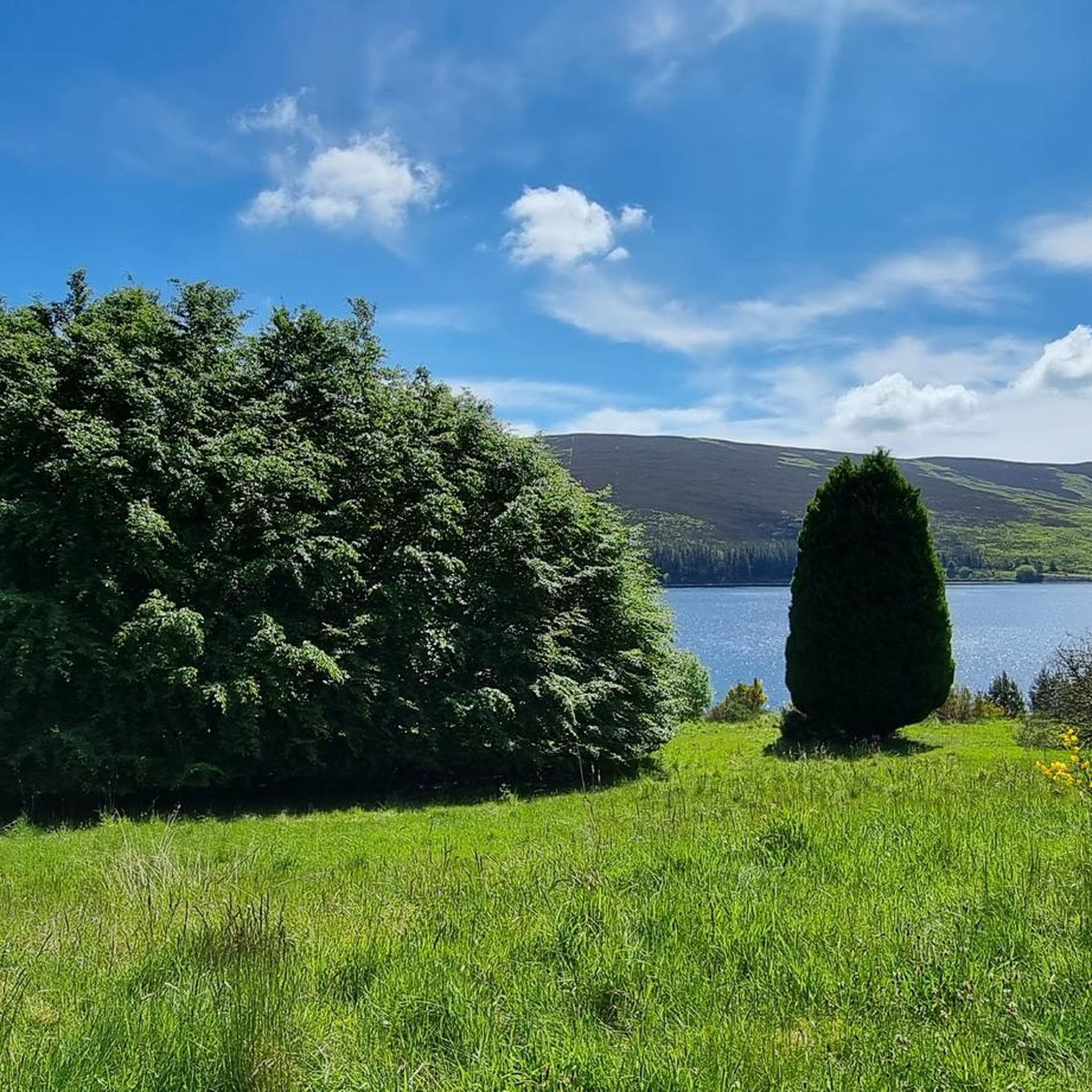
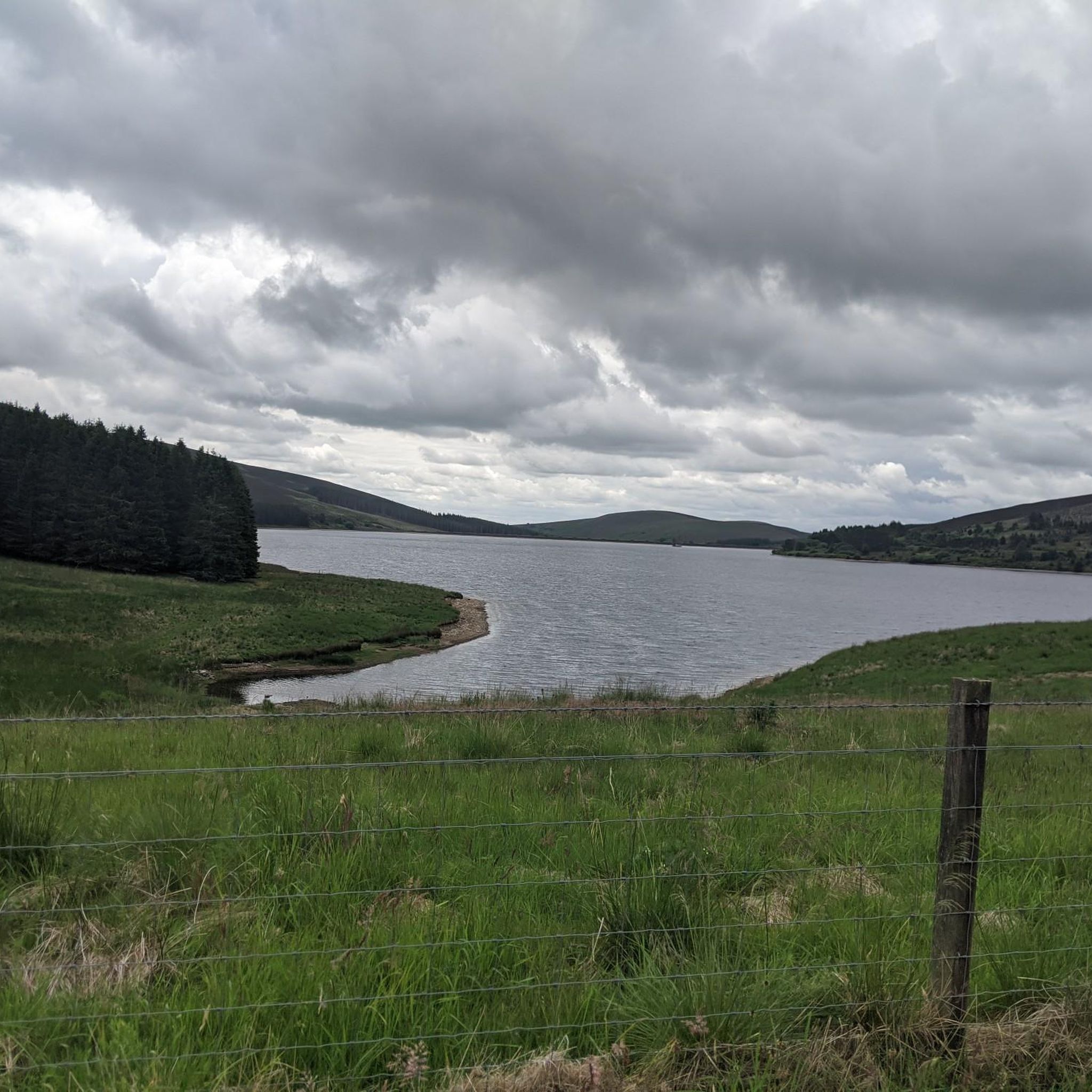
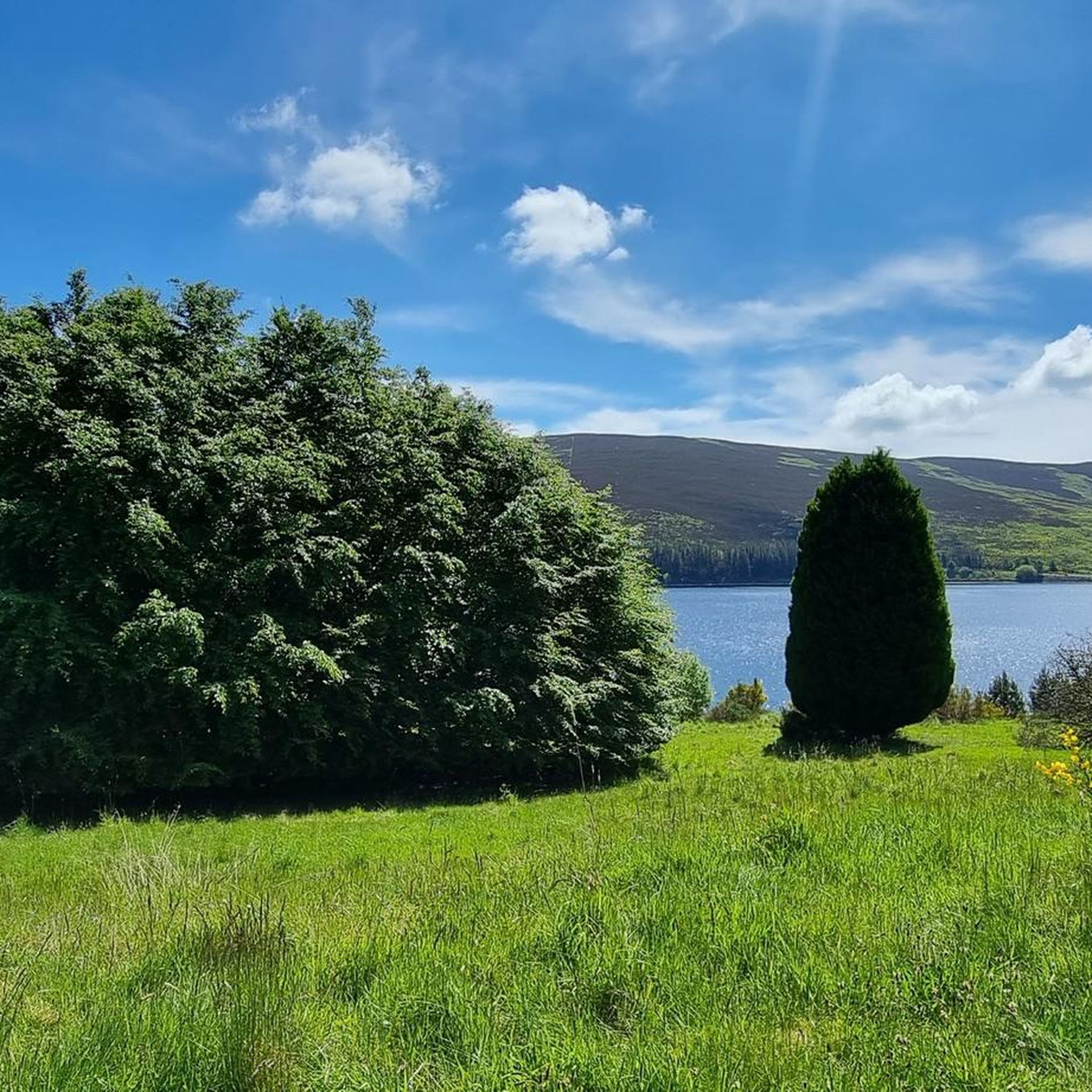
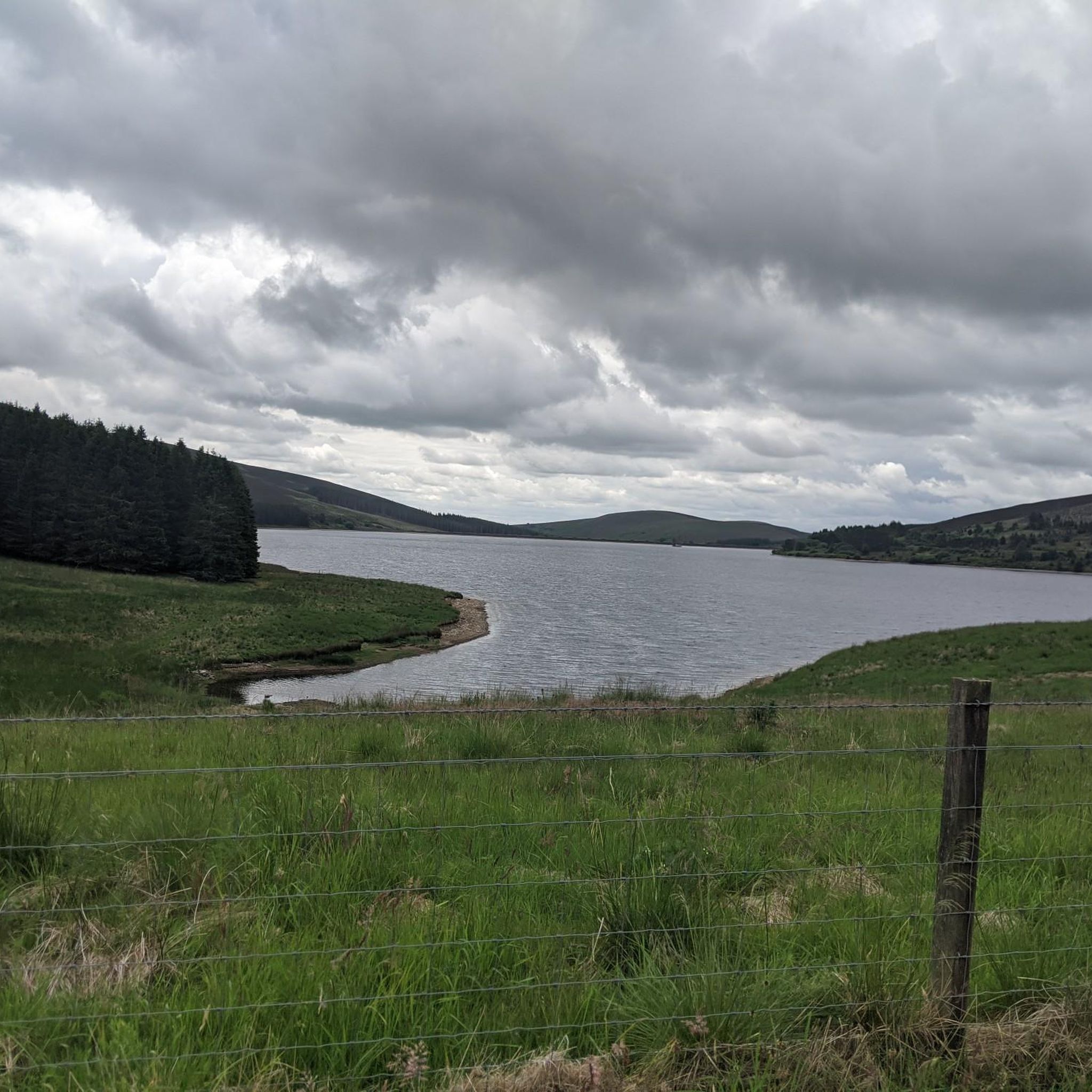
This man-made loch, created by damming the burn flowing down the glen, is a peaceful spot renowned for its excellent fly fishing opportunities, where anglers can catch wild brown and rainbow trout. The loch's name is believed to stem from the Scottish Gaelic term "Seantruibh," meaning "Old farmtoun" or "settlement," reflecting the area's deep historical roots. This connection to the Gaelic past adds cultural significance to the loch, enhancing its charm alongside its natural beauty and recreational appeal.
1
0
Auchintaple Loch, a popular spot for walkers on the Cateran Trail, features a boat house on its far side. Although man-made, the area is rich in history, with nearby remnants of an early chapel at Chapel Hillock. The site, marked by a turf-covered stone bank enclosing a hollow, contains several stones. Close by is the Lady Well, or Virgin Mary's Well, which still flows with clear water. Historically, this well, along with others in the region, was believed to have curative properties, attracting people seeking healing. The first Sabbath in May was thought to be the time when the waters were most powerful, and drinking from the well before sunrise was considered particularly beneficial.
0
0
Forter Castle, built in 1560 by the Ogilvys of Airlie, is a four-storey tower house that was restored in the 1990s after falling into ruin. Its strong defenses made it difficult to capture by surprise, and it withstood various attacks until 1640, when it was besieged by a force of 5,000 men with heavy artillery. The castle was at the heart of a personal feud between the Ogilvys and the Campbells, stemming from land disputes and religious differences. The feud escalated into violent raids, with the Campbells attacking Forter and its lands. In 1640, Archibald Campbell, the Earl of Argyll, led a campaign against the Ogilvys, ultimately razing the castle in an act of personal vengeance. The Countess of Ogilvy is said to have witnessed the destruction from a nearby hill, marking the end of an era for the Ogilvy family in Glenshee.
0
0


더 살펴보기
다른 지역의 최고의 MTB 트레일를 살펴보세요.
